If you have ever felt a sharp, nagging pain on the pinky side of your wrist that makes it difficult to turn a doorknob or lift a heavy bag, you may be experiencing a TFCC ligament tear. This injury, though common among athletes and manual laborers in Dubai, often goes undiagnosed or is mistaken for a simple wrist sprain.
The Triangular Fibrocartilage Complex (TFCC) is a crucial structure that stabilizes the wrist. A tear in this area can significantly impact your quality of life, making even simple daily tasks feel like a chore. Whether you are a professional tennis player at the Aviation Club or someone who spends long hours at a desk in Downtown Dubai, understanding how to manage this condition is vital for long-term hand health.
In this comprehensive guide, we will explore everything you need to know about the Triangular Fibrocartilage Complex Tear, from initial diagnosis to the latest treatment options available.
What is TFCC Ligament Tear?
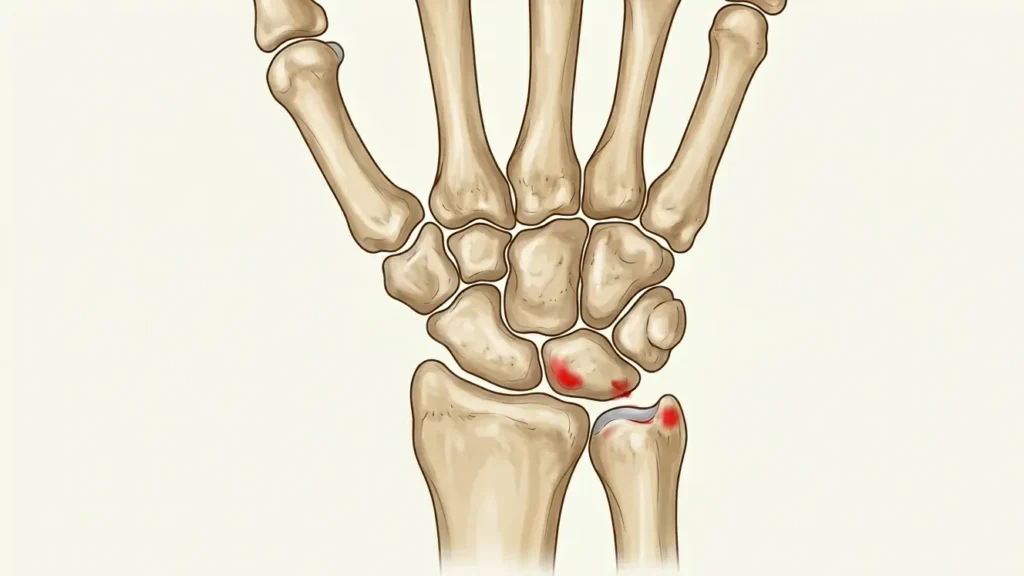
The TFCC is not just one ligament; it is a complex structure made of ligaments and cartilage located on the ulnar side (the pinky side) of the wrist. It acts as a cushion and a stabilizer between the ulna bone and the small bones of the carpal row.
A TFCC ligament tear occurs when these tissues are stretched, strained, or ruptured. Because this area facilitates complex movements like rotation and gripping, an injury here can lead to instability and chronic pain. Physicians typically categorize these tears into two types:
- Type 1 (Traumatic): Caused by a sudden fall on an outstretched hand or a forceful twist of the wrist.
- Type 2 (Degenerative): Resulting from wear and tear over time, often seen in older adults or those with an ulnar-positive variance (where the ulna is longer than the radius).

Reasons for TFCC Ligament Tear
Understanding the “why” behind your pain is the first step toward recovery. Several factors can lead to a TFCC ligament tear wrist injury:
- Acute Trauma: The most frequent cause is a “FOOSH” injury (Fall On Out-Stretched Hand). In the active lifestyle of Dubai, this often happens during sports like padel, cycling, or gymnastics.
- Repetitive Motion: Jobs or hobbies that require constant wrist rotation—such as using heavy machinery or intensive typing—can wear down the cartilage over time.
- Structural Anatomy: Some individuals are born with an ulnar bone that is slightly longer than the radius. This puts extra pressure on the TFCC, making it more prone to thinning and eventual tearing.
- Aging: As we age, the blood supply to the central part of the TFCC decreases, making the tissue more brittle and less capable of healing from minor strains.
TFCC Ligament Tear Symptoms
Identifying the TFCC ligament tear symptoms early can prevent long-term damage. Common signs include:
- Localized Pain: Deep, aching pain specifically on the pinky side of the wrist.
- Clicking or Popping: You might hear or feel a “click” when rotating your forearm or moving the wrist side-to-side.
- Weakened Grip: Finding it difficult to hold a coffee cup, open a jar, or shake hands firmly.
- Instability: A feeling that your wrist is “giving way” or isn’t supportive under load.
- Reduced Range of Motion: Difficulty rotating the wrist fully (supination and pronation).
Can a TFCC Tear Get Worse?
A frequent question patients ask is: can a tfcc tear get worse? The short answer is yes. Because the TFCC is a primary stabilizer, leaving a tear untreated can lead to a cascade of complications:
- Chronic Instability: The distal radioulnar joint (DRUJ) may become permanently unstable, leading to a permanent loss of strength.
- Arthritis: Misalignment of the wrist bones due to a lack of support can lead to premature osteoarthritis in the wrist.
- Compensatory Injuries: You may subconsciously change how you move your hand, leading to tendonitis or strain in the elbow and shoulder.
- Permanent Stiffness: Long-term inflammation can lead to the formation of scar tissue that severely limits your mobility.
Read more about: Can a TFCC Tear Get Worse? Risks of Untreated Wrist Injuries
Diagnosis of TFCC Ligament Tear
If you suspect an injury, seeking a specialist in Dubai is essential. A professional diagnosis starts with a clinical history—discussing when the pain started and what activities trigger it.
The doctor will perform a physical exam to check for tenderness specifically at the “TFCC fovea,” the small soft spot between the end of the ulna and the carpal bones. They will also assess the stability of your distal radioulnar joint.
TFCC Ligament Tear Tests
To confirm a TFCC ligament tear, several specialized tests and imaging modalities are used:
- The Press Test: You are asked to lift yourself up from a chair using your hands. Pain during this maneuver is a strong indicator of a tear.
- Ulnar Fovea Sign: Pressure applied to the space between the ulnar styloid and the flexor carpi ulnaris tendon.
- TFCC Ligament Tear MRI: This is the gold standard for diagnosis. A high-resolution MRI (often with an arthrogram, where dye is injected) allows the surgeon to see the exact location and severity of the tear.
- X-rays: While X-rays cannot see the ligament itself, they are used to check for fractures or an ulnar-positive variance.
Read more about: TFCC Tear Guide: Diagnosis, Recovery Time & Surgical Options
TFCC Ligament Tear Treatment Options
Most cases of TFCC ligament tear treatment begin with conservative, non-surgical approaches.
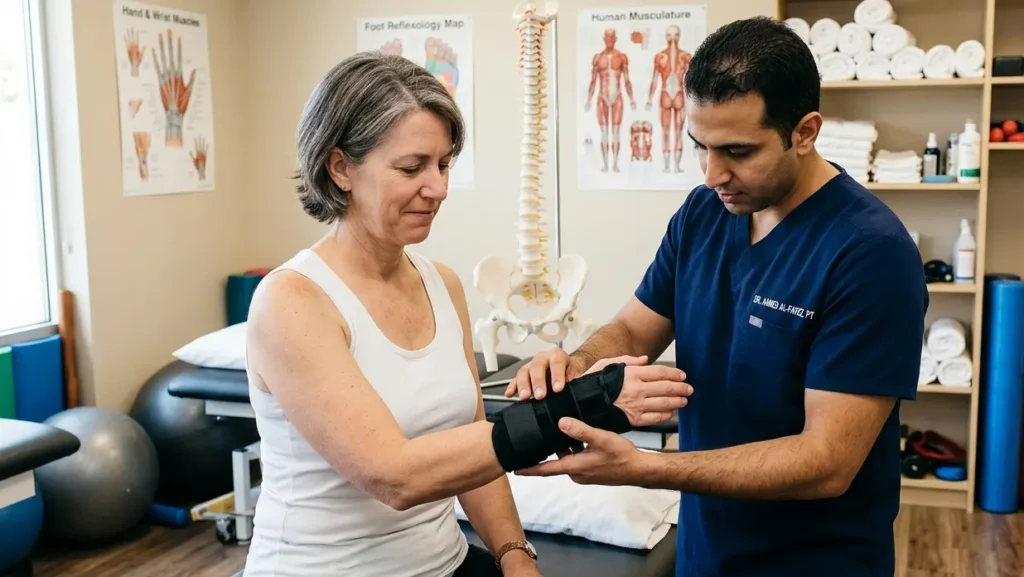
- Immobilization: Wearing a specialized splint or cast for 4–6 weeks to allow the tissue to rest.
- Activity Modification: Avoiding heavy lifting and twisting movements.
- Anti-inflammatory Medication: Using NSAIDs to manage pain and swelling.
- Corticosteroid Injections: To reduce intense inflammation in chronic cases.
- Physical Therapy: Specialized hand therapy focusing on strengthening the supporting muscles without stressing the tear.
TFCC Ligament Tear Surgery
If conservative measures fail after several months, or if the tear is severe (Type 1 traumatic tear with instability), TFCC ligament tear surgery may be necessary.
Modern techniques usually involve Wrist Arthroscopy. This is a minimally invasive procedure where a surgeon makes tiny incisions and uses a camera to either:
- Debridement: Trimming away the torn, frayed edges of the cartilage (common for central tears).
- Repair: Suturing the ligament back to the bone (common for peripheral tears that have a better blood supply).
TFCC Ligament Tear Surgery Recovery Time
The TFCC ligament tear surgery recovery time varies based on the procedure.
- Debridement Recovery: Often faster; patients may begin light movement within 1–2 weeks and return to full activity within 6–8 weeks.
- Repair Recovery: Requires more protection. You may be in a splint or cast for 6 weeks, followed by several months of intensive hand therapy. Total recovery can take 3 to 6 months.
Read also about: Swelling After Wrist Surgery: What’s Normal & When to Worry
TFCC Ligament Tear Recovery Time
For non-surgical cases, the TFCC ligament tear recovery time is typically 6 to 12 weeks. Consistency with bracing and therapy is the biggest factor in how quickly you return to your normal routine. It is important to note that the central portion of the TFCC has a poor blood supply, which is why healing can feel slow compared to other ligament injuries.
What Exercises Help a TFCC Tear?
Once the initial pain subsides, rehabilitation is key. TFCC ligament tear recovery involves exercises that stabilize the wrist without causing grinding:
- Isometric Wrist Strengthening: Pushing against your other hand without actually moving the joint.
- Pronation/Supination: Gently rotating the forearm within a pain-free range.
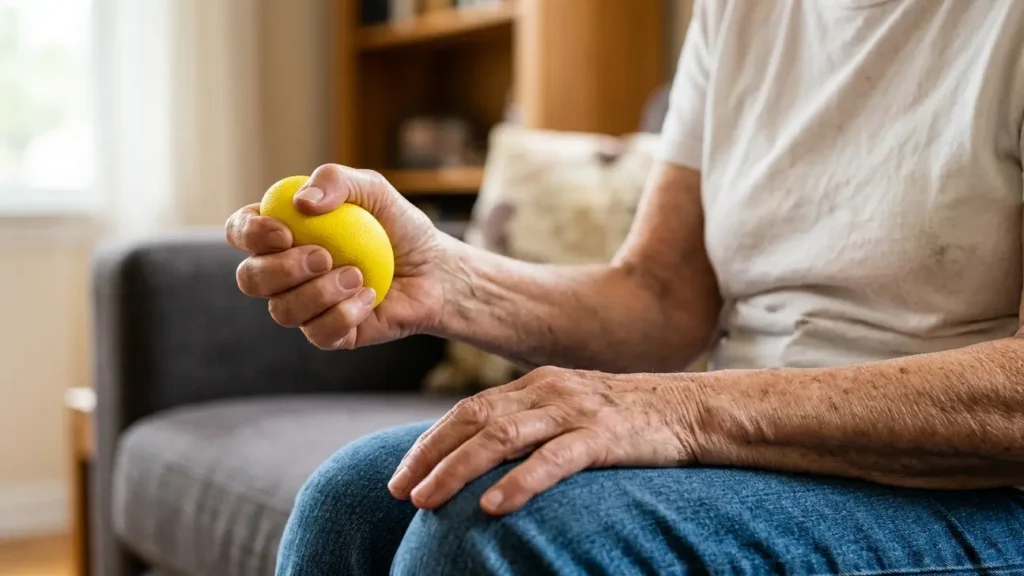
- Grip Strengthening: Using soft stress balls or putty.
- Proprioceptive Training: Exercises that help the brain re-learn where the wrist is in space, improving stability.
How Can You Prevent a TFCC Tear?
While accidents happen, you can reduce your risk:
- Use Proper Ergonomics: If you work in an office in Dubai, ensure your keyboard and mouse setup doesn’t force your wrist into an awkward ulnar deviation.
- Warm Up: Always stretch and warm up your wrists before engaging in sports like tennis or weightlifting.
- Strengthen the Forearm: Stronger muscles provide better “active” stability to the joint.
- Listen to Pain: Don’t “push through” pinky-side wrist pain; it is often a warning sign of an impending tear.
When Should You See a Doctor?
You should consult a specialist if:
- Your wrist pain persists for more than two weeks despite rest.
- You experience a “clunking” sensation.
- You have significant swelling or bruising after a fall.
- Your grip strength has noticeably decreased.
Book Your Recovery with Dr. Mohamed Ali Now
When dealing with complex hand and wrist injuries, expertise matters. Whether you are seeking a second opinion on an MRI or looking for the most advanced surgical techniques in the UAE, getting the right care is essential. You can learn more about specialized treatments by visiting Dr. Mohamed Ali’s website, where the focus is on restoring mobility and eliminating pain through evidence-based orthopedics.
Before proceeding to the FAQs, remember that early intervention is the best way to avoid surgery. If you are in Dubai and struggling with wrist instability, reach out to a professional who understands the unique demands of your lifestyle.
FAQs about tfcc ligament tear
Can a TFCC tear heal on its own?
Small peripheral tears have a decent blood supply and may heal with proper rest and immobilization. However, central tears often require medical intervention because they lack the blood flow necessary for natural regeneration.
How to tell if your TFCC is torn?
The most common indicator is sharp pain on the pinky side of the wrist when twisting (like turning a key) or when pushing yourself up from a chair. A formal TFCC ligament tear test by a doctor is required for confirmation.
How long does a TFCC wrist take to heal?
Conservative healing typically takes 8–12 weeks. Surgical recovery can range from 2 months to 6 months depending on whether the tissue was trimmed or fully repaired.
How to heal TFCC faster?
Compliance is everything. Wear your brace as directed, avoid “testing” the wrist by lifting heavy objects prematurely, and engage in targeted physical therapy to maintain muscle tone without irritating the complex.
What happens if TFCC goes untreated?
Untreated tears can lead to permanent wrist instability, chronic pain, and eventually, osteoarthritis. It may also lead to a permanent loss of grip strength, making daily tasks difficult.
Final Thoughts about tfcc ligament tear
A TFCC ligament tear is a significant injury, but with the right approach, most patients return to their full level of activity. Whether through conservative splinting or advanced arthroscopic surgery, the goal is to stabilize the Triangular Fibrocartilage Complex Tear and get you back to your life in Dubai. If you are feeling that tell-tale pain on the outside of your wrist, do not wait for it to get worse. Consult with an expert like Dr. Mohamed Ali to start your journey toward a pain-free recovery today.