
Gym injury elbow hyperextension Dubai: Triage, Care & Rehab Guide
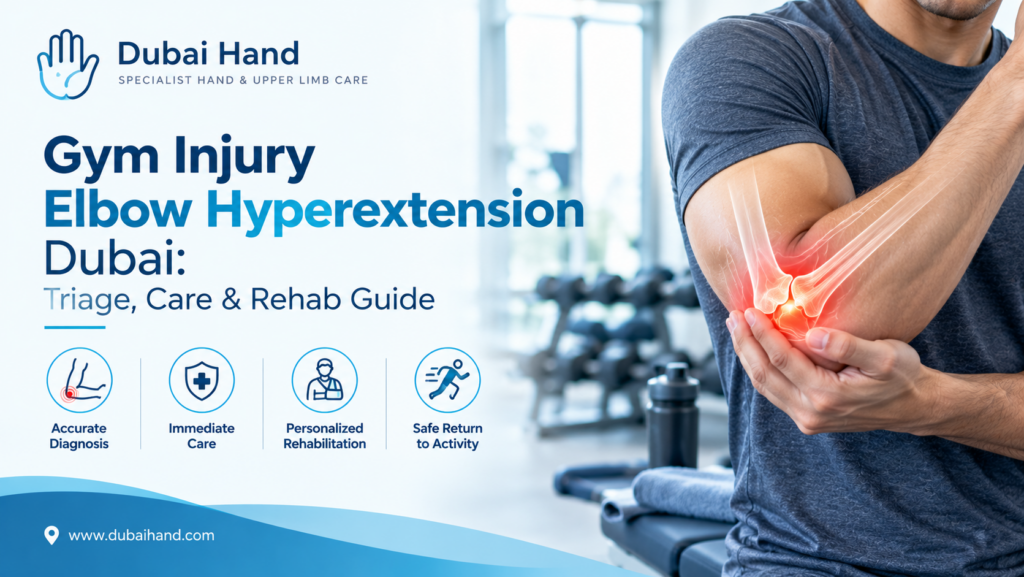
Dealing with a gym injury elbow hyperextension dubai lifters encounter can immediately halt your training momentum in the gym. When high-velocity forces drive your joint beyond normal anatomical limits, anterior tissues tear and posterior bones impact. Getting an early, accurate clinical diagnosis protects long-term joint health and supports your safe return to resistance training. Key Takeaways The Anatomy of an Elbow Hyperextension: What Happens During a Heavy Gym Lift The elbow is fundamentally a trochleoginglymoid joint, which means a hinge-and-pivot joint designed to bend, straighten, and rotate the forearm smoothly. It gains structural integrity from both static bony contours and dynamic muscular restraints. In standard anatomical alignment, full extension terminates at roughly 0 degrees, stabilized as the olecranon process, which means the bony tip of your elbow, settles neatly into the posterior olecranon fossa. Natural soft tissue elasticity permits up to 5 degrees of extension in healthy individuals. When an aggressive downward load drives the forearm backwards beyond zero degrees, mechanical failure initiates across distinct tissue planes. What Happens to the Anterior Capsule and Flexor Muscles? The anterior joint capsule, which means the strong fibrous sac enclosing the front of the joint, acts as the primary soft-tissue restraint preventing backward bending during terminal joint extension. Under high-velocity gym loads, this fibrous sheet sustains significant tensile distraction. Directly overlying the capsule, the brachialis and biceps brachii muscles contract eccentrically to arrest the backward motion. Clinical evaluations often show that severe force creates micro-tearing in these deep anterior muscle bellies alongside capsular sprains, documented in PubMed Central studies on athletic hyperextension patterns. How Does Posterior Bony Impingement Cause Kissing Lesions? While anterior structures stretch, posterior structures experience compressive forces. The tip of the ulna slams directly into the humeral bone surface. This violent contact creates subchondral bone bruises, often referred to by surgeons as “kissing contusions.” In high-impact cases, these forces can fracture the fragile margins of the olecranon tip or shed micro-fragments of articular cartilage into the joint cavity. Common Gym Triggers: From Bench Press Lockouts to Calisthenics Hyperextension rarely occurs in isolation during strength training. It typically results from rapid bar deceleration, technical fatigue, or uncontrolled catches under heavy barbells. Why Does the Bench Press Cause Acute Hyperextension? During maximum or near-maximum bench pressing, lifters frequently snap their arms into hard lockout to secure the repetition. If the barbell drifts backward past the vertical plane of the shoulders, the load produces an acute extension moment. When wrist stability breaks down simultaneously, the mechanical axis shifts, forcing the humeroulnar joint open anteriorly. Athletes experiencing residual shoulder fatigue during these movements can review our guide on shoulder pain after gym training to identify compensatory lifting flaws. Olympic Weightlifting Catches: The Snatch and Clean & Jerk Receiving a heavy barbell overhead requires instantaneous structural stabilization. A missed catch during a snatch can drop the bar slightly behind the center of mass, violently pushing the elbow into hyperextension under dynamic loads exceeding body weight. Calisthenics, Dips, and Combat Sports Weighted dips present substantial risk when lifters drop rapidly into the eccentric bottom or violently jerk into extension at the top. Bodyweight calisthenics on gymnastic rings introduce multidirectional instability, multiplying mechanical torque across the medial ligaments. In mixed martial arts and Brazilian Jiu-Jitsu, straight armbar submissions force the joint past physiological limits. If the athlete delays tapping, severe joint trauma quickly follows. Clinical Signs and Injury Grading: Assessing the Damage Accurate clinical triaging determines whether your injury requires conservative physiotherapy or immediate surgical intervention. A traumatic gym injury elbow hyperextension dubai athletes sustain generally falls into three discrete severity grades. Injury Grade Structural Involvement Clinical Symptoms Typical Recovery Time Grade I (Mild) Microscopic stretching of anterior capsule; no joint laxity. Mild anterior tenderness, localized swelling, pain at full extension. 1 to 3 weeks Grade II (Moderate) Partial tearing of anterior capsule; possible minor sprain of the ulnar collateral ligament (UCL). Moderate diffuse edema, visible ecchymosis, distinct weakness during flexion, pain at rest. 4 to 8 weeks Grade III (Severe) Complete capsular rupture, full UCL tear, potential posterior dislocation or avulsion fracture. Immediate deformity, severe instability, inability to resist valgus stress, neurovascular tingling. 3 to 6+ months (may require surgery) Recognizing a gym injury elbow hyperextension dubai When Symptoms Turn Severe Athletes frequently ask how to identify when joint trauma has crossed beyond simple soreness. Key indicators of severe trauma include an audible popping sound, rapid intra-articular swelling appearing within two hours, and numbness radiating into the pinky or ring finger. If the joint feels completely loose or physically blocks you from bending past 90 degrees, structural integrity has been compromised. Conservative care guidelines outlined by MedlinePlus on elbow sprains and strains emphasize that mechanical blocking warrants emergency diagnostic imaging. Can You Lift Weights With a Hyperextended Elbow? Continuing to lift through acute hyperextension pain converts a manageable ligament sprain into chronic instability. Axial loading across an unstable joint accelerates cartilage wear, predisposing the lifter to premature degenerative changes. All compound upper-body pressing and pulling movements must cease immediately while acute tissue repair takes place. Patients seeking a structured clinical assessment can schedule a first visit to an orthopedic doctor in the UAE to establish baseline joint stability. Modern Soft-Tissue Management: The PEACE & LOVE Protocol For decades, fitness communities relied exclusively on the traditional RICE (Rest, Ice, Compression, Elevation) regimen. Contemporary sports medicine has retired this concept, recognizing that aggressive icing and prolonged immobilization delay soft tissue healing. Why Has the Medical Community Moved Away From RICE? Research confirms that immediate, excessive cold application blunts natural inflammatory signaling pathways needed for cellular repair. Non-steroidal anti-inflammatory drugs (NSAIDs) also impair collagen synthesis during the initial 72 hours of tendon and ligament healing. The Acute Phase: Treat With PEACE The Subacute Phase: Rebuild With LOVE Freshness Update: Modern Advancements in Upper Limb Sports Medicine Clinical standards for managing acute athletic joint trauma in elite sporting hubs like Dubai have evolved substantially[1]. Fellowship-trained upper limb specialists now rely on high-resolution 3-Tesla MRI protocols that clearly visualize capsular
Finger Pain Causes: Clinical Guide to Joint and Tendon Relief
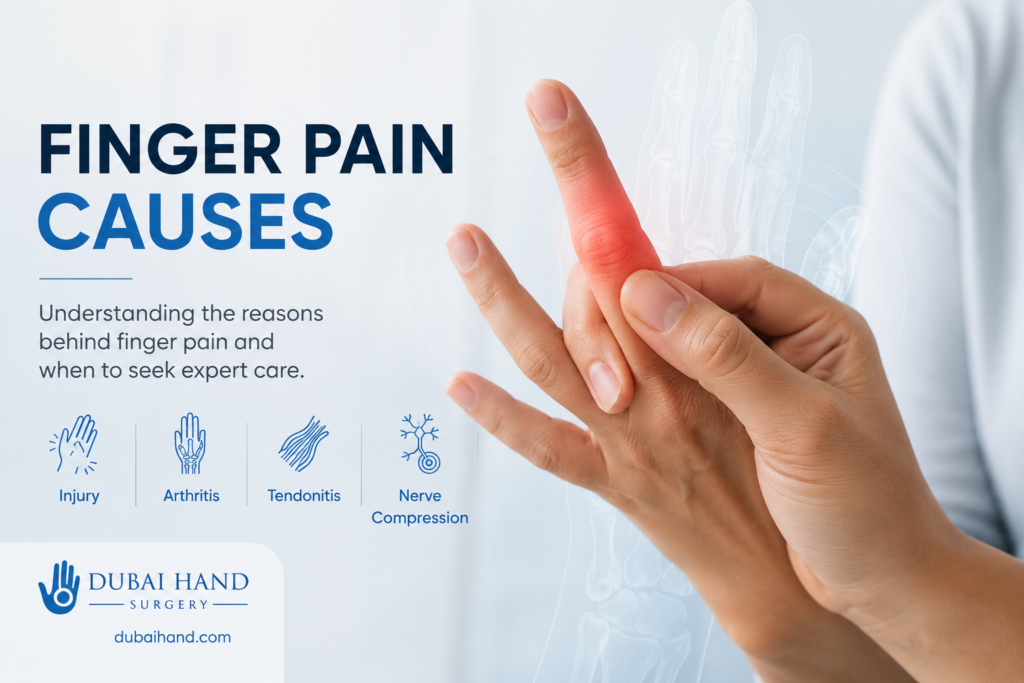
Clinically written by Dr. Mohammad Ali, Fellowship-Trained Hand, Wrist and Upper Limb Surgeon, providing evidence-based hand health guidance for patients in Dubai and internationally. Understanding distinct finger pain causes is essential when joint stiffness, swelling, or sudden sharp discomfort interferes with your everyday hand movements. Identifying whether your discomfort stems from tendon friction, cartilage degeneration, or nerve compression ensures timely recovery. Early diagnosis prevents long-term joint stiffness and protects overall hand function. This guide also covers diagnosis, treatment options, recovery expectations, and next steps. Key Takeaways What Are the Primary Finger Pain Causes and Anatomical Origins? The human hand contains 14 phalangeal bones supported by an intricate network of tendons, annular pulleys, and neurovascular bundles. Disruption to any of these delicate structures can generate severe discomfort and restrict range of motion. Orthopedic specialists classify symptoms based on whether the underlying pathology involves bone, soft tissue, nerve signaling, or microvascular circulation. Pinpointing the exact anatomical origin is the first step toward lasting relief. If you are experiencing unexplained discomfort, completing an interactive hand and finger pain assessment quiz can help clarify symptom patterns prior to your clinical visit. Why Do My Finger Joints Hurt All of a Sudden? Sudden joint discomfort without obvious trauma frequently points to acute inflammatory flares or micro-tears in stabilizing soft tissues. Common spontaneous triggers include: How Traumatic Injuries Influence Finger Pain Causes Trauma to the digits ranges from simple hyper-extension sprains to complex intra-articular fractures. When an athletic ball strikes the extended fingertip, it often avulses the terminal extensor tendon, creating a mallet deformity. Seeking targeted clinical mallet finger treatment in Dubai ensures the tendon reattaches properly under strict continuous immobilization protocols, as detailed by the American Academy of Orthopaedic Surgeons (AAOS). Traumatic and Mechanical Finger Injuries Mechanical injuries occur when external loads exceed the physiological tolerance of the finger’s bones and stabilizing ligaments. These conditions require accurate physical examination and radiographic assessment. What Does a Jammed Finger Actually Mean? A “jammed finger” is a colloquial term for an axial impact injury that compresses the proximal interphalangeal (PIP) or distal interphalangeal (DIP) joint. This impact can cause: I jammed my finger weeks ago and it’s still swollen and stiff—is this normal? Lingering swelling after a finger sprain is common because the digital capsule has limited lymphatic drainage. However, persistent stiffness beyond four weeks may indicate an unrecognized ligament tear, fixed joint contracture, or chronic volar plate instability that requires clinical splinting. Phalangeal Fractures and Joint Dislocations Fractures of the proximal, middle, or distal phalanges present with immediate swelling, rotational deformity, and localized bone tenderness. A finger that overlaps adjacent digits when making a partial fist indicates malrotation. Unstable fractures require precise anatomic reduction to avoid permanent functional deficits. Complex injuries may require surgical stabilization, which is explained during a comprehensive evaluation of your finger pain causes with an orthopedic specialist. Tendon and Synovial Pathologies: Trigger Finger and Tendonitis Tendons transmit power from forearm muscles to the fingertips, gliding through lubricated synovial sheaths held close to bone by fibrous pulleys. When inflammation narrows these tunnels, mechanical catching occurs. Stenosing Tenosynovitis (Trigger Finger) Trigger finger develops when the A1 pulley thickens, constricting the flexor digitorum tendons. Patients experience a painful click or complete mechanical locking when opening or closing the hand, particularly upon waking. Why does my middle finger snap and hurt when I try to straighten it in the morning? This morning snapping sensation is the classic sign of stenosing tenosynovitis. Synovial fluid pools within the tendon sheath during sleep, swelling the tendon nodule so it catches firmly behind the A1 pulley until manually forced straight. Arthritic and Joint-Related Finger Pain Arthritis is one of the most widespread chronic finger pain causes worldwide. Differentiating degenerative wear from systemic inflammatory disease is critical for selecting the correct therapeutic path. Clinical Feature Osteoarthritis (Wear & Tear) Rheumatoid Arthritis (Inflammatory) Gout (Crystal Arthropathy) Primary Joint Involvement DIP joints, PIP joints, thumb basal CMC joint MCP joints, PIP joints, wrist symmetrically Typically monoarticular; sudden MCP or PIP flares Morning Stiffness Duration Brief, usually resolving in under 30 minutes Prolonged, persisting over 60 minutes Variable; joint remains acutely tender all day Characteristic Physical Signs Hard bony spurs (Heberden and Bouchard nodes) Soft, boggy synovial swelling, ulnar drift Erythema, intense heat, skin desquamation, tophi Underlying Pathology Cartilage breakdown and subchondral bone remodeling Autoimmune synovial pannus destruction Monosodium urate crystal inflammatory response Research published by the National Institute of Arthritis and Musculoskeletal and Skin Diseases (NIAMS) confirms that early joint-protective strategies slow cartilage degeneration in both forms of chronic arthritis. Heberden and Bouchard Nodes in Osteoarthritis As cartilage thins within interphalangeal joints, reactive bone spurs (osteophytes) enlarge. Heberden nodes form at the terminal DIP joints near the fingernails, whereas Bouchard nodes appear at the middle PIP joints. While initially tender, these bony enlargements often become painless over time, leaving mild angular deformities. Nerve Compression and Radiating Neuropathic Pain Pain felt in the fingers does not always originate within the digits themselves. Compression along the median, ulnar, or cervical nerve roots often radiates distal pain, burning, and sensory changes. Carpal Tunnel Syndrome and Digital Paresthesia Median nerve compression at the wrist produces nocturnal tingling, numbness, and aching across the thumb, index, middle, and radial half of the ring finger. When conservative bracing fails, patients may benefit from nerve decompression for carpal tunnel syndrome UAE to prevent permanent muscle atrophy. My pinky and ring finger are throbbing and numb—is this coming from my elbow or hand? Numbness and throbbing localized specifically to the small finger and ulnar side of the ring finger usually indicate ulnar nerve irritation at the elbow (cubital tunnel syndrome). Flexing the elbow for prolonged periods increases nerve tension, producing distal finger discomfort. Infections, Vascular Disorders, and Rare Conditions Non-mechanical conditions require swift identification to prevent serious soft tissue complications or vascular compromise. Infectious Flexor Tenosynovitis and Kanavel’s Four Cardinal Signs Infectious tenosynovitis is a surgical emergency where bacteria enter the closed flexor sheath via a puncture or scratch. Hand surgeons evaluate
Best hand doctor in Dubai: Guide to Top Hand and Wrist Surgeons

Selecting the best hand doctor in Dubai for Advanced Upper Limb Care Clinically reviewed by Dr. Mohammad Ali, Fellowship-Trained Hand, Wrist and Upper Limb Surgeon at Dubai Hand, providing specialized orthopedic and microvascular upper extremity care across the UAE. Finding the best hand doctor in Dubai is essential when persistent wrist pain, nerve compression, or trauma affects your daily routine. Hand anatomy requires delicate microvascular and orthopedic expertise to restore full dexterity. This clinical guide outlines surgeon credentials, cutting-edge wide-awake procedures, and diagnostic standards across the UAE to help you choose the right upper extremity specialist for your recovery. Key Takeaways What Qualifications Distinguish the best hand doctor in Dubai? Hand surgery is a distinct subspecialty requiring years of focused training beyond general orthopedics or general plastic surgery. The intricate anatomy of the wrist and hand demands meticulous precision. In Dubai, medical practitioners are licensed under specific regulatory categories by the Dubai Health Authority (DHA). Understanding these licensing tiers helps patients make informed healthcare decisions. Patients seeking surgical intervention should confirm whether their physician completed recognized fellowships in the United Kingdom, United States, Europe, or equivalent medical centers. Reviewing clinical portfolios and selecting the best hand surgeon in Dubai ensures your practitioner has vast experience handling complex trauma, reconstructive procedures, and revision surgeries. Why Choose the best hand doctor in Dubai Over a General Orthopedic Surgeon? General orthopedic surgeons treat the entire musculoskeletal system, including hips, knees, and spines. However, hand and wrist anatomy contains dense clusters of nerves, tendons, and small bones. A fellowship-trained hand surgeon focuses exclusively on upper extremity mechanics, microsurgery, and joint kinematics. This focused experience leads to superior functional outcomes for intricate hand conditions. According to the American Society for Surgery of the Hand, specialized hand surgeons are uniquely qualified to manage delicate nerve repairs and microvascular reconstructions that general surgeons rarely perform. How Do I Check if a Doctor Is DHA Board Certified? You can verify a physician’s licensing tier and active registration through the official DHA online registry portal before scheduling a clinical consultation. Always verify whether the surgeon holds Consultant status in Orthopedic Surgery with a documented subspecialty scope in hand and upper limb procedures. Diagnostic Excellence: High-Resolution Ultrasound and 3T MRI Accurate diagnosis is the foundation of successful upper limb treatment. Clinical examinations must be supported by state-of-the-art diagnostic imaging to pinpoint soft tissue pathology. Leading clinics in Dubai utilize dynamic musculoskeletal (MSK) ultrasound and dedicated 3T extremity MRI scanners rather than standard whole-body imaging systems. Diagnostic Modality Primary Clinical Use Key Advantage for Hand Conditions Dynamic MSK Ultrasound Tendon gliding, trigger finger, nerve subluxation, ganglion cyst mapping Real-time movement assessment without radiation exposure 3T Extremity MRI TFCC tears, scaphoid avascular necrosis, scapholunate ligament instability Superior soft-tissue contrast and sub-millimeter joint visualization Electromyography (EMG / NCS) Carpal tunnel syndrome, cubital tunnel syndrome, nerve compression Objective physiological quantification of nerve conduction velocity High-Definition Digital X-Ray Bone fractures, joint osteoarthritis, carpal alignment measurements Immediate structural bone assessment with minimal radiation Dynamic ultrasound allows the clinician to view tendons and nerves while you move your fingers, identifying intermittent friction or snapping that static scans miss. When ligament tears are suspected, undergoing specialized surgical TFCC repair in Dubai begins with precise high-field imaging to evaluate structural stability. What Diagnostic Tests Do I Need Before Hand Surgery? Your specialist will determine diagnostic requirements based on your symptoms during an in-person physical assessment. Modern Innovations in 2026: WALANT Technique and Minimally Invasive Surgery Upper extremity surgery has evolved significantly with the adoption of Wide Awake Local Anesthesia No Tourniquet (WALANT) protocols across modern outpatient surgical centers in Dubai. Traditional hand surgery required general anesthesia or heavy sedation paired with an upper arm tourniquet, which often caused post-operative muscle soreness and extended recovery periods. WALANT utilizes a proprietary combination of lidocaine for local numbing and epinephrine for localized bleeding control, completely removing the need for a painful tourniquet. Clinical practice updates outlined by the British Society for Surgery of the Hand highlight WALANT as a safe, highly efficient standard for outpatient hand procedures. During wide-awake surgery, patients can actively flex and extend their fingers on command, allowing the surgeon to test repair strength and tendon movement in real time before closing the incision. What Is WALANT and Why Is It Preferred for Hand Surgery? WALANT allows patients to remain fully awake, comfortable, and pain-free during minor and moderate surgical procedures without experiencing grogginess from general anesthesia. Benefits of WALANT day surgery include: Endoscopic Carpal Tunnel Release vs Open Decompression Endoscopic carpal tunnel release represents another major minimally invasive advancement. Using a tiny incision and a high-definition micro-camera, the transverse carpal ligament is divided from within. This technique avoids cutting through the sensitive palmar skin and underlying fat pad, resulting in significantly less post-operative tenderness and a faster return to typing and driving. Patients managing persistent median nerve compression can explore modern solutions for treating carpal tunnel syndrome in the UAE through minimally invasive day-case releases. Conservative Management vs. Surgical Thresholds The best hand doctor in Dubai prioritizes evidence-based conservative care before recommending any operative intervention. Many conditions resolve completely with structured non-surgical protocols. Clinical decisions follow international guidelines from the American Academy of Orthopaedic Surgeons (AAOS) and the British Society for Surgery of the Hand (BSSH). Condition Initial Conservative Protocol Indications for Surgical Intervention Carpal Tunnel Syndrome Night splinting in neutral position, activity modification, ultrasound-guided steroid injection Persistent numbness, thenar muscle atrophy, or failure of 6–12 weeks conservative therapy Trigger Finger (Stenosing Tenosynovitis) Custom extension splinting, anti-inflammatory treatment, targeted corticosteroid injection Locked digit requiring manual reduction, chronic painful clicking after 2 failed injections De Quervain’s Tenosynovitis Thumb spica immobilization, ergonomic adjustments, guided sheath injection Severe functional limitation, persistent tendon sheath thickening beyond 3 months Thumb Basal Joint (CMC) Arthritis Rigid support splints, hand therapy, joint injections, topical NSAIDs Intractable pain, severe grip weakness, joint subluxation affecting daily tasks TFCC Tears & Wrist Instability Wrist immobilization splints, targeted strengthening, regenerative injections Unstable distal radioulnar joint (DRUJ), persistent mechanical
Mallet Finger Splint: Expert Guide to Healing & Recovery in Dubai
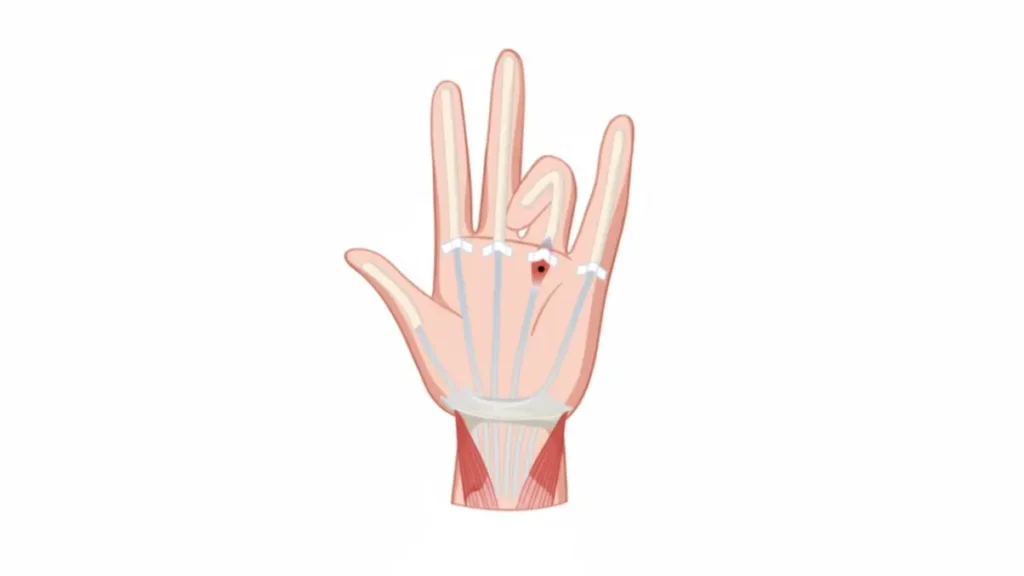
Mallet Finger Splint: Your Comprehensive Guide to Healing and Recovery As a fellowship-trained hand, wrist, and upper limb surgeon, Dr. Mohammad Ali provides expert insights into conditions like mallet finger. This guide offers authoritative, practical advice for patients seeking effective treatment and recovery in Dubai. A mallet finger splint is often the cornerstone of effective non-surgical treatment for a mallet finger injury. This condition occurs when the extensor tendon at the fingertip is damaged, preventing the finger from straightening properly. Understanding how to properly use and care for your splint is crucial for optimal healing and regaining full function. Understanding Mallet Finger: Injury and Search Intent Patients searching for “mallet finger splint” are typically experiencing a recent injury or seeking solutions for a persistent finger droop. Their primary intent is to understand what a mallet finger is, how it’s treated, and specifically, how a splint can help. They need clear, actionable information on diagnosis, splint types, application, care, and recovery timelines to make informed decisions about their treatment. This guide aims to address these critical questions, providing a comprehensive resource for effective healing. What is Mallet Finger? Understanding the Injury Mallet finger, also known as “baseball finger,” is a common injury where the extensor tendon at the very tip of the finger is damaged. This tendon is responsible for straightening the fingertip, and its injury results in the inability to actively straighten the distal interphalangeal (DIP) joint, leaving the fingertip bent. The injury can affect any finger, though it is most common in the dominant hand’s middle, ring, or little finger. Functionally, this means the end of your finger will droop and cannot be straightened without assistance. This can significantly impact daily activities, from typing to grasping objects. How Does a Mallet Finger Injury Occur? A mallet finger typically occurs when an object strikes the extended fingertip, forcing it to bend suddenly. This impact can cause the extensor tendon to stretch or tear where it attaches to the bone, or, in some cases, pull off a small piece of bone (an avulsion fracture) StatPearls – NCBI Bookshelf. Common scenarios include: Causes of Mallet Finger: Soft Tissue vs. Bony Mallet Understanding the underlying cause of your mallet finger is crucial for determining the most effective comprehensive mallet finger treatment in Dubai. Mallet finger injuries are broadly categorized into two types based on the extent of damage: Both types present with similar symptoms, but a bony mallet may sometimes require slightly different management or a longer splinting period due to the bone healing process. Recognizing Mallet Finger: Symptoms and Diagnosis Identifying mallet finger symptoms early is vital for prompt treatment and better outcomes. The most obvious symptom is the inability to straighten the tip of the affected finger NHS. Other common signs include: How Do Doctors Diagnose Mallet Fingers? Diagnosis typically involves a physical examination by a hand specialist like Dr. Mohammad Ali, a fellowship-trained hand surgeon. The doctor will assess your finger’s range of motion and tenderness. An X-ray is usually performed to confirm the diagnosis and distinguish between a soft tissue injury and a bony mallet injury Summit Orthopaedics. The X-ray helps to rule out other finger injuries, such as fractures, and to see if a bone fragment has been pulled away. The Role of a Mallet Finger Splint: Why It’s Crucial for Healing The primary treatment for most mallet finger injuries is non-surgical, involving the continuous use of a mallet finger splint. The goal of splinting is to hold the DIP joint in extension (straight) to allow the torn or stretched tendon ends to heal together without tension Rothman Orthopaedics. Without proper splinting, the tendon may heal in a lengthened position, leading to a permanent droop of the fingertip. This can result in chronic pain, stiffness, and functional limitations. Continuous splinting ensures the tendon is in the optimal position for repair. Why is Continuous Splinting So Important? The extensor tendon is delicate and requires constant support to heal correctly. Even a momentary bend in the fingertip can re-tear the healing tendon, effectively restarting the entire healing process NHS. This is why strict adherence to continuous splint wear is non-negotiable for the prescribed duration. Types of Mallet Finger Splints: Choosing the Right Support Several types of mallet finger splints are available, each designed to immobilize the DIP joint while allowing movement of the middle joint (PIP joint). The choice of splint often depends on the individual’s injury, comfort, and activity level. Your hand specialist will recommend the most appropriate understanding of effective splinting techniques for your specific needs. Here are common types of mallet finger splints: What Kind of Splint Do You Use for Mallet Fingers? The specific kind of splint used for mallet finger varies based on the individual’s anatomy, the severity of the injury, and the preference of the treating physician or hand therapist. While off-the-shelf options like Stack or aluminum foam splints are common, custom-molded thermoplastic splints often provide the best fit and support, reducing the risk of skin irritation and ensuring optimal healing. How to Properly Apply and Wear Your Mallet Finger Splint Correct application and continuous wear of your mallet finger splint are paramount for successful healing. Improper application can lead to skin irritation, discomfort, or, more critically, failure of the tendon to heal correctly. Always follow your doctor’s specific instructions. Step-by-Step Splint Application While specific splints may have slight variations, the general principle remains the same: If you experience pain, numbness, or discoloration, the splint may be too tight or incorrectly applied. Contact your specialist immediately. Living with a Mallet Finger Splint: Practical Tips for Daily Life Wearing a mallet finger splint continuously for several weeks can be challenging, but with some practical adjustments, you can manage daily activities effectively. Consistency is key to avoiding re-injury. Tips for Daily Activities with a Splint Remember, the goal is to protect your healing finger at all costs. Any activity that risks bending the fingertip should be avoided. Splint Care and Hygiene: Keeping Your Finger Healthy
Carpal Tunnel Syndrome UAE: Your Guide to Expert Diagnosis & Treatment

Carpal Tunnel Syndrome UAE: Your Complete Guide to Diagnosis & Treatment Authored by Dr. Mohammad Ali, a Fellowship-Trained Hand, Wrist and Upper Limb Surgeon, this guide offers expert insights into carpal tunnel syndrome, drawing on extensive experience in orthopedic surgery in Dubai. Experiencing persistent hand pain or numbness in thumb index middle finger? Carpal tunnel syndrome UAE is a common condition affecting many residents. This comprehensive guide helps you understand symptoms, causes, and the best available diagnosis and treatment options to regain comfort and function. We aim to provide clear, actionable insights for those seeking relief and long-term solutions in the region. Addressing Your Needs: What to Expect from Carpal Tunnel Syndrome UAE Treatment When searching for “carpal tunnel syndrome UAE,” you’re likely seeking clear answers, reliable diagnoses, and effective treatment pathways available in the region. Patients often want to understand their symptoms, know if surgery is necessary, and find qualified specialists. This guide is designed to address these core concerns, providing a comprehensive overview of the condition, from initial symptoms and diagnostic procedures to a full spectrum of non-surgical and surgical interventions. Our goal is to empower you with the knowledge needed to make informed decisions about your hand health and connect you with expert care in Dubai and across the UAE. What is Carpal Tunnel Syndrome? Understanding the Basics Carpal tunnel syndrome (CTS) is a condition that causes pain, numbness, and tingling in the hand and arm. It occurs when the median nerve, which runs from the forearm into the palm of the hand, becomes compressed or squeezed at the wrist. The carpal tunnel itself is a narrow passageway located on the palm side of your wrist. It is formed by bones and ligaments, protecting the median nerve and nine tendons that flex your fingers. When this space narrows, or tissues around the tendons swell, it can put pressure on the median nerve. Symptoms of Carpal Tunnel Syndrome Recognizing the symptoms early is key to effective treatment for carpal tunnel syndrome UAE. They usually start gradually and can worsen over time. If you experience these symptoms, especially persistent numbness in thumb index middle finger, seeking medical advice is important. Early intervention can prevent long-term damage. Common Causes and Risk Factors The exact cause of carpal tunnel syndrome is often unknown, but several factors can contribute to its development. Understanding these factors can help in prevention and management. For comprehensive hand health, consider exploring resources on how to prevent trigger finger, as repetitive strain can impact various hand conditions. Diagnosing Carpal Tunnel Syndrome in the UAE Accurate diagnosis is crucial for effective treatment of carpal tunnel syndrome UAE. Hand specialists in the region utilize a combination of clinical evaluation and diagnostic tests to confirm the condition. Physical Examination and Medical History Your doctor will start by taking a detailed medical history, asking about your symptoms, their duration, and any aggravating factors. A physical examination will involve testing sensation in your fingers and strength in your hand and wrist. Nerve Conduction Studies and Electromyography (EMG) These are the most definitive tests to confirm carpal tunnel syndrome and assess the severity of nerve compression. Imaging Tests (Ultrasound, MRI) While not always necessary, imaging tests can provide additional information, especially if other conditions are suspected or if surgery is being considered. Non-Surgical Treatment Options for Carpal Tunnel Syndrome in the UAE For mild to moderate cases of carpal tunnel syndrome UAE, non-surgical approaches are often the first line of treatment. These aim to reduce pressure on the median nerve and alleviate symptoms. Wrist Splinting and Bracing Wearing a wrist splint, especially at night, helps keep the wrist in a neutral position, reducing pressure on the median nerve. This can significantly reduce nocturnal numbness in thumb index middle finger and pain. Many pharmacies and medical supply stores across the UAE offer a variety of splints. For example, specialized wrist braces can be found through retailers like Ubuy, which offers options for carpal tunnel support. Medications (NSAIDs, Corticosteroids) Over-the-counter non-steroidal anti-inflammatory drugs (NSAIDs) like ibuprofen can help relieve pain and inflammation. In some cases, your doctor might prescribe stronger oral corticosteroids for a short period to reduce swelling. Physical and Occupational Therapy A physical or occupational therapist can teach you exercises to strengthen your wrist and hand muscles, improve nerve gliding, and modify daily activities to reduce strain on your wrist. This is often a critical component of non-surgical management. Corticosteroid Injections Your doctor may inject a corticosteroid directly into the carpal tunnel. This powerful anti-inflammatory medication can provide temporary relief by reducing swelling around the median nerve. The effects can last from several weeks to several months. Lifestyle Modifications Making ergonomic adjustments at work and home can significantly help. This includes: Carpal Tunnel Release Surgery in the UAE: When is it Needed? If non-surgical treatments don’t provide sufficient relief, or if nerve damage is significant, carpal tunnel release surgery is often recommended. This procedure aims to relieve pressure on the median nerve by cutting the transverse carpal ligament. Types of Carpal Tunnel Surgery (Open vs. Endoscopic) There are two primary surgical techniques for carpal tunnel release, both performed in the UAE. Surgical Type Description Pros Cons Open Carpal Tunnel Release A small incision (typically 2-3 cm) is made in the palm of the hand. The surgeon directly visualizes and cuts the transverse carpal ligament. Direct visualization, widely available, lower risk of nerve damage in some complex cases. Larger incision, potentially longer recovery for scar tenderness, more visible scar. Endoscopic Carpal Tunnel Release One or two smaller incisions (less than 1 cm) are made. A tiny camera (endoscope) is inserted to guide the surgeon in cutting the ligament. Smaller incisions, potentially faster initial recovery and less post-operative pain, less visible scarring. Requires specialized equipment and training, slightly higher risk of incomplete release or nerve injury in less experienced hands. What to Expect Before, During, and After Surgery Preparing for carpal tunnel surgery in the UAE involves a thorough consultation with your hand surgeon,
Treatment for ligament instability in athletes: Expert Care in Dubai
Comprehensive treatment for ligament instability in athletes For athletes facing ligament injuries, effective treatment for ligament instability in athletes is paramount for a successful return to sport. Lingering instability can hinder performance, but with accurate diagnosis and a personalized plan, full recovery is achievable. This guide explores various treatment options, from conservative methods to advanced surgical techniques and rehabilitation strategies, ensuring athletes in Dubai and the UAE can make informed decisions about their care and regain their competitive edge. Understanding Your Search: Seeking Solutions for Ligament Instability When searching for “treatment for ligament instability in athletes,” you’re likely looking for comprehensive information on how to address a sports-related ligament injury, understand available treatment options, and find pathways to recovery. This article aims to provide athletes in Dubai and the UAE with a clear guide, from initial diagnosis to advanced rehabilitation, ensuring you can make informed decisions about your care and return to your sport safely and effectively. Our goal is to empower you with knowledge about both conservative and surgical approaches, emphasizing personalized care for optimal outcomes. What Exactly is Ligament Instability in Athletes? Ligaments are tough, fibrous bands of connective tissue that connect bones to other bones, providing vital stability to our joints. In athletes, these structures are frequently subjected to high forces and repetitive stress, making them susceptible to injury. When a ligament is stretched or torn, it can lead to joint laxity or instability. This instability means the joint moves beyond its normal range, compromising its ability to function correctly and increasing the risk of further injury. Understanding the specific ligament affected and the degree of injury is the first step in determining the most effective treatment for ligament instability in athletes. What causes ligament instability? Ligament instability most commonly arises from acute trauma, such as a sudden twist, fall, or direct impact during sports activities. Common scenarios include: Overuse or chronic microtrauma can also weaken ligaments over time, leading to gradual instability. Genetic factors or certain connective tissue disorders can predispose some individuals to ligamentous laxity, making them more prone to instability even without significant trauma. Understanding the Grades of Ligament Injuries in Athletes (Severity and Implications) Ligament injuries, commonly known as sprains, are classified into three grades based on their severity. This grading system guides the management of ligament instability in athletes and predicts recovery timelines. Initial Treatment Approaches for Ligament Instability: The R.I.C.E. Protocol and Beyond For immediate self-care following a ligament injury, especially for Grade I and II sprains, the R.I.C.E. approach is a fundamental first line of defense. You can find a comprehensive overview of sprain diagnosis and treatment, including the R.I.C.E. protocol, from authoritative sources like the Mayo Clinic. The R.I.C.E. protocol involves: Beyond R.I.C.E., over-the-counter pain medications like ibuprofen or acetaminophen can help manage pain and inflammation. Early consultation with a specialist, such as an orthopedic doctor in Dubai, is recommended to accurately diagnose the injury and establish a comprehensive treatment plan. When is Non-Surgical Treatment for Ligament Instability in Athletes Effective? Non-surgical approaches are highly effective for many ligament injuries, particularly Grade I and II sprains, and even some Grade III ankle ligament ruptures. The goal is to promote healing, restore stability, and prevent chronic instability. Key components of effective non-surgical treatment for ligament instability in athletes include: Many athletes can achieve full recovery and return to their sport with a well-structured non-surgical plan. The effectiveness hinges on adherence to the rehabilitation program and careful progression. Advanced Non-Surgical Treatments: Injections and Regenerative Therapies for Athletes For athletes seeking to accelerate healing or manage persistent symptoms, advanced non-surgical options are increasingly being explored. These therapies aim to enhance the body’s natural healing capabilities. How do you stabilize a loose ligament? Stabilizing a loose ligament often involves a combination of these advanced treatments alongside targeted rehabilitation. These therapies aim to strengthen the existing ligament tissue or stimulate new tissue growth, thereby improving joint stability and function. What is the new treatment for ligament repair? Regenerative medicine, including Platelet-Rich Plasma (PRP) and other biologic injections, represents a growing area in managing ligament instability in athletes. Here’s a closer look: These advanced treatments are typically considered after conservative methods have been exhausted or for specific injury types where evidence supports their use. A thorough evaluation by a sports medicine specialist is essential to determine suitability. Surgical Interventions for Ligament Instability in Athletes: Repair vs. Reconstruction When conservative and advanced non-surgical treatments are insufficient, or for severe Grade III ligament ruptures, especially in high-performance athletes, surgical intervention becomes a necessary option for addressing ligament instability in athletes. What are the latest techniques for surgical ligament repair? Surgical Technique Description When It’s Used Considerations for Athletes Ligament Repair Directly stitching the torn ends of the ligament back together. Often for acute tears, particularly in ligaments with good healing potential like the Medial Collateral Ligament (MCL). Preserves native tissue; faster initial recovery than reconstruction in some cases, but may not be suitable for severely retracted tears or chronic instability. Ligament Reconstruction Replacing the torn ligament with a graft, either from the patient’s own body (autograft) or from a donor (allograft). For complete ruptures (Grade III), chronic instability, or when direct repair is not feasible (e.g., ACL tears). Provides robust stability; autografts are generally preferred for younger, active athletes due to lower graft failure rates. For injuries like an ACL tear, reconstruction is often performed, with options including patellar tendon, hamstring, or quadriceps tendon autografts. Recent advancements include combined techniques like Anterolateral Ligament (ALL) reconstruction or Lateral Extra-articular Tenodesis (LET) alongside ACL reconstruction to enhance rotational stability and reduce re-rupture rates, particularly in young athletes with high-grade instability. For more specific upper limb procedures, our clinic offers expertise in collateral ligaments repair and carpal ligaments repair. The Critical Role of Physical Therapy in Recovering from Ligament Instability Physical therapy is not merely a supportive measure; it is a fundamental and active component of managing this condition in athletes. Its importance cannot be overstated, whether following conservative management or post-surgery. A structured
Mallet Finger Treatment in Dubai: Expert Care from Dr. Mohammad Ali

Comprehensive Mallet Finger Treatment in Dubai with Dr. Mohammad Ali As a Fellowship-Trained Hand, Wrist and Upper Limb Surgeon, Dr. Mohammad Ali brings extensive experience to providing exceptional orthopedic care in Dubai. Our commitment is to restore your hand function and improve your quality of life. Regaining full function after a finger injury is crucial for daily life. When it comes to effective mallet finger treatment in Dubai, understanding your options and choosing the right specialist is paramount for optimal recovery and long-term results. We offer tailored care for this common condition. What Exactly is Mallet Finger and How Does It Occur? Mallet finger, also known as “baseball finger,” occurs when the extensor tendon at the end of your finger is damaged. This tendon is responsible for straightening your fingertip. When it’s injured, the tip of the affected finger droops and cannot be straightened actively. The injury typically happens when an object forcefully strikes the extended fingertip, causing the tendon to stretch or tear away from the bone. This can happen during sports, everyday accidents, or even simple tasks. Common Causes of Mallet Finger Injury Recognizing the Signs: Mallet Finger Symptoms to Watch For Identifying mallet finger early is crucial for effective treatment. The most noticeable symptom is the inability to straighten the end joint of the finger (distal interphalangeal joint). This creates a characteristic drooping appearance. Patients often report immediate pain and swelling at the site of the injury. Bruising may also be present, and the finger might feel tender to the touch. It’s important to distinguish this from other finger injuries. What are the Immediate Symptoms After a Finger Injury? Accurate Diagnosis: How Mallet Finger is Identified in Dubai A precise diagnosis is the foundation of successful mallet finger treatment in Dubai. Dr. Mohammad Ali will perform a thorough physical examination, assessing the range of motion and tenderness of your injured finger. We look for the classic “droop” of the fingertip. An X-ray is typically ordered to confirm the diagnosis and rule out any associated bone fractures, especially an avulsion fracture where a small piece of bone is pulled away by the tendon. This imaging helps us determine the best course of action for your hand specialist in Dubai. Why is an X-ray Important for Mallet Finger? Non-Surgical Mallet Finger Treatment Options in Dubai: Splinting and Beyond For most mallet finger injuries, non-surgical treatment is highly effective, especially when started promptly. The cornerstone of non-surgical care is continuous splinting of the affected finger. This keeps the fingertip straight, allowing the torn tendon to heal. Dr. Mohammad Ali emphasizes the critical importance of consistent splint wear. The splint must be worn 24/7 for 6 to 8 weeks, only removed for cleaning, and even then, the finger must be kept straight. Our clinic provides various types of splints, including custom-made options for optimal fit and comfort. Types of Splints Used for Mallet Finger Choosing the right splint is a key part of effective mallet finger treatment in Dubai. We offer several options tailored to patient needs. Understanding the Splinting Protocol: What to Expect The success of non-surgical treatment hinges on strict adherence to the splinting protocol. Any bending of the fingertip, even for a moment, can disrupt the healing process and prolong recovery. Patients will receive detailed instructions on how to manage their splint and maintain proper finger position. After the initial 6-8 weeks, the splint may be gradually weaned, often worn only at night or during activities where re-injury is possible. Regular follow-up appointments with Dr. Mohammad Ali, Hand Surgeon, are vital to monitor progress and adjust the treatment plan. When is Surgery Needed for Mallet Finger? Understanding Surgical Interventions While most mallet finger cases respond well to conservative splinting, certain situations necessitate surgical intervention. Surgery is typically considered for more complex or severe injuries where non-surgical methods are unlikely to yield satisfactory results. This ensures the best possible mallet finger treatment in Dubai for challenging cases. Dr. Mohammad Ali will carefully evaluate your specific injury to determine if surgery is the most appropriate course of action. This decision is always made in consultation with the patient, considering their lifestyle and recovery goals. Indications for Mallet Finger Surgery The Mallet Finger Surgical Procedure: What to Expect in Dubai If surgery is required, Dr. Mohammad Ali employs advanced techniques to repair the damaged tendon or stabilize the joint. The goal of surgery is to restore the proper alignment and function of the fingertip. This is a specialized aspect of advanced hand surgical procedures. The procedure is usually performed on an outpatient basis. Patients will receive detailed pre- and post-operative instructions to ensure a smooth recovery. Our team is dedicated to guiding you through every step of your patient journey. Common Surgical Techniques for Mallet Finger Recovery and Rehabilitation: Life After Mallet Finger Treatment Whether your mallet finger treatment in Dubai involves splinting or surgery, rehabilitation is a critical component of achieving a full recovery. The healing process requires patience and adherence to your personalized rehabilitation plan. Our focus is on restoring strength and range of motion. After the initial healing phase, which can vary, supervised physiotherapy will begin. This focuses on gentle exercises to regain flexibility and strength in the finger, without compromising the healed tendon. Practical Advice for Daily Living During Mallet Finger Recovery Living with a splint or recovering from surgery can present daily challenges. Here are some tips: Rehabilitation Exercises After Mallet Finger Treatment Under the guidance of your therapist and Dr. Mohammad Ali, you will learn specific exercises to restore function. These gradually increase in intensity. Choosing the Right Specialist for Mallet Finger Treatment in Dubai When seeking mallet finger treatment in Dubai, selecting an experienced and dedicated hand specialist is crucial. Dr. Mohammad Ali is a Fellowship-Trained Hand, Wrist and Upper Limb Surgeon with a proven track record in diagnosing and treating complex hand injuries, including mallet finger. Our clinic emphasizes patient-centered care and utilizes the latest techniques. We pride ourselves on providing comprehensive care, from accurate diagnosis
Essential Vitamins for Trigger Finger | Natural Relief Guide
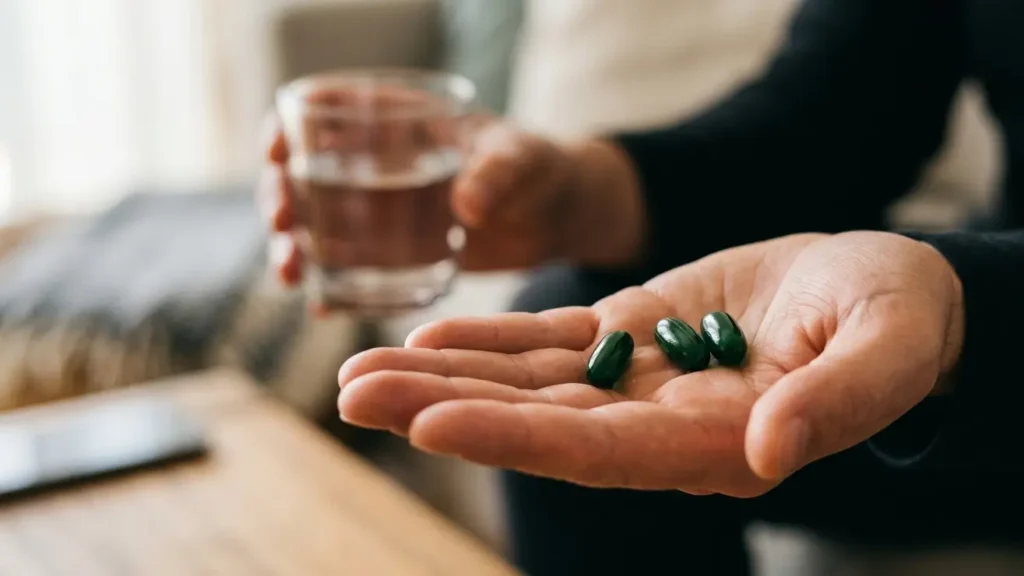
Living in a fast-paced city like Dubai means your hands are constantly in motion, whether you’re typing in a high-rise office in DIFC, driving through the city, or enjoying a round of golf. But when a finger suddenly catches, clicks, or locks in a painful position, even the simplest daily tasks become a struggle. This condition, medically known as stenosing tenosynovitis, is widely recognized as trigger finger. While many people seek immediate medical intervention, many are now asking: Are there vitamins for trigger finger that can help the healing process? Understanding how nutrition impacts your tendons is a vital step toward long-term recovery. In this comprehensive guide, we will explore the best medicine for trigger finger, the role of specific supplements, and how to find a permanent cure. What is Trigger Finger?? Trigger finger occurs when the tunnel (sheath) that your tendon slides through becomes inflamed or thickened. This narrows the space, causing the tendon to “catch” or “snap” like a trigger being pulled. For residents in Dubai, the combination of high-repetition tech use and certain metabolic factors can increase the risk. You might notice: A painful snapping sensation when bending or straightening the finger. Stiffness, especially in the morning. A tender lump (nodule) at the base of the finger on the palm side. The finger is locked in a bent position. What is the Root Cause of Trigger Finger? To find a treatment for trigger finger, we must first look at what causes it. While repetitive gripping or forceful use of the hand is often the primary culprit, the “root cause” is frequently a combination of mechanical strain and internal inflammation. Common factors include: Repetitive Strain: Frequent use of tools, smartphones, or musical instruments. Health Conditions: Diabetes and rheumatoid arthritis are significantly linked to tendon thickening. Gender and Age: It is more common in women and individuals between the ages of 40 and 60. Read also about Mallet Finger vs Trigger Finger and The Most important differences. What Deficiency Causes Trigger Fingers? Is there a specific trigger finger deficiency? While no single lack of a vitamin creates the condition, nutritional gaps can prevent your tendons from repairing themselves. Inflammation is the enemy of tendon health, and a body lacking in anti-inflammatory micronutrients is more susceptible to chronic triggering. Research suggests that deficiencies in the B-complex family, particularly B6, and Vitamin D can exacerbate musculoskeletal stiffness and nerve sensitivity in the hand. Best Vitamins for Trigger Finger: Supporting Tendon Health When considering how to heal my trigger finger naturally, focusing on specific nutrients can reduce the inflammation of the A1 pulley (the sheath) and improve tendon gliding. Vitamin B6 (Pyridoxine)Vitamin B6 is often cited as a good vitamin for trigger finger because of its role in reducing joint swelling and supporting nerve health. Historically, B6 has been used to treat various repetitive strain injuries, including Carpal Tunnel Syndrome. Vitamin D: The “Sunlight Vitamin” in DubaiDespite the abundant sunshine in the UAE, Vitamin D deficiency is surprisingly common. Can a lack of vitamin D cause stiff fingers? Yes. Vitamin D is crucial for muscle and bone function. A deficiency can lead to increased pain sensitivity and general joint stiffness, making trigger finger symptoms feel much worse. Vitamin B12Vitamin B12 helps maintain the myelin sheath that protects nerves. If your trigger finger is accompanied by tingling or numbness, B12 may be an essential part of your supplement regimen. Vitamin CAs a powerhouse for collagen synthesis, Vitamin C is vital for repairing the connective tissues that make up your tendons. Read also about Trigger Finger Ayurvedic Treatment and How to Get Natural Relief & Healing. Is There a Supplement for Trigger Finger? Beyond standard vitamins, certain supplements are known for their potent anti-inflammatory properties: Magnesium: Many patients ask, “Can magnesium help trigger fingers?“ The answer is yes. Magnesium acts as a natural muscle relaxant and can help reduce the tension in the hand muscles that pull on the tendons. Omega-3 Fatty Acids: Found in fish oil, these are excellent for systemic inflammation. Bromelain: An enzyme found in pineapples that helps reduce tissue swelling. Turmeric/Curcumin: A natural alternative to ibuprofen that targets the inflammation within the tendon sheath. Treatment for Trigger Finger: From Home Care to Clinical Solutions If you are looking for a treatment for trigger finger, it is best to use a multi-layered approach. Splint for Trigger FingerA splint for trigger finger is often the first line of defense. By wearing a splint at night, you keep the finger in an extended position, which prevents the tendon from bunching up and allows the inflammation to subside while you sleep. Trigger Finger ExercisesGentle stretching can help maintain mobility. Trigger finger exercises should focus on: Extensor Stretches: Gently pulling the affected finger back toward the wrist. Tendon Glides: Slowly moving the hand through various fist positions to ensure the tendon moves smoothly through the sheath. Can You Fix Trigger Finger in 5 Minutes? While there is no “instant” permanent fix, you can often “unlock” a finger temporarily through gentle massage and warm water soaking. However, to fix trigger finger permanently, you must address the underlying inflammation through professional care. Read more about Trigger Finger Treatment and the Non-Surgical & Surgical Options. Lifestyle Modifications for Long-Term Relief Healing isn’t just about what you take; it’s about what you do. Ergonomic Adjustments: Use larger grips on pens and tools to reduce the force required to hold them. Rest: Avoid activities that require repetitive gripping for at least 3-4 weeks. Hydration: Tendons are mostly water; staying hydrated in the Dubai heat is essential for tissue elasticity. Expert Orthopedic Care in Dubai: Dr. Mohamed Ali While vitamins and home remedies provide excellent support, chronic or severe locking requires the expertise of a specialist. Dr. Mohamed Ali is a renowned name in Dubai for orthopedic excellence, offering cutting-edge solutions for hand and tendon disorders. Whether you need a specialized injection to reduce swelling or a minimally invasive procedure to cure trigger finger permanently, Dr. Mohamed Ali provides a
Top hand specialist in Dubai for hand surgeries & treatments
Our hands are among the most intricate and essential tools we possess. From the delicate precision required to type a message to the strength needed to carry groceries, we rely on the 27 bones, numerous joints, and complex network of tendons and nerves in each hand every single minute. When pain or injury strikes, finding a qualified hand specialist in Dubai becomes a priority to restore function and quality of life. Hand surgery is a specialized field that bridges the gap between orthopedics and plastic surgery. Because the hand is composed of such small, densely packed structures, a hand doctor in Dubai must possess extreme precision and a deep understanding of microsurgery. Surgical intervention is often reserved for cases where conservative treatments, such as physical therapy, splinting, or injections, have failed to provide relief or where structural damage requires immediate repair. What is Hand Surgery? Hand surgery encompasses a wide range of procedures designed to restore the function and appearance of the hand, wrist, and forearm. A hand surgeon is trained to treat everything from skin grafts and nerve repairs to complex bone reconstructions. In many cases, the goal of a hand operation is twofold: to eliminate chronic pain and to regain the range of motion necessary for daily activities. Modern techniques, including minimally invasive arthroscopy, allow a hand surgeon specialist to perform repairs through tiny incisions, leading to faster recovery times and less scarring. What are the Most Common Hand Surgeries? If you are seeking a hand surgeon Dubai residents trust, you are likely dealing with one of several common conditions. While many issues are managed non-surgically, the following procedures are frequently performed in specialized orthopedic clinics: Carpal Tunnel Release: This involves cutting the ligament that is pressing on the median nerve to relieve numbness and pain. Trigger Finger Release: A procedure to widen the tendon sheath so the finger can move smoothly without catching or locking. Tendon Repair: Essential after a laceration or rupture to restore the ability to bend or straighten the fingers. Nerve Repair: Microscopic surgery to reconnect damaged nerves, which is vital for restoring sensation and movement. Joint Replacement (Arthroplasty): Often performed for severe thumb or finger arthritis to replace worn-out joints with artificial implants. Fracture Fixation: Using wires, screws, or plates to stabilize broken bones in the hand or wrist. Explore more about surgeries and treatment offered and clients reviews about it through Dr Mohamed Ali website. What Symptoms Suggest You May Need Hand Surgery? Not every hand ache requires a surgical doctor. However, certain “red flag” symptoms indicate that you should consult a bone doctor Dubai experts recommend for a surgical evaluation: Persistent Numbness or Tingling: If you wake up with “pins and needles” that don’t go away, it may indicate nerve compression. Loss of Grip Strength: Difficulty opening jars or dropping objects frequently can signal underlying muscle or nerve issues. Visible Deformity: Fingers that stay bent (Dupuytren’s contracture) or joints that appear misaligned. Chronic Swelling and Pain: Pain that persists for weeks despite rest and anti-inflammatory medication. Inability to Move a Finger: This often indicates a ruptured tendon or a displaced fracture. Related Diagnosed Conditions Treated Through Hand Surgery A hand specialist in Dubai treats a variety of clinical diagnoses. Understanding these conditions helps in preparing for a consultation: Dupuytren’s Contracture: A condition where the tissue under the skin of the palm thickens and shortens, pulling the fingers toward the palm. Rheumatoid Arthritis: An autoimmune disease that can cause severe joint destruction and deformity in the hands. De Quervain’s Tenosynovitis: Painful inflammation of the tendons on the thumb side of the wrist. Ganglion Cysts: Noncancerous lumps that most commonly develop along the tendons or joints of your wrists or hands. Congenital Abnormalities: Issues present from birth, such as webbed fingers (syndactyly) or extra digits. How Long Does Recovery Take After Hand or Wrist Surgery? Recovery is a journey that varies significantly based on the type of hand operation performed. Minor Procedures: For something like a simple trigger finger release, you may regain basic function within 1–2 weeks. Complex Reconstructions: Nerve repairs or joint replacements may require 3 to 6 months for full recovery. Initial Healing: Stitches are typically removed after 10 to 14 days. During this time, keeping the hand elevated is crucial to reduce swelling. Your best orthopedic surgeon in Dubai will provide a personalized timeline, but generally, patience is required as the delicate tissues of the hand heal slower than larger muscle groups. Read also about trigger finger treatment: non-surgical & surgical options. Will I Need Therapy After the Procedure? Almost certainly. Post-operative hand therapy is just as important as the surgery itself. Specialized hand therapists work closely with your hand doctor in Dubai to: Prevent scar tissue from “gluing” tendons together. Increase range of motion through guided exercises. Design custom splints to protect the surgical site while it heals. Provide desensitization techniques for repaired nerves. Without dedicated therapy, even a perfectly performed surgery may result in stiffness. Factors that Determine the Best Hand Specialist in Dubai Choosing a surgeon is a significant decision. When searching for the best hand surgeon in Dubai, consider these criteria: Board Certification & Fellowship Training: Ensure the doctor has completed a specific fellowship in hand and upper extremity surgery. Surgical Volume: Ask how many times they have performed your specific procedure. High volume usually equates to better outcomes. Hospital Affiliation: The quality of the facility, such as leading clinics in Dubai, ensures access to the latest imaging and surgical technology. Patient Reviews: Look for testimonials regarding the doctor’s bedside manner and the success of the recovery process. Who is the Best Hand Specialist in Dubai? While Dubai is home to many talented medical professionals, patients often look for a surgeon who combines international expertise with a deep understanding of the local healthcare landscape. A best orthopedic surgeon in Dubai is one who prioritizes conservative care first but possesses the mastery of microsurgery when intervention is required. What Makes Dr. Mohamed Ali the Best
Dr. Mohamed Ali The Best Hand Surgeon in Dubai
Hand and wrist pain can be more than just a minor inconvenience; it can be a barrier to your career, your hobbies, and your quality of life. Whether you are dealing with the persistent clicking of a trigger finger, the numbness of carpal tunnel syndrome, or a sudden fracture from a weekend football match, finding the best hand surgeon Dubai is the first step toward reclaiming your mobility. The hands are among the most intricate structures in the human body, composed of a delicate balance of bones, tendons, nerves, and ligaments. When things go wrong, you need more than just general medical advice, you need the precision of a specialist. This guide explores the landscape of hand surgery in the UAE, helps you identify critical symptoms, and introduces you to world-class care designed to get you back to your best. What is Hand Surgery? Hand surgery is a specialized field of medicine focused on treating conditions that affect the hand, wrist, and forearm. Because the hand requires both extreme strength for gripping and incredible finesse for fine motor skills, surgery in this area is highly technical. Best hand surgeon Dubai typically undergoes years of additional training beyond general orthopedics or plastic surgery to master the micro-surgical techniques required to repair tiny nerves and blood vessels. Hand surgery isn’t always about “major” operations; it encompasses everything from minimally invasive endoscopic procedures to complex reconstructive surgery following trauma. Common Hand Surgeries in Dubai Dubai has become a global hub for medical excellence, attracting top-tier talent. Patients seeking hand surgery in Dubai often present with a variety of conditions that require surgical intervention: Carpal Tunnel Release: Relieving pressure on the median nerve to stop numbness and pain by carpal ligament repair. Trigger Finger Release: Correcting the “locking” sensation in fingers caused by tendon sheath inflammation. Tendon and Nerve Repair: Critical for restoring function after deep cuts or crush injuries. Wrist Arthroscopy: Using tiny cameras to diagnose and treat chronic wrist pain or ligament tears. Ganglion Cyst Removal: Addressing painful or unsightly fluid-filled lumps. Dupuytren’s Contracture Treatment: Breaking up the thickened tissue that causes fingers to curl inward. Hand & Wrist Symptoms You Need to Address Many people ignore hand pain, hoping it will simply “go away.” However, early intervention is often the difference between a simple office procedure and a complex surgery. If you experience the following, it is time to consult the best hand surgeon Dubai: Persistent Numbness or Tingling: Often felt in the thumb, index, and middle fingers, this is a classic sign of nerve compression. Loss of Grip Strength: If you find yourself dropping items or struggling to open jars, your muscles may be losing their nerve supply. Visible Deformity or Swelling: Chronic swelling in the wrist or “bumps” on the joints can indicate arthritis or cysts. Clicking or Catching: If your finger gets stuck in a bent position and “pops” straight, you likely have trigger finger. Night Pain: Waking up because your hands feel “asleep” or painful is a significant indicator of carpal tunnel syndrome. If you are experiencing any of these symptoms, don’t wait. Contact us now and don’t wait until your condition worsens. When Surgery Is Recommended A common misconception is that visiting an orthopedic surgeon always leads to the operating table. In reality, the best hand surgeon in Dubai will prioritize conservative treatments first. Non-Surgical Paths Corticosteroid Injections: Highly effective for reducing inflammation in trigger finger or carpal tunnel. Physical and Occupational Therapy: Custom splinting and exercises to strengthen the hand without surgery. Activity Modification: Identifying the ergonomic stressors in your daily life. When Surgery becomes Necessary Surgery is usually recommended when: Conservative treatments have failed after 3-6 months. There is a risk of permanent nerve damage. The injury is acute, such as a complex fracture or a severed tendon. Quality of life is severely diminished due to chronic pain. Read also about trigger finger surgery and how it restores smooth, pain-free movement. Expert Diagnosis and Treatment for Hand & Wrist Conditions The diagnostic process is where expertise truly shines. When you visit best hand surgeon Dubai, your consultation should involve: Clinical Examination: Testing sensation, strength, and range of motion. Imaging: Utilizing high-resolution Ultrasound, X-ray, or MRI to see beneath the skin. Electromyography (EMG): Nerve conduction studies to pinpoint exactly where a nerve is being pinched. Accurate diagnosis ensures that the treatment plan is tailored to your specific anatomy and lifestyle, whether you are an office professional or a professional athlete. Advanced Surgical & Minimally Invasive Solutions Modern technology has revolutionized hand surgery in Dubai. We have moved away from large incisions toward “keyhole” or minimally invasive techniques. Endoscopic Carpal Tunnel Release: This involves a tiny incision (often less than a centimeter), resulting in less post-operative pain and a faster return to work. Wide Awake Hand Surgery (WALANT): This innovative approach uses local anesthesia only, allowing the patient to remain awake and move their fingers during the procedure. This helps the surgeon check the repair in real-time. Laser Therapy and Micro-Sutures: Used for delicate nerve repairs to ensure the best possible neurological recovery. Recovery & Rehabilitation: The Path Back to Function Surgery is only half the battle. The “healing” happens during recovery. A dedicated rehabilitation plan is essential for preventing stiffness and scar tissue build-up. Week 1-2: Focus on wound healing, elevation to reduce swelling, and very gentle range-of-motion exercises. Week 3-6: Strengthening begins. You may work with a specialized hand therapist to regain fine motor skills. Month 3+: Most patients return to full sports and heavy lifting, provided the tendons have matured sufficiently. As a sports injury doctor Dubai, I emphasize that athletes must not rush this process. Re-injury to a hand tendon can be much harder to fix the second time around. Read also about accurate finger plastic surgery in Dubai with Dr. Mohamed Ali. How to Choose the best hand surgeon Dubai Selecting the right doctor is a personal and medical decision. Here is what you should look for in the best hand