Undergoing orthopedic surgery is a significant step toward reclaiming your mobility and quality of life. Whether you have addressed a fracture, carpal tunnel syndrome, or a tendon repair, the recovery phase is just as critical as the procedure itself. One of the most common concerns patients face during this time is swelling after wrist surgery.
While post-operative edema is a natural part of the healing process, managing it correctly is essential to prevent stiffness and ensure a functional outcome. In this comprehensive guide, we will explore why swelling occurs, how long it lasts, and the professional strategies used by leading specialists to accelerate your recovery.
What is Post-Operative Swelling?
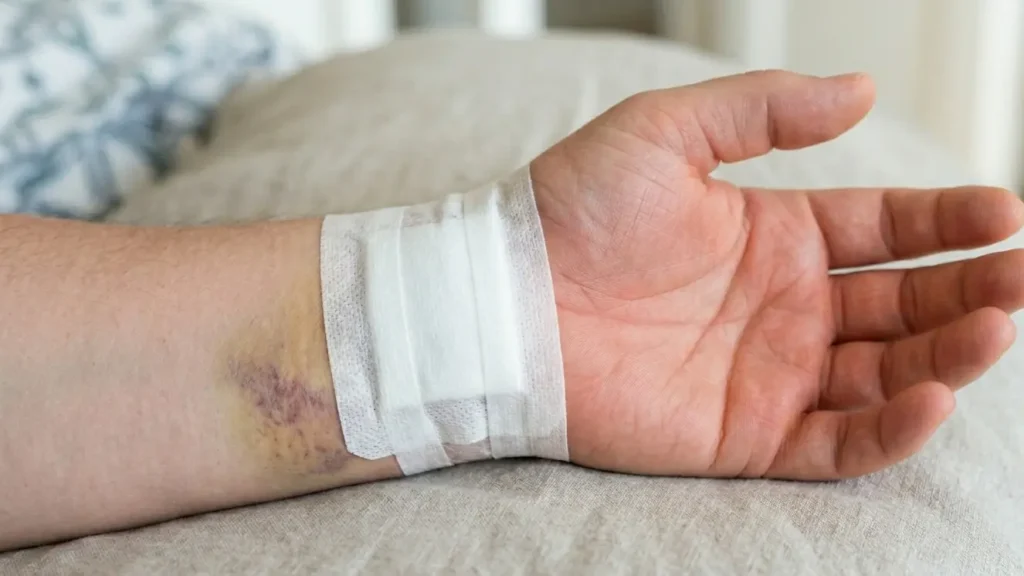
In the medical world, swelling is referred to as edema. It is the body’s natural response to the “trauma” of surgery. When an incision is made and tissues are manipulated, your immune system sends a surge of fluids, white blood cells, and nutrients to the site to begin the repair process.
This fluid accumulation serves as a protective cushion for the injured area, but if left unmanaged, it can increase pressure on nerves and restrict the movement of your fingers and wrist. Understanding that this is a biological necessity rather than a sign that something is “wrong” can help ease the anxiety many patients feel in the first few days.
Common Hand Surgeries
The hand and wrist are marvels of biological engineering, consisting of a complex network of small bones, ligaments, and tendons. Surgery in this region is often required for:
- Carpal Tunnel Release: To relieve pressure on the median nerve.
- Trigger Finger Release: To restore smooth movement to a “locking” finger.
- Distal Radius Fracture Fixation: Using plates and screws to reset a broken wrist.
- Ganglion Cyst Removal: Clearing out fluid-filled lumps that cause pain.
- Tendon Repairs: Restoring function after a traumatic laceration or rupture.
Regardless of the specific procedure, the delicate nature of hand anatomy means that even a minor intervention can result in noticeable hand swelling after wrist surgery.
Read also about wrist surgery and its types, procedures, and recovery guide.
Why Are My Fingers Swollen After Wrist Surgery?
It is often surprising to patients when they have surgery on their wrist, yet their fingers become stiff and look like “sausages.” This happens because of gravity and the interconnected nature of the hand’s circulatory system.
Fluid follows the path of least resistance. If your hand is hanging down by your side, inflammatory fluid pools in the lowest points, the fingertips. Additionally, the tight compartments of the hand mean that swelling in the wrist can compress the veins and lymphatic vessels that normally drain fluid from the fingers. This is why learning how to reduce finger swelling after wrist surgery is a top priority for hand therapists.
How Long Does Swelling Last After Hand Surgery?
One of the most frequent questions asked in clinical consultations is: Swelling after wrist surgery, how long will it stay? The timeline for recovery is generally broken down into three phases:
- The Acute Phase (Days 1–5): This is when swelling is at its peak. It is common to see bruising and feel a tight sensation.
- The Sub-Acute Phase (Weeks 1–6): Swelling gradually subsides but may fluctuate. You might find your hand still swollen 3 weeks after surgery if you have been too active or haven’t kept it elevated.
- The Chronic Phase (Months 3–6): Subtle, deep-tissue swelling can persist for several months, especially after complex reconstructions.
Read also about the top hand specialist in Dubai for hand surgeries & treatments.
How to Reduce Swelling After Hand Surgery
Effective edema management requires a proactive approach. Here are the gold-standard methods recommended by experts:
- Elevation is Non-Negotiable
To combat gravity, you must keep your hand “above the heart.” This means propping your arm up on pillows while sleeping and avoiding letting your arm hang at your side while walking. A common mistake is resting the hand on a table; for true elevation, the hand should be higher than the elbow, and the elbow higher than the heart. - Active Movement (The Muscle Pump)
Unless your surgeon has explicitly told you to remain immobilized, gently wiggling your fingers is vital. This activates the “muscle pump,” which manually pushes fluid back toward the heart. - Cold Therapy
Applying an ice pack for 15–20 minutes every few hours (with a cloth barrier to protect the skin) can constrict blood vessels and reduce the volume of fluid rushing to the area. - Compression
Depending on your specific case, a hand surgeon in Dubai might recommend a compression glove or a light elastic bandage. This provides external pressure to prevent fluid from settling in the tissues.

When Should I Worry About Swelling After Surgery?
While some discomfort is expected, certain symptoms require immediate medical attention. Watch for these “Red Flags”:
- A Burning Sensation after Hand Surgery: While some tingling is normal, intense, persistent burning can indicate nerve compression or Complex Regional Pain Syndrome (CRPS).
- Excessive Warmth and Redness: This may suggest a post-operative infection.
- Shortness of Breath: Though rare, any surgery carries a risk of blood clots.
- Sudden Increase in Pain: If pain is no longer controlled by prescribed medication.
What Should I Expect During My Hand Surgery Recovery Period?
Recovery is a marathon, not a sprint. In the first few weeks, you will likely visit a hand therapist who will help you manage your wrist surgery scar. Scar tissue can become thick and sensitive, but specialized massage techniques can keep the skin supple and prevent the scar from “sticking” to the underlying tendons.
You may also experience referred issues; for instance, it is not uncommon to seek advice on how to reduce swelling in hand after surgery, as the entire limb acts as a single functional unit.

What Should I Wear After Hand Surgery?
Practicality is key during the first 14 days. We recommend:
- Loose-fitting Clothing: Wide-sleeved shirts or button-downs that can easily fit over a bulky dressing or cast.
- Slip-on Shoes: Tying laces with one hand is a challenge you’ll want to avoid.
- Front-closure Bras: For women, reaching behind the back can put unnecessary strain on the wrist.
Read also about Dr. Mohamed Ali, the best hand surgeon in Dubai.
What Should I Avoid During My Hand Surgery Healing Process?
To prevent long-term problems after wrist surgery, avoid the following:
- Lifting Heavy Objects: Even a kettle or a heavy book can strain a fresh repair.
- Smoking: Nicotine constricts blood vessels and significantly delays bone and tissue healing.
- Submerging the Incision: Keep your dressing dry until the sutures are removed to prevent infection.
- Ignoring Stiffness: If you stop moving your fingers because of the swelling, they may “freeze,” leading to much longer recovery times.
Read also about wrist arthroscopy by Dr Mohamed Ali and what conditions it can treat.
Personalized Care for Better Outcomes
Every hand is unique, and every recovery journey requires a tailored touch. For residents in the UAE looking for specialized care, finding a dedicated expert is the first step toward a successful result.
Dr. Mohamed Ali specializes in advanced orthopedic and hand surgery, offering cutting-edge solutions for patients dealing with everything from trigger finger to complex wrist fractures. With a focus on minimally invasive techniques and personalized rehabilitation plans, Dr. Mohamed Ali ensures that patients in Dubai and the surrounding areas receive world-class treatment designed to minimize post-operative complications like chronic swelling and stiffness.
If you are experiencing persistent pain or are planning a future procedure, trust your mobility to a specialist who understands the intricate balance of hand function and aesthetics.
Contact Dr Mohamed Ali today and book your appointment.
FAQs about swelling after wrist surgery
How long should your hand be swollen after wrist surgery?
Most visible swelling subsides within 2 to 4 weeks. However, minor internal swelling can persist for 3 to 6 months as the deeper tissues continue to remodel and heal.
How to reduce swelling in wrist after surgery?
The “RICE” method is most effective: Rest, Ice, Compression, and especially Elevation. Keeping the wrist above the level of your heart is the fastest way to drain excess fluid.
What day is swelling the worst after surgery?
Typically, swelling and discomfort peak between Day 2 and Day 3 post-op. This is when the inflammatory response is at its most active before it begins to plateau.
Does drinking water help with post-op swelling?
Yes. It sounds counterintuitive, but staying well-hydrated helps your body flush out excess sodium and metabolic waste, which can actually help reduce fluid retention and edema.
What are the warning signs after wrist surgery?
You should contact your doctor if you notice foul-smelling discharge from the wound, a fever over 38°C, fingers that are turning blue or feel cold to the touch, or pain that is rapidly worsening despite rest.
Summary & Final Thoughts on swelling after wrist surgery
Navigating the journey of swelling after wrist surgery requires patience and the right medical guidance. By following a strict elevation protocol, staying hydrated, and engaging in gentle movement, you can significantly reduce your recovery time and avoid long-term problems after wrist surgery.
Remember, the goal of surgery is to return you to the activities you love. Whether you are seeking a consultation for a new injury or need help managing your post-operative progress, Dr. Mohamed Ali is committed to providing the expert care necessary for a full and functional recovery. Don’t let stiffness become a permanent part of your life, take the proactive steps today for a better tomorrow.