A sports injury can interrupt far more than your training schedule. It can affect your work, sleep, confidence, mobility, and the way you enjoy daily life. In Dubai, where people actively take part in football, padel, cycling, running, gym training, CrossFit, tennis, swimming, and martial arts, injuries can happen to both beginners and experienced athletes.
The good news is that most sports injuries can be treated successfully when they are assessed early and managed correctly. Effective sports injury management is not only about reducing pain for a few days. It is about understanding what tissue is injured, protecting it at the right time, restoring movement, rebuilding strength, preventing recurrence, and helping you return to activity safely.
That is why sports injury management should be structured, personalized, and guided by the right clinical assessment. Whether you are a weekend footballer, gym enthusiast, runner, padel player, cyclist, or professional athlete, knowing what to do after an injury can make a major difference to your recovery.
This guide explains what sports injuries are, why they happen, how they are diagnosed, what treatment may involve, and when you should seek specialist orthopaedic care in Dubai.
What Exactly Are Sports Injuries?
Sports injuries are injuries to muscles, bones, joints, ligaments, tendons, nerves, or soft tissues that happen during exercise, training, or athletic activity. Some injuries occur suddenly, such as when you twist your ankle during football, fall on your wrist while cycling, or feel a sharp pull in your hamstring during sprinting.
Other injuries develop gradually over time because of repeated strain, poor technique, inadequate recovery, or training too hard without allowing the body to adapt. This is why professional sports injury management must look beyond the pain and identify the real cause of the problem.
Sports injuries are generally divided into two main categories:
- Acute injuries: Sudden injuries caused by a fall, collision, twist, direct impact, or sudden overload.
- Overuse injuries: Gradual injuries caused by repeated stress on the same tissue without enough recovery time.
The first step in sports injury management is identifying whether the injury is acute, overuse-related, mild, moderate, or serious. This matters because an ankle sprain, wrist fracture, tendon injury, shoulder dislocation, and tennis elbow all need different treatment plans.
What are the 7 common types of sports injuries?
Sports injuries can affect many parts of the body. However, some types are seen more often in active people and athletes. Understanding these common injuries can help you recognize when simple rest is enough and when specialist care is needed.
1. Sprains
A sprain happens when a ligament is stretched or torn. Ligaments connect bones and help stabilize joints. Ankle sprains are especially common in football, basketball, running, tennis, and padel, particularly when the foot rolls inward suddenly.
2. Strains
A strain affects a muscle or tendon. It may happen when the tissue is overstretched, overloaded, or torn. Common examples include hamstring strains, calf strains, groin pulls, and shoulder muscle strains. These injuries often happen during sprinting, sudden acceleration, heavy lifting, or poor warm-up.
3. Fractures
A fracture is a crack or break in a bone. Some fractures happen suddenly because of direct trauma, such as falling onto an outstretched hand. Others are stress fractures, which develop gradually from repetitive load, especially in runners or athletes who increase training too quickly.
4. Dislocations
A dislocation occurs when a bone is forced out of its normal joint position. Shoulders, fingers, elbows, and kneecaps are common areas for dislocation. These injuries need prompt medical assessment because nearby ligaments, nerves, tendons, and blood vessels may also be affected.
5. Tendinitis and Tendon Injuries
Tendinitis is irritation or inflammation of a tendon, usually caused by overuse. Tennis elbow, golfer’s elbow, Achilles tendinitis, patellar tendinitis, and rotator cuff tendinitis are common examples. Tendon injuries need careful sports injury management because returning too soon can turn a short-term issue into a chronic condition.
6. Bursitis
Bursae are small fluid-filled sacs that reduce friction around joints. Repeated kneeling, lifting, throwing, or shoulder movement can irritate them, causing pain, swelling, and restricted movement.
7. Concussions and Contusions
A concussion is a brain injury caused by a blow or jolt to the head. A contusion is a bruise that may affect the skin, muscle, or bone. Head injuries should never be ignored, especially if symptoms include dizziness, confusion, vomiting, headache, or memory problems.
What are 5 causes of injuries in sports?
Sports injuries rarely happen for one reason only. In many cases, several risk factors combine until the body can no longer tolerate the load. Good sports injury management does not only treat the injury; it also investigates why the injury happened in the first place.
The five common causes of sports injuries include:
- Poor warm-up: Cold muscles and stiff joints are less prepared for sudden movement, jumping, sprinting, or lifting.
- Overtraining: Too much intensity, volume, or frequency can overload tissues faster than they can recover.
- Incorrect technique: Poor running form, lifting posture, landing mechanics, or racket grip can increase injury risk.
- Unsuitable equipment: Worn shoes, poor grip, lack of protective gear, or inappropriate training equipment can contribute to injury.
- Direct trauma: Falls, tackles, collisions, awkward landings, or sudden impact can damage muscles, joints, bones, or ligaments.
In Dubai, heat and dehydration may also increase the risk of injury. When the body becomes tired, coordination drops, muscles fatigue faster, and movement control becomes less accurate. This can increase the chance of cramps, falls, poor landing, or overuse injuries.

The Anatomy of Impact: Which Body Parts Are Most At Risk?
The body parts most at risk depend on the sport, training level, movement pattern, and injury mechanism. However, orthopaedic clinics commonly see sports injuries affecting the following areas:
- Ankle and foot: Sprains, fractures, Achilles tendon problems, plantar fascia pain, and stress injuries.
- Knee: ACL injuries, meniscus tears, ligament sprains, runner’s knee, and jumper’s knee.
- Shoulder: Rotator cuff injuries, instability, dislocations, and impingement.
- Elbow: Tennis elbow, golfer’s elbow, ligament injuries, and bursitis.
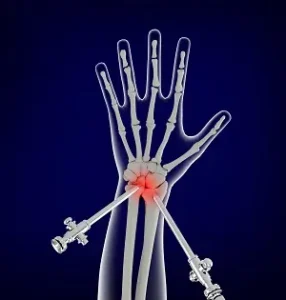
- Wrist and hand: Wrist sprains, fractures, finger injuries, tendon injuries, ligament tears, and nerve trauma.
- Hip and groin: Muscle strains, labral problems, and overuse pain.
- Back and neck: Muscle strain, disc irritation, stiffness, and posture-related overload.
This is why sports injury management should be specific to both the injured structure and the sport you want to return to. A runner, footballer, tennis player, weightlifter, cyclist, and padel player may all complain of pain, but their recovery plans should not be identical.
Signs to Watch For: Common Sports Injury Symptoms
Pain is the most obvious symptom of a sports injury, but it is not the only one. You should pay attention to how the injured area looks, feels, and functions. Symptom tracking helps guide sports injury management because swelling, weakness, instability, and nerve symptoms may reveal the seriousness of the injury.
Common symptoms include:
- Sudden or increasing pain during activity
- Swelling, bruising, redness, or warmth
- Difficulty moving the joint normally
- Weakness or loss of strength
- Joint instability or a feeling of “giving way”
- Numbness, tingling, or burning pain
- Tenderness when pressing the injured area
- A popping, snapping, or tearing sensation
- Inability to grip, lift, run, jump, or bear weight
- Visible deformity or a joint that looks out of place
A key rule is simple: do not push through sharp pain, worsening pain, deformity, or loss of function. Early sports injury management can often prevent a small injury from becoming a long-term problem.
How Sports Injuries Are Diagnosed
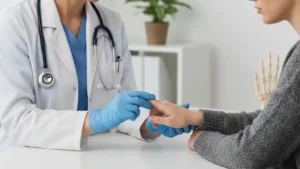
A proper diagnosis starts with a detailed medical history. Your doctor will ask what happened, when the pain began, what movement makes it worse, whether you heard a pop, and whether you can move or bear weight. They may also ask about your training routine, recent changes in intensity, previous injuries, and your sport-specific goals.
Next comes the physical examination. This may include checking swelling, tenderness, joint movement, ligament stability, muscle strength, nerve function, circulation, grip strength, and sport-specific movement patterns.
For hand, wrist, elbow, and shoulder injuries, a detailed upper-limb assessment is especially important. Small tendon, nerve, or ligament injuries can have a major effect on performance, grip, and daily function. This makes accurate sports injury management essential.
A good assessment does not only ask, “What is injured?” It also asks, “What does this person need to do safely again?” For an athlete, that may mean returning to sprinting, lifting, gripping, throwing, cycling, serving, or competing.
Common Tests Required for Diagnosis
Not every sports injury needs a scan. However, tests are important when there is severe pain, swelling, deformity, instability, suspected fracture, nerve symptoms, or failure to improve. In sports injury management, imaging supports the clinical diagnosis but should not replace a proper specialist examination.
Common diagnostic tests include:
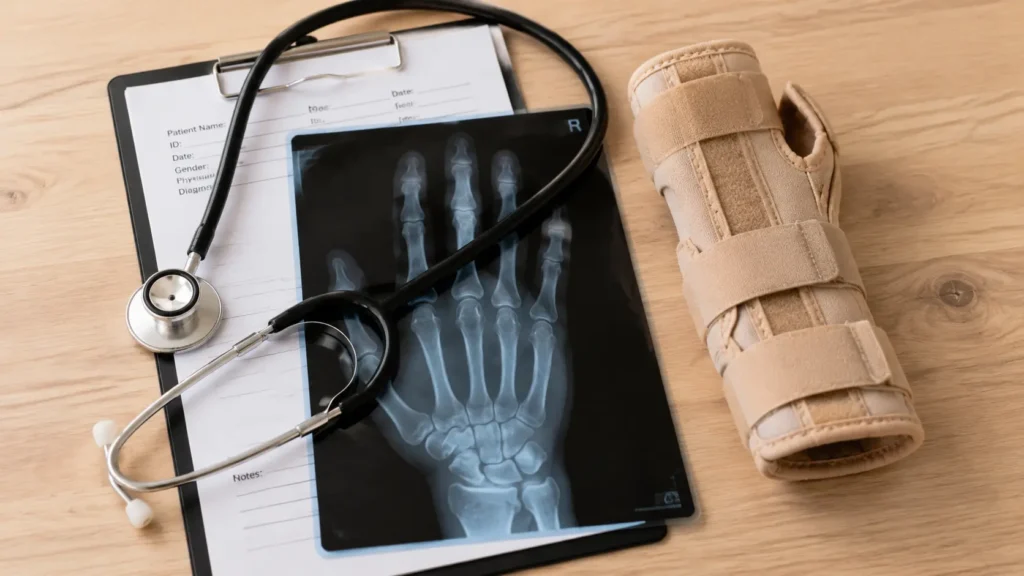
- X-ray: Used to check for fractures, dislocations, joint alignment, and certain bone changes.
- MRI: Useful for ligaments, tendons, cartilage, muscles, meniscus injuries, and soft-tissue damage.
- CT scan: Helpful for complex fractures and detailed bone assessment.
- Ultrasound: Often used for tendon, ligament, and muscle assessment, and sometimes for guided injections.
- Nerve tests: May be needed when numbness, tingling, weakness, or nerve injury is suspected.
- Functional testing: Assesses balance, strength, flexibility, agility, grip, landing control, and return-to-play readiness.
Accurate testing can improve sports injury management, but results must always be interpreted in the context of your symptoms, physical examination, and activity goals.
First Response: Immediate Steps to Take After an Injury
The first 24 to 48 hours after an injury are important. Your goal is to reduce further damage, control swelling, and protect the injured area until you know how serious the injury is. This first-response stage is a vital part of sports injury management.
After an injury, you should:
- Stop the activity immediately if the pain is sharp, movement feels unstable, or the injured area cannot function normally.
- Protect the area with support, a sling, splint, brace, or help from another person if needed.
- Rest briefly from movements that reproduce pain.
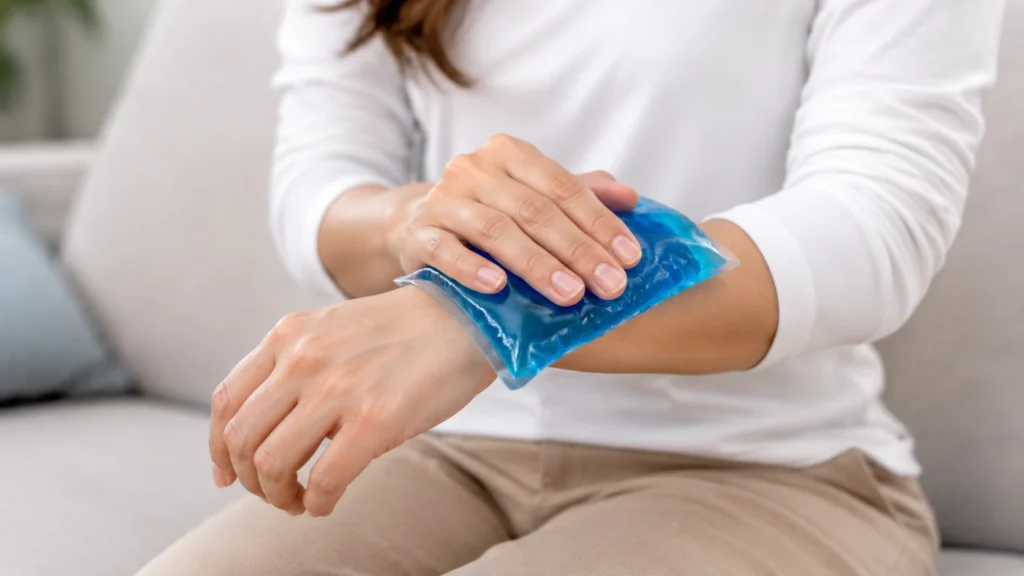
- Apply ice for short periods, wrapped in a towel, to help control pain and swelling.
- Use compression with an elastic bandage when appropriate, without wrapping too tightly.
- Elevate the injured area if possible, especially for ankle, knee, wrist, or hand swelling.
- Seek medical help if pain is severe, swelling is significant, or you cannot use the injured part.
Immediate care is not about ignoring the injury and hoping it disappears. It is about giving the tissue the best possible environment to begin healing.
Sports Injury Management and Treatments
Treatment depends on the injury type, severity, timing, and your activity goals. The best plan is usually staged: protect first, restore movement, rebuild strength, then return to sport progressively. Sports injury management in Dubai may include orthopaedic assessment, imaging, physiotherapy, bracing, injections, or surgery depending on the condition.
Non-Surgical Treatment
Many sports injuries improve without surgery. Non-surgical treatment may include:
- Activity modification
- Bracing, taping, splinting, or casting
- Pain-relief or anti-inflammatory medication when appropriate
- Physiotherapy and supervised rehabilitation
- Manual therapy
- Strength and mobility exercises
- Injections in selected conditions
- Gait, posture, or technique correction
- Gradual return-to-play programming
Surgical Treatment
Surgery may be considered for displaced fractures, complete tendon tears, unstable joints, severe ligament injuries, nerve or vascular injuries, complex hand trauma, or injuries that do not improve with appropriate conservative treatment.
For athletes and active people, surgery is not only about repairing tissue. It is about restoring function. In upper-limb sports injuries, this may mean restoring grip, rotation, throwing capacity, lifting ability, fine motor control, or pain-free loading through the wrist and hand.
Read also about: Wrist Surgery: Types, Procedures, and Recovery Guide.
The Road to Return: Rehabilitation and Physical Therapy
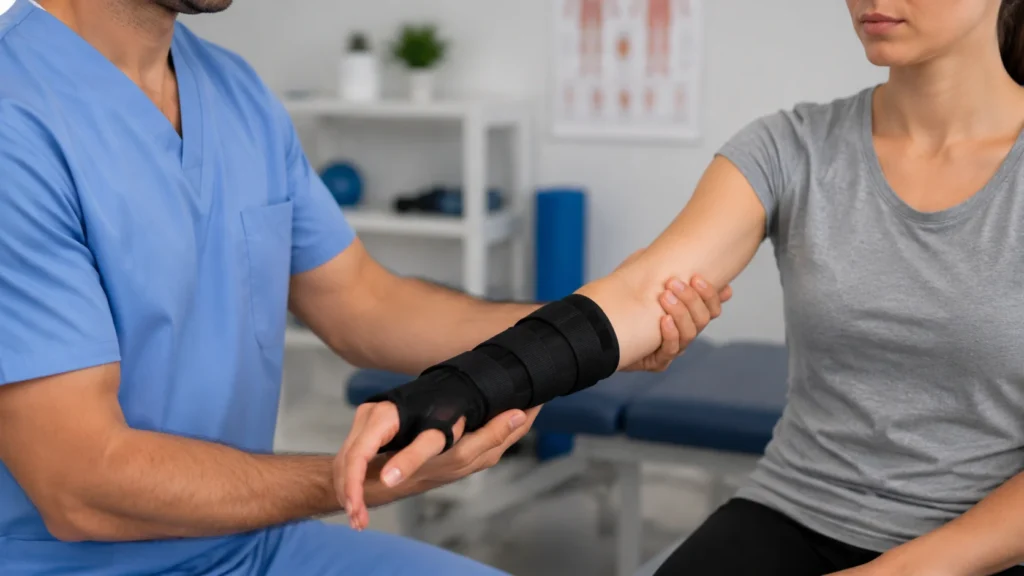
Rehabilitation is the bridge between injury and performance. Many people feel better before the injured tissue is ready for full sport. This is one of the main reasons injuries return. A successful sports injury management plan usually becomes exercise-based once pain and swelling are controlled.
A structured rehabilitation plan may include:
- Restoring joint range of motion
- Reducing swelling and stiffness
- Rebuilding muscle strength
- Improving balance and coordination
- Correcting movement mechanics
- Training sport-specific skills
- Reintroducing speed, power, jumping, cutting, lifting, or gripping
- Testing readiness before return to play
For example, a footballer with an ankle sprain may need balance training, calf strengthening, hopping drills, sprinting, and cutting exercises. A padel player with elbow pain may need grip modification, shoulder strengthening, load control, and gradual racket work. A cyclist with wrist pain may need grip tolerance, nerve assessment, bike-fit review, and progressive loading. This stage is where sports injury management becomes highly personalized.
Home Care: Remedies for Managing Minor Injuries
Minor injuries can often be managed at home for the first day or two, provided there are no red flags. However, home care should be cautious, especially when swelling, bruising, or sharp pain is present.
Helpful home care steps include:
- Resting from painful activity
- Using ice for short periods during the early phase
- Applying gentle compression
- Elevating the injured area to reduce swelling
- Doing light movement within a pain-free range
- Staying hydrated
- Sleeping well to support recovery
- Avoiding early aggressive stretching if a muscle or tendon tear is suspected
- Using over-the-counter medication only if it is safe for your health profile
Do not apply heat immediately after a new injury with swelling. Also, avoid aggressive massage on a fresh injury. Home care is only the first layer of sports injury management. If symptoms are worsening or not improving, it is time to get assessed.
Know Your Limits: When to Seek Medical Care
You should seek urgent or prompt medical care if you have:
- Severe pain, swelling, or bruising
- Pain that does not improve after a few days
- Inability to stand, walk, grip, lift, or bear weight
- A visible deformity
- A joint that feels unstable or out of place
- Numbness, tingling, coldness, or color change
- A deep wound or suspected tendon injury
- Head injury symptoms such as confusion, vomiting, severe headache, or memory problems
- Repeated injuries in the same area
- Pain that keeps returning when you resume sport
This is especially important for the hand, wrist, elbow, and shoulder. Small structures in the upper limb can lead to long-term stiffness, weakness, or loss of precision if they are not diagnosed and treated properly. Timely sports injury management can protect both athletic performance and daily function.
Choosing the Right Specialist: Which Doctor Should You Visit?
The right specialist depends on the injury. Choosing the correct clinician is a key part of sports injury management because different injuries require different expertise.
For minor muscle soreness, a physiotherapist or primary care doctor may be a good first step. For suspected fractures, dislocations, ligament tears, tendon injuries, severe swelling, or loss of function, an orthopaedic specialist is usually more appropriate.
You may need:
- Emergency physician: For severe trauma, suspected fracture, dislocation, head injury, or open wound.
- Orthopaedic surgeon: For bones, joints, ligaments, tendons, muscles, nerves, fractures, and surgical decision-making.
- Sports medicine specialist: For athletic injuries, overuse conditions, and return-to-play planning.
- Physiotherapist: For rehabilitation, movement retraining, strength, flexibility, and reinjury prevention.
- Hand and wrist surgeon: For injuries involving the hand, wrist, elbow, forearm, tendons, nerves, or complex upper-limb function.
Patients searching for the best hand surgeon dubai often need more than a general opinion. They need careful assessment of grip, tendon glide, nerve function, joint stability, fracture alignment, and the sport-specific use of the hand or arm.
Read also about: Dr. Mohamed Ali The Best Hand Surgeon in Dubai
What to Expect During Your Recovery
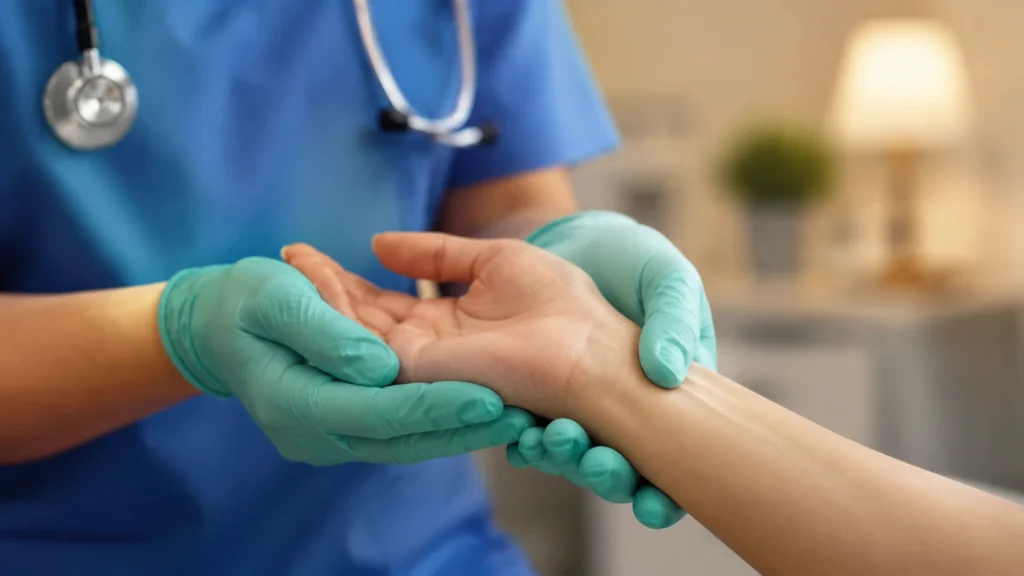
Recovery is rarely a straight line. You may have good days and frustrating days. The timeline depends on the injured tissue, your age, general health, training background, and how consistently you follow your recovery plan.
In general:
- Mild sprains and strains may improve within days to a few weeks.
- Moderate ligament or muscle injuries may take several weeks.
- Fractures often need weeks of protection before strengthening progresses.
- Tendon and overuse injuries may require longer load management.
- Surgical injuries need a staged plan that respects tissue healing.
A safe sports injury management plan usually includes milestones, not guesswork. These milestones may include pain control, swelling reduction, restored range of motion, strength symmetry, functional testing, and sport-specific confidence.
The most important principle is this: returning to sport is not the same as returning to full competition. You may first return to mobility work, then controlled training, then modified practice, and finally unrestricted play.
Read also about: Swelling After Wrist Surgery: What’s Normal & When to Worry
Book Your Recovery with Dr. Mohamed Ali Now
If your injury involves the hand, wrist, forearm, elbow, or upper limb, specialist care can make a major difference. Dr. Mohamed Ali provides focused orthopaedic care for upper-limb conditions, including fractures, sprains, tendon injuries, nerve injuries, sports injuries of the arm and hand, and complex functional problems.
For upper-limb athletes, sports injury management with a specialist can help protect grip, mobility, coordination, and long-term function. For people in Dubai who want careful diagnosis and a clear recovery plan, book an assessment with Dr. Mohamed Ali to understand your injury, explore your treatment options, and find the safest route back to sport.
You can visit Dr Mohamed Ali website to learn more and take the next step toward recovery.
Prevention is Better Than Cure: What are 5 ways to prevent sports injuries?
Sports injury prevention should be part of every training plan, not something you think about only after pain starts. The aim is to train consistently, improve performance, and reduce the risk of avoidable setbacks.
- Warm Up with Purpose:
A proper warm-up should prepare the exact movements you are about to perform. Include light cardio, mobility, activation drills, and sport-specific movement. For example, a padel warm-up should include shoulder movement, wrist mobility, trunk rotation, footwork, and gradual hitting. - Increase Training Gradually:
Avoid sudden jumps in mileage, weight, speed, or training frequency. Your tissues adapt when load increases progressively. Many overuse injuries happen because motivation increases faster than tissue tolerance. - Build Strength and Mobility:
Strong muscles protect joints. Good mobility allows cleaner movement. A balanced plan should include strength training, flexibility, core control, and single-leg stability. - Use Proper Equipment and Technique:
Shoes, racket grip, bike setup, lifting form, helmets, wrist support, and protective gear all matter. Technique coaching is one of the most underrated tools in sports injury prevention. - Respect Recovery:
Sleep, hydration, nutrition, rest days, and deload weeks help your body adapt. In the UAE climate, hydration and heat management are especially important for outdoor sports.
The best sports injury management is proactive. It helps you stay active, reduce repeated injuries, and return stronger after every setback.
FAQs about sports injury management
Will my injury affect my play?
It can, depending on the type and severity of the injury. A mild strain may only require short-term rest and rehabilitation, while a fracture, tendon tear, ligament injury, or nerve injury may affect strength, timing, grip, balance, or confidence for longer. The right sports injury management plan should tell you what you can safely do now, what to avoid, and what milestones you must reach before full return.
What are the top 5 sports injuries?
The top five commonly seen sports injuries are sprains, strains, fractures, dislocations, and tendinitis or overuse tendon injuries. In Dubai clinics, these may appear as ankle sprains, hamstring strains, wrist fractures, shoulder dislocations, tennis elbow, golfer’s elbow, and knee ligament injuries.
When can I return to play again?
You can return when pain is controlled, swelling has settled, movement is restored, strength is close to normal, and you can perform sport-specific tasks without compensation. In safe sports injury management, return to play is based on function, not only the calendar. The timeline may be days, weeks, or months depending on the injury.
What are the five types of injuries?
Five broad types include soft-tissue injuries, bone injuries, joint injuries, nerve injuries, and overuse injuries. Soft-tissue injuries include sprains, strains, tendon injuries, and bruises. Bone injuries include fractures and stress fractures. Joint injuries include dislocations and cartilage damage.
Should I use ice or heat for a sports injury?
For a new injury with swelling, ice is usually preferred in short sessions during the early phase. Heat is generally more useful later for chronic stiffness or muscle tightness, not immediately after a swollen acute injury. If you are unsure, get medical advice before applying heat or continuing activity.
Final word about sports injury management
Sports are meant to build strength, confidence, and health, but injuries need respect. Pain is not always a sign of serious damage, but it is always information. The smartest response is to stop, assess, protect the injured area, and seek help when symptoms are severe, unusual, or persistent.
Effective sports injury management gives you more than short-term pain relief. It gives you a diagnosis, a treatment plan, a rehabilitation pathway, and a prevention strategy. Whether you are a competitive athlete, weekend footballer, padel player, runner, cyclist, gym enthusiast, or someone simply trying to stay active in Dubai, the right care can help you recover safely and return with confidence.
If your pain involves the hand, wrist, elbow, arm, or upper limb, Dr Mohamed Ali can help you take the next step with focused orthopaedic assessment and a recovery plan built around function, movement, and long-term performance.