
Specialist Orthopedic Surgeon Dubai | Dr. Mohamed Ali
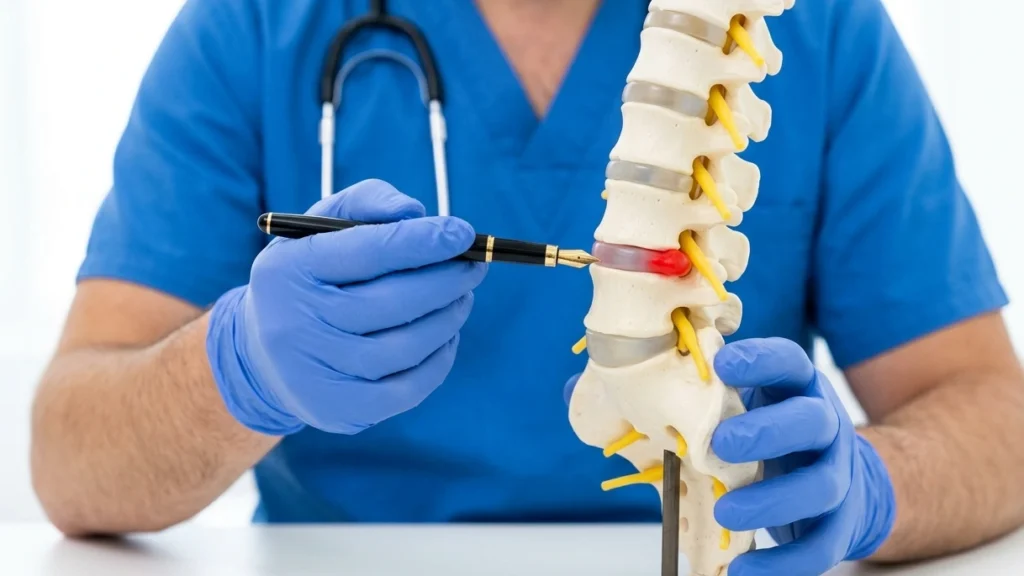
Living in a fast-paced, dynamic city like Dubai means staying active, whether you are golfing in Dubai Marina, training for the Dubai Marathon, or managing a demanding professional life in the Business Bay. However, when joint pain, a sports injury, or a degenerative bone condition strikes, your daily routine can grind to a painful halt. Finding the right medical care becomes an immediate priority. Navigating the healthcare landscape can feel overwhelming when you are in pain. You might find yourself asking: What exactly does an orthopedist treat? When is it time to move past temporary pain relief and consult a specialist orthopedic surgeon? Choosing a highly qualified specialist orthopedic surgeon in dubai is the most critical step toward reclaiming your mobility. This comprehensive guide will explore what these specialized doctors do, the conditions they treat, and why consulting a dedicated specialist orthopedic surgeon like Dr. Mohamed Ali can make all the difference in your recovery journey. Who is a Specialist Orthopedic Surgeon? A specialist orthopedic surgeon is a medical doctor who has undergone extensive, specialized training to diagnose, treat, prevent, and rehabilitate disorders of the musculoskeletal system. This intricate system forms the physical framework of your body and includes your bones, joints, ligaments, tendons, muscles, and nerves. Many people assume that these surgeons only perform operations. In reality, a true expert focuses on comprehensive musculoskeletal health. Surgery is rarely the first option; instead, it is a definitive solution utilized when conservative treatments no longer provide relief. Sub-Specialties within Orthopedics Because the human body is complex, the field is divided into several focused sub-specialties. When searching for the best orthopedic surgeon in dubai, you will often find professionals who possess fellowship training in specific areas: Joint Replacement (Arthroplasty): Focusing on rebuilding severely degraded joints, primarily through total or partial knee, hip, and shoulder replacements. Sports Medicine: Treating acute and chronic injuries sustained during physical activity, such as ligament tears (ACL, MCL) and meniscus damage. Spine Surgery: Addressing structural issues in the neck and back, including herniated discs, sciatica, and spinal stenosis. Pediatric Orthopedics: Managing congenital limb deformities, clubfoot, and growth-plate injuries in children. Orthopedic Trauma: Handled by a dedicated orthopedic trauma surgeon who specializes in treating complex, shattered fractures, compound bone breaks, and acute injuries resulting from accidents. Discover more about the best orthopedic doctor in Dubai. What Does an Orthopedic Surgeon Do? An orthopedic specialist’s daily practice revolves around restoring structural integrity to the body. Their work can be categorized into three core phases: accurate diagnosis, non-surgical management, and precise surgical intervention. 1. Comprehensive Diagnostic Evaluation A successful recovery starts with identifying the root cause of your pain. Advanced clinics utilize cutting-edge imaging technologies, such as high-resolution Magnetic Resonance Imaging (MRI), Computed Tomography (CT) scans, and weight-bearing digital X-rays, to view the joint in real-time. This allows the physician to see exactly how much cartilage is left in an arthritic knee or detect microscopic tears in a shoulder tendon. 2. Conservative, Non-Surgical Management The majority of orthopedic issues can be managed without ever stepping into an operating theater. Specialist physicians develop personalized, multi-disciplinary treatment plans that may include: Targeted Physical Therapy: Custom rehabilitation exercises designed to strengthen supporting muscles, stabilize unstable joints, and restore flexibility. Advanced Injection Therapies: Utilizing localized corticosteroid injections to rapidly reduce intense inflammation, or hyaluronic acid (viscosupplementation) to lubricate friction-heavy joints. Biologics and Regenerative Medicine: Exploring cellular therapies to encourage natural tissue healing in chronic tendinopathies. 3. Advanced Surgical Interventions When structural damage is severe—such as a completely torn ligament or advanced osteoarthritis where bone rubs against bone—surgical intervention becomes necessary. Modern orthopedics relies heavily on minimally invasive techniques. Using microscopic cameras and specialized miniature instruments passed through tiny incisions, surgeons can repair internal joint damage with minimal disturbance to the surrounding healthy tissue. Discover more about the top hand surgeon in Dubai. When Should You Visit a Specialist Orthopedic Surgeon? It is common to dismiss a nagging ache as “just getting older” or a temporary strain from a heavy workout. However, delaying a professional medical evaluation can allow minor structural issues to develop into chronic, irreversible joint damage. You should schedule a consultation with a specialist orthopedic surgeon if you experience any of the following warning signs: Persistent, Unremitting Joint Pain If you experience deep pain in your knees, hips, hands, or shoulders that lasts for more than a few weeks, it warrants investigation. Pay close attention to pain that wakes you up at night or persists even when you are completely resting. Severe Functional Limitations When pain begins to dictate your daily lifestyle, it is time to seek professional care. This includes experiencing difficulty climbing stairs, struggling to stand up comfortably from a low chair, or finding it painful to lift your arm to style your hair or reach a high shelf. Joint Instability and Mechanical Symptoms If your knee or ankle feels unstable, catches, or feels like it might give out entirely while you are walking, the stabilizing ligaments or cartilage may be compromised. Mechanical symptoms, such as an audible popping, grinding, or locking of the joint, indicate a physical obstruction or significant surface friction within the joint structure. Acute Trauma and Sudden Impact Injuries Sudden, high-energy injuries require immediate evaluation. If you experience a hard fall, a sports collision, or an accident resulting in immediate swelling, visible deformity, or an inability to bear any weight on a limb, you should be evaluated by an orthopedic trauma surgeon. These specialists are trained to repair complex fractures and realign displaced joints to ensure they heal perfectly. Learn more about your condition and connect with Dr Mohamed Ali through the patient connection hub. Who is the Best Specialist Orthopedic Surgeon in Dubai? When it comes to your mobility, you deserve a medical professional who combines clinical expertise with authentic, patient-centered empathy. Dr. Mohamed Ali stands out as a premier destination for world-class musculoskeletal care in the UAE. As a highly accomplished specialist orthopedic surgeon, Dr. Mohamed Ali has dedicated his career to mastering advanced
Best Orthopedic Doctor in Dubai | Recover Pain-Free Today
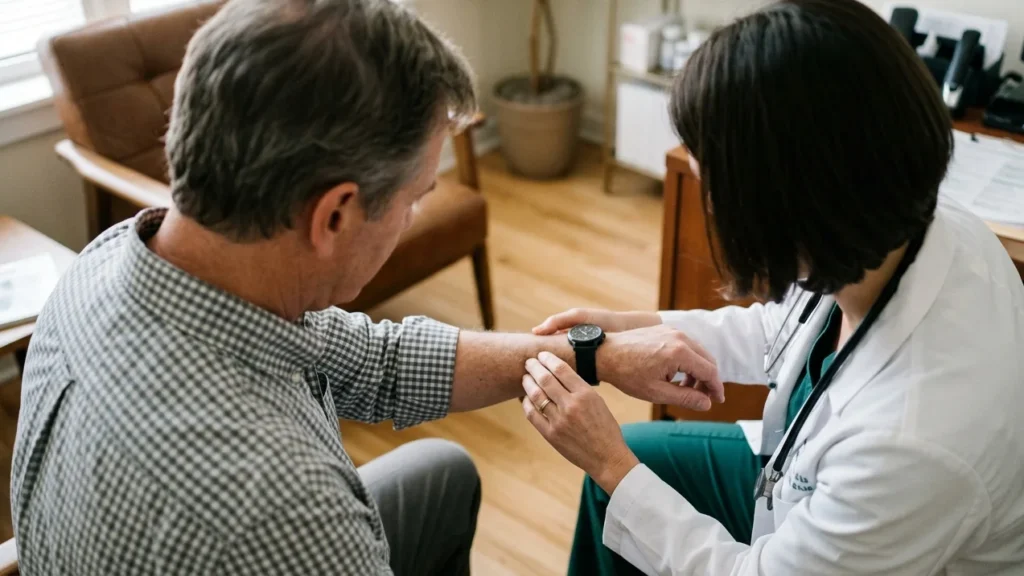
Living in a vibrant, fast-paced city like Dubai means staying constantly on the move. Whether you are running along the Dubai Marina track, playing a high-intensity weekend match on the padel court, or simply managing the physical demands of a busy professional life, your mobility is everything. However, chronic joint stiffness, a sudden sports injury, or persistent wrist pain can quickly disrupt your active lifestyle. When musculoskeletal issues arise, consulting a qualified orthopedic doctor is the most important step toward regaining your quality of life and moving without pain. Understanding when to see a specialist, what treatments are available, and how to select the best orthopedic doctor in dubai ensures you receive targeted, effective care. From pediatric conditions to intricate hand and wrist procedures, specialized medical expertise is essential for protecting your bones, joints, and ligaments. What Is Orthopaedics? Orthopaedics is the specialized branch of medicine dedicated to diagnosing, treating, rehabilitating, and preventing injuries and diseases affecting the musculoskeletal system. This complex network includes your bones, joints, ligaments, tendons, muscles, and nerves. Historically focused on correcting limb deformities in children, modern orthopaedics has expanded to address a wide range of conditions across all age groups. It blends advanced surgical techniques with non-invasive therapies to restore full function to the human body. What Is an Orthopedic Doctor? An orthopedic doctor—often referred to as an orthopedist or orthopedic surgeon—is a medical professional who specializes in the comprehensive care of the musculoskeletal system. These doctors undergo rigorous education, including medical school, a dedicated residency program in orthopedic surgery, and often specialized fellowship training in subfields like sports medicine, joint reconstruction, or upper extremity surgery. While these specialists are fully trained surgeons, their primary goal is always to restore your mobility using the least invasive method possible. In fact, many musculoskeletal issues can be successfully managed without ever stepping into an operating room. What Does an Orthopedic Doctor Do? The day-to-day work of an orthopedic doctor involves managing conditions that range from acute traumatic injuries to long-term chronic diseases. Their core responsibilities include: Medical Diagnosis: Pinpointing the exact source of structural anomalies, nerve compressions, or tissue tears. Treatment Management: Designing personalized recovery plans that incorporate medication, immobilization, targeted physical therapy, or advanced surgical intervention. Rehabilitation Guidance: Recommending specialized exercises and lifestyle adjustments to restore optimal strength and range of motion post-injury. Preventative Care: Educating patients on strategies to preserve bone density, maintain joint health, and avoid recurrent injuries. Why Would You Go See an Orthopedic Doctor? Persistent physical discomfort should never be ignored. Seeking timely care from a good orthopedic doctor in dubai is essential if you experience any of the following musculoskeletal issues: Chronic Joint Pain and Stiffness: Long-term pain in major joints like the knees, hips, or shoulders, which often indicates degenerative conditions like osteoarthritis. Acute Traumatic Injuries: Sudden damage resulting from sports, falls, or accidents, including bone fractures, joint dislocations, and torn ligaments (such as ACL or meniscus tears). Repetitive Strain and Nerve Compression: Conditions caused by continuous, repetitive motions, such as carpal tunnel syndrome, tennis elbow, or rotator cuff tendonitis. Congenital and Pediatric Issues: Structural alignment problems in growing children, which require a specialized children’s orthopedic doctor to ensure proper developmental growth. How Can an Orthopedic Doctor Diagnose Orthopedic Disorders? A precise diagnosis is the foundation of any successful recovery plan. When you visit a specialist, they utilize a systematic, multi-step approach to uncover the root cause of your physical discomfort: 1. Comprehensive Clinical Evaluation The process begins with a detailed review of your medical history, lifestyle habits, and specific symptoms. Your doctor will conduct a physical examination to test your range of motion, joint stability, muscle strength, and localized reflexes. 2. Advanced Diagnostic Imaging To look beneath the surface, specialists rely on precise imaging technologies: Digital X-rays: Used to immediately evaluate bone alignment, identify fractures, and detect space narrowing within arthritic joints. Magnetic Resonance Imaging (MRI): Essential for visualizing soft tissues, such as tendons, ligaments, cartilage, and hidden nerve compressions. CT Scans: Provides detailed, cross-sectional views of complex bone structures, often used to plan intricate surgical reconstructions. 3. Specialized Laboratory Investigations In cases where joint inflammation might be caused by systemic conditions, your physician may order blood panels—such as calcium, vitamin D3, or uric acid levels—to rule out metabolic issues or gouty arthritis. Treatment Options for Orthopedic Problems Modern orthopedic care prioritizes a conservative-first approach, exhausting non-surgical alternatives before considering operative treatments. Conservative and Non-Surgical Therapies Targeted Physical Therapy: Custom rehabilitation protocols designed to strengthen surrounding musculature, stabilize unstable joints, and restore flexibility. Advanced Pharmacotherapy: The strategic use of non-steroidal anti-inflammatory drugs (NSAIDs), muscle relaxants, or specialized nerve medications to manage acute pain. Therapeutic Interventions: Localized injections, including corticosteroids or Platelet-Rich Plasma (PRP) therapy, delivered directly into the affected joint to reduce inflammation and accelerate tissue healing. Surgical Interventions When conservative methods do not provide adequate relief, advanced surgical options are utilized: Minimally Invasive Arthroscopy: A technique where keyhole incisions and small cameras are used to repair torn ligaments or clean damaged joint cartilage with minimal tissue disruption. Total Joint Reconstruction: Replacing severely worn joint surfaces (such as the hip or knee) with biocompatible prosthetic implants to eliminate pain and restore full mobility. Intricate Upper Extremity Surgery: Delicate reconstructive procedures on the hand, wrist, and peripheral nerves to treat complex fractures or severe nerve entrapments. Read also about: Wrist Surgery: Types, Procedures, and Recovery Guide. How Much Does an Orthopedic Doctor Cost in Dubai? Navigating healthcare expenses requires clear financial transparency. In Dubai, the total cost of orthopedic care varies based on the facility, the physician’s expertise, and the required diagnostics. Service Type Estimated Cost Range (AED) Initial Specialist Consultation AED 300 – AED 800 Diagnostic Digital X-Ray AED 200 – AED 600 High-Resolution MRI Scan (Per Area) AED 1,500 – AED 3,500 Arthroscopic Joint Surgery AED 25,000 – AED 55,000 Total Joint Replacement Surgery AED 70,000 – AED 130,000 Note: The vast majority of insurance networks in the UAE cover orthopedic consultations and essential therapeutic treatments, though
Top Hand Surgeon in Dubai | Expert Hand & Wrist Care

Regain pain-free mobility with Dubai’s leading hand surgeon. Expert treatment for carpal tunnel, arthritis, and injuries. Book a consultation today!