
What Is a Ganglion Cyst?
A ganglion cyst is a benign, fluid-filled lump that develops from a joint capsule or tendon sheath. It contains a thick, gel-like fluid related to the synovial lining of the nearby joint.
Ganglion cysts are the most common soft-tissue lumps of the hand and wrist. They are not cancerous and do not spread, but their size and location may lead to pain, weakness, altered sensation or restricted movement.
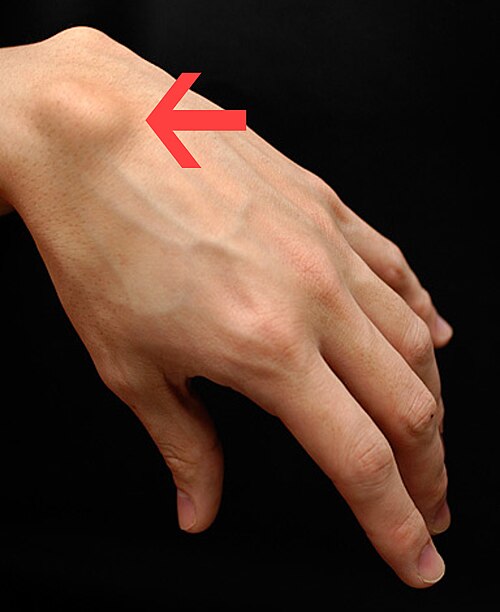 Most common site
Common Ganglion Cyst Locations
Select a location to see a matching clinical example. Every image is displayed in its natural orientation, without cutting away the anatomy. The most common locations, each shown with its matching clinical example.

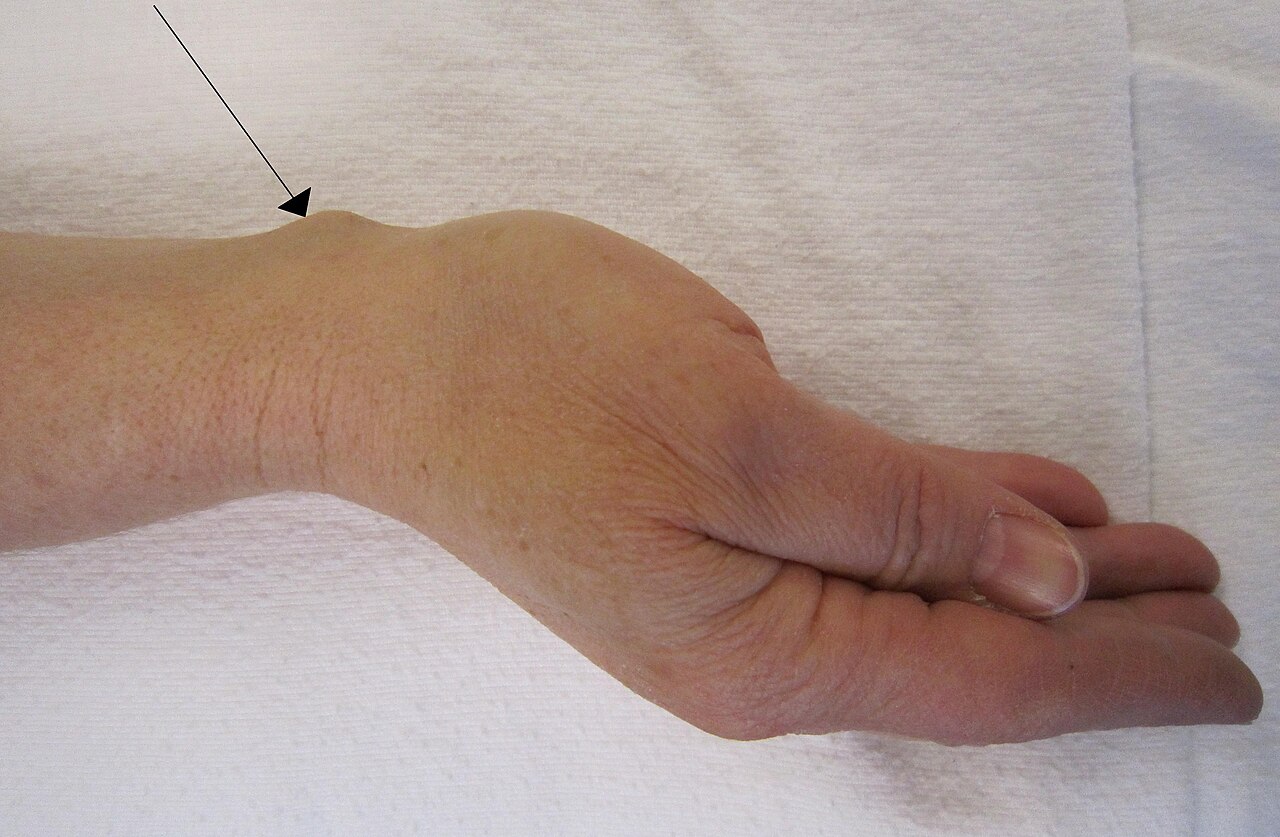
Dorsal wrist
Back of the wrist, commonly from the scapholunate interval.
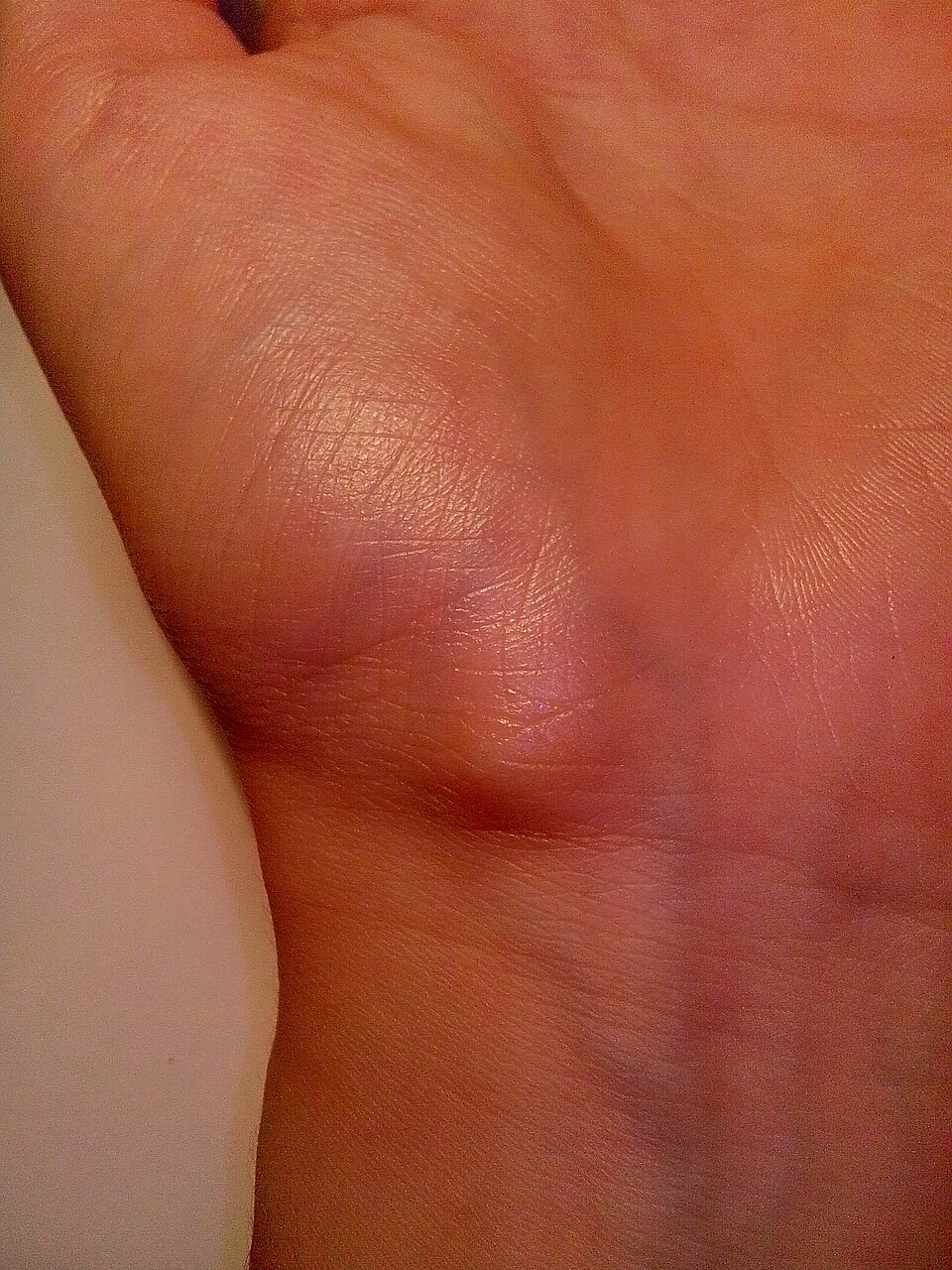
Volar wrist
Palm side of the wrist, often near the radial artery.
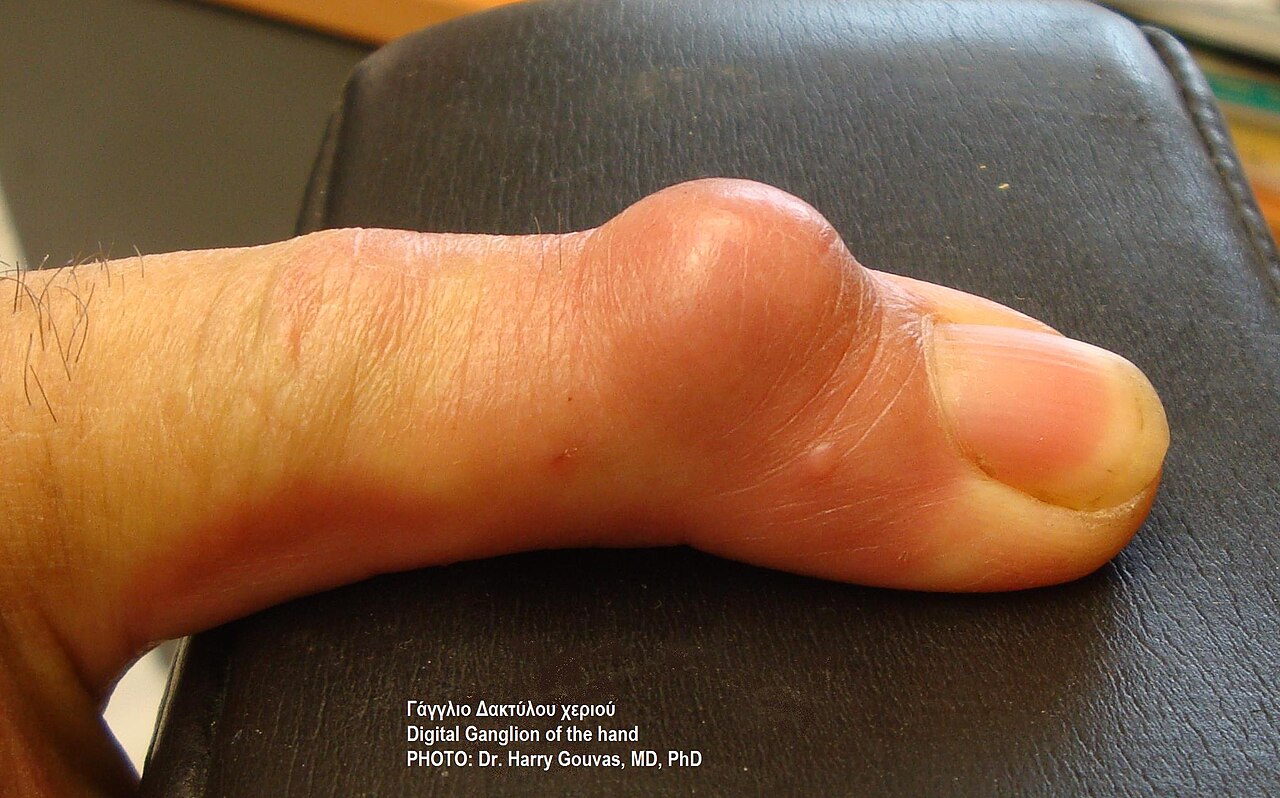
Finger base
Arising from the flexor tendon sheath at the base of a finger.
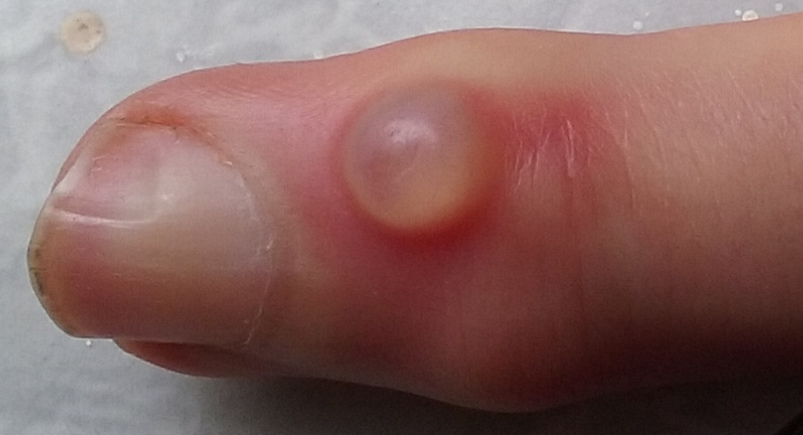
Finger end joint
A mucous cyst near the distal interphalangeal joint.
When Should You See a Doctor?
Not every hand or wrist lump is a ganglion. Specialist assessment can confirm the diagnosis and identify whether treatment is needed.
The lump is growing or changing
Pain increases with wrist use
Numbness or tingling develops
Movement or grip becomes limited
The cyst returns after aspiration
You are unsure what the lump is
Causes and Symptoms
of Ganglion Cysts
Ganglion cysts usually develop where repeated pressure, joint change or previous injury weakens the capsule surrounding a joint.
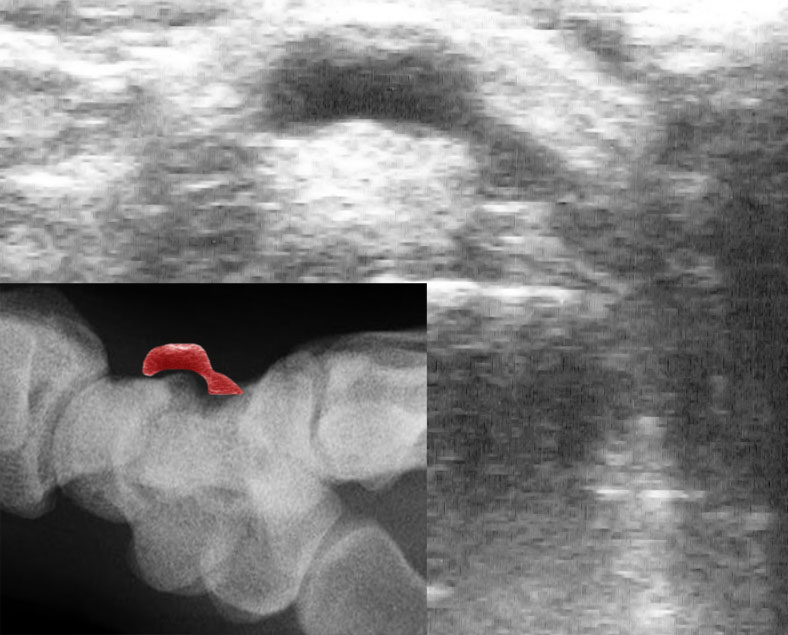 Most common mechanism
Joint Capsule Herniation
A weak point or small tear allows the synovial lining to push outward, creating a one-way valve that fills with joint fluid. A dorsal wrist ganglion most often forms near the scapholunate interval.
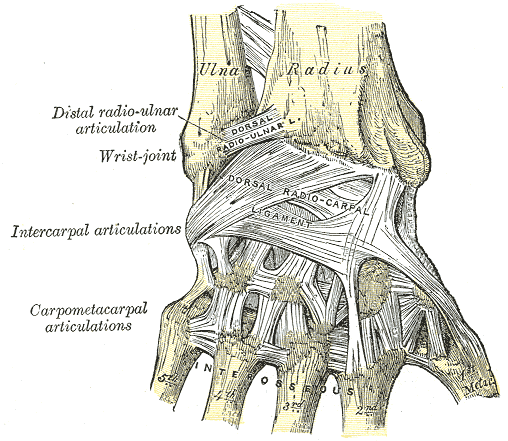 Mechanical stress
Repetitive Loading
Repeated wrist flexion, extension and load may place ongoing stress on the joint capsule. Manual workers and athletes can therefore be more prone to cyst formation over time.
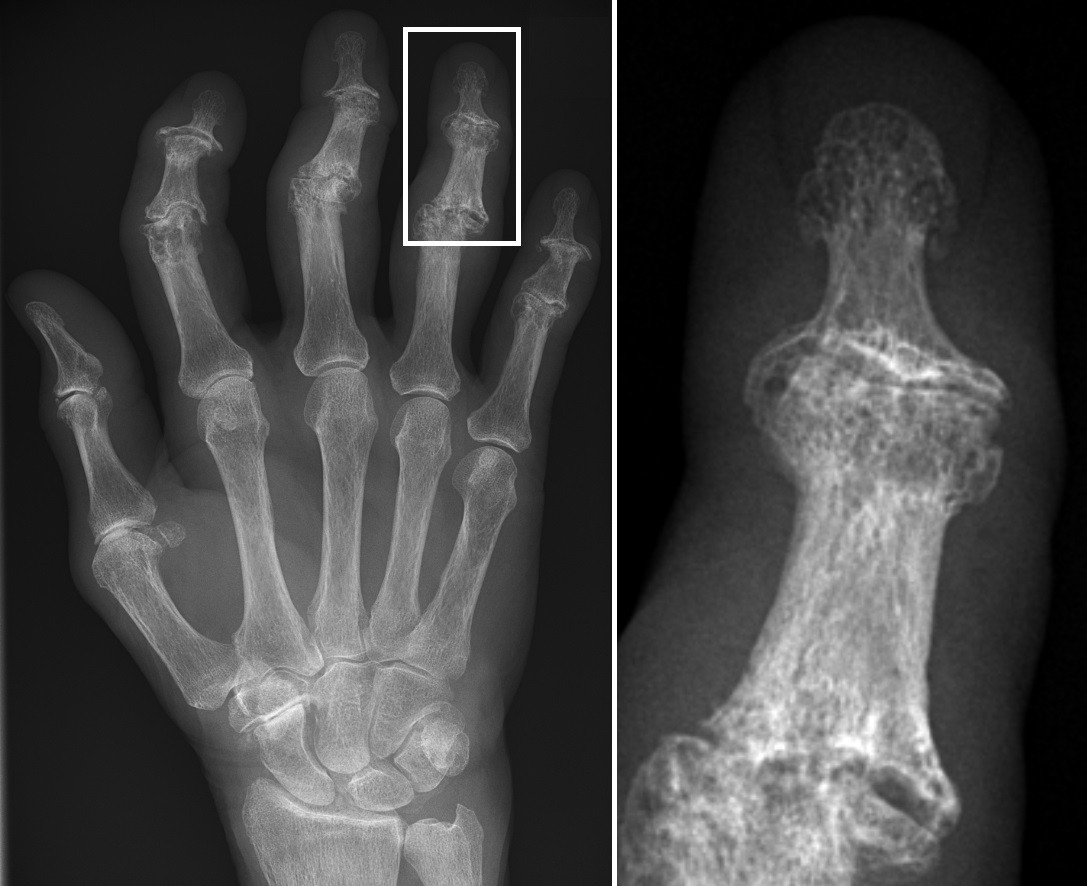 Finger end joints
Osteoarthritis
Mucous cysts at the distal finger joint are strongly associated with osteoarthritis. Joint wear and osteophytes can irritate nearby tissues, allowing a cyst to develop from the arthritic capsule.
 Structural weakness
Prior Wrist Injury
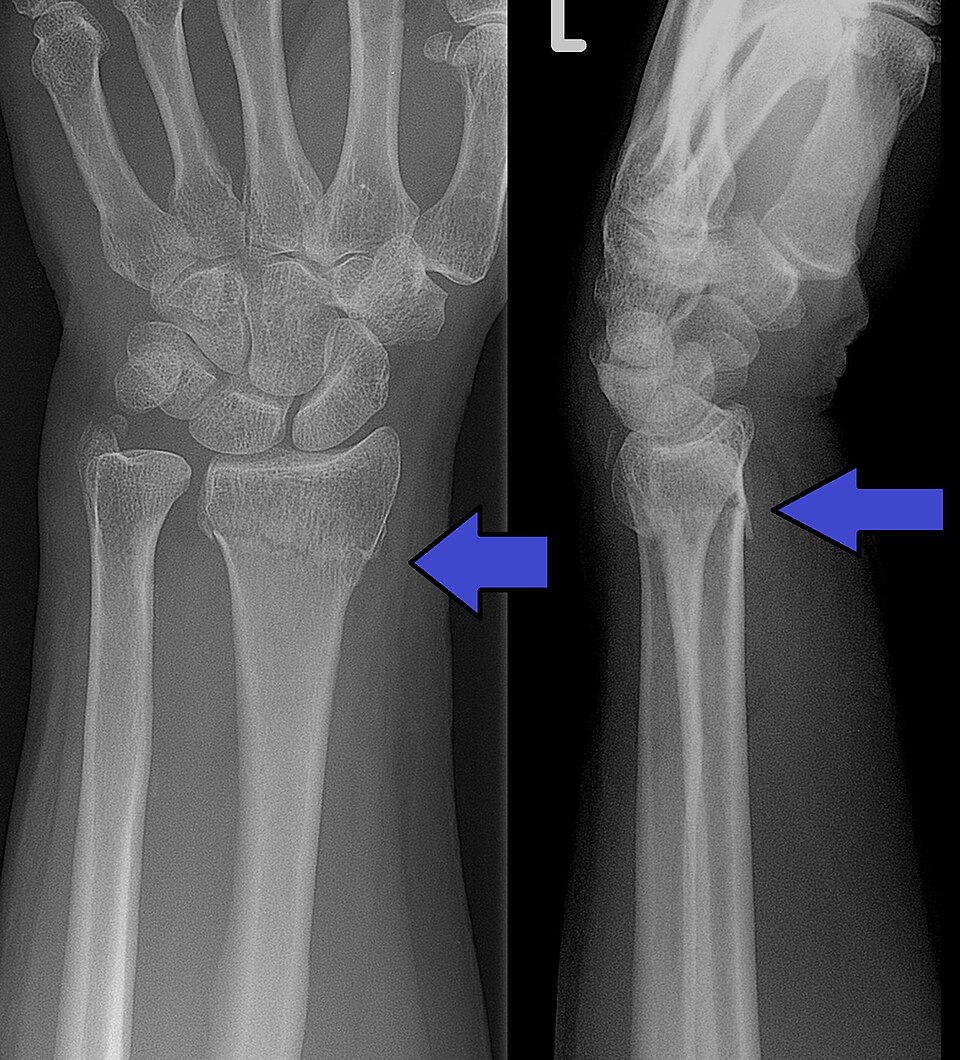
Earlier ligament injuries, fractures or TFCC tears may leave the capsule structurally weaker. This can increase the likelihood of a ganglion cyst forming later.
Complications if a Ganglion Cyst Is Left Untreated
A ganglion cyst is benign, but persistent enlargement or pressure on nearby structures can turn a small lump into an ongoing source of pain, weakness and restricted hand function.
Not every cyst needs surgery. A growing, painful, recurrent or neurologically symptomatic lump should be assessed by a hand and wrist specialist.
Progressive Growth and Pain
A small, painless ganglion may gradually enlarge. As it expands, increasing pressure on nearby tendons, ligaments and nerves can produce pain and functional restriction that was not present at first.
Nerve Compression
Large dorsal wrist ganglia may irritate the posterior interosseous nerve, causing pain or weakness. Volar cysts can affect the superficial radial nerve, producing tingling or altered sensation in the thumb and radial fingers.
Grip Weakness and Functional Loss
Pain during gripping may progressively restrict manual work, sport and everyday tasks. Avoiding painful movement over time can also lead to secondary weakness that may persist even after the cyst settles.
Spontaneous Rupture and False Resolution
A cyst can occasionally rupture and temporarily disappear as its fluid is absorbed. The connection to the joint may remain, allowing the cyst to refill over the following weeks or months; rupture should not be considered a reliable cure.
A specialist examination can confirm the diagnosis and identify whether nearby structures are under pressure.
Diagnosing a Ganglion Cyst in Dubai
Diagnosis begins with a specialist hand and wrist examination. Imaging is then selected only when it adds useful detail about the cyst, its stalk or nearby structures.
Clinical Examination
Dr. Mohamed Ali assesses the lump’s location, size, consistency, movement and relationship to the underlying joint or tendon. Wrist position and motion are also tested to understand how the cyst affects pain and function.
Ultrasound
Confirms a fluid-filled cyst, traces its stalk to the joint and, for volar ganglia, shows its relationship to the radial artery.
MRI
Used for occult, complex or recurrent ganglia when the lump is not visible or the stalk anatomy needs precise definition.
Wrist Arthroscopy
At surgery, arthroscopy offers the clearest view of the stalk and any associated pathology inside the wrist joint.

Location, consistency and function
Palpation, wrist-position testing and transillumination build the clinical diagnosis. Ultrasound is added when the stalk or nearby anatomy, especially the radial artery, needs clearer definition.
A focused specialist assessment can establish the diagnosis and determine whether imaging is needed.
Ganglion Cyst Treatment Options in Dubai
Observation, aspiration and surgery each have a role. The best choice depends on symptoms, size, location and whether the cyst has returned.
Observation
Small, painless ganglia can often be monitored safely. Many change in size and some resolve naturally over months or years.
Arrange a review if the cyst grows, becomes painful or causes tingling, numbness or weakness.
Aspiration
Under ultrasound guidance, the cyst is punctured and its thick fluid is removed. The visible lump usually settles immediately and the procedure avoids an operation.
The stalk remains connected to the joint and can refill the cyst.
Surgical Excision
The ganglion and its stalk are removed together, eliminating the one-way valve that allows the cyst to refill.

Preparing for Ganglion Cyst Surgery in Dubai
before surgery

Pre-operative consultation
Dr. Ali reviews your imaging, confirms the excision approach, and explains the procedure, anaesthetic, and post-operative care. Consent is obtained.
Imaging review
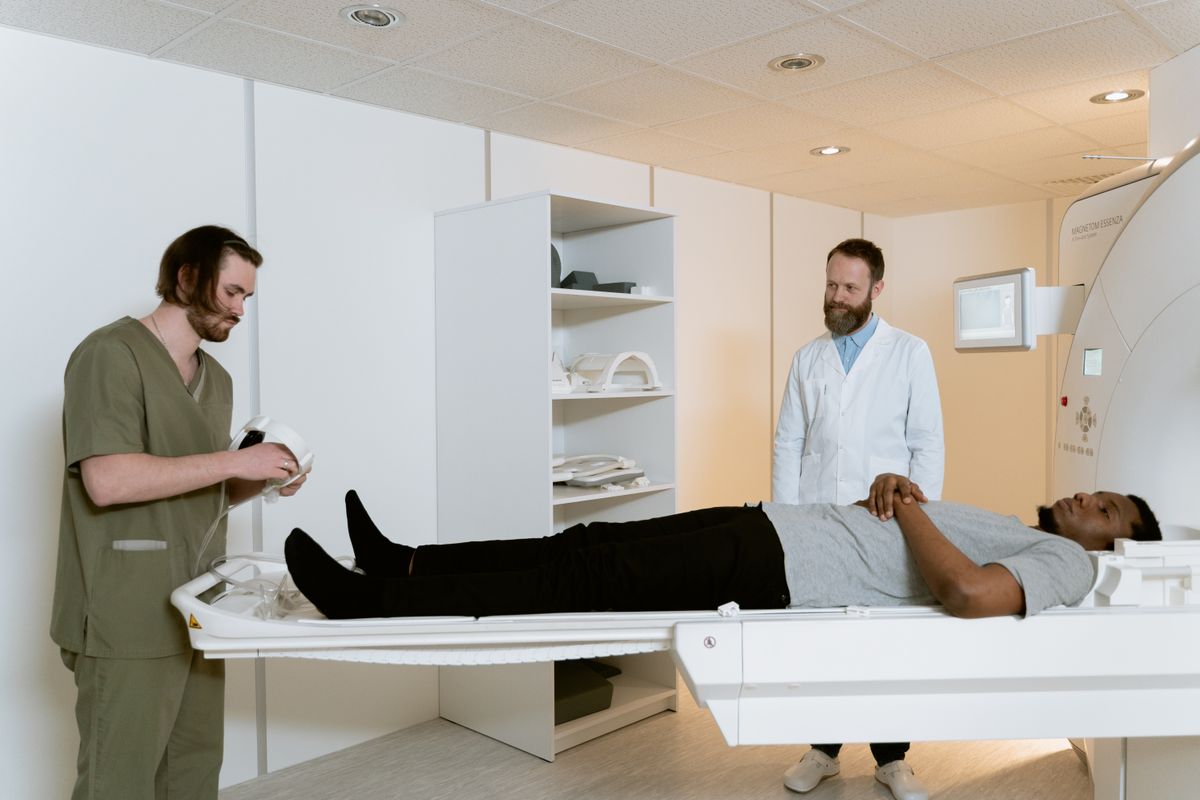
Ultrasound or MRI is reviewed to confirm the stalk anatomy and relationship to adjacent structures before arthroscopic planning.

Medical clearance
Pre-operative assessment confirms fitness for general or regional anaesthesia at the DHA-licensed facility in Dubai. Blood tests and required reviews are arranged.
Medications
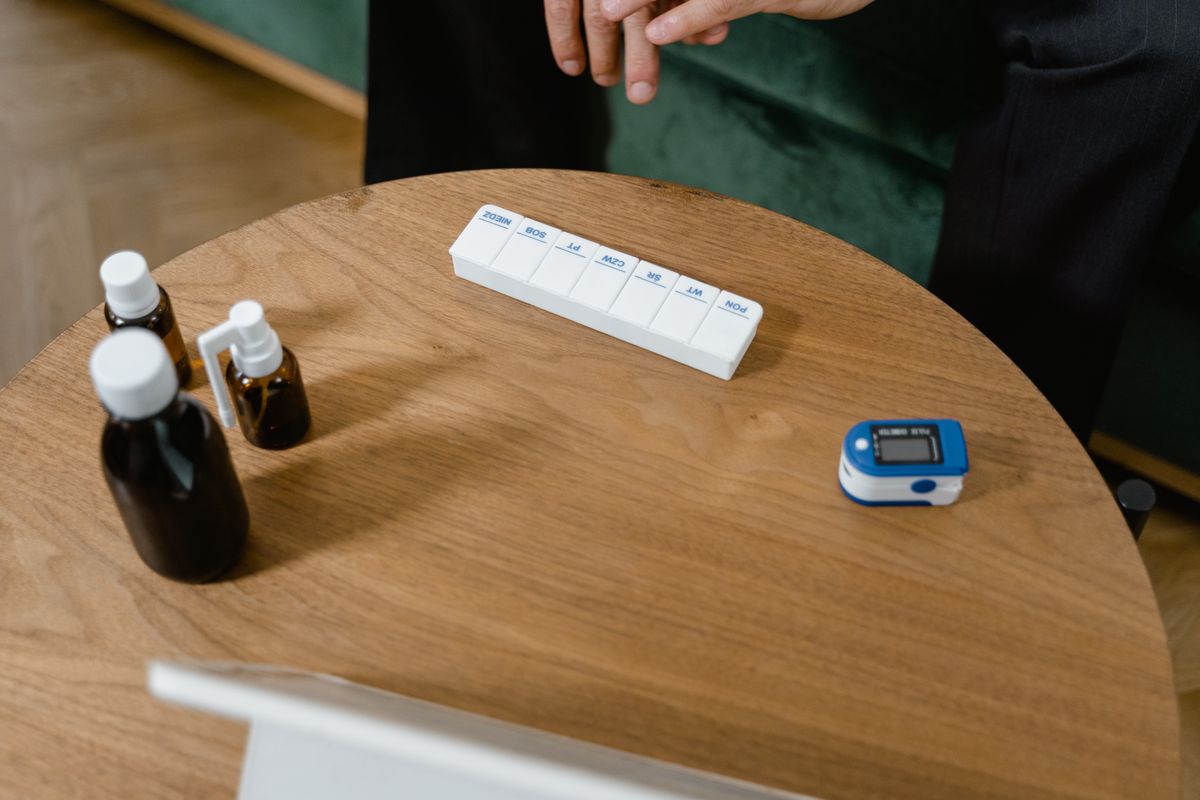
Blood-thinning medications are stopped 5 to 7 days before surgery as directed by Dr. Ali. Confirm all medications at the pre-operative assessment.
Fasting
No food for 6 hours and no clear fluids for 2 hours before surgery under general anaesthesia.
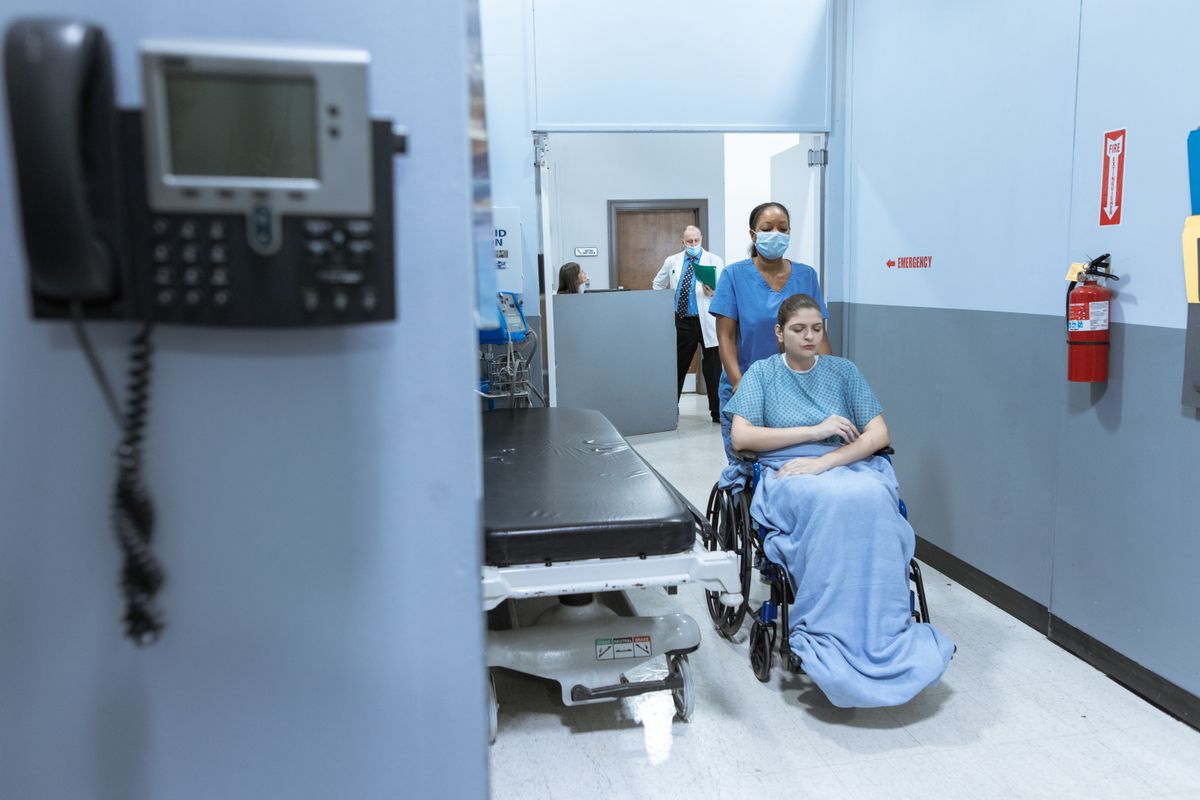
Practical arrangements
Arrange a driver for discharge. Light hand use is generally possible within 24 to 48 hours for most patients after arthroscopic ganglion excision.
Ganglion Cyst Excision: Step by Step
A precise arthroscopic pathway designed to identify the stalk, address associated wrist pathology, and complete the excision through small portal incisions.
Anaesthesia
General anaesthesia or regional nerve block is administered. A tourniquet is applied to the upper arm for a bloodless operative field.
Wrist Arthroscopy Setup
The wrist joint is distended with fluid through small portal incisions. The arthroscope is introduced and the wrist joint interior is examined, including the scapholunate ligament, TFCC, and articular surfaces.
Stalk Identification
The ganglion stalk is identified at its origin at the scapholunate interval on the dorsal joint capsule. The stalk connects the joint lining to the cyst visible on the dorsum of the wrist.
Stalk Excision
The stalk and the base of the ganglion are excised completely using arthroscopic punches and shavers through the small portals. Complete excision of the stalk at its origin is the critical step determining recurrence rate.
Associated Pathology
Any associated intra-articular pathology identified during arthroscopy, including TFCC tears, partial SL ligament tears, or cartilage lesions, is assessed and treated at the same surgical episode where appropriate.
Wound Closure
The portal wounds are closed with a single suture or steristrips. A compressive dressing is applied. The procedure takes approximately 20 to 40 minutes. Most patients are discharged the same day.
Risks and Outcomes of Ganglion Cyst Excision in Dubai
Dr. Mohamed Ali discusses all surgical risks transparently at your pre-operative consultation in Dubai.

Recurrence
Arthroscopic excision has a recurrence rate under 10 percent compared to 40 to 60 percent for aspiration and 15 to 20 percent for open excision. Recurrence is most common when stalk excision is incomplete. A second arthroscopic procedure can address recurrence in most cases.

Nerve Injury
The sensory branches of the radial nerve pass close to the standard arthroscopic portals. Careful portal placement minimises risk. Temporary paraesthesia at portal sites resolves in the majority of cases within weeks.

Wound Complications
Infection and poor scar healing at portal sites are uncommon. The small portal wounds heal rapidly and are less prone to infection than larger open incisions. Wound care instructions are provided at discharge.

Stiffness
Mild temporary wrist stiffness is expected post-operatively and resolves with physiotherapy exercises. Permanent stiffness after isolated ganglion excision is rare.
Careful stalk excision, accurate portal placement, clear wound care and early movement all support a safe recovery and a lower chance of recurrence.
Ganglion cyst excision sounds simple. The recurrence statistics tell a different story. Complete stalk excision under arthroscopic vision is a skill that requires wrist arthroscopy training to perform reliably.
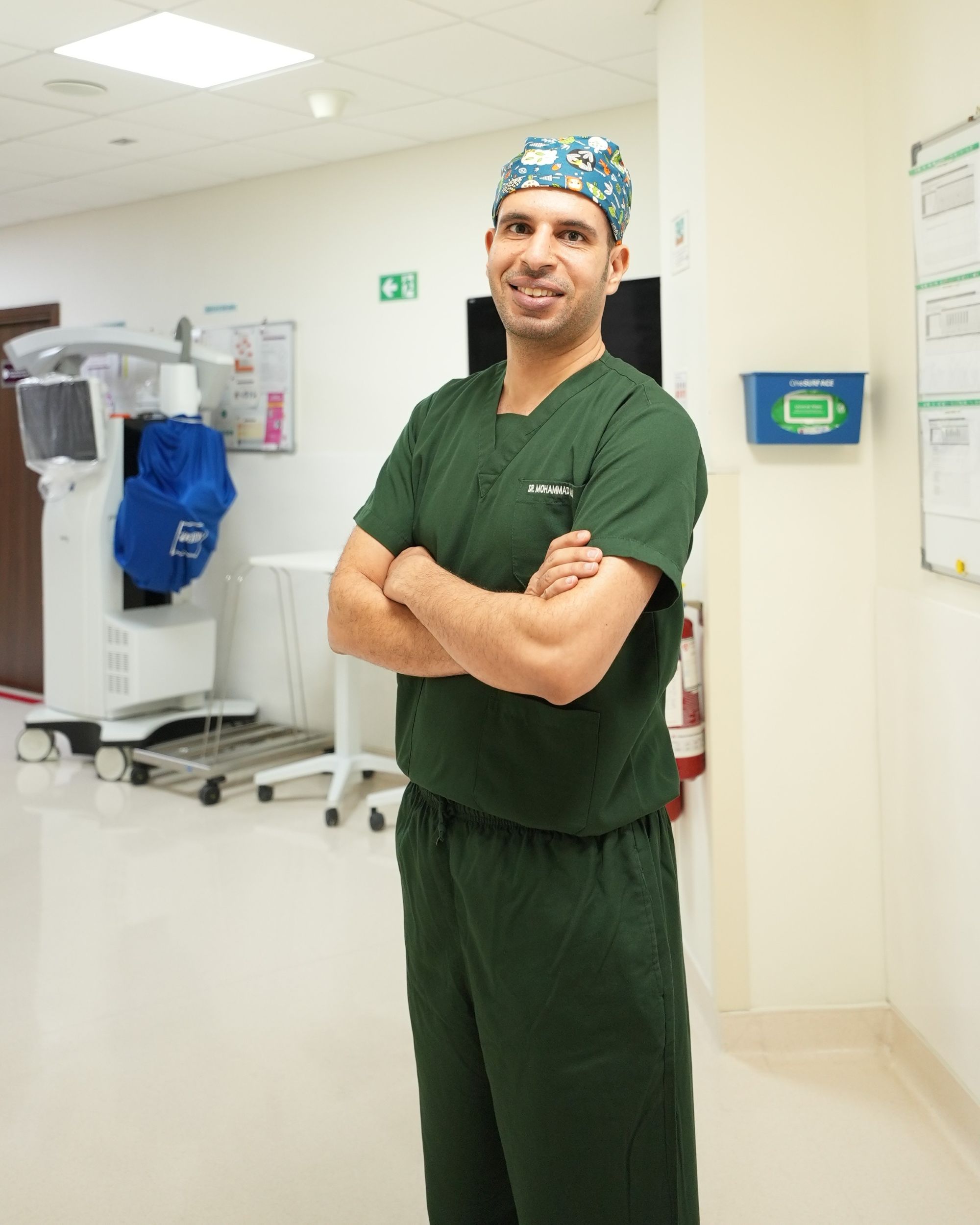
CT-planned corrective osteotomy of the distal radius with precise three-plane anatomical correction and intraoperative X-ray confirmation.
Book a ConsultationDr. Ali's fellowship training included advanced wrist reconstruction and corrective osteotomy. The subspecialty knowledge required to plan and execute a three-plane distal radius correction is not part of general orthopaedic training.
Every corrective osteotomy at Dr. Ali's Dubai practice is planned using three-dimensional CT measurement of both wrists. The correction is calculated in all three planes before the patient enters the operating theatre.
All surgical procedures are performed at DHA-regulated facilities in Dubai, providing regulatory compliance and intraoperative X-ray confirmation that the planned correction has been achieved.
When radial shortening malunion has produced secondary DRUJ instability, corrective osteotomy restores radial length and DRUJ mechanics at the same surgical episode, without a separate DRUJ procedure in the majority of cases.
You can book a corrective osteotomy consultation directly at dubaihand.com without a GP or specialist referral. Available everyday, 9 AM to 5 PM, Dubai, UAE.
Book a Consultation