
Carpal tunnel from typing: Causes, Prevention & Expert Treatment in UAE
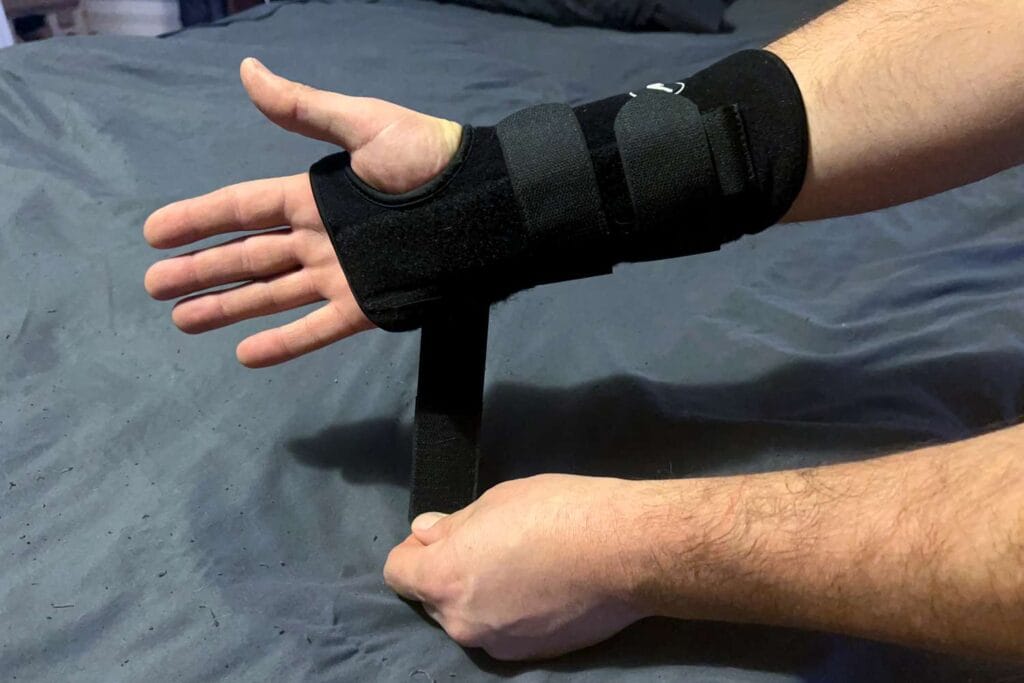
Understanding carpal tunnel from typing: Causes, Symptoms & Expert Care As a Fellowship-Trained Hand, Wrist, and Upper Limb Surgeon, Dr. Mohammad Ali brings specialized expertise to conditions like carpal tunnel syndrome. Our focus at dubaihand.com is providing advanced orthopedic care to patients across Dubai and the UAE. Experiencing pain or numbness and suspecting carpal tunnel from typing? This common condition affects many who spend hours at a keyboard. Understanding its true causes, preventing its onset, and exploring effective treatments are crucial steps toward relief and long-term hand health. What is carpal tunnel syndrome, and can typing cause it? Carpal tunnel syndrome is a frequent concern, but the relationship is often misunderstood. Carpal tunnel syndrome (CTS) occurs when the median nerve, which runs from your forearm into your hand, becomes compressed at the wrist. This compression happens within the carpal tunnel, a narrow passageway of bones and ligaments. Recent research clarifies that while typing doesn’t directly cause CTS in most cases, it is a significant aggravating factor. [3] [4] Repetitive motions and, critically, sustained awkward wrist postures contribute to inflammation and pressure within the carpal tunnel. [5] [6] [7] [8] [9] [10] [11] [12] [13] Does typing too much actually cause carpal tunnel? While occupational activities involving repetitive wrist flexion and extension are linked to CTS, typing volume alone isn’t the sole cause. A 2008 study noted that evidence linking computer use to CTS was mixed, emphasizing that risk factors are often multifactorial.[7] [11] However, poor ergonomics and prolonged incorrect posture can certainly exacerbate existing predispositions or accelerate symptom development. [9] [12] How long does it take to get carpal tunnel from typing? There’s no fixed timeline for developing carpal tunnel from typing. It typically develops gradually over weeks, months, or even years of consistent aggravating factors. Individual susceptibility, underlying health conditions (like diabetes or thyroid issues), and ergonomic habits all play a role in its onset and progression. Recognizing Symptoms of carpal tunnel from typing Identifying the symptoms of this condition early is key to effective management. These symptoms usually begin subtly and worsen over time, often affecting the dominant hand first. Is wrist pain from typing a sign of carpal tunnel syndrome? Yes, wrist pain from typing can certainly be a sign of carpal tunnel syndrome, though it’s not the only indicator. Many individuals with CTS experience a range of sensations in the hand and wrist. Other common symptoms include: These symptoms often worsen at night or after prolonged periods of activity, such as typing or using a smartphone. If you experience persistent wrist pain from typing, seeking a professional opinion is advisable. My hands hurt from phone use, is it carpal tunnel phone use smartphone related? Excessive carpal tunnel phone use smartphone interaction can indeed contribute to similar symptoms as typing. Holding a phone for extended periods, especially with the wrist bent or flexed, can put pressure on the median nerve. The repetitive thumb movements for scrolling and typing on a small screen also increase strain. This falls under the umbrella of carpal tunnel syndrome UAE patients often experience due to modern digital habits. Preventing carpal tunnel from typing: Ergonomics and Lifestyle Prevention is paramount, especially for office workers and those with a desk job wrist pain UAE. Implementing ergonomic adjustments and adopting healthier habits can significantly reduce the risk of developing or aggravating carpal tunnel syndrome. Ergonomic keyboard mouse carpal tunnel prevention strategies Optimizing your workspace is a critical step in carpal tunnel prevention typing. The goal is to maintain a neutral wrist position, minimizing bending or extension. Consider these adjustments: Investing in an ergonomic keyboard mouse carpal tunnel prevention setup can make a substantial difference . Split keyboards or vertical mice can encourage a more natural hand and wrist alignment. Managing repetitive strain injury wrist office workers commonly face Regular breaks and specific exercises can alleviate repetitive strain injury wrist office workers face. Incorporate these into your routine: Perform these exercises several times throughout the day, especially during short breaks from typing. Recent Insights: Understanding the Link in 2026 The understanding of carpal tunnel syndrome continues to evolve. As of 2025, the medical community emphasizes a multifactorial approach to CTS, moving beyond simple causation to a more nuanced view of risk and aggravation. [6] What’s new in understanding carpal tunnel from typing? Recent research highlights the critical role of sustained wrist extension or flexion, rather than just raw typing speed or volume. For instance, studies now more strongly link prolonged deviation of the wrist from a neutral position to increased pressure within the carpal tunnel . This means even moderate typing can be problematic if ergonomics are poor, while high-volume typing with excellent posture might pose less risk. This updated perspective reinforces the importance of sports injury prevention principles in daily work habits. Can typing too fast cause carpal tunnel? Typing speed itself is not a primary risk factor for carpal tunnel syndrome. The key concern remains the sustained wrist posture and the force applied, rather than how quickly the fingers move. Rapid typing with poor form, however, will exacerbate the problem more quickly than slow typing with poor form. Focus on maintaining a neutral wrist and light touch, regardless of your speed. Diagnosis and Treatment for carpal tunnel from typing If you suspect you have carpal tunnel from typing, seeking a professional diagnosis is the first step toward relief. Dr. Mohammad Ali offers comprehensive evaluation and tailored treatment plans for patients in Dubai and the UAE. How is carpal tunnel syndrome diagnosed? Diagnosis typically involves a thorough clinical examination, assessing your symptoms and medical history. Key diagnostic tests include: An accurate diagnosis is crucial to distinguish CTS from other conditions that cause hand or wrist pain treatment, such as tendinitis or cervical radiculopathy. Treatment options for carpal tunnel syndrome Treatment for carpal tunnel syndrome ranges from conservative approaches to surgical intervention, depending on the severity of your condition and how long you’ve experienced symptoms. Conservative Treatments Many patients find relief with non-surgical methods, especially
Carpal Tunnel Syndrome Pregnancy: Causes, Relief, & Postpartum Care

Carpal Tunnel Syndrome Pregnancy: A Comprehensive Guide for Expecting Mothers Authored by Dr. Mohammad Ali, a Fellowship-Trained Hand, Wrist and Upper Limb Surgeon, this guide offers expert insights into managing carpal tunnel syndrome during pregnancy. Dr. Ali is dedicated to providing specialized orthopedic care to patients across Dubai and the UAE. Carpal tunnel syndrome pregnancy is a common and often uncomfortable condition affecting many expecting mothers. This temporary issue, caused by increased fluid retention and hormonal changes, typically manifests as numbness, tingling, and pain in the hands and wrists. Understanding its causes, symptoms, and safe treatments is key to finding relief and ensuring comfort throughout your pregnancy journey. What is Carpal Tunnel Syndrome During Pregnancy? Carpal tunnel syndrome pregnancy refers to the compression of the median nerve at the wrist, specifically occurring during gestation. This condition is notably common among expecting mothers, distinguishing it from non-pregnancy related carpal tunnel syndrome. It is a temporary neurological condition affecting the hand and wrist. How Does Pregnancy Cause Carpal Tunnel Syndrome? The primary driver behind carpal tunnel syndrome during pregnancy is the body’s natural physiological changes. Increased fluid retention, hormonal fluctuations, and elevated blood volume contribute to swelling within the carpal tunnel, a narrow passageway in the wrist. This swelling compresses the median nerve, leading to characteristic symptoms. Why is Carpal Tunnel Syndrome Common During Pregnancy? When Do Symptoms Typically Start and Worsen? Symptoms of carpal tunnel syndrome during pregnancy most frequently emerge in the third trimester, often intensifying as the pregnancy progresses. This timing coincides with peak fluid retention and weight gain. Many women report symptoms worsening at night or after prolonged periods of hand use. Understanding the progression of carpal tunnel third trimester symptoms is crucial for timely management. Recognizing the Symptoms: What Does Carpal Tunnel Syndrome During Pregnancy Feel Like? The symptoms of carpal tunnel syndrome during pregnancy can range from mild to severe, significantly impacting daily activities and sleep. Recognizing these signs early is crucial for effective management and relief. Common Symptoms of Carpal Tunnel in Pregnancy Patients often describe a distinct set of symptoms that primarily affect the thumb, index, middle, and half of the ring finger. These are the areas supplied by the median nerve. These symptoms can be bilateral, affecting both hands, or unilateral, presenting in only one. They frequently worsen with repetitive hand movements or sustained wrist positions. If you are experiencing persistent wrist pain or numbness, seeking an assessment is important. Diagnosing Carpal Tunnel Syndrome in Pregnancy Accurate diagnosis of carpal tunnel syndrome during pregnancy relies on a thorough clinical examination and, in some cases, further diagnostic tests. It’s important to differentiate it from other conditions that might present with similar symptoms. What Tests Confirm Carpal Tunnel Syndrome During Pregnancy? A doctor will typically perform a physical examination to assess sensation, strength, and specific provocative tests. These include: Will Having Carpal Tunnel Affect My Pregnancy or Baby? Generally, carpal tunnel syndrome pregnancy is a benign condition that does not harm the baby or significantly affect the course of pregnancy pregnancybirthbaby.org.au. The discomfort is primarily experienced by the mother. However, severe untreated symptoms can affect a mother’s ability to care for herself or her newborn, highlighting the importance of management. Safe and Effective Management for Carpal Tunnel Syndrome Pregnancy The good news is that most cases of carpal tunnel syndrome pregnancy can be effectively managed with conservative, pregnancy-safe treatments. The goal is to reduce pressure on the median nerve and alleviate symptoms. Carpal Tunnel Pregnancy Safe Treatment Options A multi-faceted approach often yields the best results. These non-surgical interventions are generally safe for both you and your baby, providing effective carpal tunnel pregnancy safe treatment. When Are Steroid Injections Considered During Pregnancy? Corticosteroid injections can provide significant relief by reducing inflammation around the median nerve. While generally effective, their use during pregnancy is typically reserved for severe cases where conservative measures have failed, and the potential benefits outweigh any theoretical risks. Your doctor will discuss this option carefully, considering your stage of pregnancy and overall health. For a broader understanding of various treatment approaches, consult with a specialist. Exercises and Stretches for Carpal Tunnel Syndrome During Pregnancy Regular, gentle exercises can be very effective for carpal tunnel symptoms during pregnancy relief. These aim to improve mobility, reduce stiffness, and encourage fluid drainage. Simple Pregnancy Carpal Tunnel Exercises You Can Do Perform these exercises gently and stop if you feel any pain. Consistency is key. Ergonomic Tips for Pregnant Women with Carpal Tunnel Syndrome Adjusting your daily habits and environment can significantly reduce strain on your wrists and alleviate carpal tunnel syndrome pregnancy symptoms. These practical tips are especially helpful for those in busy environments like Dubai. Optimizing Your Workspace and Daily Activities Sleeping Positions to Reduce Wrist Pain Many people find their symptoms worsen at night. Adjusting your sleep position can make a big difference. When to See a Doctor for Carpal Tunnel Syndrome During Pregnancy While often temporary, it’s important to know when to seek professional medical advice for carpal tunnel syndrome pregnancy. Dr. Mohammad Ali, a specialist in hand and wrist conditions in Dubai, can provide a comprehensive assessment. Warning Signs and Persistent Symptoms Consult your doctor if: Early intervention can prevent symptoms from worsening and ensure you receive the most appropriate care, particularly for carpal tunnel syndrome pregnancy Dubai residents. Distinguishing Hand Swelling from Preeclampsia While general hand swelling is common in pregnancy and contributes to carpal tunnel, sudden and severe swelling, particularly in the face and hands, could be a sign of preeclampsia. This serious condition requires immediate medical attention. Preeclampsia is also characterized by high blood pressure and protein in the urine. Always consult your obstetrician if you notice sudden, severe swelling. Carpal Tunnel Syndrome After Pregnancy: Postpartum Recovery and Management The good news for most women is that carpal tunnel syndrome pregnancy is temporary. Symptoms typically resolve on their own after delivery, as the body sheds excess fluid and hormone levels normalize. When Will Carpal Tunnel During Pregnancy
Carpal Tunnel Worse at Night? Expert Relief Strategies in Dubai

Why is Carpal Tunnel Worse at Night? Expert Relief for Dubai Residents Authored by Dr. Mohammad Ali, a Fellowship-Trained Hand, Wrist and Upper Limb Surgeon, this article offers insights into why carpal tunnel symptoms intensify during sleep. Dr. Ali brings specialized knowledge to help patients in Dubai and the UAE understand and manage their condition effectively. If you find your carpal tunnel worse at night, you’re not alone. Many individuals experience a significant increase in numbness, tingling, and pain in their hands and wrists during sleeping hours. This nocturnal exacerbation is a hallmark symptom of Carpal Tunnel Syndrome (CTS), often disrupting sleep and impacting daily life. Key Takeaways Understanding Carpal Tunnel Syndrome and Its Nighttime Impact Carpal Tunnel Syndrome occurs when the median nerve, which runs from your forearm into the palm of your hand, becomes compressed or squeezed at the wrist. This compression happens within the carpal tunnel, a narrow passageway of ligaments and bones at the base of the hand. The median nerve controls sensations to your thumb, index, middle, and half of your ring fingers, as well as impulses to some small muscles in the hand that allow your thumb and fingers to move. When compressed, these sensory and motor functions are compromised, leading to characteristic symptoms. Why Does Carpal Tunnel Hurt More at Night? The Physiological Reasons Explained The intensification of carpal tunnel symptoms during the night is a common and often frustrating experience for many. Several physiological factors contribute to why carpal tunnel worse at night, making restful sleep a challenge. Understanding these mechanisms is the first step toward effective management. This is also why many ask, “why does carpal tunnel hurt more at night?” Wrist Position During Sleep: The Crucial Factor One of the primary reasons why carpal tunnel symptoms flare up at night is unconscious wrist flexion or extension during sleep. Many people sleep with their wrists bent or tucked under their pillows, which significantly increases pressure on the median nerve within the carpal tunnel. Maintaining a neutral wrist position is critical for reducing nerve compression. Without conscious effort, however, the wrists often default to compromising angles. Fluid Redistribution and Swelling During the day, gravity helps circulate fluids throughout the body. At night, when you lie down, fluid can redistribute more evenly, leading to increased fluid retention in the extremities, including the hands and wrists. This swelling can further narrow the carpal tunnel and compress the median nerve. This fluid shift, coupled with reduced muscle pump activity during sleep, exacerbates nerve compression, making symptoms like numbness and tingling more pronounced. This is a key reason why carpal tunnel hurts more at night. Inflammation and Nerve Sensitivity Underlying inflammation within the carpal tunnel, often due to repetitive strain or other medical conditions, can heighten nerve sensitivity. While inflammation is present throughout the day, the relative inactivity at night might make the nerve more reactive to even subtle pressure changes. Furthermore, the body’s natural inflammatory response can vary throughout a 24-hour cycle, potentially peaking at night for some individuals. Reduced Blood Flow to the Median Nerve During sleep, the body’s metabolic rate and blood pressure naturally decrease. This can lead to reduced blood flow to the median nerve, particularly if the wrist is in a flexed or extended position, which further compromises circulation. A compromised blood supply means less oxygen and nutrients reach the nerve, making it more susceptible to pain and dysfunction. Lack of Distraction: Heightened Awareness of Symptoms Throughout the day, constant activity and distractions often prevent individuals from focusing intensely on mild discomfort. At night, in the quiet of the bedroom, with fewer distractions, people become more acutely aware of their body’s sensations, including pain and tingling from carpal tunnel. This heightened awareness can make even mild symptoms feel more severe and disruptive. Body Temperature and Nerve Response Some research suggests that colder temperatures can exacerbate nerve pain, making symptoms like numbness and tingling more pronounced. While the direct mechanism for carpal tunnel is debated, a cooler environment during sleep might contribute to increased nerve sensitivity for some individuals. Maintaining a comfortable, consistent room temperature can be a small but helpful step in managing nighttime symptoms. Recognizing Nighttime Carpal Tunnel Symptoms The first signs of carpal tunnel syndrome often appear at night. You might wake up with a feeling of “pins and needles” in your hand, or a sensation that your hand has “fallen asleep.” These symptoms typically affect the thumb, index, middle, and half of the ring finger. The little finger is usually spared because its sensation is controlled by the ulnar nerve, not the median nerve. Pain can also radiate up the arm towards the shoulder. Which fingers are affected by carpal tunnel? Carpal tunnel syndrome primarily affects the thumb, index finger, middle finger, and the thumb-side half of the ring finger. This distribution directly correlates with the sensory innervation of the median nerve. The little finger (pinky) and the outer half of the ring finger are typically unaffected, which can help distinguish carpal tunnel syndrome from other conditions. Can carpal tunnel cause weakness? Yes, as carpal tunnel syndrome progresses, it can cause weakness in the hand, particularly in the muscles at the base of the thumb. This weakness can make it difficult to grasp objects, pinch, or perform fine motor tasks. In severe, long-standing cases, muscle wasting (atrophy) at the base of the thumb may become visible, indicating significant nerve damage. How do I know if it’s Carpal Tunnel or Arthritis? Distinguishing carpal tunnel from arthritis is important for correct diagnosis and treatment. Carpal tunnel typically causes numbness, tingling, and pain in specific fingers, often worse at night. Arthritis, on the other hand, usually presents with joint pain, stiffness, and swelling, which can affect any joint in the hand and wrist. Arthritic pain is often worse with activity and improves with rest, whereas carpal tunnel pain often worsens with rest at night. A medical professional can perform specific tests to differentiate between these conditions. The Progression: When Nighttime
Carpal Tunnel Syndrome UAE: Your Guide to Expert Diagnosis & Treatment

Carpal Tunnel Syndrome UAE: Your Complete Guide to Diagnosis & Treatment Authored by Dr. Mohammad Ali, a Fellowship-Trained Hand, Wrist and Upper Limb Surgeon, this guide offers expert insights into carpal tunnel syndrome, drawing on extensive experience in orthopedic surgery in Dubai. Experiencing persistent hand pain or numbness in thumb index middle finger? Carpal tunnel syndrome UAE is a common condition affecting many residents. This comprehensive guide helps you understand symptoms, causes, and the best available diagnosis and treatment options to regain comfort and function. We aim to provide clear, actionable insights for those seeking relief and long-term solutions in the region. Addressing Your Needs: What to Expect from Carpal Tunnel Syndrome UAE Treatment When searching for “carpal tunnel syndrome UAE,” you’re likely seeking clear answers, reliable diagnoses, and effective treatment pathways available in the region. Patients often want to understand their symptoms, know if surgery is necessary, and find qualified specialists. This guide is designed to address these core concerns, providing a comprehensive overview of the condition, from initial symptoms and diagnostic procedures to a full spectrum of non-surgical and surgical interventions. Our goal is to empower you with the knowledge needed to make informed decisions about your hand health and connect you with expert care in Dubai and across the UAE. What is Carpal Tunnel Syndrome? Understanding the Basics Carpal tunnel syndrome (CTS) is a condition that causes pain, numbness, and tingling in the hand and arm. It occurs when the median nerve, which runs from the forearm into the palm of the hand, becomes compressed or squeezed at the wrist. The carpal tunnel itself is a narrow passageway located on the palm side of your wrist. It is formed by bones and ligaments, protecting the median nerve and nine tendons that flex your fingers. When this space narrows, or tissues around the tendons swell, it can put pressure on the median nerve. Symptoms of Carpal Tunnel Syndrome Recognizing the symptoms early is key to effective treatment for carpal tunnel syndrome UAE. They usually start gradually and can worsen over time. If you experience these symptoms, especially persistent numbness in thumb index middle finger, seeking medical advice is important. Early intervention can prevent long-term damage. Common Causes and Risk Factors The exact cause of carpal tunnel syndrome is often unknown, but several factors can contribute to its development. Understanding these factors can help in prevention and management. For comprehensive hand health, consider exploring resources on how to prevent trigger finger, as repetitive strain can impact various hand conditions. Diagnosing Carpal Tunnel Syndrome in the UAE Accurate diagnosis is crucial for effective treatment of carpal tunnel syndrome UAE. Hand specialists in the region utilize a combination of clinical evaluation and diagnostic tests to confirm the condition. Physical Examination and Medical History Your doctor will start by taking a detailed medical history, asking about your symptoms, their duration, and any aggravating factors. A physical examination will involve testing sensation in your fingers and strength in your hand and wrist. Nerve Conduction Studies and Electromyography (EMG) These are the most definitive tests to confirm carpal tunnel syndrome and assess the severity of nerve compression. Imaging Tests (Ultrasound, MRI) While not always necessary, imaging tests can provide additional information, especially if other conditions are suspected or if surgery is being considered. Non-Surgical Treatment Options for Carpal Tunnel Syndrome in the UAE For mild to moderate cases of carpal tunnel syndrome UAE, non-surgical approaches are often the first line of treatment. These aim to reduce pressure on the median nerve and alleviate symptoms. Wrist Splinting and Bracing Wearing a wrist splint, especially at night, helps keep the wrist in a neutral position, reducing pressure on the median nerve. This can significantly reduce nocturnal numbness in thumb index middle finger and pain. Many pharmacies and medical supply stores across the UAE offer a variety of splints. For example, specialized wrist braces can be found through retailers like Ubuy, which offers options for carpal tunnel support. Medications (NSAIDs, Corticosteroids) Over-the-counter non-steroidal anti-inflammatory drugs (NSAIDs) like ibuprofen can help relieve pain and inflammation. In some cases, your doctor might prescribe stronger oral corticosteroids for a short period to reduce swelling. Physical and Occupational Therapy A physical or occupational therapist can teach you exercises to strengthen your wrist and hand muscles, improve nerve gliding, and modify daily activities to reduce strain on your wrist. This is often a critical component of non-surgical management. Corticosteroid Injections Your doctor may inject a corticosteroid directly into the carpal tunnel. This powerful anti-inflammatory medication can provide temporary relief by reducing swelling around the median nerve. The effects can last from several weeks to several months. Lifestyle Modifications Making ergonomic adjustments at work and home can significantly help. This includes: Carpal Tunnel Release Surgery in the UAE: When is it Needed? If non-surgical treatments don’t provide sufficient relief, or if nerve damage is significant, carpal tunnel release surgery is often recommended. This procedure aims to relieve pressure on the median nerve by cutting the transverse carpal ligament. Types of Carpal Tunnel Surgery (Open vs. Endoscopic) There are two primary surgical techniques for carpal tunnel release, both performed in the UAE. Surgical Type Description Pros Cons Open Carpal Tunnel Release A small incision (typically 2-3 cm) is made in the palm of the hand. The surgeon directly visualizes and cuts the transverse carpal ligament. Direct visualization, widely available, lower risk of nerve damage in some complex cases. Larger incision, potentially longer recovery for scar tenderness, more visible scar. Endoscopic Carpal Tunnel Release One or two smaller incisions (less than 1 cm) are made. A tiny camera (endoscope) is inserted to guide the surgeon in cutting the ligament. Smaller incisions, potentially faster initial recovery and less post-operative pain, less visible scarring. Requires specialized equipment and training, slightly higher risk of incomplete release or nerve injury in less experienced hands. What to Expect Before, During, and After Surgery Preparing for carpal tunnel surgery in the UAE involves a thorough consultation with your hand surgeon,