
Elbow Pain Weight Lifting? Fast Recovery with Dr Mohamed Ali

Struggling with elbow pain from weight lifting? Discover the fastest ways to heal Lifter’s Elbow. Book a consultation with Dr. Mohamed Ali today.
Treatment for ligament instability in athletes: Expert Care in Dubai
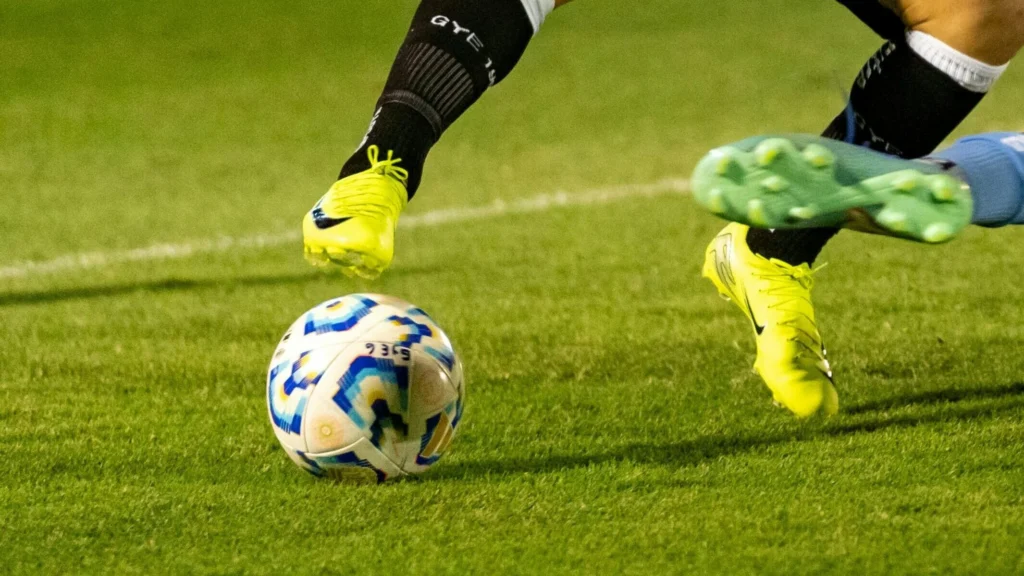
Comprehensive treatment for ligament instability in athletes For athletes facing ligament injuries, effective treatment for ligament instability in athletes is paramount for a successful return to sport. Lingering instability can hinder performance, but with accurate diagnosis and a personalized plan, full recovery is achievable. This guide explores various treatment options, from conservative methods to advanced surgical techniques and rehabilitation strategies, ensuring athletes in Dubai and the UAE can make informed decisions about their care and regain their competitive edge. Understanding Your Search: Seeking Solutions for Ligament Instability When searching for “treatment for ligament instability in athletes,” you’re likely looking for comprehensive information on how to address a sports-related ligament injury, understand available treatment options, and find pathways to recovery. This article aims to provide athletes in Dubai and the UAE with a clear guide, from initial diagnosis to advanced rehabilitation, ensuring you can make informed decisions about your care and return to your sport safely and effectively. Our goal is to empower you with knowledge about both conservative and surgical approaches, emphasizing personalized care for optimal outcomes. What Exactly is Ligament Instability in Athletes? Ligaments are tough, fibrous bands of connective tissue that connect bones to other bones, providing vital stability to our joints. In athletes, these structures are frequently subjected to high forces and repetitive stress, making them susceptible to injury. When a ligament is stretched or torn, it can lead to joint laxity or instability. This instability means the joint moves beyond its normal range, compromising its ability to function correctly and increasing the risk of further injury. Understanding the specific ligament affected and the degree of injury is the first step in determining the most effective treatment for ligament instability in athletes. What causes ligament instability? Ligament instability most commonly arises from acute trauma, such as a sudden twist, fall, or direct impact during sports activities. Common scenarios include: Overuse or chronic microtrauma can also weaken ligaments over time, leading to gradual instability. Genetic factors or certain connective tissue disorders can predispose some individuals to ligamentous laxity, making them more prone to instability even without significant trauma. Understanding the Grades of Ligament Injuries in Athletes (Severity and Implications) Ligament injuries, commonly known as sprains, are classified into three grades based on their severity. This grading system guides the management of ligament instability in athletes and predicts recovery timelines. Initial Treatment Approaches for Ligament Instability: The R.I.C.E. Protocol and Beyond For immediate self-care following a ligament injury, especially for Grade I and II sprains, the R.I.C.E. approach is a fundamental first line of defense. You can find a comprehensive overview of sprain diagnosis and treatment, including the R.I.C.E. protocol, from authoritative sources like the Mayo Clinic. The R.I.C.E. protocol involves: Beyond R.I.C.E., over-the-counter pain medications like ibuprofen or acetaminophen can help manage pain and inflammation. Early consultation with a specialist, such as an orthopedic doctor in Dubai, is recommended to accurately diagnose the injury and establish a comprehensive treatment plan. When is Non-Surgical Treatment for Ligament Instability in Athletes Effective? Non-surgical approaches are highly effective for many ligament injuries, particularly Grade I and II sprains, and even some Grade III ankle ligament ruptures. The goal is to promote healing, restore stability, and prevent chronic instability. Key components of effective non-surgical treatment for ligament instability in athletes include: Many athletes can achieve full recovery and return to their sport with a well-structured non-surgical plan. The effectiveness hinges on adherence to the rehabilitation program and careful progression. Advanced Non-Surgical Treatments: Injections and Regenerative Therapies for Athletes For athletes seeking to accelerate healing or manage persistent symptoms, advanced non-surgical options are increasingly being explored. These therapies aim to enhance the body’s natural healing capabilities. How do you stabilize a loose ligament? Stabilizing a loose ligament often involves a combination of these advanced treatments alongside targeted rehabilitation. These therapies aim to strengthen the existing ligament tissue or stimulate new tissue growth, thereby improving joint stability and function. What is the new treatment for ligament repair? Regenerative medicine, including Platelet-Rich Plasma (PRP) and other biologic injections, represents a growing area in managing ligament instability in athletes. Here’s a closer look: These advanced treatments are typically considered after conservative methods have been exhausted or for specific injury types where evidence supports their use. A thorough evaluation by a sports medicine specialist is essential to determine suitability. Surgical Interventions for Ligament Instability in Athletes: Repair vs. Reconstruction When conservative and advanced non-surgical treatments are insufficient, or for severe Grade III ligament ruptures, especially in high-performance athletes, surgical intervention becomes a necessary option for addressing ligament instability in athletes. What are the latest techniques for surgical ligament repair? Surgical Technique Description When It’s Used Considerations for Athletes Ligament Repair Directly stitching the torn ends of the ligament back together. Often for acute tears, particularly in ligaments with good healing potential like the Medial Collateral Ligament (MCL). Preserves native tissue; faster initial recovery than reconstruction in some cases, but may not be suitable for severely retracted tears or chronic instability. Ligament Reconstruction Replacing the torn ligament with a graft, either from the patient’s own body (autograft) or from a donor (allograft). For complete ruptures (Grade III), chronic instability, or when direct repair is not feasible (e.g., ACL tears). Provides robust stability; autografts are generally preferred for younger, active athletes due to lower graft failure rates. For injuries like an ACL tear, reconstruction is often performed, with options including patellar tendon, hamstring, or quadriceps tendon autografts. Recent advancements include combined techniques like Anterolateral Ligament (ALL) reconstruction or Lateral Extra-articular Tenodesis (LET) alongside ACL reconstruction to enhance rotational stability and reduce re-rupture rates, particularly in young athletes with high-grade instability. For more specific upper limb procedures, our clinic offers expertise in collateral ligaments repair and carpal ligaments repair. The Critical Role of Physical Therapy in Recovering from Ligament Instability Physical therapy is not merely a supportive measure; it is a fundamental and active component of managing this condition in athletes. Its importance cannot be overstated, whether following conservative management or post-surgery. A structured
Tennis elbow pain relief tips in Dubai with Dr. Mohamed Ali.
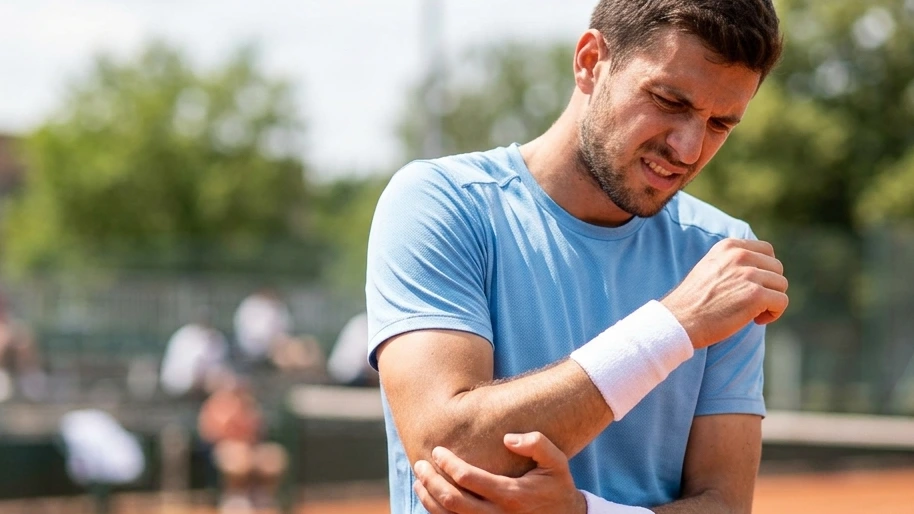
Waking up with a sharp, burning pain on the outside of your elbow can make the simplest tasks feel monumental. Whether it is turning a doorknob, lifting your morning cup of coffee, or shaking hands during a business meeting in Downtown Dubai, lateral epicondylitis can significantly disrupt your lifestyle. If you are searching for effective, long-term tennis elbow pain relief, you are not alone. While the condition is highly frustrating, specialized orthopedic care can help you regain pain-free function. For individuals navigating this painful condition, understanding the root causes and modern treatment options is the first step toward recovery. Seeking consultation from a leading specialist, such as Dr. Mohamed Ali, ensures access to advanced treatments tailored to your specific physical demands. What is Tennis Elbow? Despite its name, tennis elbow—medically known as lateral epicondylitis—is not limited to athletes. It is a painful musculoskeletal condition characterized by the inflammation or micro-tearing of the tendons that join your forearm muscles to the outside of your elbow. Specifically, it targets the Extensor Carpi Radialis Brevis (ECRB) tendon. This muscle and tendon structure is responsible for stabilizing the wrist when the elbow is straight. When weakened by repetitive stress, tiny tears form at the point where the tendon attaches to the lateral epicondyle (the bony bump on the outside of your elbow), leading to persistent distress and decreased grip strength. How Do You Get Tennis Elbow? This condition is fundamentally an overuse injury driven by repetitive microtrauma. Any activity that places prolonged stress on the forearm extensor muscles can strain the tendon tissue. Common causes include: Repetitive Motions: Activities involving continuous wrist extension, forearm supination (turning the palm up), or gripping. Occupational Hazards: Professionals in trades such as plumbing, painting, carpentry, and typing are highly susceptible due to repetitive tool handling. Sports Mechanics: Playing racket sports with improper technique, an oversized grip, or heavy balls increases the mechanical load on the elbow joint. Sudden Unaccustomed Activity: Embarking on intense manual tasks, such as heavy lifting or home renovation projects, without proper physical conditioning. How to Know If You Have Tennis Elbow Identifying the early signs of lateral epicondylitis allows you to seek intervention before the tendon undergoes structural failure or extensive fibrosis. Watch for these hallmark symptoms: Localized Pain: A dull ache or sharp pain directly over the bony bump on the outside of your elbow. Radiation: Pain that travels down your forearm toward the wrist, especially during or after activity. Grip Weakness: Difficulty holding everyday objects, opening jars, or maintaining a firm handshake due to localized discomfort. Aggravation with Extension: Noticeable pain amplification when you extend your wrist or fingers against resistance, such as lifting a laptop or typing. Does Tennis Elbow Go Away on Its Own? The natural progression of a tendon injury depends heavily on early management and activity modification. In many instances, mild cases can resolve over a period of several months through dedicated rest and the avoidance of aggravating activities. However, because tendons receive a limited blood supply compared to muscles, the self-repair process is inherently slow. Without targeted clinical evaluation and biomechanical corrections, chronic degeneration can develop. Left unmanaged, what begins as minor tissue inflammation can evolve into permanent tendon scarring, structural weakness, and persistent pain that fails to improve on its own. How to Diagnose Tennis Elbow When you visit a clinical specialist, a definitive diagnosis is established primarily through a detailed physical evaluation. A skilled physician will perform specialized provocative maneuvers to isolate the source of your pain: The Cozen Test: The specialist applies resistance against your extended wrist while palpating the lateral epicondyle. If this action replicates your pain, the test is positive. The Mill’s Test: The doctor gently stretches the forearm extensor muscles by flexing your wrist while keeping the elbow straight. The Middle Finger Test: Resistance is applied to your middle finger to differentiate lateral epicondylitis from radial tunnel syndrome, a nerve entrapment issue that mimics elbow pain. While diagnostic imaging like X-rays cannot show tendon damage, they are used to rule out arthritis or bone spurs. For chronic or complex cases, an ultrasound or Magnetic Resonance Imaging (MRI) may be requested to visualize the exact extent of tendon micro-tears or tissue degradation. How to Fix Tennis Elbow Achieving lasting tennis elbow pain relief requires a systematic approach that moves beyond temporary symptom masking to target the underlying tissue degeneration. The standard protocol follows a progressive ladder of non-invasive and minimally invasive interventions. 1. Advanced Non-Surgical Treatments For cases that do not respond to basic home care, cutting-edge regenerative medicine provides a highly effective alternative. Regenerative therapies can stimulate the body’s natural healing mechanisms to repair structural tissue damage without surgery. Platelet-Rich Plasma (PRP) Injections:This modern treatment utilizes a concentrated solution of your own blood platelets, rich in growth factors, which is precisely injected into the damaged ECRB tendon origin. Clinical evidence demonstrates that while corticosteroid injections offer short-term relief, PRP therapy delivers significantly superior pain reduction and functional improvement at the 3-month and 6-month marks by actively promoting tissue repair. Extracorporeal Shockwave Therapy (ESWT):This non-invasive method delivers acoustic sound waves directly to the affected elbow area. Clinical studies confirm that ESWT significantly decreases pain scores and improves physical functionality by breaking down scar tissue, boosting local blood circulation, and restarting the healing process in chronic, non-responsive conditions. 2. Surgical Interventions Surgery is reserved as a final option, considered only after 6 to 12 months of comprehensive, failed conservative therapy. The procedure focuses on the precise debridement (removal) of chronically degraded, pathological tendon tissue and the reattachment of healthy tendon fibers to the bone bed to stimulate a robust healing response. Modern options include minimally invasive arthroscopic surgery, which allows for faster recovery times and a quicker return to daily routines. Tennis Elbow Pain Relief Medicine Pharmacological options are valuable for controlling acute flare-ups and keeping discomfort manageable during your recovery. Topical NSAIDs: Gels and patches containing nonsteroidal anti-inflammatory drugs (such as diclofenac) are highly recommended as a first-line approach. They deliver
Discover the 7 Proven Sports Injury Therapy Tips in Dubai
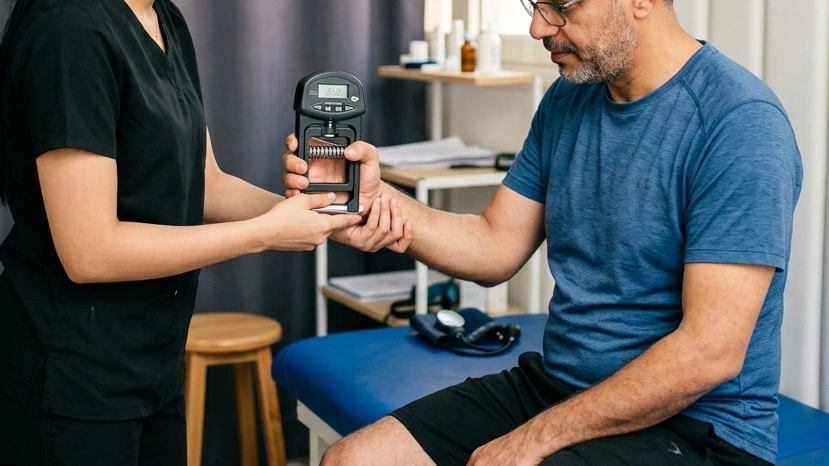
Living an active life in Dubai is exciting. From padel, football, tennis, running, cycling, CrossFit, swimming, and gym training to weekend desert activities, movement is part of the city’s lifestyle. But when pain, swelling, instability, or a sudden injury interrupts your routine, you need more than rest and guesswork. You need a clear plan, an accurate diagnosis, and a safe route back to the activities you enjoy. That is where sports injury therapy becomes essential. Sports injury therapy is not only for professional athletes. It is for anyone whose muscles, joints, bones, tendons, or ligaments have been affected by sport, exercise, training overload, or physical activity. Whether you are preparing for a race, returning after an ACL injury, recovering from shoulder pain, or dealing with a recurring ankle sprain, the right care can help you heal properly rather than simply “push through” symptoms. This guide explains what sports injuries are, when to seek medical help, how diagnosis works, and how a structured treatment and rehabilitation plan can help you return to sport with confidence. Early sports injury therapy also gives you a safer way to protect your progress before a minor injury becomes a long-term limitation. If you are searching online for “sports injury doctor dubai,” Dr Mohamed Ali offers orthopedic-focused care for active people who want practical answers, safer recovery, and long-term injury prevention. What Are Sports Injuries? Sports injuries are injuries that happen during sport, exercise, training, or physical activity. They may involve muscles, tendons, ligaments, bones, cartilage, joints, nerves, or other soft tissues. Some injuries are acute, meaning they occur suddenly after a twist, fall, collision, awkward landing, or heavy lift. Others develop gradually because of repetitive overload, poor technique, muscle imbalance, limited mobility, or inadequate recovery. Medical references describe sports injuries as muscle, bone, and soft-tissue injuries that may occur suddenly or develop over time. A sprained ankle after football is an acute injury. Achilles tendinitis from repeated running load is usually an overuse injury. Shoulder impingement from repetitive overhead activity may build slowly until everyday movements become painful. Both types deserve attention because untreated injuries can affect movement patterns, cause compensation, and increase the chance of future problems. The purpose of sports injury therapy is to identify what is damaged, understand why it happened, control pain, restore movement, rebuild strength, and prepare the body for the real demands of sport. What Are the 7 Common Types of Sports Injuries? Most sports injuries fall into several common categories. The exact injury pattern depends on your sport, training history, biomechanics, and previous injuries. Sprains:A sprain happens when a ligament is stretched or torn. Ankles, knees, and wrists are common sites. A mild sprain may improve quickly, while a severe ligament injury can cause instability and may need bracing, imaging, or surgical assessment. Strains:A strain affects a muscle or tendon. Hamstring, calf, groin, shoulder, and lower back strains are common in sports that involve sprinting, sudden direction changes, lifting, or explosive movement. Fractures and stress fractures:A fracture is a break in the bone. Stress fractures are small cracks caused by repeated overload, often in runners or athletes who increase training volume too quickly. Tendon injuries:Tendinitis and tendinopathy affect tendons such as the Achilles tendon, patellar tendon, rotator cuff, or elbow tendons. These often develop from repetitive loading without enough recovery. Knee ligament and cartilage injuries:ACL, MCL, meniscus, and cartilage injuries are common in football, basketball, tennis, skiing, combat sports, and activities involving pivoting, landing, or sudden stops. Dislocations and instability injuries:A dislocation occurs when a bone moves out of its normal joint position. Shoulder dislocations are common in contact sports and falls, and they need proper medical evaluation. Contusions and impact injuries:Bruising, muscle contusions, and direct impact injuries can look simple at first but may affect movement, strength, and training tolerance. Head injuries and suspected concussions should always be taken seriously. Sprains, strains, fractures, dislocations, tendon injuries, and contusions are widely recognized as common sports-related injuries. These categories are a starting point. A personalized sports injury therapy plan looks beyond the label and asks: what tissue is injured, what stage of healing is it in, and what does your body need next? Which Body Parts Get Injured the Most in Sports? Sports place repeated stress on moving joints and the tissues that support them. The most commonly affected areas include: Ankles and feet: sprains, fractures, Achilles tendinopathy, plantar fascia pain, and stress injuries. Knees: ACL injuries, meniscus tears, runner’s knee, jumper’s knee, kneecap tracking problems, and cartilage pain. Shoulders: rotator cuff injuries, impingement, instability, dislocations, and labral injuries. Elbows and wrists: tennis elbow, golfer’s elbow, ligament sprains, and impact injuries. Hips and groin: muscle strains, hip impingement symptoms, adductor injuries, and overuse pain. Back and neck: muscle strains, disc-related symptoms, posture-related overload, and contact-related pain. Head: concussions and facial injuries in contact or collision sports. In Dubai, we also see patterns linked to lifestyle and environment: hard-court sports, rapid changes in training intensity, dehydration, heat exposure, long work hours followed by intense evening exercise, and weekend-only high-load activity. Sports injury therapy helps connect these details to your recovery plan. What Causes Sports Injuries? Sports injuries usually happen because the demand placed on the body exceeds what the tissue can safely tolerate at that moment. Common causes include: Sudden falls, twists, tackles, collisions, or awkward landings. Training too hard, too often, or too soon after time off. Poor warm-up, limited mobility, or inadequate conditioning. Weakness, imbalance, or poor control around key joints. Incorrect technique in running, lifting, jumping, or changing direction. Worn-out footwear or unsuitable equipment. Playing through pain instead of modifying activity. Previous injuries that were never fully rehabilitated. Fatigue, dehydration, poor sleep, or insufficient recovery. Medical sources commonly identify accidents, poor training practices, improper gear, lack of conditioning, overtraining, inadequate warm-up, and direct impact as frequent causes or risk factors for sports injuries. One of the most important goals of sports injury therapy is to find the root cause. Pain relief matters, but long-term success depends
Sports Injury Prevention: 7 Proven Strategies for Athletes.
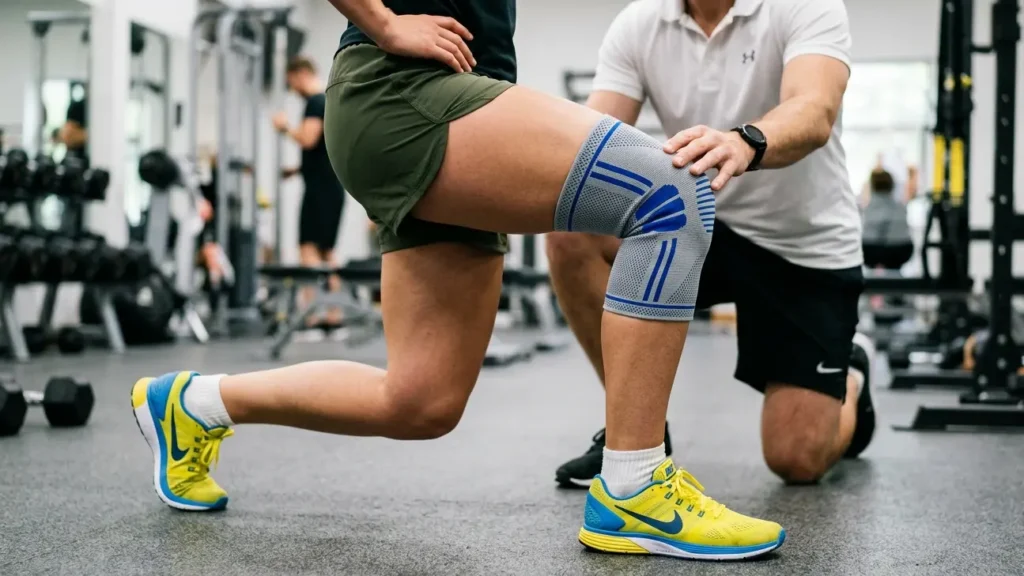
Dubai is an exciting place to stay active. From padel courts and football pitches to gyms, cycling tracks, running clubs, tennis academies, and desert fitness events, the city gives people countless ways to move. But active living also brings a common problem: injuries that interrupt training, work, sleep, and everyday comfort. That is where sports injury prevention becomes more than a fitness topic; it becomes a practical orthopedic strategy for protecting your body before pain takes control. In a city where people often train before work, after long office hours, or outdoors in challenging heat, sports injury prevention should be practical, personalized, and easy to follow. Whether you are a weekend football player, a gym enthusiast, a runner preparing for a race, a young athlete, or someone returning to exercise after months away, the same principle applies: your body performs best when movement, strength, flexibility, recovery, and technique work together. The goal is not to avoid all physical stress. The goal is to train smart enough that your bones, joints, muscles, tendons, and ligaments can adapt safely. This guide explains what sports injuries are, why they happen, how to reduce your risk, and when to seek orthopedic assessment in Dubai. It also explains sports injury prevention and management in a simple, actionable way so you can make better decisions before, during, and after training. What Are Sports Injuries? Sports injuries are injuries that occur during exercise, training, competition, or recreational physical activity. They may happen suddenly, such as when you twist an ankle during football, land awkwardly after a jump, or fall during cycling. They may also develop gradually when repeated stress overwhelms the body’s ability to recover. Orthopedic sports injuries usually affect: Muscles Tendons Ligaments Bones Cartilage Joints Nerves The hand, wrist, shoulder, knee, ankle, hip, and spine Some injuries are mild and improve with rest and guided rehabilitation. Others require imaging, structured sports injury management, bracing, injections, or surgery. The earlier you understand the warning signs, the easier it is to prevent a small problem from becoming a long-term limitation. Good sports injury prevention begins with knowing which tissues are at risk and why. What Are the Most Common Sports Injuries? Most sports injuries fall into a few recognizable categories. Knowing them helps you understand where sports injury prevention should focus, especially if your sport involves sprinting, jumping, gripping, lifting, or sudden direction changes. SprainsA sprain happens when a ligament is stretched or torn. Ligaments connect bones to other bones and help stabilize joints. Ankle sprains are especially common in football, basketball, running, and court sports. StrainsA strain affects a muscle or tendon. Hamstring, calf, shoulder, and lower back strains are common in sprinting, gym training, CrossFit-style workouts, and sudden acceleration sports. Tendon InjuriesTendons connect muscles to bones. Repetitive loading can lead to tendinitis or tendinopathy, especially in the Achilles tendon, patellar tendon, rotator cuff, elbow tendons, and wrist tendons. Knee InjuriesThe knee is vulnerable because it handles twisting, jumping, landing, cutting, and heavy loading. Common issues include ACL injuries, meniscus tears, patellar pain, ligament sprains, and cartilage irritation. Shoulder InjuriesShoulder injuries are common in swimming, tennis, volleyball, weightlifting, and throwing sports. Pain may come from rotator cuff irritation, instability, impingement, labral injuries, or poor shoulder blade mechanics. Hand and Wrist InjuriesFalls, racquet sports, boxing, gym lifting, and contact sports can injure the wrist, fingers, thumb, or hand. If grip strength, finger movement, or wrist stability is affected, it is worth seeing an orthopedic specialist. Many patients searching for the best hand surgeon dubai are dealing with sports-related fractures, tendon injuries, ligament tears, or nerve compression that should not be ignored. Fractures and DislocationsA fracture is a break in a bone. A dislocation happens when a joint is forced out of position. These injuries require prompt medical assessment, especially if there is deformity, severe swelling, numbness, or inability to bear weight. Causes of Sports Injuries Sports injuries rarely happen for one reason only. They usually result from a combination of load, fatigue, technique, environment, equipment, and physical readiness. A useful sports injury prevention plan looks at all of these factors instead of blaming one bad movement. Common causes include: Poor warm-up or skipping warm-up completely Sudden increase in training intensity or volume Weakness in key muscle groups Poor flexibility or mobility Muscle imbalance between the right and left sides Incorrect lifting, running, jumping, or landing technique Training while tired or in pain Inadequate rest between sessions Poor footwear or unsuitable equipment Returning to sport too soon after an injury Dehydration or heat stress, especially during outdoor activity in Dubai Ignoring early symptoms until they become severe Effective sports injury prevention starts by identifying which of these causes applies to your routine. What Are the Risk Factors for Sports Injuries? Risk factors can be divided into internal and external factors. Internal factors come from your body. External factors come from your training environment. Internal Risk Factors Previous injury Poor conditioning Limited joint mobility Weak core or hip control Poor balance and coordination Flat feet or high arches that affect movement mechanics Age-related tendon or joint changes Growth spurts in young athletes Low sleep quality Low energy availability from poor nutrition External Risk Factors Hard or uneven playing surfaces Poorly fitted shoes or protective gear Overcrowded training spaces Inexperienced coaching High training load without progression Hot and humid outdoor conditions Contact with other players Inadequate recovery time between matches or workouts In Dubai, heat and hydration deserve special attention. Outdoor football, running, cycling, tennis, and bootcamp sessions can become risky when athletes underestimate fluid loss, fatigue, and heat-related stress. For this reason, sports injury prevention in Dubai should include temperature, timing, water intake, and recovery planning. Read also about Sports Injury Management: From Diagnosis to Full Recovery. What Are the Symptoms of Sports Injuries? Some injuries are obvious. Others begin quietly and worsen with continued training. Watch for: Sudden sharp pain Swelling or bruising Tenderness over a bone, tendon, or joint Reduced range of motion Weakness or instability Limping
Discover how to Heal Tennis Elbow Fast with Dr Mohamed Ali.
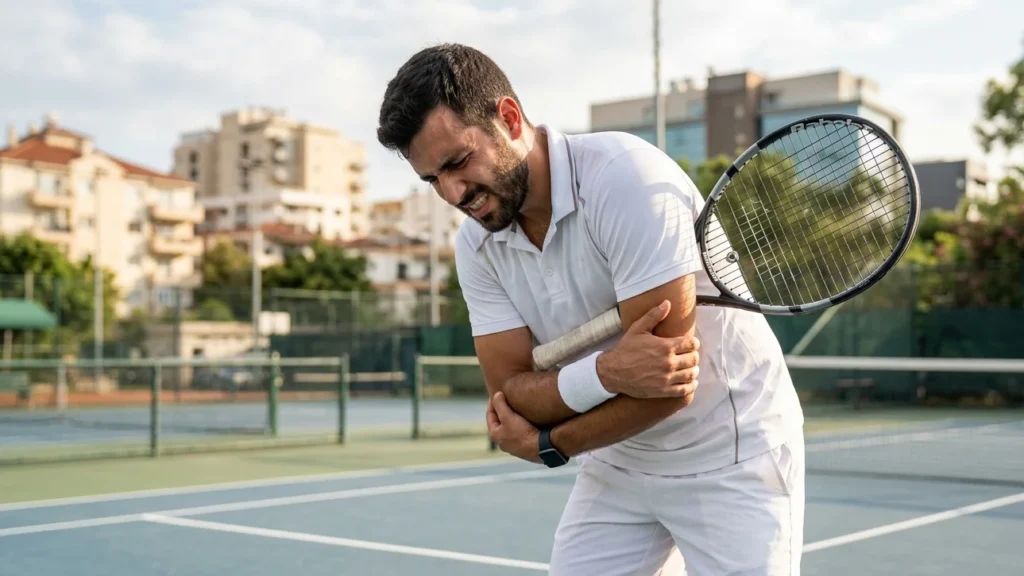
If you’re searching for how to heal tennis elbow fast while living in Dubai or elsewhere in the UAE, you’re not alone. Tennis elbow, medically known as lateral epicondylitis, affects people from athletes to office workers, construction professionals to homemakers — anyone who repeatedly uses the elbow and forearm can develop it. While the name might suggest it’s only for tennis players, this condition is far more common across many daily activities and occupations. This comprehensive article will walk you through everything you need to know about tennis elbow — from symptoms and diagnosis to the fastest, evidence-based ways to recover with minimal interruption to your life. Along the way, we’ll explore expert-backed strategies, including sports medicine insights, best practices for tennis elbow pain relief, and effective tennis elbow exercises to support your recovery. We’ll also highlight how working with a trusted sports medicine doctor and targeted care can help you bounce back stronger. What Is Tennis Elbow? Tennis elbow, or lateral epicondylitis, is a condition characterized by pain on the outside of the elbow due to overuse or repetitive strain on the tendons that attach forearm muscles to the elbow bone. This leads to microtears and degeneration of the tendon tissue, which causes pain, weakness, and reduced function. Although the name implies a link to tennis, the condition can stem from everyday activities that involve gripping, lifting, or repetitive arm motion. What’s the Difference Between Tennis Elbow and Golfer’s Elbow? While both conditions involve tendon strain and pain around the elbow, they occur in different locations: Tennis elbow: Pain on the outer (lateral) side of the elbow. Golfer’s elbow: Pain on the inner (medial) side of the elbow. The activities that trigger them also differ slightly, but both involve repetitive use. Does Tennis Elbow Affect One or Both Arms? Most commonly, tennis elbow occurs in the dominant arm — the side you use most for activities involving the wrist and forearm. However, it’s possible to develop symptoms in both arms, especially with symmetrical repetitive use or systemic strain. How Do You Know If You Have Tennis Elbow? You might be experiencing tennis elbow if your pain: Is located on the outside of the elbow Worsens when gripping or lifting objects Spreads down the forearm or wrist Is accompanied by weakness in your grip strength Begins gradually without a specific injury These features are hallmark signs of tennis elbow and help differentiate it from other elbow problems What Can I Expect If I Have Tennis Elbow? Tennis elbow generally takes time to heal and involves a recovery process that prioritizes rest, reduced strain, and structured rehabilitation. Some people recover in a few weeks, while others may take several months depending on the severity, daily activity levels, and treatment approach. But with the right treatment strategy, many patients can significantly reduce symptoms and regain full function. Read more about Sports Injury Management: From Diagnosis to Full Recovery. Symptoms of Tennis Elbow Common symptoms include: Pain on the outside of the elbow Tenderness at the lateral epicondyle Weak grip strength Pain worsened by wrist extension or lifting Sensitivity when shaking hands or holding objects Early recognition of symptoms is key to starting the right treatment path without delay. How Doctors Diagnose This Condition A doctor — often a sports medicine or orthopedic specialist — will typically diagnose tennis elbow through: Medical history & physical exam: Assessing movement, pain patterns, and strength Palpation and functional tests: To pinpoint the pain source Imaging tests (optional): X-rays, ultrasound, or MRI to rule out other causes if needed Clinical diagnosis is usually sufficient, and further imaging is only needed if the case is complex or not responding to treatment. What Are Tennis Elbow Treatments? Effective treatment often follows a stepwise approach: Conservative (Non-Surgical) Options Activity modification to reduce repetitive strain Rest and avoidance of aggravating tasks Ice applied to reduce swelling Nonsteroidal anti-inflammatory medicines as advised Physical therapy with strengthening and stretching exercises Tennis elbow brace to offload tendons Eccentric strengthening exercises to build tendon capacity Advanced Therapies For persistent cases: Platelet-rich plasma or shockwave therapy Corticosteroid injections (limited use) Dry needling or tenotomy Surgery when other options fail after 6–12 months Read more about Sports Injury Prevention: 7 Proven Strategies for Athletes. Is Sports Medicine Helpful in Pain Relief? Absolutely. A sports medicine doctor brings targeted expertise in diagnosing and treating tendon injuries like tennis elbow. Benefits of sports medicine involvement include: Personalized evaluation of movement and biomechanics Tailored physical therapy guidance Optimized pain management Strategies for tennis elbow recovery time that are evidence-based Working with a specialist can accelerate healing and reduce the risk of chronic symptoms. Lifestyle and Natural Remedies for Tennis Elbow Alongside medical care, lifestyle adjustments can support faster healing: Reduce repetitive strain and rest the elbow Apply cold packs 3–4 times daily initially Use a counterforce tennis elbow brace during activities Integrate gentle stretching and mobility work Ergonomic adjustments to workstations and hobbies These simple steps help reduce ongoing irritation and support long-term tendon health. How to Cure Tennis Elbow Permanently While no quick fix exists, many people achieve lasting relief by combining: Gradual tendon-loading exercises Strengthening of wrist and forearm muscles Technique modification (e.g., sports or work ergonomics) Regular physical therapy guidance Avoiding repetitive aggravating tasks Consistency is crucial — tendon healing is gradual but can be long-lasting with the right intervention. Read more about Top hand specialist in Dubai for hand surgeries & treatments How to heal tennis elbow fast? To accelerate recovery: Start Early with Physical TherapyA structured program emphasizing tennis elbow physical therapy enhances tendon strength, flexibility, and neuromuscular control. Use Progressive StrengtheningGentle wrist curls, eccentric exercises, and forearm stretching increase load tolerance — vital for healing. Use Supportive BracingA proper Tennis elbow brace redistributes stress from the injured tendon during activity. Modify ActivitiesReduce repetitive motions, adjust ergonomics, and take scheduled breaks. Optimize Nutrition and RecoveryAdequate sleep, hydration, and anti-inflammatory foods support healing. These evidence-backed techniques can significantly improve outcomes when consistently applied. What Are
Sports Injury Management: From Diagnosis to Full Recovery.
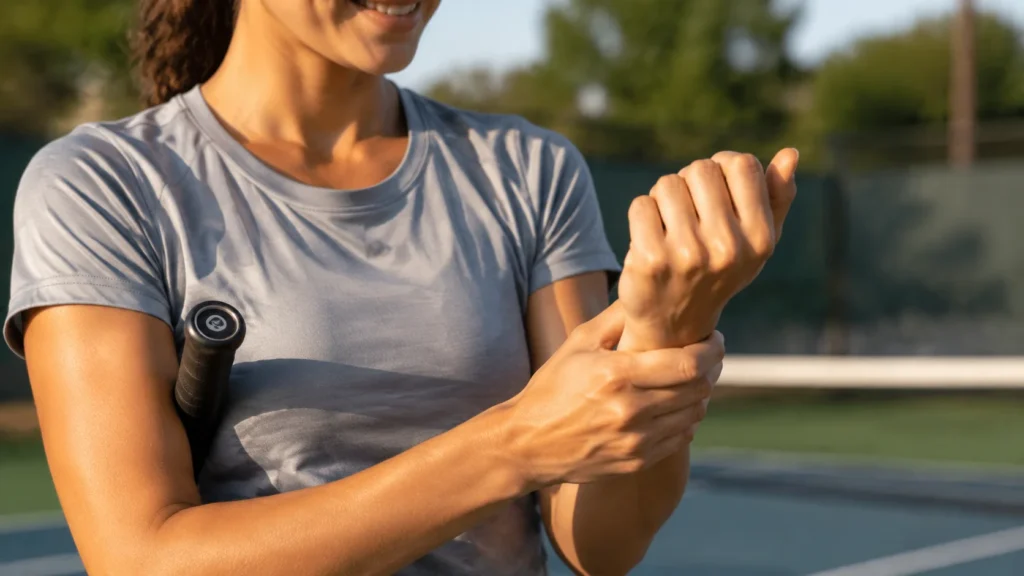
A sports injury can interrupt far more than your training schedule. It can affect your work, sleep, confidence, mobility, and the way you enjoy daily life. In Dubai, where people actively take part in football, padel, cycling, running, gym training, CrossFit, tennis, swimming, and martial arts, injuries can happen to both beginners and experienced athletes. The good news is that most sports injuries can be treated successfully when they are assessed early and managed correctly. Effective sports injury management is not only about reducing pain for a few days. It is about understanding what tissue is injured, protecting it at the right time, restoring movement, rebuilding strength, preventing recurrence, and helping you return to activity safely. That is why sports injury management should be structured, personalized, and guided by the right clinical assessment. Whether you are a weekend footballer, gym enthusiast, runner, padel player, cyclist, or professional athlete, knowing what to do after an injury can make a major difference to your recovery. This guide explains what sports injuries are, why they happen, how they are diagnosed, what treatment may involve, and when you should seek specialist orthopaedic care in Dubai. What Exactly Are Sports Injuries? Sports injuries are injuries to muscles, bones, joints, ligaments, tendons, nerves, or soft tissues that happen during exercise, training, or athletic activity. Some injuries occur suddenly, such as when you twist your ankle during football, fall on your wrist while cycling, or feel a sharp pull in your hamstring during sprinting. Other injuries develop gradually over time because of repeated strain, poor technique, inadequate recovery, or training too hard without allowing the body to adapt. This is why professional sports injury management must look beyond the pain and identify the real cause of the problem. Sports injuries are generally divided into two main categories: Acute injuries: Sudden injuries caused by a fall, collision, twist, direct impact, or sudden overload. Overuse injuries: Gradual injuries caused by repeated stress on the same tissue without enough recovery time. The first step in sports injury management is identifying whether the injury is acute, overuse-related, mild, moderate, or serious. This matters because an ankle sprain, wrist fracture, tendon injury, shoulder dislocation, and tennis elbow all need different treatment plans. What are the 7 common types of sports injuries? Sports injuries can affect many parts of the body. However, some types are seen more often in active people and athletes. Understanding these common injuries can help you recognize when simple rest is enough and when specialist care is needed. 1. Sprains A sprain happens when a ligament is stretched or torn. Ligaments connect bones and help stabilize joints. Ankle sprains are especially common in football, basketball, running, tennis, and padel, particularly when the foot rolls inward suddenly. 2. Strains A strain affects a muscle or tendon. It may happen when the tissue is overstretched, overloaded, or torn. Common examples include hamstring strains, calf strains, groin pulls, and shoulder muscle strains. These injuries often happen during sprinting, sudden acceleration, heavy lifting, or poor warm-up. 3. Fractures A fracture is a crack or break in a bone. Some fractures happen suddenly because of direct trauma, such as falling onto an outstretched hand. Others are stress fractures, which develop gradually from repetitive load, especially in runners or athletes who increase training too quickly. 4. Dislocations A dislocation occurs when a bone is forced out of its normal joint position. Shoulders, fingers, elbows, and kneecaps are common areas for dislocation. These injuries need prompt medical assessment because nearby ligaments, nerves, tendons, and blood vessels may also be affected. 5. Tendinitis and Tendon Injuries Tendinitis is irritation or inflammation of a tendon, usually caused by overuse. Tennis elbow, golfer’s elbow, Achilles tendinitis, patellar tendinitis, and rotator cuff tendinitis are common examples. Tendon injuries need careful sports injury management because returning too soon can turn a short-term issue into a chronic condition. 6. Bursitis Bursae are small fluid-filled sacs that reduce friction around joints. Repeated kneeling, lifting, throwing, or shoulder movement can irritate them, causing pain, swelling, and restricted movement. 7. Concussions and Contusions A concussion is a brain injury caused by a blow or jolt to the head. A contusion is a bruise that may affect the skin, muscle, or bone. Head injuries should never be ignored, especially if symptoms include dizziness, confusion, vomiting, headache, or memory problems. What are 5 causes of injuries in sports? Sports injuries rarely happen for one reason only. In many cases, several risk factors combine until the body can no longer tolerate the load. Good sports injury management does not only treat the injury; it also investigates why the injury happened in the first place. The five common causes of sports injuries include: Poor warm-up: Cold muscles and stiff joints are less prepared for sudden movement, jumping, sprinting, or lifting. Overtraining: Too much intensity, volume, or frequency can overload tissues faster than they can recover. Incorrect technique: Poor running form, lifting posture, landing mechanics, or racket grip can increase injury risk. Unsuitable equipment: Worn shoes, poor grip, lack of protective gear, or inappropriate training equipment can contribute to injury. Direct trauma: Falls, tackles, collisions, awkward landings, or sudden impact can damage muscles, joints, bones, or ligaments. In Dubai, heat and dehydration may also increase the risk of injury. When the body becomes tired, coordination drops, muscles fatigue faster, and movement control becomes less accurate. This can increase the chance of cramps, falls, poor landing, or overuse injuries. The Anatomy of Impact: Which Body Parts Are Most At Risk? The body parts most at risk depend on the sport, training level, movement pattern, and injury mechanism. However, orthopaedic clinics commonly see sports injuries affecting the following areas: Ankle and foot: Sprains, fractures, Achilles tendon problems, plantar fascia pain, and stress injuries. Knee: ACL injuries, meniscus tears, ligament sprains, runner’s knee, and jumper’s knee. Shoulder: Rotator cuff injuries, instability, dislocations, and impingement. Elbow: Tennis elbow, golfer’s elbow, ligament injuries, and bursitis. Wrist and hand: Wrist sprains, fractures, finger injuries, tendon