Flexor Tendons
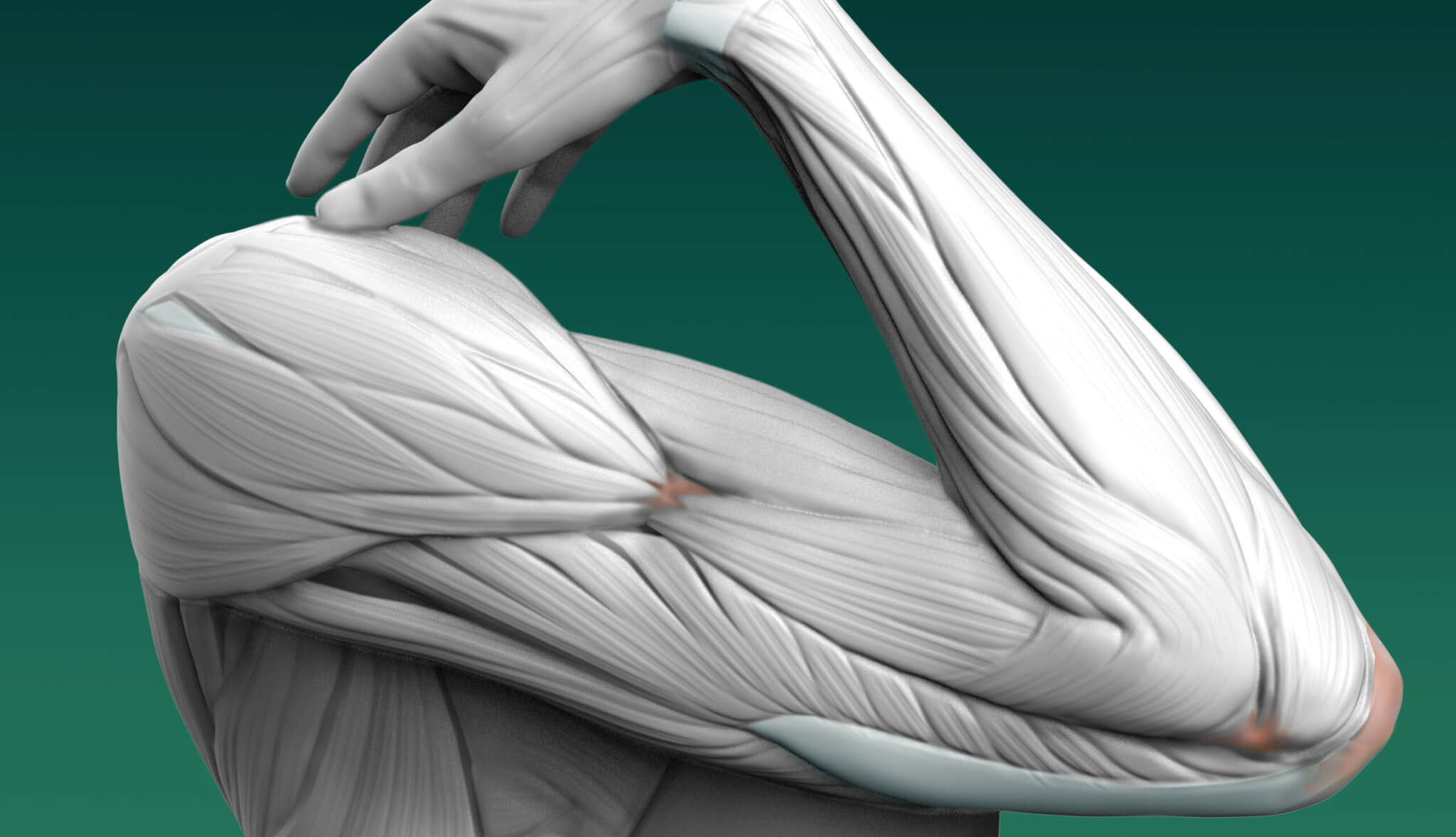
Bend the fingers and thumb, travelling through a precise pulley and sheath system.

Fellowship-Trained Upper Limb Surgeon | DHA Licensed | Flexor and Extensor Tendon Repair | Specialist Hand Therapy Coordination | Dubai, UAE
Dr. Mohamed Ali is a fellowship-trained hand and wrist surgeon in Dubai performing tendon repair surgery for acute flexor tendon lacerations, extensor tendon injuries, tendon ruptures, avulsion injuries and mallet finger. Early repair within 7 to 14 days of injury produces the best functional outcomes. If you have sustained a hand or wrist injury with loss of finger movement in Dubai, seek assessment as soon as possible. Tendon repair surgery near me in Dubai is available at dubaihand.com without a referral. Tendon repair surgery Dubai at dubaihand.com covers all flexor and extensor tendon zones, from Zone I mallet finger to Zone V wrist-level lacerations involving multiple tendons at a single injury site.
Tendon repair reconnects the body’s movement system — restoring continuity, glide and controlled finger motion after a cut, rupture or avulsion.
Tendons are strong fibrous cords that connect muscle to bone. In the hand and wrist, two groups of tendons control finger movement: flexor tendons on the palmar side bend the fingers and thumb, and extensor tendons on the dorsal side straighten them. When a tendon is cut, ruptured or avulsed from its insertion, the muscle can no longer move the finger and immediate functional loss results.
Tendon repair surgery re-unites the divided ends using specialised suture techniques to restore the continuity and gliding function of the tendon. Dr. Ali's fellowship training means tendon repair surgery Dubai is performed with multi-strand core suture configurations that allow controlled early mobilisation from day 3 post-operatively, reducing adhesion formation.
Bend the fingers and thumb, travelling through a precise pulley and sheath system.
Straighten the fingers through a thin, coordinated tendon mechanism over the back of the hand.
You have a cut or wound over the palm, finger or wrist and cannot fully bend or straighten any finger.
A fingertip droops and cannot be lifted against resistance — a possible mallet finger.
You felt a snap or pop in the hand or wrist followed by loss of movement.
You have a penetrating injury anywhere along the hand or finger, regardless of wound size.
Tendon injuries are frequently under-diagnosed at initial assessment. Even a small wound over a tendon should be assessed by a specialist in Dubai the same day or as soon as possible, as the repair window narrows rapidly. Patients searching for tendon repair surgery Dubai near me can book directly at dubaihand.com without a referral, with same-day assessment available for acute tendon lacerations by calling +971 50 254 4263.
The skin wound can be small while the functional injury beneath it is complete. Each mechanism needs a different surgical and rehabilitation strategy.
01
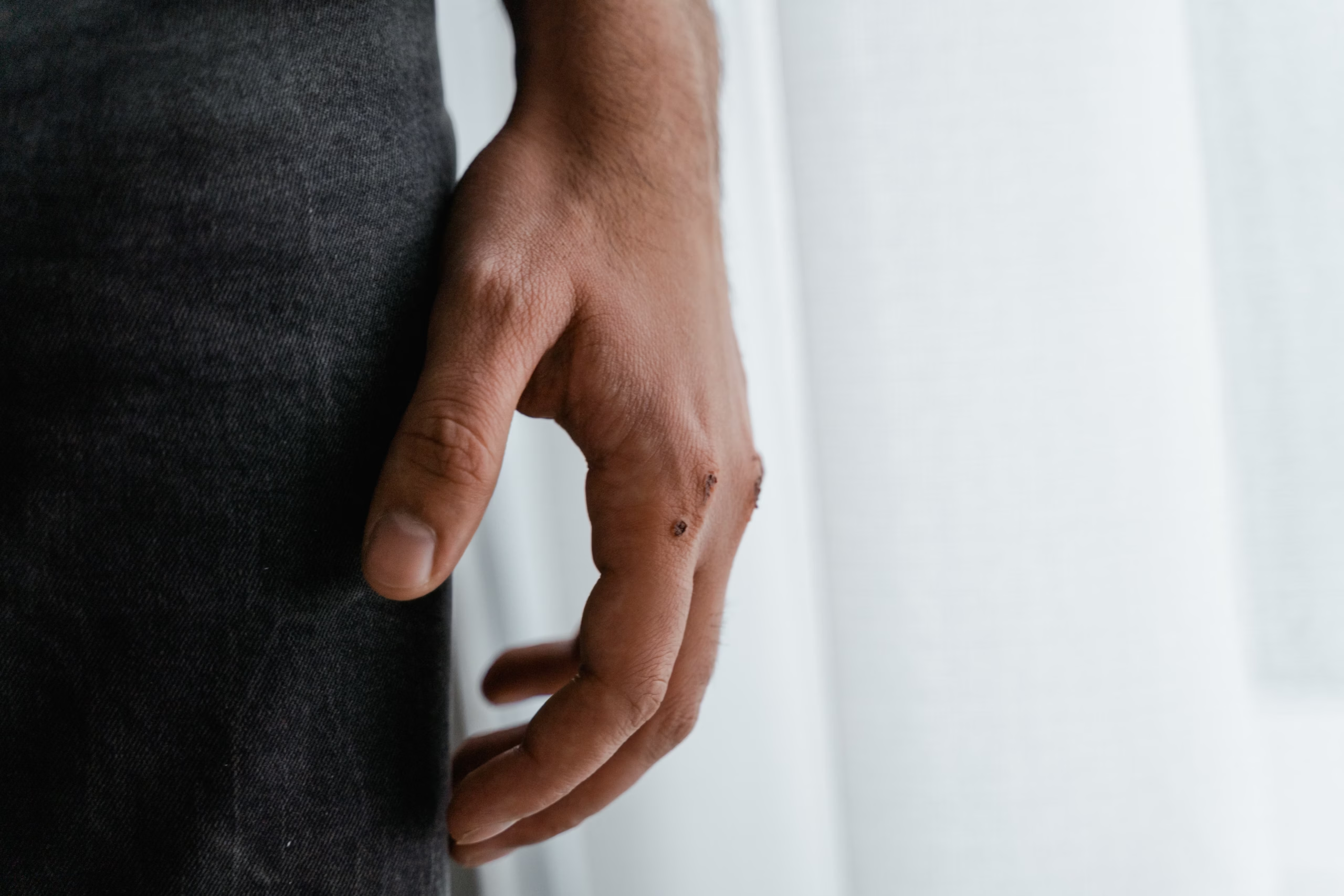
The most common cause. A cut from glass, metal, knife or sharp edge divides the tendon completely or partially. Even small skin wounds over the tendon line can cause complete tendon division because the tendon lies close to the skin surface at the fingers and wrist. All penetrating hand wounds should be assumed to involve the tendon until examined under anaesthesia.
Controlled early mobilisation usually begins within 3 to 5 days under specialist hand physiotherapy supervision.
02
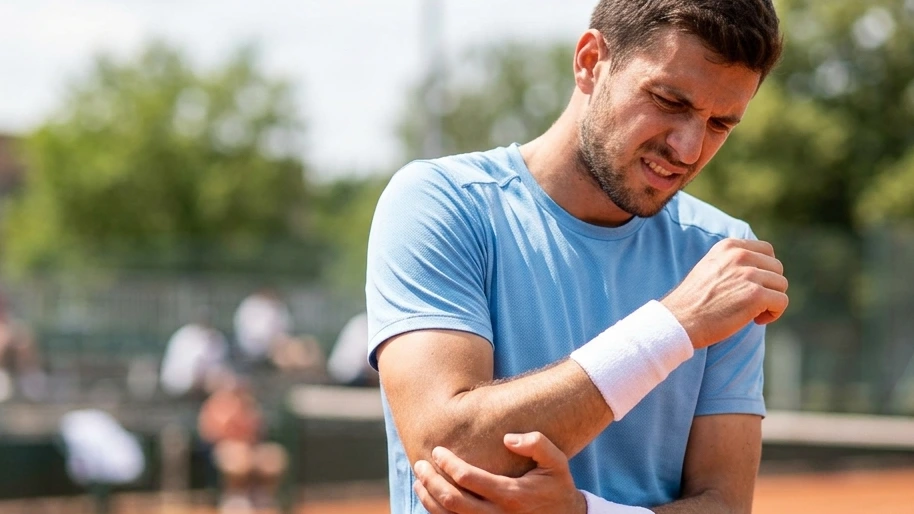
A sudden forceful load on the finger can avulse the tendon from its bony insertion without a skin wound. Jersey finger and mallet finger are the most common sporting closed tendon injuries presenting for tendon repair surgery Dubai.
03
In rheumatoid arthritis, synovitis erodes the tendon from within, producing spontaneous rupture without trauma. Reconstruction requires tendon repair, synovectomy and stabilisation of the underlying cause.

04
Construction, kitchen and workshop environments in Dubai produce a high proportion of tendon lacerations from machinery, blades and power tools. These injuries frequently involve multiple structures: skin, tendon, nerve and vessel in combination. Combined injuries require coordinated repair at a single surgical episode.
Recovery requires active patient participation in physiotherapy from the earliest safe post-operative day to minimise adhesion formation.Tendon repair surgery Dubai for Zone II flexor tendon injuries within the fibrous sheath requires subspecialty wrist and hand surgery expertise that Dr. Ali's fellowship training specifically included.
Request an assessment →A divided tendon does not simply remain in place. It retracts, scars and changes the balance of the finger — turning a repairable acute injury into a complex reconstruction.
Book urgent assessment ↗

A completely divided tendon retracts proximally as the muscle contracts. Without repair, the finger loses the movement controlled by that tendon permanently. After 4 to 6 weeks, the proximal end retracts beyond the repair zone and reconstruction requires a tendon graft with less predictable results than primary repair.
The muscle body atrophies progressively when it loses its tendon attachment. Prolonged atrophy reduces the functional capacity even after successful delayed reconstruction, as the muscle belly has shortened and lost intrinsic contractile capacity. Early tendon repair surgery Dubai preserves the full muscle length and functional potential.
Imbalanced forces on a finger with one tendon intact and the opposing tendon divided produce progressive joint contracture. The unopposed tendon gradually pulls the joint into a fixed position that becomes increasingly difficult to correct with physiotherapy or surgery. The WALANT technique used in selected cases allows intraoperative confirmation of tendon gliding.
Beyond 6 to 12 months, tendon reconstruction for an untreated complete rupture is significantly more complex and the functional outcome less reliable than primary repair. The proximal tendon end is retracted, scarred and shortened. Staged reconstruction with silicone rods, tendon grafting and specialist hand therapy is required and takes 12 to 18 months. Early tendon repair surgery Dubai avoids all of this.
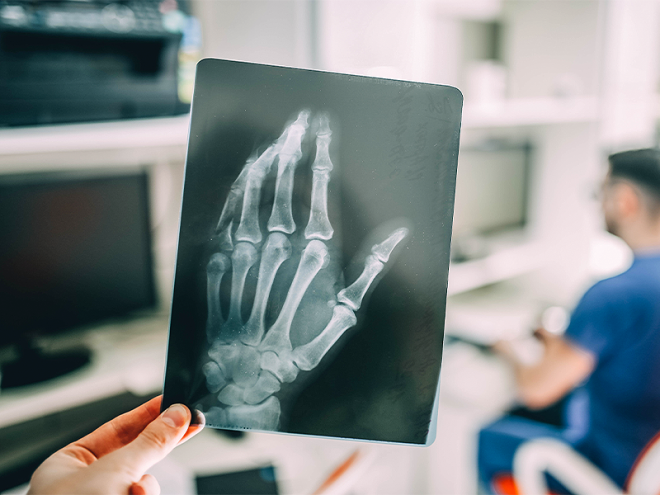
Clinical examination remains the primary diagnostic tool. Imaging supports the diagnosis, maps partial injuries and guides complex reconstruction.

The other fingers are held in extension while the patient flexes the tested finger at the proximal interphalangeal joint.
The patient flexes the distal interphalangeal joint against resistance to test the deep flexor tendon.
Inability to extend any joint against resistance indicates division of the relevant extensor component.
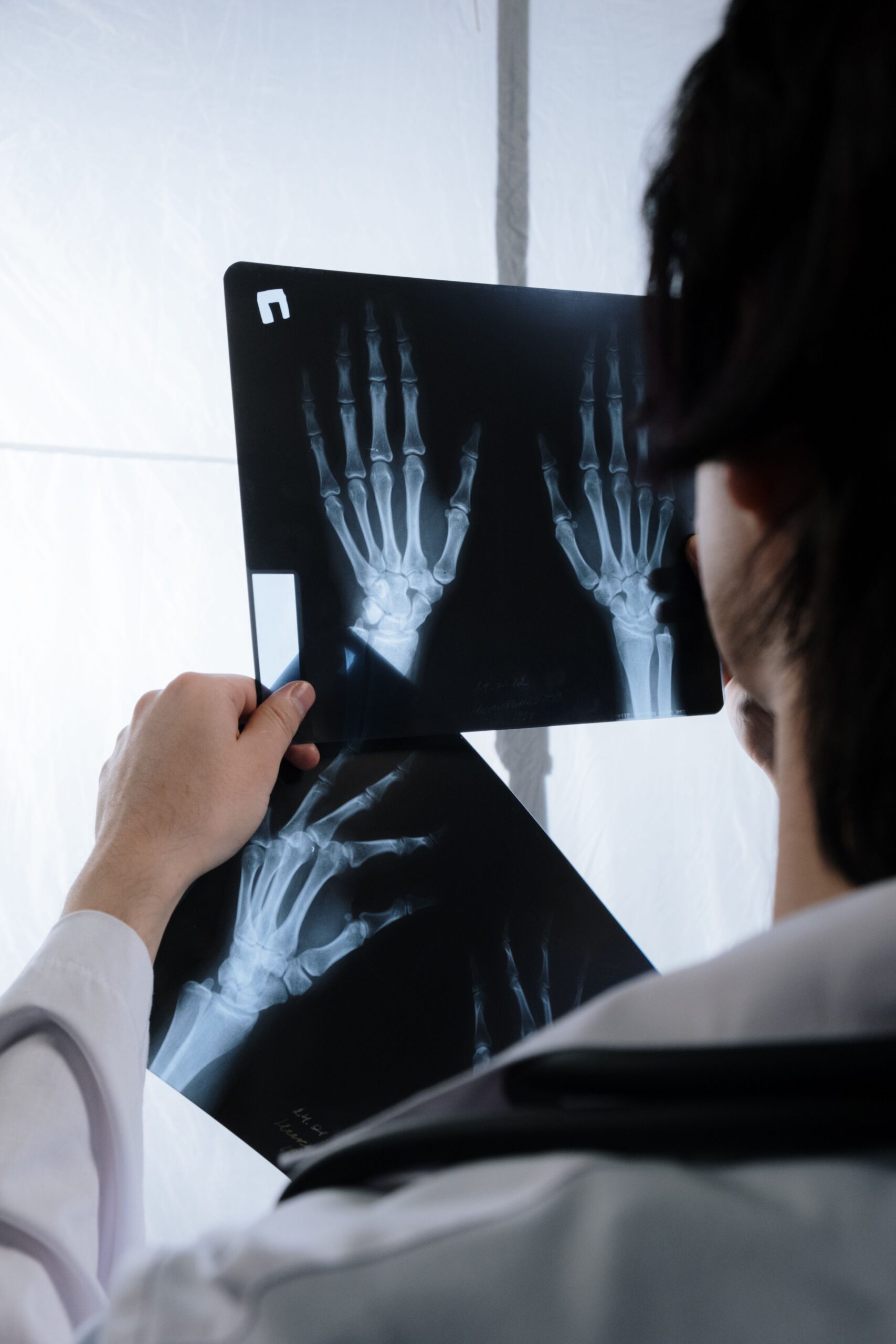
A wound over any tendon line is formally explored under anaesthesia and tourniquet in the operating theatre to directly inspect the tendon, even if it appears clinically intact. Tendons can be partially divided, or may be intact at rest but divided when the finger is in the position it was in at the time of injury. Zone identification is documented before theatre to guide the repair technique.
The repair technique is selected based on the zone of injury, the tendon involved, the time since injury and the quality of the tendon ends. Dr. Mohamed Ali uses contemporary suture techniques that maximise repair strength while minimising gap formation.
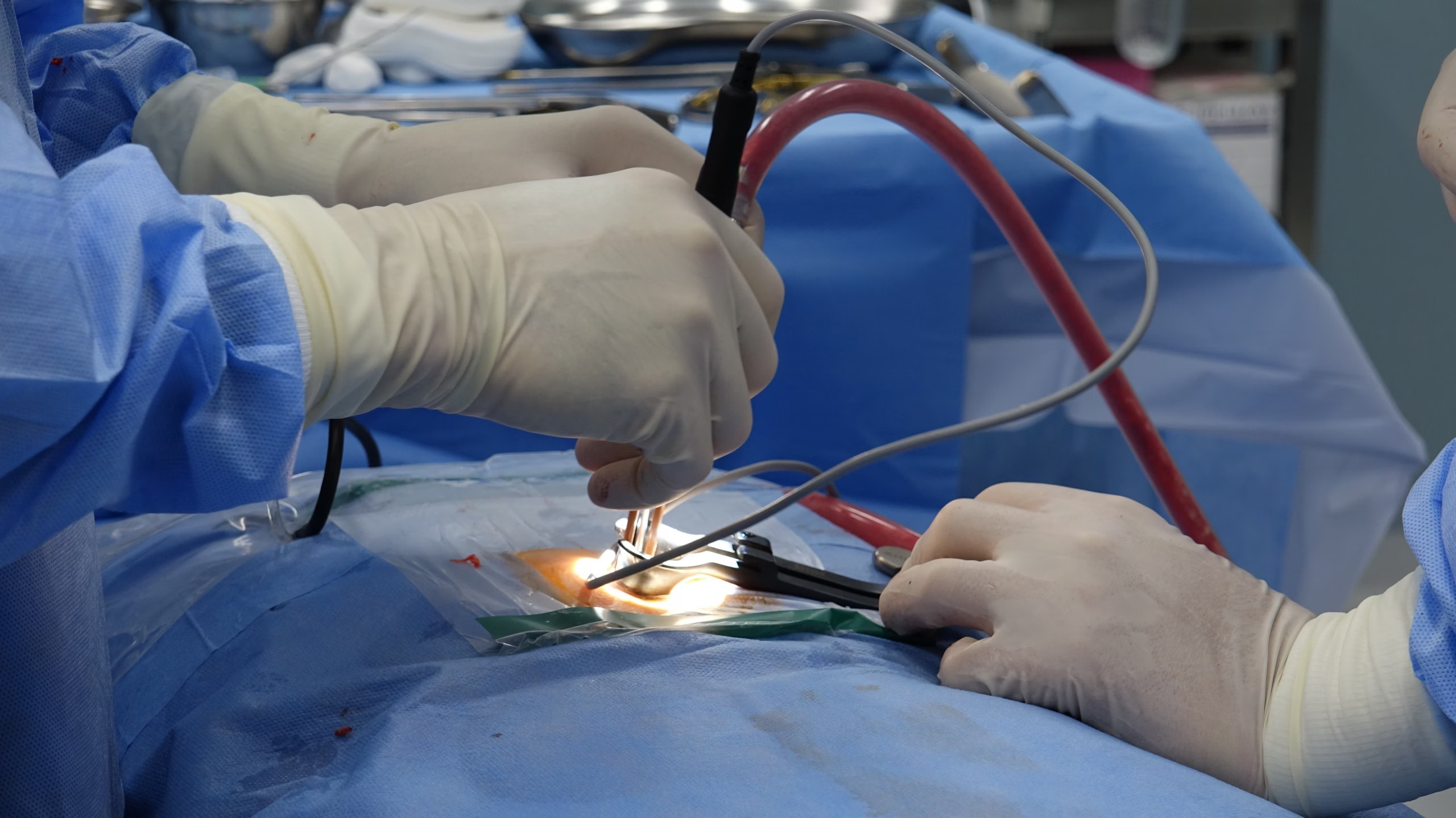
The primary load-bearing suture is placed through the tendon substance to hold the two ends together. A four-strand or six-strand core suture configuration provides the strength required for controlled early mobilisation protocols. Repair strength directly determines whether the tendon can move safely during the early rehabilitation phase without risk of rupture.
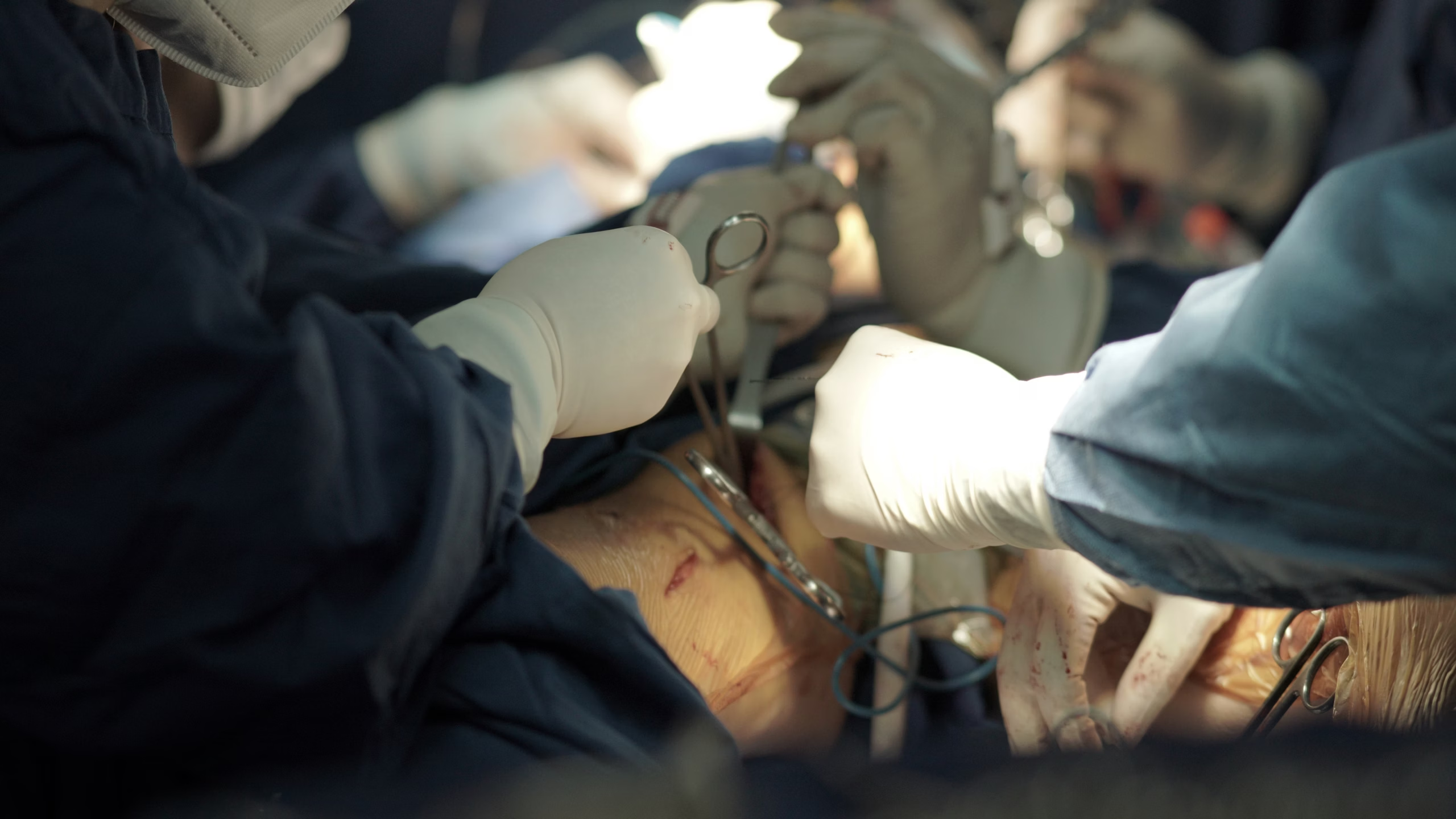
A continuous fine peripheral suture placed around the circumference of the repair smooths the surface, reduces gapping and adds approximately 20 to 25 percent of total repair strength. The epitendinous suture improves tendon gliding through the sheath by eliminating the ridge that could catch on the pulley system.
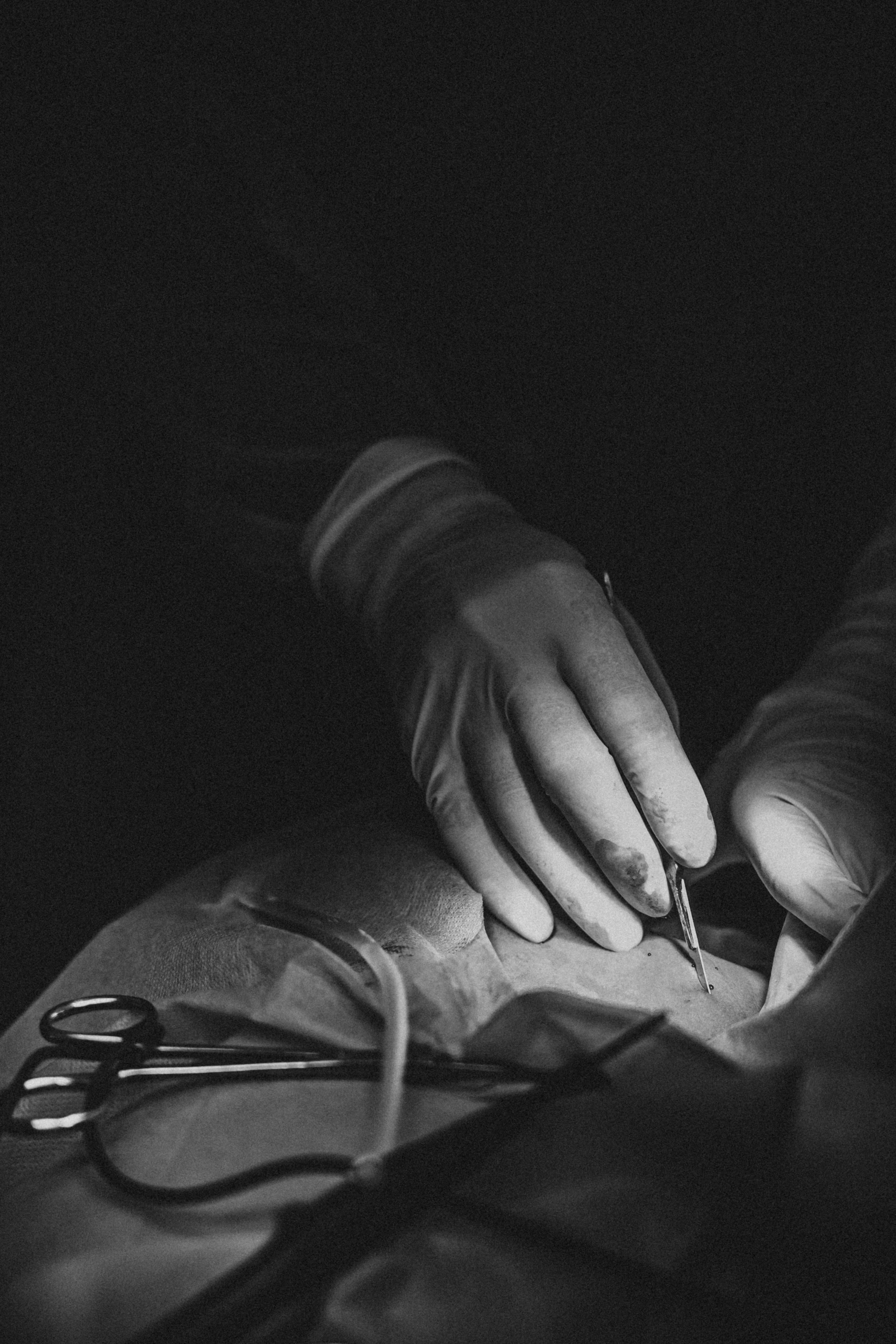
The A2 and A4 pulleys are preserved during flexor tendon repair to maintain normal tendon biomechanics. Partial excision of other sheath segments may be necessary to retrieve retracted tendon ends without damaging the key pulleys. The sheath is repaired where possible to provide a smooth gliding surface.
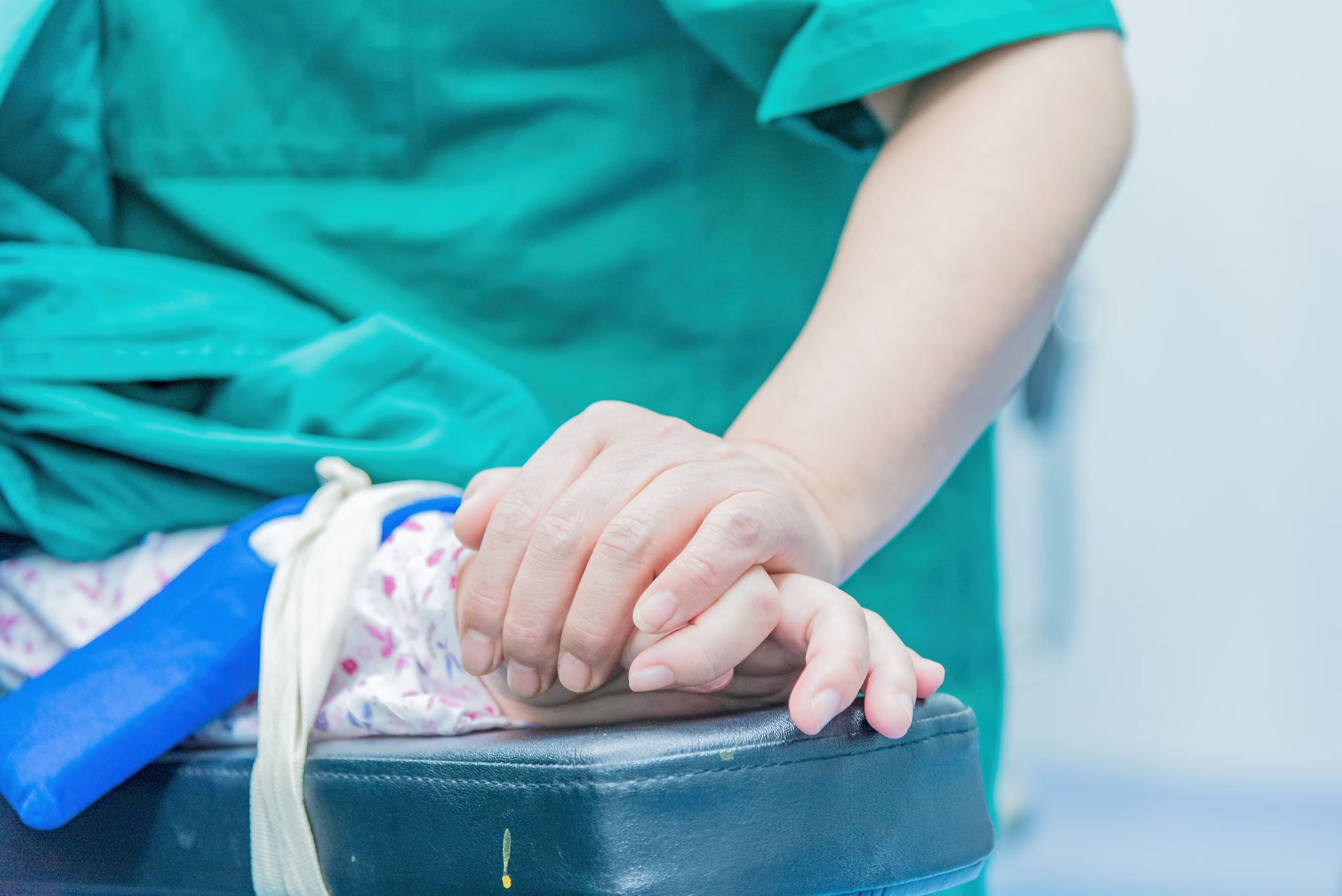
Extensor tendons have a flat, thin structure requiring different suture techniques from flexor tendons. Figure-of-eight or horizontal mattress sutures are used for mid-zone repairs. Mallet finger may be treated with continuous dorsal splinting or surgical fixation depending on fragment size and reducibility.

Primary repair within 7 to 14 days of injury produces the most reliable results. Delayed primary repair at 2 to 4 weeks may still be feasible with modified technique. Beyond 4 to 6 weeks, staged reconstruction using silicone rod insertion followed by tendon grafting after approximately 3 months may be required. Specialist hand therapy is coordinated directly.
Maximise repair strength, minimise gap formation and create a smooth repair that can tolerate controlled early mobilisation from day 3.
A clear sequence protects the injured tendon, avoids preventable delay and makes the first days after surgery safer.
For acute tendon injuries, contact dubaihand.com or call immediately. The optimal repair window is within 7 to 14 days. Do not wait for a GP referral. Dr. Ali provides direct specialist assessment in Dubai.
Keep the wound clean and covered. Do not attempt to straighten the finger forcefully. Apply a light dressing, elevate the hand and avoid activity that may pull the tendon ends further apart.
Pre-operative assessment confirms fitness for general or regional anaesthesia at the DHA-licensed facility in Dubai. Blood tests are arranged where indicated.
Blood-thinning medications are stopped 5 to 7 days before elective tendon repair. For acute emergency repairs, anticoagulation is managed by the anaesthetic team.
No food for 6 hours and no clear fluids for 2 hours before surgery under general anaesthesia. Follow the specific instructions provided by the anaesthetic team.
Arrange a driver for discharge. A dorsal protective splint must be worn continuously for the first 3 to 4 weeks. Specialist hand physiotherapy begins within 3 to 5 days and is mandatory for a good outcome.
Six controlled stages — from anaesthesia and exposure to testing the repair, closure and protective splinting.
General anaesthesia or regional nerve block is administered. A tourniquet provides a bloodless field. Wide-awake local anaesthesia with no tourniquet (WALANT) is used in selected cases, allowing intraoperative assessment of tendon gliding with the patient actively moving the finger.
The wound is extended using the Brunner zigzag incision on the palmar surface to expose the full zone of injury without creating straight longitudinal scars that restrict finger movement. The tendon ends are identified and retrieved.
The divided tendon ends are trimmed to remove frayed or contaminated tissue. The proximal end is retrieved from its retracted position using a fine instrument passed through the flexor sheath.
A four-strand or six-strand core suture is placed through both tendon ends and tied with controlled tension to approximate the ends without gapping. The repair is tested by gentle passive flexion before the epitendinous suture is placed.
A continuous 6-0 monofilament suture is placed circumferentially around the repair site, smoothing the surface and adding peripheral strength to reduce the ridge that would otherwise impair gliding through the pulley system.
The wound is closed in layers. A dorsal protective splint is applied with the wrist in 20 to 30 degrees of flexion and the metacarpophalangeal joints in 60 to 70 degrees of flexion to relax the repair. Post-operative instructions and physiotherapy referral are provided before discharge.
Controlled early mobilisation supervised by a specialist hand physiotherapist is the single most important factor in achieving a good functional result.
Protective dorsal splint in situ. Elevation controls swelling. No active finger movement. Light finger exercises within the splint as directed. Wound review at 2 weeks.
Specialist hand physiotherapy begins. The Kleinert or active place-and-hold protocol introduces protected active flexion within the splint. Movement reduces adhesion formation without over-stressing the repair.
The dorsal splint is discontinued. Full active finger flexion and extension progresses within the pain-free range. Strengthening begins gradually with scar massage and silicone sheeting.
Active resistance begins at 6 to 8 weeks. Grip strengthening, pinch and functional hand use progress. Most patients achieve functional grip for daily activities by 8 to 10 weeks.
Return to manual work and sport at 3 to 4 months for most patients. Full tendon tensile strength is not reached until 4 to 6 months. Final range-of-motion and grip-strength assessment confirms the functional outcome.
“The fracture finally healed after revision fixation with bone grafting.”
“At fourteen months I had functional grip and returned to work.”
“Neurolysis resolved the symptoms within three months.”
Dr. Mohamed Ali discusses all surgical risks transparently at the pre-operative consultation and explains how injury zone, associated damage and rehabilitation affect the expected result.
The repaired tendon can rupture again if overloaded during the healing phase. Contemporary four- to six-strand core sutures and controlled early mobilisation produce re-rupture rates of approximately 3 to 5 percent. Strict adherence to the physiotherapy protocol is the most important preventive measure.
Adhesions between the repaired tendon and surrounding sheath are the principal cause of reduced range of motion after flexor tendon repair. Tenolysis may be considered at 3 to 6 months if motion remains restricted despite adequate physiotherapy.
Wound infection can jeopardise the repair by weakening the suture hold. Prophylactic antibiotics, meticulous wound toilet and DHA-licensed operative sterility minimise this risk.
Tendon lacerations frequently occur alongside digital nerve or vessel injury. Associated repair is performed at the same surgical episode where indicated. Residual fingertip numbness is documented and monitored.
Tendon repair, particularly Zone II flexor tendon repair, is technically demanding and the outcome depends on both surgical precision and the quality of the post-operative rehabilitation programme.
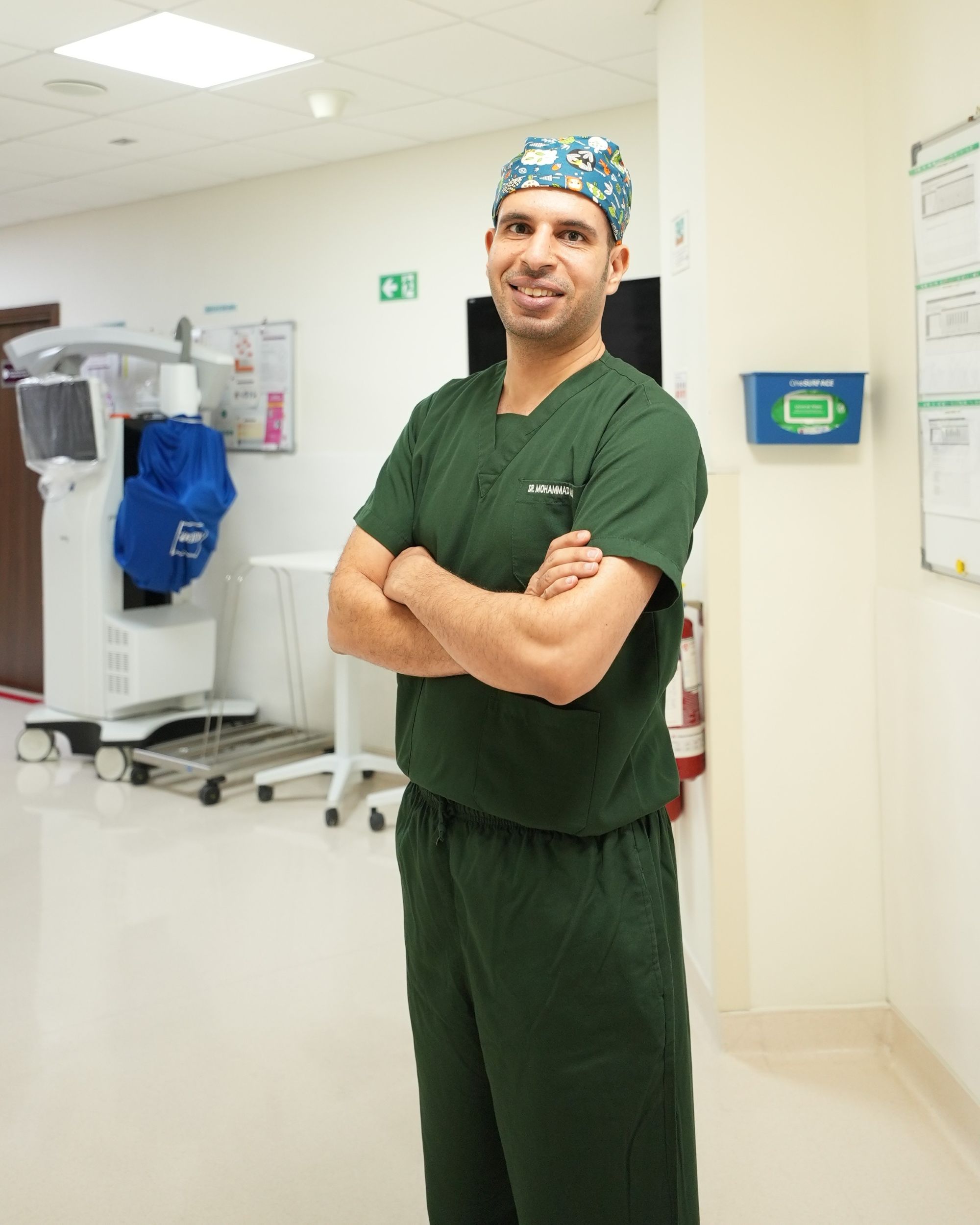
Specialist tendon repair across flexor and extensor zones, including technically demanding Zone II injuries.
Dr. Ali's fellowship training included all zones of flexor and extensor tendon repair, including the technically demanding Zone II injuries within the fibrous sheath that require subspecialty expertise.
Dr. Ali uses four-strand and six-strand core suture configurations that provide the repair strength required for controlled early mobilisation. Stronger repairs allow earlier movement and produce less adhesion.
All surgical procedures are performed at DHA-regulated facilities in Dubai, ensuring regulatory compliance and access to the microsurgery equipment and tourniquet control required for tendon repair.
Every tendon repair patient at dubaihand.com receives a referral to a specialist hand physiotherapist on the day of surgery. The rehabilitation programme is coordinated directly with the physiotherapy team to match the exact repair technique and repair strength achieved.
You can book a tendon repair surgery consultation directly at dubaihand.com without a GP or specialist referral. For acute injuries, contact the clinic urgently. Available everyday, 9 AM to 5 PM, Dubai, UAE.
Call +971 50 254 4263 →Tendon injuries are time-sensitive. Book an urgent consultation with Dr. Mohamed Ali in Dubai by calling +971 50 254 4263 or booking online. No referral required. Early repair produces the best outcomes.
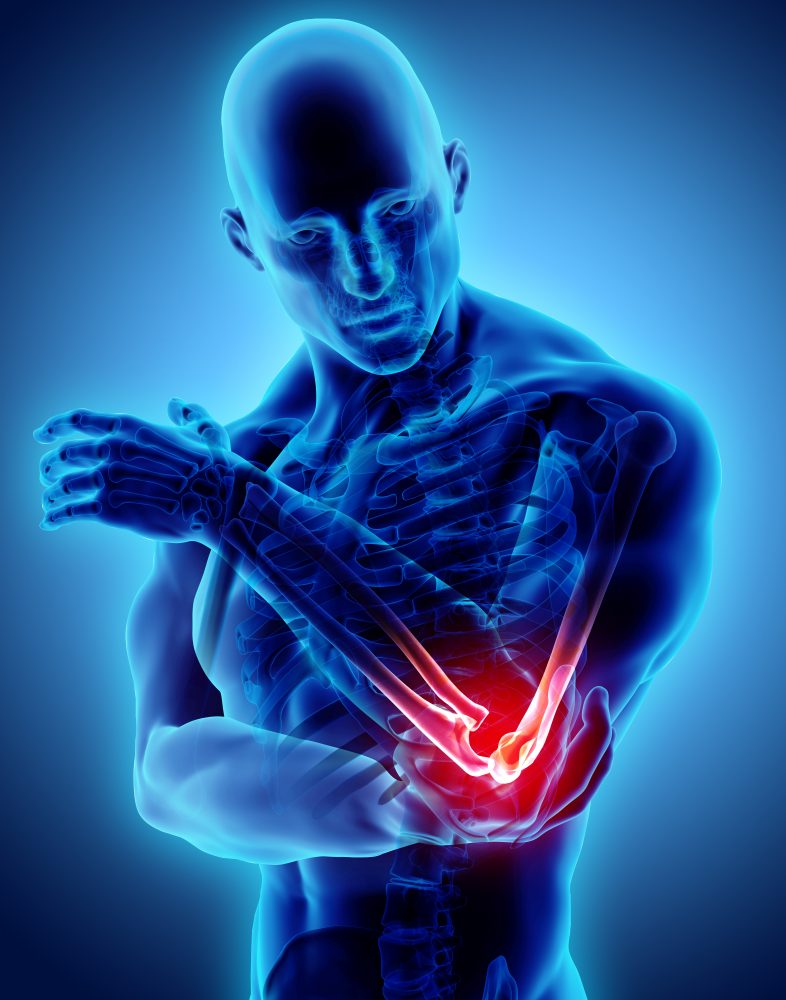
Tendon injuries may occur alongside nerve damage, failed previous repairs or loss of a usable tendon. These related procedures may form part of a wider reconstruction plan when primary tendon repair alone is not suitable.
Transfer of a functioning tendon to restore movement when primary tendon repair or reconstruction is not possible.
Related tendon reconstruction ↗Repair of digital or major upper limb nerves injured alongside tendons in complex hand lacerations.
Revision surgery for failed tendon repairs, including staged tendon reconstruction and adhesion release.
Tendon repair healing follows a phase-based timeline. The tendon achieves basic continuity within 3 to 4 weeks, but functional strength requires 3 to 4 months and full tensile strength is not reached until 4 to 6 months. Controlled early mobilisation physiotherapy beginning within days of surgery is the most important factor in achieving a good functional result. Dr. Mohamed Ali coordinates specialist hand therapy with every tendon repair at his DHA-licensed Dubai practice.
If a completely divided tendon is not repaired, the finger loses the movement controlled by that tendon permanently. The proximal tendon end retracts and the muscle atrophies. After 4 to 6 weeks, reconstruction requires a tendon graft with less predictable results than primary repair. Primary repair within 7 to 14 days of injury produces the best outcomes.
Signs that a tendon may be cut include: inability to fully bend the finger at the tip or middle joint (flexor tendon); inability to straighten the finger (extensor tendon); a visible wound over the palm, finger or wrist in the line of a tendon; a drooping fingertip that cannot be straightened (mallet finger); and reduced grip strength. Any hand injury over a tendon producing weakness or loss of movement should be assessed by a hand surgeon in Dubai the same day.
A completely divided tendon cannot heal without surgical repair because the two ends are separated and cannot bridge the gap. Partial tendon injuries involving less than 50 percent of the tendon width may heal with splinting. Extensor tendon injuries in certain zones such as mallet finger can be treated with continuous splinting for 6 to 8 weeks in selected cases. Dr. Mohamed Ali assesses every tendon injury in Dubai and advises on surgical versus non-surgical management.
Recovery from flexor tendon repair in Dubai follows a structured protocol: controlled early mobilisation begins within 3 to 5 days; the protective splint is discontinued at 4 to 6 weeks; active resistance exercises begin at 6 to 8 weeks; and return to manual work and sport typically occurs at 3 to 6 months. Specialist hand physiotherapy throughout this period is as important as the surgery itself.
No referral is required. You can book a tendon repair consultation with Dr. Mohamed Ali directly at dubaihand.com without a GP or specialist referral. For acute tendon injuries, call +971 50 254 4263 urgently. Consultations are available everyday from 9 AM to 5 PM in Dubai. If you are searching for tendon repair surgery near me in the UAE, book directly online today.
Dr. Mohamed Ali performs tendon repair surgery at DHA-licensed facilities in Dubai, UAE. Patients from across the UAE, including Abu Dhabi, Sharjah and the Northern Emirates, present for acute and elective tendon repair at his Dubai practice.
If you are searching for tendon repair surgery near me or a hand tendon surgeon near me in the UAE, Dr. Ali accepts direct bookings at dubaihand.com without any referral requirement.
For acute tendon injuries in Dubai, contact the clinic immediately. Early assessment preserves the best repair options.
Dr. Mohamed Ali performs tendon repair surgery in Dubai, UAE. Fellowship-trained. DHA licensed. Flexor and extensor tendon repair. Specialist hand therapy coordination. No referral required. For acute injuries call +971 50 254 4263 immediately. Everyday 9 AM to 5 PM, Dubai.
Thank you — your message was sent.