
Carpal Tunnel Syndrome UAE: Your Guide to Expert Diagnosis & Treatment

Carpal Tunnel Syndrome UAE: Your Complete Guide to Diagnosis & Treatment Authored by Dr. Mohammad Ali, a Fellowship-Trained Hand, Wrist and Upper Limb Surgeon, this guide offers expert insights into carpal tunnel syndrome, drawing on extensive experience in orthopedic surgery in Dubai. Experiencing persistent hand pain or numbness in thumb index middle finger? Carpal tunnel syndrome UAE is a common condition affecting many residents. This comprehensive guide helps you understand symptoms, causes, and the best available diagnosis and treatment options to regain comfort and function. We aim to provide clear, actionable insights for those seeking relief and long-term solutions in the region. Addressing Your Needs: What to Expect from Carpal Tunnel Syndrome UAE Treatment When searching for “carpal tunnel syndrome UAE,” you’re likely seeking clear answers, reliable diagnoses, and effective treatment pathways available in the region. Patients often want to understand their symptoms, know if surgery is necessary, and find qualified specialists. This guide is designed to address these core concerns, providing a comprehensive overview of the condition, from initial symptoms and diagnostic procedures to a full spectrum of non-surgical and surgical interventions. Our goal is to empower you with the knowledge needed to make informed decisions about your hand health and connect you with expert care in Dubai and across the UAE. What is Carpal Tunnel Syndrome? Understanding the Basics Carpal tunnel syndrome (CTS) is a condition that causes pain, numbness, and tingling in the hand and arm. It occurs when the median nerve, which runs from the forearm into the palm of the hand, becomes compressed or squeezed at the wrist. The carpal tunnel itself is a narrow passageway located on the palm side of your wrist. It is formed by bones and ligaments, protecting the median nerve and nine tendons that flex your fingers. When this space narrows, or tissues around the tendons swell, it can put pressure on the median nerve. Symptoms of Carpal Tunnel Syndrome Recognizing the symptoms early is key to effective treatment for carpal tunnel syndrome UAE. They usually start gradually and can worsen over time. If you experience these symptoms, especially persistent numbness in thumb index middle finger, seeking medical advice is important. Early intervention can prevent long-term damage. Common Causes and Risk Factors The exact cause of carpal tunnel syndrome is often unknown, but several factors can contribute to its development. Understanding these factors can help in prevention and management. For comprehensive hand health, consider exploring resources on how to prevent trigger finger, as repetitive strain can impact various hand conditions. Diagnosing Carpal Tunnel Syndrome in the UAE Accurate diagnosis is crucial for effective treatment of carpal tunnel syndrome UAE. Hand specialists in the region utilize a combination of clinical evaluation and diagnostic tests to confirm the condition. Physical Examination and Medical History Your doctor will start by taking a detailed medical history, asking about your symptoms, their duration, and any aggravating factors. A physical examination will involve testing sensation in your fingers and strength in your hand and wrist. Nerve Conduction Studies and Electromyography (EMG) These are the most definitive tests to confirm carpal tunnel syndrome and assess the severity of nerve compression. Imaging Tests (Ultrasound, MRI) While not always necessary, imaging tests can provide additional information, especially if other conditions are suspected or if surgery is being considered. Non-Surgical Treatment Options for Carpal Tunnel Syndrome in the UAE For mild to moderate cases of carpal tunnel syndrome UAE, non-surgical approaches are often the first line of treatment. These aim to reduce pressure on the median nerve and alleviate symptoms. Wrist Splinting and Bracing Wearing a wrist splint, especially at night, helps keep the wrist in a neutral position, reducing pressure on the median nerve. This can significantly reduce nocturnal numbness in thumb index middle finger and pain. Many pharmacies and medical supply stores across the UAE offer a variety of splints. For example, specialized wrist braces can be found through retailers like Ubuy, which offers options for carpal tunnel support. Medications (NSAIDs, Corticosteroids) Over-the-counter non-steroidal anti-inflammatory drugs (NSAIDs) like ibuprofen can help relieve pain and inflammation. In some cases, your doctor might prescribe stronger oral corticosteroids for a short period to reduce swelling. Physical and Occupational Therapy A physical or occupational therapist can teach you exercises to strengthen your wrist and hand muscles, improve nerve gliding, and modify daily activities to reduce strain on your wrist. This is often a critical component of non-surgical management. Corticosteroid Injections Your doctor may inject a corticosteroid directly into the carpal tunnel. This powerful anti-inflammatory medication can provide temporary relief by reducing swelling around the median nerve. The effects can last from several weeks to several months. Lifestyle Modifications Making ergonomic adjustments at work and home can significantly help. This includes: Carpal Tunnel Release Surgery in the UAE: When is it Needed? If non-surgical treatments don’t provide sufficient relief, or if nerve damage is significant, carpal tunnel release surgery is often recommended. This procedure aims to relieve pressure on the median nerve by cutting the transverse carpal ligament. Types of Carpal Tunnel Surgery (Open vs. Endoscopic) There are two primary surgical techniques for carpal tunnel release, both performed in the UAE. Surgical Type Description Pros Cons Open Carpal Tunnel Release A small incision (typically 2-3 cm) is made in the palm of the hand. The surgeon directly visualizes and cuts the transverse carpal ligament. Direct visualization, widely available, lower risk of nerve damage in some complex cases. Larger incision, potentially longer recovery for scar tenderness, more visible scar. Endoscopic Carpal Tunnel Release One or two smaller incisions (less than 1 cm) are made. A tiny camera (endoscope) is inserted to guide the surgeon in cutting the ligament. Smaller incisions, potentially faster initial recovery and less post-operative pain, less visible scarring. Requires specialized equipment and training, slightly higher risk of incomplete release or nerve injury in less experienced hands. What to Expect Before, During, and After Surgery Preparing for carpal tunnel surgery in the UAE involves a thorough consultation with your hand surgeon,
Treatment for ligament instability in athletes: Expert Care in Dubai
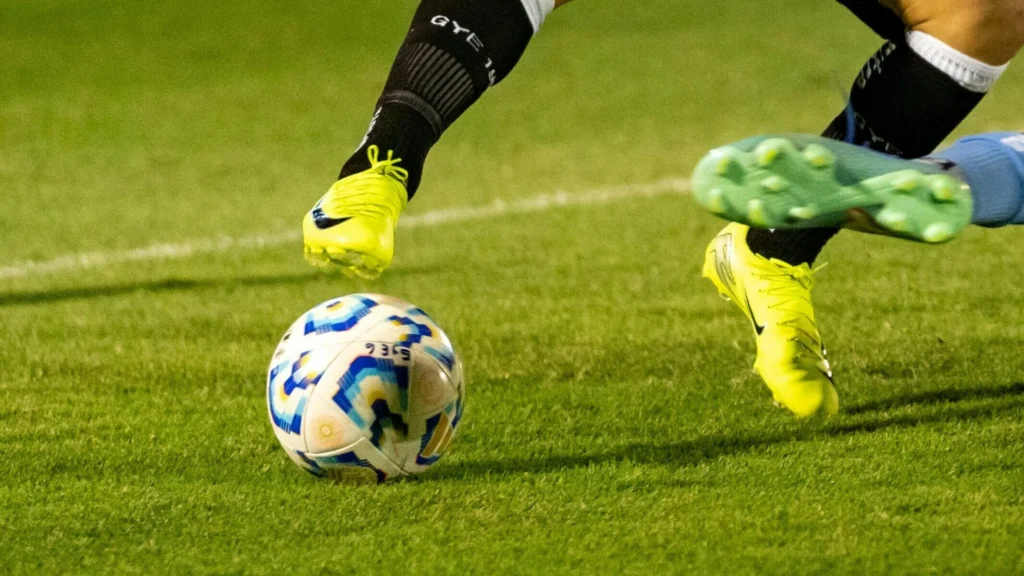
Comprehensive treatment for ligament instability in athletes For athletes facing ligament injuries, effective treatment for ligament instability in athletes is paramount for a successful return to sport. Lingering instability can hinder performance, but with accurate diagnosis and a personalized plan, full recovery is achievable. This guide explores various treatment options, from conservative methods to advanced surgical techniques and rehabilitation strategies, ensuring athletes in Dubai and the UAE can make informed decisions about their care and regain their competitive edge. Understanding Your Search: Seeking Solutions for Ligament Instability When searching for “treatment for ligament instability in athletes,” you’re likely looking for comprehensive information on how to address a sports-related ligament injury, understand available treatment options, and find pathways to recovery. This article aims to provide athletes in Dubai and the UAE with a clear guide, from initial diagnosis to advanced rehabilitation, ensuring you can make informed decisions about your care and return to your sport safely and effectively. Our goal is to empower you with knowledge about both conservative and surgical approaches, emphasizing personalized care for optimal outcomes. What Exactly is Ligament Instability in Athletes? Ligaments are tough, fibrous bands of connective tissue that connect bones to other bones, providing vital stability to our joints. In athletes, these structures are frequently subjected to high forces and repetitive stress, making them susceptible to injury. When a ligament is stretched or torn, it can lead to joint laxity or instability. This instability means the joint moves beyond its normal range, compromising its ability to function correctly and increasing the risk of further injury. Understanding the specific ligament affected and the degree of injury is the first step in determining the most effective treatment for ligament instability in athletes. What causes ligament instability? Ligament instability most commonly arises from acute trauma, such as a sudden twist, fall, or direct impact during sports activities. Common scenarios include: Overuse or chronic microtrauma can also weaken ligaments over time, leading to gradual instability. Genetic factors or certain connective tissue disorders can predispose some individuals to ligamentous laxity, making them more prone to instability even without significant trauma. Understanding the Grades of Ligament Injuries in Athletes (Severity and Implications) Ligament injuries, commonly known as sprains, are classified into three grades based on their severity. This grading system guides the management of ligament instability in athletes and predicts recovery timelines. Initial Treatment Approaches for Ligament Instability: The R.I.C.E. Protocol and Beyond For immediate self-care following a ligament injury, especially for Grade I and II sprains, the R.I.C.E. approach is a fundamental first line of defense. You can find a comprehensive overview of sprain diagnosis and treatment, including the R.I.C.E. protocol, from authoritative sources like the Mayo Clinic. The R.I.C.E. protocol involves: Beyond R.I.C.E., over-the-counter pain medications like ibuprofen or acetaminophen can help manage pain and inflammation. Early consultation with a specialist, such as an orthopedic doctor in Dubai, is recommended to accurately diagnose the injury and establish a comprehensive treatment plan. When is Non-Surgical Treatment for Ligament Instability in Athletes Effective? Non-surgical approaches are highly effective for many ligament injuries, particularly Grade I and II sprains, and even some Grade III ankle ligament ruptures. The goal is to promote healing, restore stability, and prevent chronic instability. Key components of effective non-surgical treatment for ligament instability in athletes include: Many athletes can achieve full recovery and return to their sport with a well-structured non-surgical plan. The effectiveness hinges on adherence to the rehabilitation program and careful progression. Advanced Non-Surgical Treatments: Injections and Regenerative Therapies for Athletes For athletes seeking to accelerate healing or manage persistent symptoms, advanced non-surgical options are increasingly being explored. These therapies aim to enhance the body’s natural healing capabilities. How do you stabilize a loose ligament? Stabilizing a loose ligament often involves a combination of these advanced treatments alongside targeted rehabilitation. These therapies aim to strengthen the existing ligament tissue or stimulate new tissue growth, thereby improving joint stability and function. What is the new treatment for ligament repair? Regenerative medicine, including Platelet-Rich Plasma (PRP) and other biologic injections, represents a growing area in managing ligament instability in athletes. Here’s a closer look: These advanced treatments are typically considered after conservative methods have been exhausted or for specific injury types where evidence supports their use. A thorough evaluation by a sports medicine specialist is essential to determine suitability. Surgical Interventions for Ligament Instability in Athletes: Repair vs. Reconstruction When conservative and advanced non-surgical treatments are insufficient, or for severe Grade III ligament ruptures, especially in high-performance athletes, surgical intervention becomes a necessary option for addressing ligament instability in athletes. What are the latest techniques for surgical ligament repair? Surgical Technique Description When It’s Used Considerations for Athletes Ligament Repair Directly stitching the torn ends of the ligament back together. Often for acute tears, particularly in ligaments with good healing potential like the Medial Collateral Ligament (MCL). Preserves native tissue; faster initial recovery than reconstruction in some cases, but may not be suitable for severely retracted tears or chronic instability. Ligament Reconstruction Replacing the torn ligament with a graft, either from the patient’s own body (autograft) or from a donor (allograft). For complete ruptures (Grade III), chronic instability, or when direct repair is not feasible (e.g., ACL tears). Provides robust stability; autografts are generally preferred for younger, active athletes due to lower graft failure rates. For injuries like an ACL tear, reconstruction is often performed, with options including patellar tendon, hamstring, or quadriceps tendon autografts. Recent advancements include combined techniques like Anterolateral Ligament (ALL) reconstruction or Lateral Extra-articular Tenodesis (LET) alongside ACL reconstruction to enhance rotational stability and reduce re-rupture rates, particularly in young athletes with high-grade instability. For more specific upper limb procedures, our clinic offers expertise in collateral ligaments repair and carpal ligaments repair. The Critical Role of Physical Therapy in Recovering from Ligament Instability Physical therapy is not merely a supportive measure; it is a fundamental and active component of managing this condition in athletes. Its importance cannot be overstated, whether following conservative management or post-surgery. A structured
Skier’s Thumb Treatment: Splinting, Exercises & Surgery

Whether you’ve sustained this injury on the slopes abroad or during a high-intensity sports match right here in the UAE, finding the right skier’s thumb treatment is essential for restoring your hand’s stability and strength. This guide explores everything from initial diagnosis to advanced surgical options available for patients seeking a hand surgery in Dubai. What is a Skier’s Thumb? Skier’s thumb is an injury to the Ulnar Collateral Ligament (UCL) located at the base of the thumb on the side near the index finger. This ligament acts as a stabilizer, allowing the thumb to act as a firm post for pinching and gripping. When this ligament is stretched or torn, the thumb becomes unstable, making simple tasks like turning a key or buttoning a shirt nearly impossible. While often associated with sports, the condition is technically a form of chronic or acute instability. Historically, a similar condition was called “Gamekeeper’s Thumb,” referring to a chronic stretching of the ligament over time. Today, however, most cases seen in clinics are acute injuries resulting from sudden trauma. Skier’s Thumb Causes: How Does It Happen? The primary cause of this injury is hyperabduction, a fancy way of saying the thumb is violently pulled away from the palm. Sports Injuries: As the name suggests, it often happens to skiers who fall while holding a ski pole, forcing the thumb back. Ball Sports: In Dubai’s active community, we frequently see this in padel, basketball, or football players where a ball strikes the tip of the thumb. Falls: Simply tripping and landing on an outstretched hand with the thumb spread wide can cause the UCL to rupture. Skier’s Thumb Avulsion Fracture: In severe cases, the force is so strong that the ligament doesn’t just tear; it actually pulls a small piece of bone away from the base of the thumb. This is known as an avulsion fracture and requires specialized orthopedic attention. Read also about mallet finger vs trigger finger and the most important differences. First Aid After a Thumb Injury If you suspect you have a ligament tear, the first 48 hours are critical. Immediate “RICE” therapy can prevent further damage before you see a specialist for skier’s thumb treatment in Dubai. Rest: Stop any activity that involves gripping or pinching. Ice: Apply ice packs for 15 minutes every few hours to reduce swelling. Compression: Use a light bandage to support the joint, but ensure it isn’t so tight that it cuts off circulation. Elevation: Keep your hand elevated above the level of your heart. Splinting: If possible, use a makeshift splint to keep the thumb still until you reach a clinic. Recognizing Skier’s Thumb Symptoms How do you distinguish a simple sprain from a serious UCL tear? Look for these specific Skier’s thumb symptoms: Pain at the Base: Intense pain at the “web space” between the thumb and index finger. Swelling and Bruising: Significant discoloration and inflammation around the knuckle at the base of the thumb. Weakness: An inability to pinch your thumb and index finger together (e.g., trying to pick up a coin). Instability: A feeling that the thumb is “loose” or “floppy” when you try to move it. Lump Formation: In some cases, a small palpable bump may be felt, which could indicate a “Stener Lesion”, where the torn ligament is trapped under a nearby tendon, preventing it from healing on its own. Read more about the top hand specialist in Dubai for hand surgeries & treatments. The Path to Skier’s Thumb Diagnosis A professional skier’s thumb diagnosis begins with a physical examination. A hand surgeon will perform a “stress test” on the ligament, gently moving the thumb outward to check for laxity or a lack of a firm “end-point.” To confirm the severity, the following imaging may be required: X-rays: Essential to rule out a skier’s thumb avulsion fracture. Ultrasound or MRI: These are used to visualize the soft tissue. For professionals like Dr. Mohamed Ali, an MRI is often the gold standard to determine if the tear is partial or complete, which dictates the treatment protocol. Skier’s Thumb Treatment: Non-Surgical vs. Surgical The skier’s thumb treatment protocol depends entirely on the grade of the tear. Conservative Treatment (Partial Tears) If the ligament is only partially torn and the joint remains stable, non-surgical methods are highly effective: Immobilization: You will likely wear a thumb spica cast or a custom-molded brace for skier’s thumb for 4 to 6 weeks. This keeps the ligament ends in contact so they can knit back together. Activity Modification: Avoiding any “grasping” motions is vital during this phase. When Surgery is Required (Complete Tears) If the ligament is completely ruptured or a Stener Lesion is present, surgery is the only way to restore function. Skier’s thumb surgery in Dubai typically involves: Ligament Repair: Reattaching the ligament to the bone using tiny “suture anchors.” Bone Fixation: If a fracture is present, the surgeon will secure the bone fragment back into place. The goal of surgery is to prevent chronic instability and long-term arthritis. If you are looking for the best hand surgeon in Dubai, it is crucial to find someone who specializes in these delicate microsurgical techniques. Read more about Dr. Mohamed Ali, the best hand surgeon in Dubai. Skier’s Thumb Recovery Time and Physical Therapy The skiers thumb recovery time varies. For non-surgical cases, you might return to full activity in 8–12 weeks. For surgical cases, the timeline may extend to 3–4 months. Skier’s thumb physical therapy is the bridge between healing and returning to sports. A therapist will guide you through specific skier’s thumb exercises designed to: Restore range of motion. Strengthen the “pinch” grip. Desensitize the scar tissue. Note!Never start exercises until your doctor confirms the ligament has reached sufficient tensile strength. Complications of an Untreated Skier’s Thumb What happens if a skier’s thumb goes untreated? Ignoring the pain can lead to: Chronic Instability: Your thumb will always feel “weak,” making it difficult to perform manual tasks. Early-Onset Osteoarthritis: Because the joint is no
Dr. Mohamed Ali The Best Hand Surgeon in Dubai
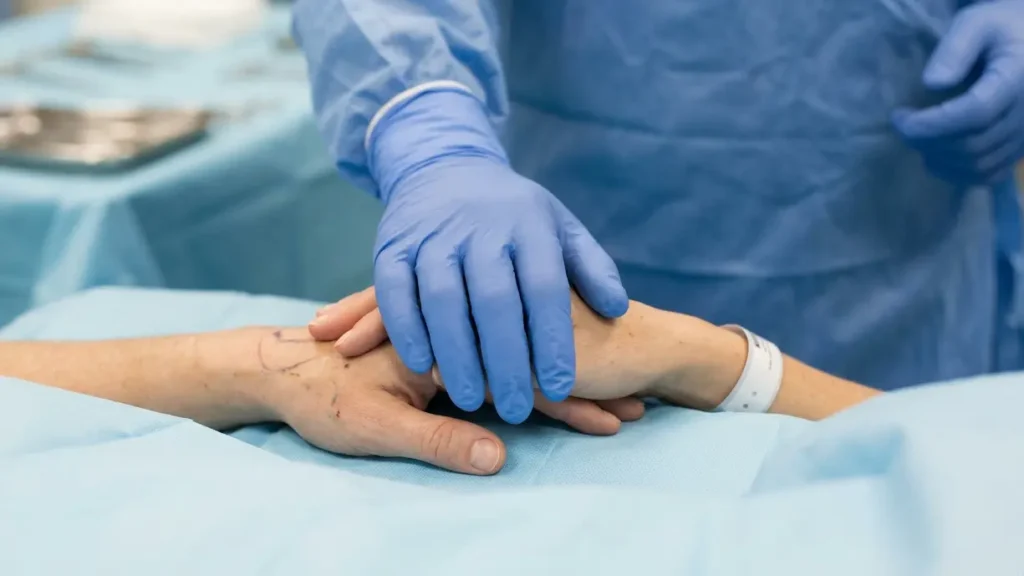
Hand and wrist pain can be more than just a minor inconvenience; it can be a barrier to your career, your hobbies, and your quality of life. Whether you are dealing with the persistent clicking of a trigger finger, the numbness of carpal tunnel syndrome, or a sudden fracture from a weekend football match, finding the best hand surgeon Dubai is the first step toward reclaiming your mobility. The hands are among the most intricate structures in the human body, composed of a delicate balance of bones, tendons, nerves, and ligaments. When things go wrong, you need more than just general medical advice, you need the precision of a specialist. This guide explores the landscape of hand surgery in the UAE, helps you identify critical symptoms, and introduces you to world-class care designed to get you back to your best. What is Hand Surgery? Hand surgery is a specialized field of medicine focused on treating conditions that affect the hand, wrist, and forearm. Because the hand requires both extreme strength for gripping and incredible finesse for fine motor skills, surgery in this area is highly technical. Best hand surgeon Dubai typically undergoes years of additional training beyond general orthopedics or plastic surgery to master the micro-surgical techniques required to repair tiny nerves and blood vessels. Hand surgery isn’t always about “major” operations; it encompasses everything from minimally invasive endoscopic procedures to complex reconstructive surgery following trauma. Common Hand Surgeries in Dubai Dubai has become a global hub for medical excellence, attracting top-tier talent. Patients seeking hand surgery in Dubai often present with a variety of conditions that require surgical intervention: Carpal Tunnel Release: Relieving pressure on the median nerve to stop numbness and pain by carpal ligament repair. Trigger Finger Release: Correcting the “locking” sensation in fingers caused by tendon sheath inflammation. Tendon and Nerve Repair: Critical for restoring function after deep cuts or crush injuries. Wrist Arthroscopy: Using tiny cameras to diagnose and treat chronic wrist pain or ligament tears. Ganglion Cyst Removal: Addressing painful or unsightly fluid-filled lumps. Dupuytren’s Contracture Treatment: Breaking up the thickened tissue that causes fingers to curl inward. Hand & Wrist Symptoms You Need to Address Many people ignore hand pain, hoping it will simply “go away.” However, early intervention is often the difference between a simple office procedure and a complex surgery. If you experience the following, it is time to consult the best hand surgeon Dubai: Persistent Numbness or Tingling: Often felt in the thumb, index, and middle fingers, this is a classic sign of nerve compression. Loss of Grip Strength: If you find yourself dropping items or struggling to open jars, your muscles may be losing their nerve supply. Visible Deformity or Swelling: Chronic swelling in the wrist or “bumps” on the joints can indicate arthritis or cysts. Clicking or Catching: If your finger gets stuck in a bent position and “pops” straight, you likely have trigger finger. Night Pain: Waking up because your hands feel “asleep” or painful is a significant indicator of carpal tunnel syndrome. If you are experiencing any of these symptoms, don’t wait. Contact us now and don’t wait until your condition worsens. When Surgery Is Recommended A common misconception is that visiting an orthopedic surgeon always leads to the operating table. In reality, the best hand surgeon in Dubai will prioritize conservative treatments first. Non-Surgical Paths Corticosteroid Injections: Highly effective for reducing inflammation in trigger finger or carpal tunnel. Physical and Occupational Therapy: Custom splinting and exercises to strengthen the hand without surgery. Activity Modification: Identifying the ergonomic stressors in your daily life. When Surgery becomes Necessary Surgery is usually recommended when: Conservative treatments have failed after 3-6 months. There is a risk of permanent nerve damage. The injury is acute, such as a complex fracture or a severed tendon. Quality of life is severely diminished due to chronic pain. Read also about trigger finger surgery and how it restores smooth, pain-free movement. Expert Diagnosis and Treatment for Hand & Wrist Conditions The diagnostic process is where expertise truly shines. When you visit best hand surgeon Dubai, your consultation should involve: Clinical Examination: Testing sensation, strength, and range of motion. Imaging: Utilizing high-resolution Ultrasound, X-ray, or MRI to see beneath the skin. Electromyography (EMG): Nerve conduction studies to pinpoint exactly where a nerve is being pinched. Accurate diagnosis ensures that the treatment plan is tailored to your specific anatomy and lifestyle, whether you are an office professional or a professional athlete. Advanced Surgical & Minimally Invasive Solutions Modern technology has revolutionized hand surgery in Dubai. We have moved away from large incisions toward “keyhole” or minimally invasive techniques. Endoscopic Carpal Tunnel Release: This involves a tiny incision (often less than a centimeter), resulting in less post-operative pain and a faster return to work. Wide Awake Hand Surgery (WALANT): This innovative approach uses local anesthesia only, allowing the patient to remain awake and move their fingers during the procedure. This helps the surgeon check the repair in real-time. Laser Therapy and Micro-Sutures: Used for delicate nerve repairs to ensure the best possible neurological recovery. Recovery & Rehabilitation: The Path Back to Function Surgery is only half the battle. The “healing” happens during recovery. A dedicated rehabilitation plan is essential for preventing stiffness and scar tissue build-up. Week 1-2: Focus on wound healing, elevation to reduce swelling, and very gentle range-of-motion exercises. Week 3-6: Strengthening begins. You may work with a specialized hand therapist to regain fine motor skills. Month 3+: Most patients return to full sports and heavy lifting, provided the tendons have matured sufficiently. As a sports injury doctor Dubai, I emphasize that athletes must not rush this process. Re-injury to a hand tendon can be much harder to fix the second time around. Read also about accurate finger plastic surgery in Dubai with Dr. Mohamed Ali. How to Choose the best hand surgeon Dubai Selecting the right doctor is a personal and medical decision. Here is what you should look for in the best hand