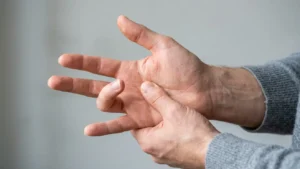
If you’ve been experiencing persistent pain on the “pinky side” of your wrist, you might be dealing with a TFCC tear. This small but vital structure is often called the “meniscus of the wrist,” and when it’s damaged, it can make even simple tasks like turning a doorknob or carrying groceries incredibly painful.
In a bustling city like Dubai, where many of us lead active lifestyles from hitting the gym in Jumeirah to weekend tennis matches, wrist injuries can significantly disrupt our daily flow. Understanding the nuances of a TFCC tear is the first step toward getting back to the life you love.
In this comprehensive guide, we will explore everything from symptoms to the latest treatment options, and why seeking expert care from a specialist like Dr. Mohamed Ali is essential for your recovery.
What is a TFCC Tear?
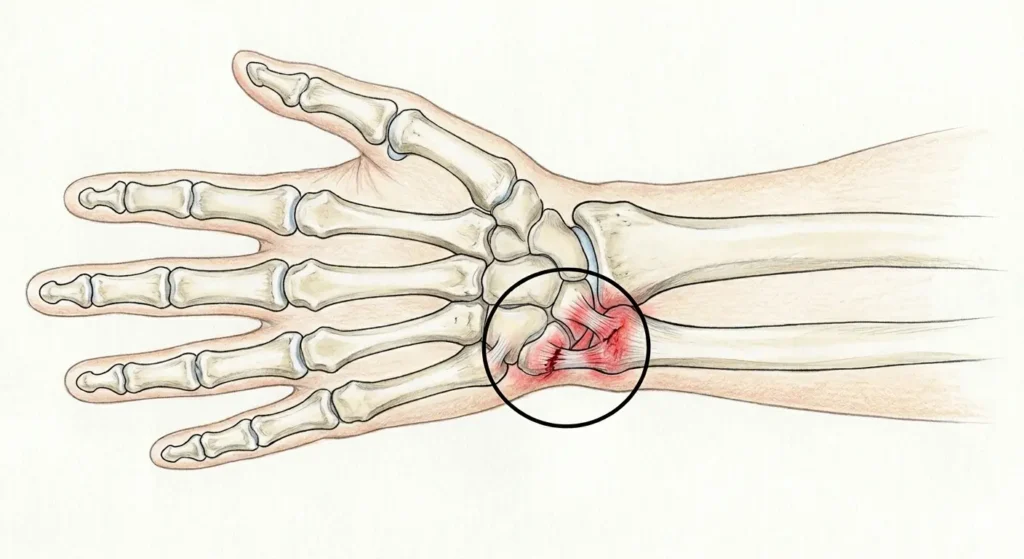
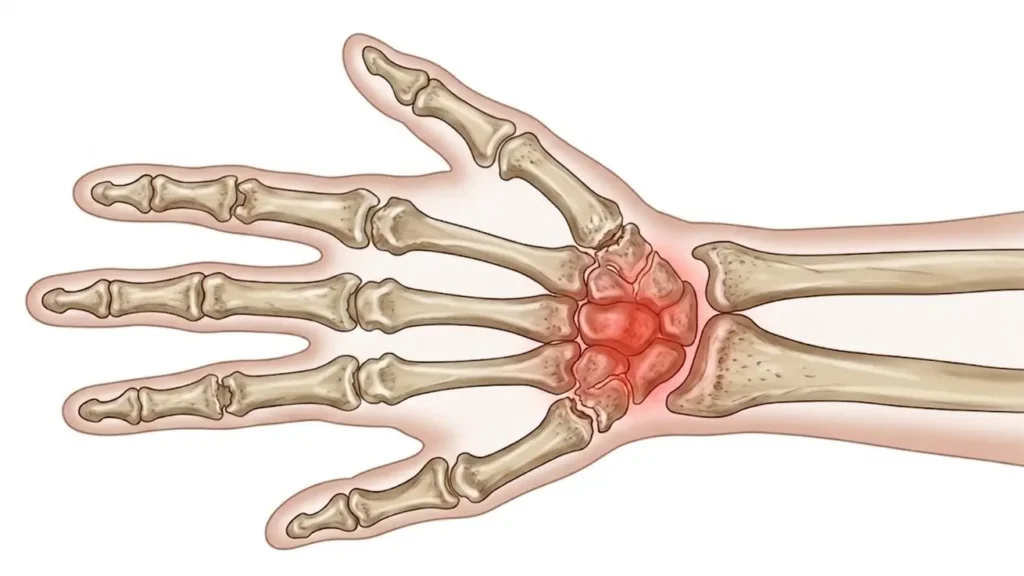
The Triangular Fibrocartilage Complex (TFCC) is a specialized structure made of ligaments and cartilage that sits between the end of your ulna (the forearm bone on the pinky side) and the small bones of your wrist. It acts as a primary stabilizer and shock absorber.
A TFCC ligament tear occurs when these tissues are ripped or stretched beyond their limit. This can happen in two ways:
- Traumatic Tears (Type 1): Often caused by a sudden force, such as falling on an outstretched hand (FOOSH) or a high-torque twisting motion.
- Degenerative Tears (Type 2): These occur over time due to wear and tear. They are common in older adults or those with “ulnar positive variance” where the ulna is slightly longer than the radius, putting more pressure on the TFCC.
Common Symptoms: How Do You Know You Have One?
Identifying tfcc tear symptoms early can prevent long-term complications. The hallmark sign is pain located on the ulnar (outer) side of the wrist. Other symptoms include:
- Clicking or Popping: A distinct “snap” when you rotate your forearm or move your wrist side-to-side.
- Weakness: A noticeable drop in grip strength.
- Fovea Sign: Tenderness when pressing on the “soft spot” between the ulnar styloid and the tendons of the wrist.
- Instability: A feeling that your wrist is “giving way” during activity.
If you are experiencing these, you may need a TFCC tear test performed by a professional. Specialists often use the “Ulnar Fovea Sign” or the “TFCC Stress Test” to confirm the diagnosis clinically.
Read more about: Top hand specialist in Dubai for hand surgeries & treatments
How is a TFCC Tear Diagnosed?
To determine the extent of the damage, doctors rely on advanced imaging and clinical evaluation.
TFCC Tear Radiology and Imaging
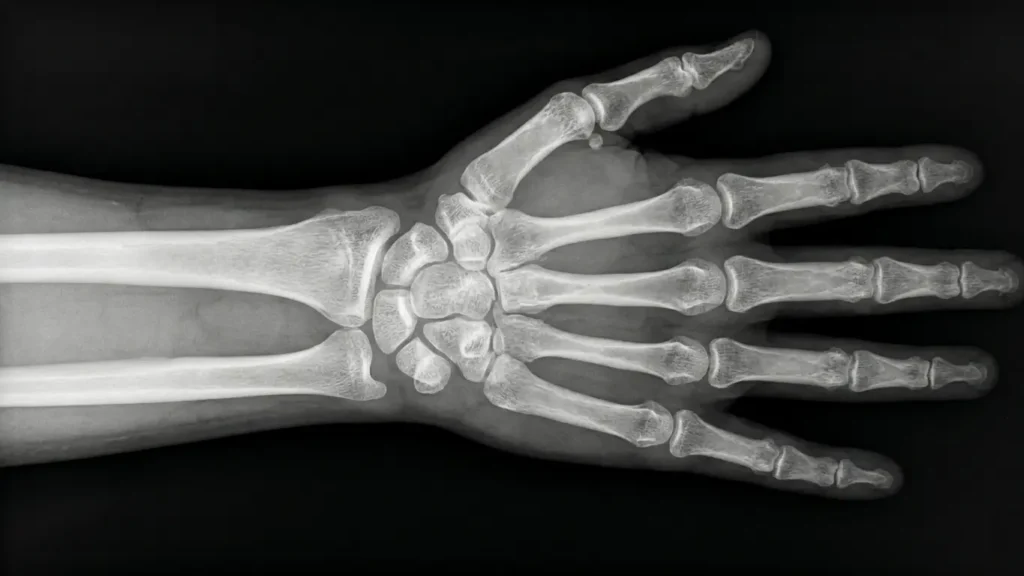
- X-rays: While a tear won’t show up on a standard X-ray, TFCC tear radiology is used to check for fractures or ulnar variance (bone length discrepancies).
- TFCC Tear MRI: This is the gold standard. A high-resolution TFCC tear MRI allows the surgeon to see the soft tissues in detail. Sometimes, a contrast dye is injected (MR Arthrogram) to highlight even the smallest perforations.
- TFCC Tear Ultrasound: In some cases, a TFCC tear ultrasound can provide a dynamic view of the ligaments as the wrist moves, helping to identify instability in real-time.
For medical professionals or those looking for deep technical details, resources like TFCC tear Orthobullets provide extensive classification systems (Palmer Classification) used to grade the severity of the injury.
TFCC Treatment Options
The good news is that TFCC treatment does not always mean surgery. The approach depends on the type and severity of the tear.
Non-Surgical Management
Most minor or degenerative tears start with conservative care:
- Immobilization: Using a specialized TFCC tear wrist brace or splint for 4–6 weeks to allow the tissue to rest.
- Activity Modification: Avoiding heavy lifting and twisting motions.
- Steroid Injections: To reduce inflammation and provide temporary pain relief.
- Physical Therapy: Specific TFCC tear exercises focus on strengthening the muscles around the wrist to compensate for the lost stability.
TFCC Tear Surgery
If conservative methods fail after several months, TFCC tear surgery may be necessary. Modern techniques are typically minimally invasive:
- Wrist Arthroscopy: Using tiny cameras and tools, the surgeon can “clean up” (debride) ragged edges or suture the tear back together.
- Ulnar Shortening: If your injury is due to a long ulna bone, the surgeon may slightly shorten the bone to relieve pressure on the TFCC.
Read more about: Wrist Surgery: Types, Procedures, and Recovery Guide.
Recovery and Healing: What to Expect
A common question is: How long does a TFCC wrist take to heal?
- Non-surgical: Expect 6 to 12 weeks of recovery.
- Post-surgery: The TFCC tear recovery time usually involves 6 weeks of immobilization followed by 6 to 12 weeks of dedicated physical therapy. Most patients return to full activity within 3 to 4 months.
Can a TFCC tear get worse?
Yes, can a tfcc tear get worse is a serious concern. If left untreated, a chronic tear can lead to:
- Chronic wrist instability.
- Ulnocarpal Impaction Syndrome.
- Early-onset osteoarthritis in the wrist joint.
Read also about: Swelling After Wrist Surgery: What’s Normal & When to Worry
Why Choose Dr. Mohamed Ali for Your Recovery?
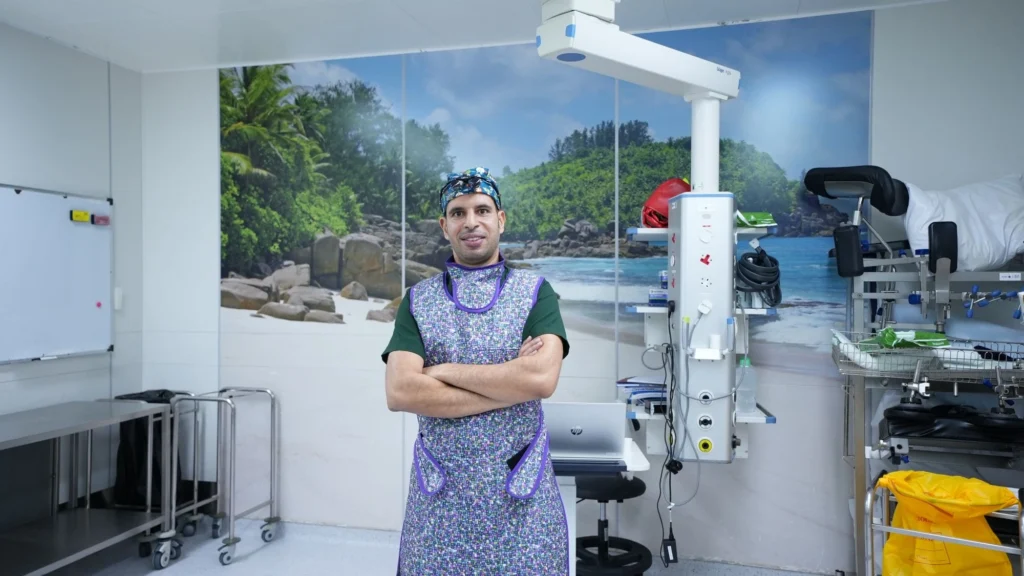
When it comes to complex wrist anatomy, experience matters. Dr. Mohamed Ali is recognized as a leader in orthopedic care in the UAE, specializing in hand and wrist pathologies.
On the Dr. Mohamed Ali website, patients can find a wealth of resources dedicated to understanding their specific conditions. Choosing his clinic means:
- Expert Diagnosis: Utilizing the latest MRI and ultrasound technology.
- Personalized Care: Whether you need a custom TFCC tear wrist brace or advanced arthroscopic surgery, the treatment is tailored to your lifestyle.
- Elite Rehabilitation: Access to top-tier physical therapists to ensure your TFCC tear recovery time is as short as possible.
Enough delaying, enough enduring the pain!
Schedule a consultation with Dr. Mohamed Ali now and start your personalized treatment journey
FAQs about TFCC tear
Will a TFCC tear heal on its own?
Minor tears, especially those in the “well-vascularized” outer rim, have a high chance of healing with rest and bracing. However, central tears often have poor blood supply and may require professional intervention.
How can you tell if you have a TFCC tear?
The most reliable sign is pain on the pinky side of the wrist that worsens with rotation or gripping, accompanied by clicking or popping sounds.
How do you treat a TFCC wrist tear?
Treatment ranges from RICE (Rest, Ice, Compression, Elevation) and splinting to steroid injections and arthroscopic repair.
What happens if TFCC goes untreated?
Ignoring the pain can lead to permanent wrist weakness, chronic instability, and eventually painful arthritis that may require more invasive salvage procedures later in life.
How to heal TFCC tear fast?
The fastest way to heal is early diagnosis. Using a “Wrist Widget” or similar brace immediately after injury, combined with professional physical therapy, provides the best environment for rapid healing.
Conclusion about TFCC tear
A TFCC tear is a complex injury that requires a nuanced approach. Whether you are an athlete in Dubai or a professional working in the city’s tech hubs, don’t let wrist pain hold you back. By understanding the symptoms and seeking early treatment, you can prevent complications and ensure a smooth TFCC tear recovery time.
For expert guidance and world-class orthopedic care, trust Dr. Mohamed Ali to help you regain your strength and mobility. Visit the Dr. Mohamed Ali website to learn more about our specialized wrist programs.