
Swelling After Wrist Surgery: What’s Normal & When to Worry
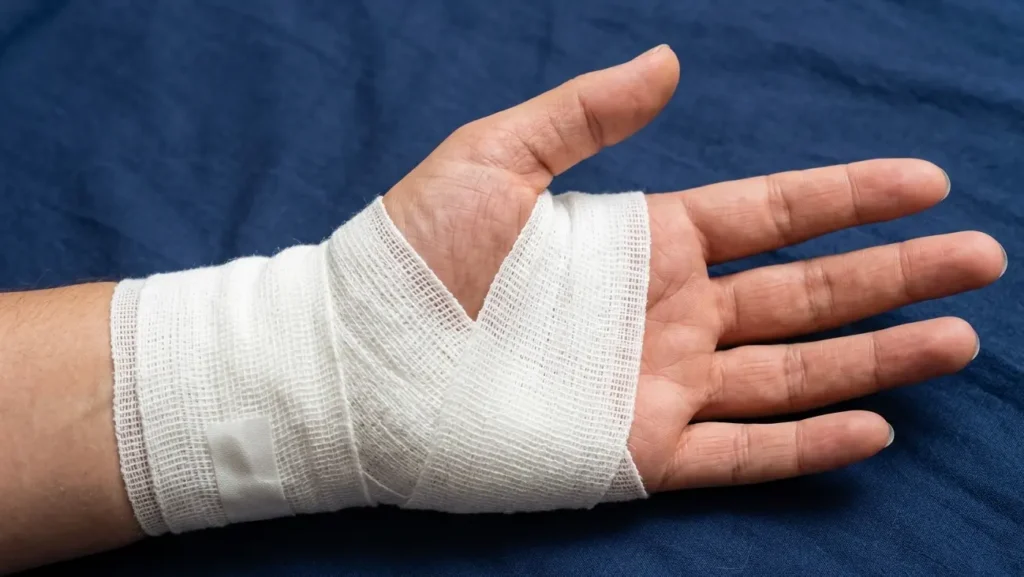
Undergoing orthopedic surgery is a significant step toward reclaiming your mobility and quality of life. Whether you have addressed a fracture, carpal tunnel syndrome, or a tendon repair, the recovery phase is just as critical as the procedure itself. One of the most common concerns patients face during this time is swelling after wrist surgery. While post-operative edema is a natural part of the healing process, managing it correctly is essential to prevent stiffness and ensure a functional outcome. In this comprehensive guide, we will explore why swelling occurs, how long it lasts, and the professional strategies used by leading specialists to accelerate your recovery. What is Post-Operative Swelling? In the medical world, swelling is referred to as edema. It is the body’s natural response to the “trauma” of surgery. When an incision is made and tissues are manipulated, your immune system sends a surge of fluids, white blood cells, and nutrients to the site to begin the repair process. This fluid accumulation serves as a protective cushion for the injured area, but if left unmanaged, it can increase pressure on nerves and restrict the movement of your fingers and wrist. Understanding that this is a biological necessity rather than a sign that something is “wrong” can help ease the anxiety many patients feel in the first few days. Common Hand Surgeries The hand and wrist are marvels of biological engineering, consisting of a complex network of small bones, ligaments, and tendons. Surgery in this region is often required for: Carpal Tunnel Release: To relieve pressure on the median nerve. Trigger Finger Release: To restore smooth movement to a “locking” finger. Distal Radius Fracture Fixation: Using plates and screws to reset a broken wrist. Ganglion Cyst Removal: Clearing out fluid-filled lumps that cause pain. Tendon Repairs: Restoring function after a traumatic laceration or rupture. Regardless of the specific procedure, the delicate nature of hand anatomy means that even a minor intervention can result in noticeable hand swelling after wrist surgery. Read also about wrist surgery and its types, procedures, and recovery guide. Why Are My Fingers Swollen After Wrist Surgery? It is often surprising to patients when they have surgery on their wrist, yet their fingers become stiff and look like “sausages.” This happens because of gravity and the interconnected nature of the hand’s circulatory system. Fluid follows the path of least resistance. If your hand is hanging down by your side, inflammatory fluid pools in the lowest points, the fingertips. Additionally, the tight compartments of the hand mean that swelling in the wrist can compress the veins and lymphatic vessels that normally drain fluid from the fingers. This is why learning how to reduce finger swelling after wrist surgery is a top priority for hand therapists. How Long Does Swelling Last After Hand Surgery? One of the most frequent questions asked in clinical consultations is: Swelling after wrist surgery, how long will it stay? The timeline for recovery is generally broken down into three phases: The Acute Phase (Days 1–5): This is when swelling is at its peak. It is common to see bruising and feel a tight sensation. The Sub-Acute Phase (Weeks 1–6): Swelling gradually subsides but may fluctuate. You might find your hand still swollen 3 weeks after surgery if you have been too active or haven’t kept it elevated. The Chronic Phase (Months 3–6): Subtle, deep-tissue swelling can persist for several months, especially after complex reconstructions. Read also about the top hand specialist in Dubai for hand surgeries & treatments. How to Reduce Swelling After Hand Surgery Effective edema management requires a proactive approach. Here are the gold-standard methods recommended by experts: Elevation is Non-NegotiableTo combat gravity, you must keep your hand “above the heart.” This means propping your arm up on pillows while sleeping and avoiding letting your arm hang at your side while walking. A common mistake is resting the hand on a table; for true elevation, the hand should be higher than the elbow, and the elbow higher than the heart. Active Movement (The Muscle Pump)Unless your surgeon has explicitly told you to remain immobilized, gently wiggling your fingers is vital. This activates the “muscle pump,” which manually pushes fluid back toward the heart. Cold TherapyApplying an ice pack for 15–20 minutes every few hours (with a cloth barrier to protect the skin) can constrict blood vessels and reduce the volume of fluid rushing to the area. CompressionDepending on your specific case, a hand surgeon in Dubai might recommend a compression glove or a light elastic bandage. This provides external pressure to prevent fluid from settling in the tissues. When Should I Worry About Swelling After Surgery? While some discomfort is expected, certain symptoms require immediate medical attention. Watch for these “Red Flags”: A Burning Sensation after Hand Surgery: While some tingling is normal, intense, persistent burning can indicate nerve compression or Complex Regional Pain Syndrome (CRPS). Excessive Warmth and Redness: This may suggest a post-operative infection. Shortness of Breath: Though rare, any surgery carries a risk of blood clots. Sudden Increase in Pain: If pain is no longer controlled by prescribed medication. What Should I Expect During My Hand Surgery Recovery Period? Recovery is a marathon, not a sprint. In the first few weeks, you will likely visit a hand therapist who will help you manage your wrist surgery scar. Scar tissue can become thick and sensitive, but specialized massage techniques can keep the skin supple and prevent the scar from “sticking” to the underlying tendons. You may also experience referred issues; for instance, it is not uncommon to seek advice on how to reduce swelling in hand after surgery, as the entire limb acts as a single functional unit. What Should I Wear After Hand Surgery? Practicality is key during the first 14 days. We recommend: Loose-fitting Clothing: Wide-sleeved shirts or button-downs that can easily fit over a bulky dressing or cast. Slip-on Shoes: Tying laces with one hand is a challenge you’ll want to avoid. Front-closure Bras: For women, reaching
Top hand specialist in Dubai for hand surgeries & treatments
Our hands are among the most intricate and essential tools we possess. From the delicate precision required to type a message to the strength needed to carry groceries, we rely on the 27 bones, numerous joints, and complex network of tendons and nerves in each hand every single minute. When pain or injury strikes, finding a qualified hand specialist in Dubai becomes a priority to restore function and quality of life. Hand surgery is a specialized field that bridges the gap between orthopedics and plastic surgery. Because the hand is composed of such small, densely packed structures, a hand doctor in Dubai must possess extreme precision and a deep understanding of microsurgery. Surgical intervention is often reserved for cases where conservative treatments, such as physical therapy, splinting, or injections, have failed to provide relief or where structural damage requires immediate repair. What is Hand Surgery? Hand surgery encompasses a wide range of procedures designed to restore the function and appearance of the hand, wrist, and forearm. A hand surgeon is trained to treat everything from skin grafts and nerve repairs to complex bone reconstructions. In many cases, the goal of a hand operation is twofold: to eliminate chronic pain and to regain the range of motion necessary for daily activities. Modern techniques, including minimally invasive arthroscopy, allow a hand surgeon specialist to perform repairs through tiny incisions, leading to faster recovery times and less scarring. What are the Most Common Hand Surgeries? If you are seeking a hand surgeon Dubai residents trust, you are likely dealing with one of several common conditions. While many issues are managed non-surgically, the following procedures are frequently performed in specialized orthopedic clinics: Carpal Tunnel Release: This involves cutting the ligament that is pressing on the median nerve to relieve numbness and pain. Trigger Finger Release: A procedure to widen the tendon sheath so the finger can move smoothly without catching or locking. Tendon Repair: Essential after a laceration or rupture to restore the ability to bend or straighten the fingers. Nerve Repair: Microscopic surgery to reconnect damaged nerves, which is vital for restoring sensation and movement. Joint Replacement (Arthroplasty): Often performed for severe thumb or finger arthritis to replace worn-out joints with artificial implants. Fracture Fixation: Using wires, screws, or plates to stabilize broken bones in the hand or wrist. Explore more about surgeries and treatment offered and clients reviews about it through Dr Mohamed Ali website. What Symptoms Suggest You May Need Hand Surgery? Not every hand ache requires a surgical doctor. However, certain “red flag” symptoms indicate that you should consult a bone doctor Dubai experts recommend for a surgical evaluation: Persistent Numbness or Tingling: If you wake up with “pins and needles” that don’t go away, it may indicate nerve compression. Loss of Grip Strength: Difficulty opening jars or dropping objects frequently can signal underlying muscle or nerve issues. Visible Deformity: Fingers that stay bent (Dupuytren’s contracture) or joints that appear misaligned. Chronic Swelling and Pain: Pain that persists for weeks despite rest and anti-inflammatory medication. Inability to Move a Finger: This often indicates a ruptured tendon or a displaced fracture. Related Diagnosed Conditions Treated Through Hand Surgery A hand specialist in Dubai treats a variety of clinical diagnoses. Understanding these conditions helps in preparing for a consultation: Dupuytren’s Contracture: A condition where the tissue under the skin of the palm thickens and shortens, pulling the fingers toward the palm. Rheumatoid Arthritis: An autoimmune disease that can cause severe joint destruction and deformity in the hands. De Quervain’s Tenosynovitis: Painful inflammation of the tendons on the thumb side of the wrist. Ganglion Cysts: Noncancerous lumps that most commonly develop along the tendons or joints of your wrists or hands. Congenital Abnormalities: Issues present from birth, such as webbed fingers (syndactyly) or extra digits. How Long Does Recovery Take After Hand or Wrist Surgery? Recovery is a journey that varies significantly based on the type of hand operation performed. Minor Procedures: For something like a simple trigger finger release, you may regain basic function within 1–2 weeks. Complex Reconstructions: Nerve repairs or joint replacements may require 3 to 6 months for full recovery. Initial Healing: Stitches are typically removed after 10 to 14 days. During this time, keeping the hand elevated is crucial to reduce swelling. Your best orthopedic surgeon in Dubai will provide a personalized timeline, but generally, patience is required as the delicate tissues of the hand heal slower than larger muscle groups. Read also about trigger finger treatment: non-surgical & surgical options. Will I Need Therapy After the Procedure? Almost certainly. Post-operative hand therapy is just as important as the surgery itself. Specialized hand therapists work closely with your hand doctor in Dubai to: Prevent scar tissue from “gluing” tendons together. Increase range of motion through guided exercises. Design custom splints to protect the surgical site while it heals. Provide desensitization techniques for repaired nerves. Without dedicated therapy, even a perfectly performed surgery may result in stiffness. Factors that Determine the Best Hand Specialist in Dubai Choosing a surgeon is a significant decision. When searching for the best hand surgeon in Dubai, consider these criteria: Board Certification & Fellowship Training: Ensure the doctor has completed a specific fellowship in hand and upper extremity surgery. Surgical Volume: Ask how many times they have performed your specific procedure. High volume usually equates to better outcomes. Hospital Affiliation: The quality of the facility, such as leading clinics in Dubai, ensures access to the latest imaging and surgical technology. Patient Reviews: Look for testimonials regarding the doctor’s bedside manner and the success of the recovery process. Who is the Best Hand Specialist in Dubai? While Dubai is home to many talented medical professionals, patients often look for a surgeon who combines international expertise with a deep understanding of the local healthcare landscape. A best orthopedic surgeon in Dubai is one who prioritizes conservative care first but possesses the mastery of microsurgery when intervention is required. What Makes Dr. Mohamed Ali the Best
Dupuytren’s Contracture vs Trigger Finger: Key Differences
If you have ever woken up to find your finger stuck in a bent position or noticed a firm, painless lump in your palm, you need to know the differences between these two conditions (Dupuytren’s contracture vs trigger finger) to determine which one you are suffering from. For many residents in Dubai, the fast-paced lifestyle and professional demands mean that hand mobility is non-negotiable. Whether you are typing in a corporate office in DIFC or engaging in active sports, hand pain and stiffness can significantly impact your quality of life. While both conditions can cause your fingers to curl toward your palm, they are fundamentally different in their causes, symptoms, and treatments. Understanding the nuances of these conditions is the first step toward recovery. In this guide, we will explore the differences, the potential connections between the two, and the advanced treatment options available through the expertise of Dr. Mohamed Ali. What are Dupuytren’s Contracture and Trigger Finger? To distinguish between the two, we must first look at the anatomy involved. Trigger Finger (Stenosing Tenosynovitis) This is essentially an inflammation problem. Each of your fingers has tendons that slide through a protective tunnel called a sheath. When the tendon or the opening of the sheath becomes inflamed or thickened, the tendon can no longer glide smoothly. It “catches” or “snaps,” much like a trigger being pulled and released. Dupuytren’s Contracture Unlike trigger finger, Dupuytren’s is not an inflammatory condition of the tendon. Instead, it affects the palmar fascia—the layer of tissue just beneath the skin of your palm. In patients with Dupuytren’s, this tissue begins to thicken and eventually forms tough “cords.” Over time, these cords pull the fingers (usually the ring and pinky) into a permanently bent position. Key Differences Between Trigger Finger vs Dupuytren’s Contracture While they may look similar at a glance, the mechanical failure in the hand is different for each. The Mechanism:Trigger finger is a “gliding” issue where the tendon gets stuck. Dupuytren’s is a “tethering” issue where the skin and underlying tissue physically pull the finger down. The Sensation:Trigger finger is often associated with a painful “pop” or “click” when moving the finger. Dupuytren’s is typically painless in its later stages, though the initial nodules in the palm may be tender. The Fingers Affected: Trigger finger most commonly affects the thumb, middle, or ring finger. Dupuytren’s most frequently targets the ring and little fingers. Reversibility:You can often manually straighten a “triggered” finger (though it may be painful). In advanced Dupuytren’s, the finger is physically locked and cannot be straightened even with external force. Read also about trigger finger treatment and the non-surgical & surgical options. How Do I Tell Dupuytren’s Contracture vs Trigger Finger? If you are trying to identify which condition you have, perform these simple observations: The Tabletop Test: Place your hand flat on a table. If you can flatten your palm and fingers completely, you likely do not have Dupuytren’s contracture. If your fingers remain arched and you cannot flatten them, this is a classic sign of Dupuytren’s. The “Snap” Factor: When you try to extend your finger, does it suddenly “jump” or “click” into place? That is the hallmark of trigger finger. The Feel of the Palm: Feel the base of your finger. A small, tender bump that moves when you move your finger is usually a trigger finger nodule. A firm, stationary cord that feels like a thick string under the skin is indicative of Dupuytren’s. The Connection Between Dupuytren’s Contracture and Trigger Finger Interestingly, these two conditions are not mutually exclusive. Medical research, including studies from the NIH, suggests a biological overlap. Dupuytren Contracture After Trigger Finger Surgery Some patients in Dubai have reported developing symptoms of Dupuytren contracture after trigger finger surgery. While the surgery for trigger finger is highly successful, the localized trauma or the body’s natural healing response can sometimes trigger the thickening of the palmar fascia in individuals who are genetically predisposed to Dupuytren’s. Furthermore, statistics show that individuals with Dupuytren’s have a higher-than-average likelihood of developing trigger finger. Both conditions involve the palm’s connective tissues, and systemic factors like diabetes can contribute to both simultaneously. Read also about trigger finger ayurvedic treatment and how to get natural relief & healing. Dupuytren’s Contracture vs Trigger Finger: Causes and Risk Factors Why do these conditions develop? The reasons vary significantly between the two. Causes of Trigger Finger Repetitive Motion: Frequent gripping or forceful use of the fingers. Health Conditions: Diabetes and rheumatoid arthritis are major contributors. Gender: It is more common in women than men. Causes of Dupuytren’s Contracture Genetics: Often referred to as the “Viking Disease,” it has a strong hereditary link, particularly in those of Northern European descent. Age and Gender: Most common in men over the age of 50. Lifestyle Factors: Smoking and high alcohol consumption have been linked to an increased risk of progression. Symptoms to Watch For Recognizing the symptoms early allows for less invasive treatments. Trigger Finger Symptoms: Lingering soreness at the base of the finger. A painful clicking or snapping sensation during movement. Stiffness, especially in the morning. The finger locking in a bent position, then suddenly popping straight. Dupuytren’s Symptoms: One or more small, hard lumps (nodules) in the palm. The skin on the palm appearing puckered or dimpled. The formation of a thick cord extending from the palm to the finger. Gradual inability to fully extend the fingers, impacting tasks like shaking hands or putting on gloves. Diagnosing Your Condition In Dubai, a clinical diagnosis is the gold standard. Dr. Mohamed Ali utilizes a combination of physical examinations and patient history to determine the exact nature of the hand problem. Generally, imaging like X-rays or MRIs is not required for these conditions. A specialist can diagnose both through a “touch and move” assessment—feeling for nodules, checking the range of motion, and observing the characteristic “triggering” or “tethering” of the digits. Read also about the top hand specialist in Dubai for hand surgeries & treatments. Dupuytren’s Contracture vs