
Ganglion Cyst Wrist: Diagnosis, Causes, and Advanced Removal
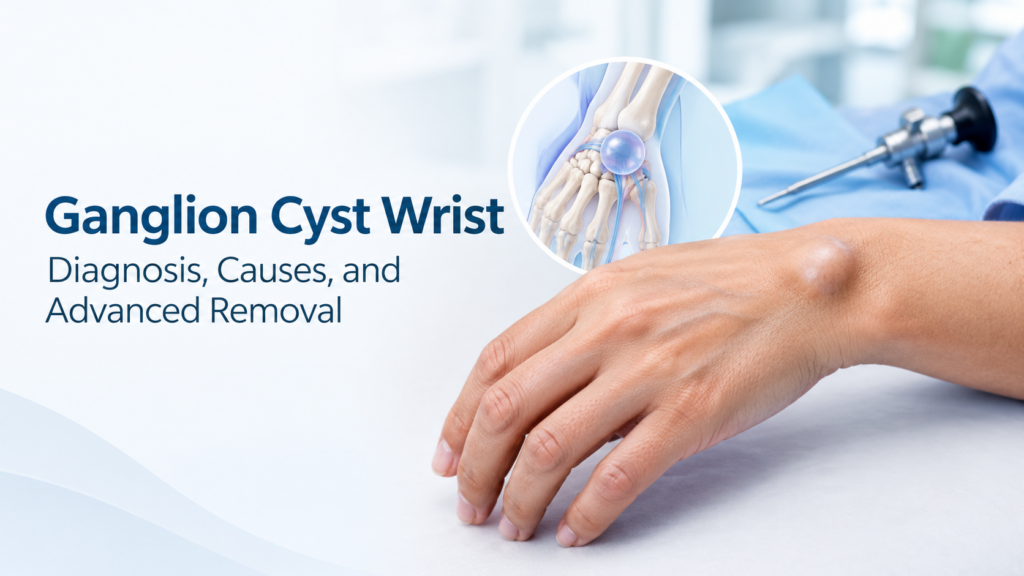
Clinically authored by Dr. Mohammad Ali, Fellowship-Trained Hand, Wrist and Upper Limb Surgeon in Dubai, UAE. A ganglion cyst wrist is the most common benign soft-tissue swelling found in the hand and wrist. Developing along joint capsules or tendon sheaths, these fluid-filled sacs often fluctuate in size and cause localized discomfort or nerve irritation. Understanding accurate anatomical origins, needle aspiration recurrence realities, and modern minimally invasive surgical options ensures you choose the most effective, lasting treatment path. Key Takeaways What Is a Ganglion Cyst Wrist and Why Does It Form? A ganglion cyst wrist represents a smooth, firm, fluid-filled swelling that emerges adjacent to a carpal joint or tendon sheath. These lumps are entirely benign and cannot turn into malignant tumors. Inside the sac is a thick, clear, gelatinous fluid high in hyaluronic acid, glucosamine, and albumin, resembling condensed synovial fluid, which means the natural lubricating liquid found inside normal joints. Anatomy of the Joint Capsule and Mucin Fluid The cyst forms when joint stress or micro-trauma causes capsular tissue to stretch or degenerate. This process creates a narrow stalk or pedicle, which means a small connecting stem, linking the joint space to the cyst. The stalk functions like a one-way check valve, allowing joint fluid into the cyst sac while preventing it from flowing back into the joint capsule. Dorsal Ganglion Cyst Wrist vs. Volar Ganglion Cyst Wrist The location of the lump dictates both the surgical approach and the anatomical structures requiring protection. Anatomical Feature Dorsal Wrist Ganglion Volar Wrist Ganglion Prevalence 60% – 70% of all wrist ganglia 18% – 20% of all wrist ganglia Typical Origin Scapholunate ligament and capsule Radiocarpal joint or STT joint capsule Visible Location Back of the wrist, prominent with flexion Palmar wrist crease near the thumb base Adjacent Structures Extensor digitorum communis tendons Radial artery, palmar cutaneous nerve Transillumination Readily transilluminates with light Transilluminates (requires vascular check) Dorsal cysts become noticeably prominent when bending the wrist downward. Volar cysts sit adjacent to the radial pulse, requiring meticulous care to safeguard blood vessels during intervention. What Causes a Ganglion Cyst Wrist to Suddenly Appear? A ganglion cyst wrist often appears without a single identifiable traumatic event. However, repetitive loading, ligament laxity, and micro-tears in the joint capsule create favorable conditions for cyst progression. Patients engaged in gymnastics, weightlifting, racquet sports, or intensive manual work show higher rates of symptomatic capsular swelling. Repetitive Wrist Strain and Capsular Weakness Repetitive extension and flexion generate micro-tears in stabilizing wrist ligaments. The body responds by producing extra mucin fluid to protect the joint. As internal joint pressure increases, this fluid herniates through weak capsular fibers to form a distinct subcutaneous pocket, which means a fluid pocket sitting just beneath the skin. Why Does My Wrist Ganglion Fluctuate in Size? Patients frequently ask why their wrist bump seems larger after busy workdays and smaller after resting. The one-way valve stalk pumps more fluid into the cyst whenever joint motion increases internal carpal pressure. During periods of wrist rest or immobilization, fluid production slows down and water content is gradually absorbed by surrounding tissues. Symptoms and Differential Diagnosis for Lumps on the Wrist While many cysts cause no pain, others produce distinct functional limitations depending on size and nerve involvement. Patients who require comprehensive clinical evaluation for chronic wrist pain treatment often present with aching during loaded wrist extension. Ganglion Cyst Wrist Pain and Nerve Tingling Discomfort from a ganglion cyst wrist stems from two primary mechanisms: How Do I Know If My Wrist Lump Is a Ganglion Cyst or a Tumor? Patients naturally worry about malignancy when discovering a sudden subcutaneous mass. True soft-tissue sarcomas in the wrist are exceptionally rare and typically feel hard, fixed to deep tissues, and completely non-translucent. Other non-cancerous lumps that can appear around the wrist include: Clinical Diagnostic Tests: Transillumination, Allen’s Test, and Ultrasound Accurate diagnosis involves three key clinical and imaging steps: 1. Transillumination Test: In a darkened room, a penlight placed against the mass reveals whether light passes clearly through mucin fluid, which means showing transillumination, the diagnostic passage of bright light through fluid-filled tissue. 2. Allen’s Vascular Patency Test: Prior to evaluating any volar cyst, the hand surgeon verifies uninterrupted arterial blood flow through both radial and ulnar arteries. 3. High-Resolution Musculoskeletal Ultrasound: Confirms the cystic, anechoic nature of the mass, maps the joint stalk, and pinpoints its exact distance from the radial artery. Non-Surgical Treatments and Home Care Realities Asymptomatic ganglion cysts do not require immediate procedural intervention. Splinting and Activity Modification When mild aching occurs during active sports or typing, conservative immobilization can calm joint irritation. Using custom orthopedic splinting to reduce joint capsular strain limits repetitive wrist extension and decreases fluid pumping across the stalk. Non-steroidal anti-inflammatory medications provide short-term pain relief by decreasing surrounding synovial inflammation. Why You Should Never Hit a Ganglion Cyst with a Heavy Book Historically termed “Bible cysts” because people struck them with heavy household books, this dangerous practice must be avoided. Smashing the cyst creates severe risks, including: Aspiration vs. Surgical Excision: Recurrence Rates and Long-Term Results When a ganglion cyst wrist causes chronic aching, weakness, or aesthetic distress, clinical intervention becomes necessary. Choosing between needle aspiration and surgical removal depends on recurrence risk tolerance, lump location, and symptom severity. Needle Aspiration Efficacy and the 50% Recurrence Reality Aspiration involves numbing the skin, inserting an 18-gauge needle, and drawing out the thick mucin jelly. Because aspiration leaves the underlying capsular stalk intact, the valve continues pumping fluid back into the cavity. Aspiration of volar wrist cysts carries added hazard due to radial artery proximity and is rarely recommended without real-time ultrasound guidance. Comparison of Wrist Ganglion Management Strategies Treatment Method Invasiveness Recurrence Rate Recovery Time Primary Advantages & Limits Watchful Waiting Non-invasive Spontaneous resolution in 30%–50% Immediate Low risk; suitable for painless lumps that do not interfere with function. Needle Aspiration Minimally invasive in-office 45% – 60% recurrence 1 – 2 days Immediate cosmetic relief; high recurrence because
Best hand doctor in Dubai: Guide to Top Hand and Wrist Surgeons

Selecting the best hand doctor in Dubai for Advanced Upper Limb Care Clinically reviewed by Dr. Mohammad Ali, Fellowship-Trained Hand, Wrist and Upper Limb Surgeon at Dubai Hand, providing specialized orthopedic and microvascular upper extremity care across the UAE. Finding the best hand doctor in Dubai is essential when persistent wrist pain, nerve compression, or trauma affects your daily routine. Hand anatomy requires delicate microvascular and orthopedic expertise to restore full dexterity. This clinical guide outlines surgeon credentials, cutting-edge wide-awake procedures, and diagnostic standards across the UAE to help you choose the right upper extremity specialist for your recovery. Key Takeaways What Qualifications Distinguish the best hand doctor in Dubai? Hand surgery is a distinct subspecialty requiring years of focused training beyond general orthopedics or general plastic surgery. The intricate anatomy of the wrist and hand demands meticulous precision. In Dubai, medical practitioners are licensed under specific regulatory categories by the Dubai Health Authority (DHA). Understanding these licensing tiers helps patients make informed healthcare decisions. Patients seeking surgical intervention should confirm whether their physician completed recognized fellowships in the United Kingdom, United States, Europe, or equivalent medical centers. Reviewing clinical portfolios and selecting the best hand surgeon in Dubai ensures your practitioner has vast experience handling complex trauma, reconstructive procedures, and revision surgeries. Why Choose the best hand doctor in Dubai Over a General Orthopedic Surgeon? General orthopedic surgeons treat the entire musculoskeletal system, including hips, knees, and spines. However, hand and wrist anatomy contains dense clusters of nerves, tendons, and small bones. A fellowship-trained hand surgeon focuses exclusively on upper extremity mechanics, microsurgery, and joint kinematics. This focused experience leads to superior functional outcomes for intricate hand conditions. According to the American Society for Surgery of the Hand, specialized hand surgeons are uniquely qualified to manage delicate nerve repairs and microvascular reconstructions that general surgeons rarely perform. How Do I Check if a Doctor Is DHA Board Certified? You can verify a physician’s licensing tier and active registration through the official DHA online registry portal before scheduling a clinical consultation. Always verify whether the surgeon holds Consultant status in Orthopedic Surgery with a documented subspecialty scope in hand and upper limb procedures. Diagnostic Excellence: High-Resolution Ultrasound and 3T MRI Accurate diagnosis is the foundation of successful upper limb treatment. Clinical examinations must be supported by state-of-the-art diagnostic imaging to pinpoint soft tissue pathology. Leading clinics in Dubai utilize dynamic musculoskeletal (MSK) ultrasound and dedicated 3T extremity MRI scanners rather than standard whole-body imaging systems. Diagnostic Modality Primary Clinical Use Key Advantage for Hand Conditions Dynamic MSK Ultrasound Tendon gliding, trigger finger, nerve subluxation, ganglion cyst mapping Real-time movement assessment without radiation exposure 3T Extremity MRI TFCC tears, scaphoid avascular necrosis, scapholunate ligament instability Superior soft-tissue contrast and sub-millimeter joint visualization Electromyography (EMG / NCS) Carpal tunnel syndrome, cubital tunnel syndrome, nerve compression Objective physiological quantification of nerve conduction velocity High-Definition Digital X-Ray Bone fractures, joint osteoarthritis, carpal alignment measurements Immediate structural bone assessment with minimal radiation Dynamic ultrasound allows the clinician to view tendons and nerves while you move your fingers, identifying intermittent friction or snapping that static scans miss. When ligament tears are suspected, undergoing specialized surgical TFCC repair in Dubai begins with precise high-field imaging to evaluate structural stability. What Diagnostic Tests Do I Need Before Hand Surgery? Your specialist will determine diagnostic requirements based on your symptoms during an in-person physical assessment. Modern Innovations in 2026: WALANT Technique and Minimally Invasive Surgery Upper extremity surgery has evolved significantly with the adoption of Wide Awake Local Anesthesia No Tourniquet (WALANT) protocols across modern outpatient surgical centers in Dubai. Traditional hand surgery required general anesthesia or heavy sedation paired with an upper arm tourniquet, which often caused post-operative muscle soreness and extended recovery periods. WALANT utilizes a proprietary combination of lidocaine for local numbing and epinephrine for localized bleeding control, completely removing the need for a painful tourniquet. Clinical practice updates outlined by the British Society for Surgery of the Hand highlight WALANT as a safe, highly efficient standard for outpatient hand procedures. During wide-awake surgery, patients can actively flex and extend their fingers on command, allowing the surgeon to test repair strength and tendon movement in real time before closing the incision. What Is WALANT and Why Is It Preferred for Hand Surgery? WALANT allows patients to remain fully awake, comfortable, and pain-free during minor and moderate surgical procedures without experiencing grogginess from general anesthesia. Benefits of WALANT day surgery include: Endoscopic Carpal Tunnel Release vs Open Decompression Endoscopic carpal tunnel release represents another major minimally invasive advancement. Using a tiny incision and a high-definition micro-camera, the transverse carpal ligament is divided from within. This technique avoids cutting through the sensitive palmar skin and underlying fat pad, resulting in significantly less post-operative tenderness and a faster return to typing and driving. Patients managing persistent median nerve compression can explore modern solutions for treating carpal tunnel syndrome in the UAE through minimally invasive day-case releases. Conservative Management vs. Surgical Thresholds The best hand doctor in Dubai prioritizes evidence-based conservative care before recommending any operative intervention. Many conditions resolve completely with structured non-surgical protocols. Clinical decisions follow international guidelines from the American Academy of Orthopaedic Surgeons (AAOS) and the British Society for Surgery of the Hand (BSSH). Condition Initial Conservative Protocol Indications for Surgical Intervention Carpal Tunnel Syndrome Night splinting in neutral position, activity modification, ultrasound-guided steroid injection Persistent numbness, thenar muscle atrophy, or failure of 6–12 weeks conservative therapy Trigger Finger (Stenosing Tenosynovitis) Custom extension splinting, anti-inflammatory treatment, targeted corticosteroid injection Locked digit requiring manual reduction, chronic painful clicking after 2 failed injections De Quervain’s Tenosynovitis Thumb spica immobilization, ergonomic adjustments, guided sheath injection Severe functional limitation, persistent tendon sheath thickening beyond 3 months Thumb Basal Joint (CMC) Arthritis Rigid support splints, hand therapy, joint injections, topical NSAIDs Intractable pain, severe grip weakness, joint subluxation affecting daily tasks TFCC Tears & Wrist Instability Wrist immobilization splints, targeted strengthening, regenerative injections Unstable distal radioulnar joint (DRUJ), persistent mechanical
Wrist Pain Treatment in Dubai: Expert Care by Dr. Mohamed Ali
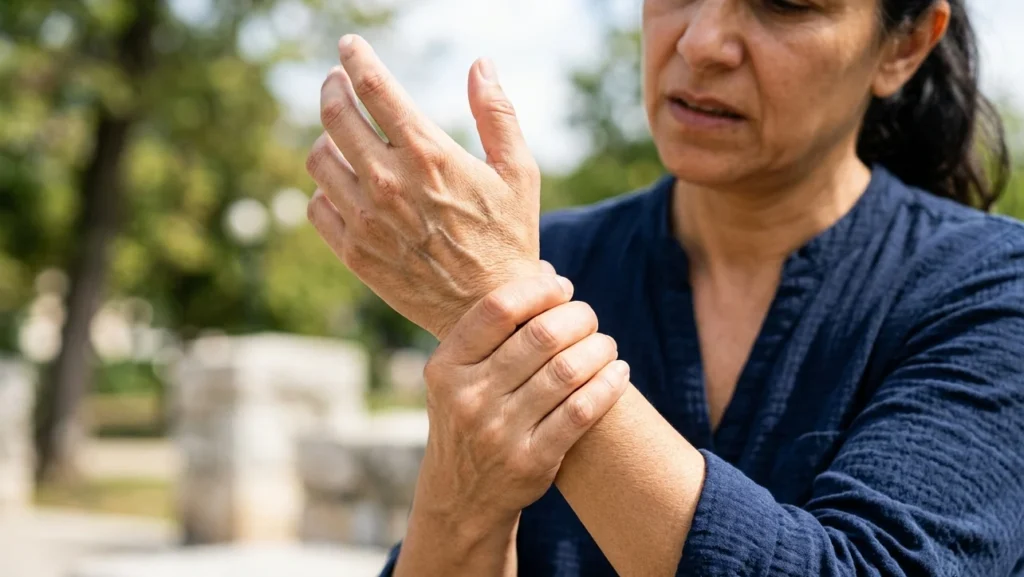
Whether it is a sharp ache when lifting your morning coffee, a dull throb after a long day at your office desk in Downtown Dubai, or a sudden twinge during a padel tennis match, wrist discomfort can completely disrupt your life. The wrist is an incredibly complex, highly mobile structure. When it hurts, even the simplest daily tasks become exhausting challenges. Finding the right wrist pain treatment is essential not just for immediate relief, but to safeguard your long-term mobility and hand function. Many people living in Dubai endure persistent discomfort, mistaking it for minor fatigue. However, understanding the underlying hand pain causes is the first step toward reclaiming a pain-free life. Proper wrist pain management requires more than just pushing through the discomfort; it demands an accurate diagnosis and a personalized care strategy. If you are currently experiencing persistent pain, swelling, or numbness, consulting a dedicated expert like Dr. Mohamed Ali can make all the difference. Navigating the journey toward recovery becomes simple when you partner with a trusted orthopedic professional who specializes in modern, advanced upper-limb solutions. What is Wrist Pain? Wrist pain is any discomfort, soreness, or aching felt within the wrist joint. The wrist is not just a single joint; it is a complex network connecting the forearm bones (the radius and ulna) to eight small carpal bones in the hand. Surrounding these bones are numerous tendons, ligaments, nerves, and blood vessels that allow for an extensive range of motion. Because so many delicate structures pass through this narrow space, even minor structural shifts or inflammation can cause noticeable wrist joint pain. The discomfort can manifest in several ways: A dull, constant ache deep within the joint. Sharp, shooting sensations that radiate up the arm or down into the fingers. A pins-and-needles sensation, often accompanied by weakness in your grip. Understanding the specific nature of your discomfort helps specialists pinpoint exactly which tissue is irritated, ensuring your recovery plan targets the root source rather than just masking the symptoms. Common Wrist Pain Causes The human hand and wrist are built for precision and strength. However, this intricate design makes them highly susceptible to both sudden impacts and wear-and-tear over time. The primary hand pain causes generally fall into three distinct categories: 1. Repetitive Stress and Overuse Repetitive tasks are among the most frequent culprits behind modern joint discomfort. Spending hours typing on non-ergonomic keyboards, repetitive factory work, or continuous sports motions like golfing or tennis can cause micro-trauma to the soft tissues. Over time, this constant friction leads to conditions like tendonitis (inflammation of the tendons) or De Quervain’s tenosynovitis, which causes pain specifically at the base of the thumb. 2. Sudden Injuries and Physical Trauma A sudden fall onto an outstretched hand—frequently seen in sports or accidental slips—can easily cause sprains, ligament tears, or fractures. The scaphoid bone, one of the small carpal bones, is particularly vulnerable to fractures during falls, and often requires specialized care to heal correctly due to its limited blood supply. 3. Nerve Compression (Carpal Tunnel Syndrome) As shown in the anatomical diagram above, the median nerve runs directly through a narrow passage in the wrist known as the carpal tunnel. When surrounding muscle tendons become swollen or inflamed, they squeeze this crucial nerve. This compression results in Carpal Tunnel Syndrome, a common condition characterized by burning pain, tingling, and numbness in the thumb, index, and middle fingers. 4. Degenerative Conditions Osteoarthritis: The gradual wear and tear of the protective cartilage within the joint over time. Rheumatoid Arthritis: An autoimmune condition where the body’s immune system mistakenly attacks the joint linings, causing bilateral swelling and severe stiffness. Ganglion Cysts: Non-cancerous, fluid-filled lumps that develop along the tendons or joints of the wrists, sometimes pressing on nearby nerves. Wrist Pain Diagnosis An accurate diagnosis is the cornerstone of effective wrist pain treatment. Because different conditions can present with very similar symptoms, a generic approach simply will not work. A comprehensive orthopedic evaluation typically involves several key steps: Clinical History and Physical Examination: Your specialist will evaluate your range of motion, pinpoint areas of tenderness, check for swelling, and perform specific physical maneuvers to check for nerve compression or ligament instability. X-rays: This is usually the first imaging step, ideal for identifying bone fractures, joint dislocations, or signs of osteoarthritis. Ultrasound or MRI: These advanced imaging techniques provide highly detailed views of soft tissues, allowing doctors to detect hidden ligament tears, tendonitis, fluid buildup, or hidden ganglion cysts. Electromyography (EMG) / Nerve Conduction Studies: If nerve compression like Carpal Tunnel Syndrome is suspected, these tests measure the electrical activity in your muscles and nerves to determine the exact location and severity of the compression. Read more about the wrist surgery: Types, Procedures, and Recovery Guide. Wrist Pain Treatment Options Once a definitive cause is identified, a customized recovery strategy can be mapped out. Effective care typically balances immediate symptom relief with long-term structural healing. Depending on your specific condition, your specialist may recommend one or a combination of the following approaches: 1. Pain Relief Medicine for Wrist Pain For mild to moderate inflammation, medical management can provide significant relief. Nonsteroidal anti-inflammatory drugs (NSAIDs), available both over-the-counter and as prescription-strength formulations, help decrease painful swelling and joint tenderness. In cases of severe, localized inflammation that doesn’t respond to oral medication, targeted corticosteroid injections can be administered directly into the joint space or the carpal tunnel to deliver fast, powerful relief. 2. Wrist Support Options Resting the joint is vital when dealing with acute sprains or repetitive strain injuries. Utilizing an ergonomic wrist support option, such as a specialized brace or splint, helps keep the joint stabilized in a neutral position. As illustrated above, a well-fitted brace restricts harmful twisting movements while allowing you to use your fingers freely. Wearing a splint at night is highly beneficial for Carpal Tunnel Syndrome sufferers, as it prevents the hand from bending involuntarily during sleep and worsening nerve compression. 3. Wrist Pain Treatment at Home For minor
TFCC Ligament Tear: Symptoms, Causes, and Recovery Options
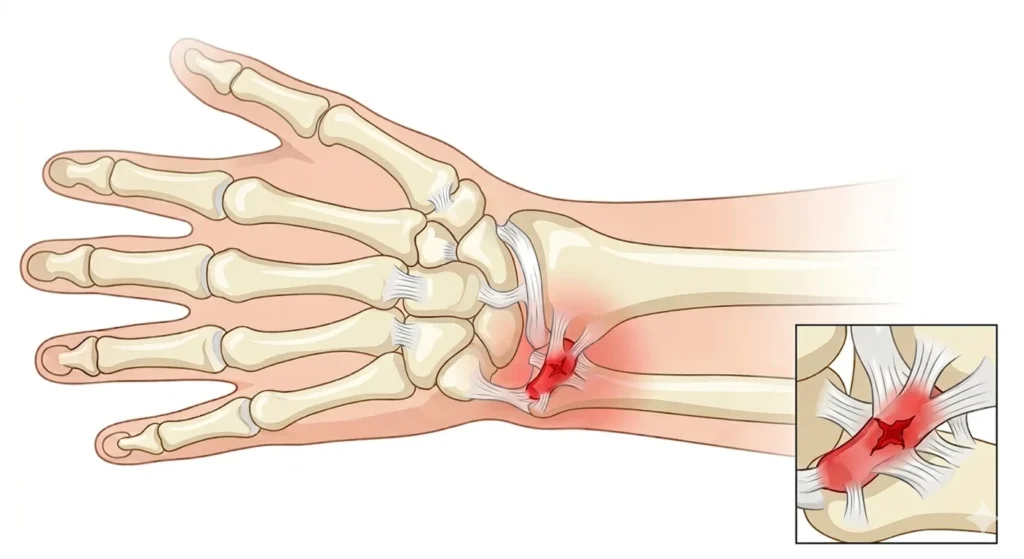
If you have ever felt a sharp, nagging pain on the pinky side of your wrist that makes it difficult to turn a doorknob or lift a heavy bag, you may be experiencing a TFCC ligament tear. This injury, though common among athletes and manual laborers in Dubai, often goes undiagnosed or is mistaken for a simple wrist sprain. The Triangular Fibrocartilage Complex (TFCC) is a crucial structure that stabilizes the wrist. A tear in this area can significantly impact your quality of life, making even simple daily tasks feel like a chore. Whether you are a professional tennis player at the Aviation Club or someone who spends long hours at a desk in Downtown Dubai, understanding how to manage this condition is vital for long-term hand health. In this comprehensive guide, we will explore everything you need to know about the Triangular Fibrocartilage Complex Tear, from initial diagnosis to the latest treatment options available. What is TFCC Ligament Tear? The TFCC is not just one ligament; it is a complex structure made of ligaments and cartilage located on the ulnar side (the pinky side) of the wrist. It acts as a cushion and a stabilizer between the ulna bone and the small bones of the carpal row. A TFCC ligament tear occurs when these tissues are stretched, strained, or ruptured. Because this area facilitates complex movements like rotation and gripping, an injury here can lead to instability and chronic pain. Physicians typically categorize these tears into two types: Type 1 (Traumatic): Caused by a sudden fall on an outstretched hand or a forceful twist of the wrist. Type 2 (Degenerative): Resulting from wear and tear over time, often seen in older adults or those with an ulnar-positive variance (where the ulna is longer than the radius). Reasons for TFCC Ligament Tear Understanding the “why” behind your pain is the first step toward recovery. Several factors can lead to a TFCC ligament tear wrist injury: Acute Trauma: The most frequent cause is a “FOOSH” injury (Fall On Out-Stretched Hand). In the active lifestyle of Dubai, this often happens during sports like padel, cycling, or gymnastics. Repetitive Motion: Jobs or hobbies that require constant wrist rotation—such as using heavy machinery or intensive typing—can wear down the cartilage over time. Structural Anatomy: Some individuals are born with an ulnar bone that is slightly longer than the radius. This puts extra pressure on the TFCC, making it more prone to thinning and eventual tearing. Aging: As we age, the blood supply to the central part of the TFCC decreases, making the tissue more brittle and less capable of healing from minor strains. TFCC Ligament Tear Symptoms Identifying the TFCC ligament tear symptoms early can prevent long-term damage. Common signs include: Localized Pain: Deep, aching pain specifically on the pinky side of the wrist. Clicking or Popping: You might hear or feel a “click” when rotating your forearm or moving the wrist side-to-side. Weakened Grip: Finding it difficult to hold a coffee cup, open a jar, or shake hands firmly. Instability: A feeling that your wrist is “giving way” or isn’t supportive under load. Reduced Range of Motion: Difficulty rotating the wrist fully (supination and pronation). Can a TFCC Tear Get Worse? A frequent question patients ask is: can a tfcc tear get worse? The short answer is yes. Because the TFCC is a primary stabilizer, leaving a tear untreated can lead to a cascade of complications: Chronic Instability: The distal radioulnar joint (DRUJ) may become permanently unstable, leading to a permanent loss of strength. Arthritis: Misalignment of the wrist bones due to a lack of support can lead to premature osteoarthritis in the wrist. Compensatory Injuries: You may subconsciously change how you move your hand, leading to tendonitis or strain in the elbow and shoulder. Permanent Stiffness: Long-term inflammation can lead to the formation of scar tissue that severely limits your mobility. Read more about: Can a TFCC Tear Get Worse? Risks of Untreated Wrist Injuries Diagnosis of TFCC Ligament Tear If you suspect an injury, seeking a specialist in Dubai is essential. A professional diagnosis starts with a clinical history—discussing when the pain started and what activities trigger it. The doctor will perform a physical exam to check for tenderness specifically at the “TFCC fovea,” the small soft spot between the end of the ulna and the carpal bones. They will also assess the stability of your distal radioulnar joint. TFCC Ligament Tear Tests To confirm a TFCC ligament tear, several specialized tests and imaging modalities are used: The Press Test: You are asked to lift yourself up from a chair using your hands. Pain during this maneuver is a strong indicator of a tear. Ulnar Fovea Sign: Pressure applied to the space between the ulnar styloid and the flexor carpi ulnaris tendon. TFCC Ligament Tear MRI: This is the gold standard for diagnosis. A high-resolution MRI (often with an arthrogram, where dye is injected) allows the surgeon to see the exact location and severity of the tear. X-rays: While X-rays cannot see the ligament itself, they are used to check for fractures or an ulnar-positive variance. Read more about: TFCC Tear Guide: Diagnosis, Recovery Time & Surgical Options TFCC Ligament Tear Treatment Options Most cases of TFCC ligament tear treatment begin with conservative, non-surgical approaches. Immobilization: Wearing a specialized splint or cast for 4–6 weeks to allow the tissue to rest. Activity Modification: Avoiding heavy lifting and twisting movements. Anti-inflammatory Medication: Using NSAIDs to manage pain and swelling. Corticosteroid Injections: To reduce intense inflammation in chronic cases. Physical Therapy: Specialized hand therapy focusing on strengthening the supporting muscles without stressing the tear. TFCC Ligament Tear Surgery If conservative measures fail after several months, or if the tear is severe (Type 1 traumatic tear with instability), TFCC ligament tear surgery may be necessary. Modern techniques usually involve Wrist Arthroscopy. This is a minimally invasive procedure where a surgeon makes tiny incisions and uses a camera to either: Debridement: Trimming away the torn,
Can a TFCC Tear Get Worse? Risks of Untreated Wrist Injuries
The wrist is one of the most complex joints in the human body, allowing for the intricate movements required for everything from typing a message to swinging a tennis racket. However, when pain strikes the “pinky side” of the wrist, it often stems from a specific structure called the Triangular Fibrocartilage Complex. If you are experiencing this sharp, limiting discomfort, you are likely wondering: can a tfcc tear get worse if left untreated? In a bustling, active city like Dubai, where residents balance high-intensity sports with demanding professional lives, wrist injuries are common. Understanding the progression of a tfcc injury is crucial for long-term joint health. Ignoring the signs today could lead to chronic instability tomorrow. What is the Triangular Fibrocartilage Complex (TFCC)? The TFCC is not a single structure but a complex web of ligaments, tendons, and cartilage. It is located on the ulnar side of the wrist (the side of your small finger). Think of it as the “meniscus of the wrist.” It serves two primary purposes: Stability: It keeps the two bones of the forearm (the radius and ulna) stable as the hand rotates or grips. Load Bearing: It acts as a shock absorber, cushioning the small carpal bones against the ulna. When a TFCC ligament tear occurs, this stability is compromised. Because this area has a relatively poor blood supply, similar to the meniscus in the knee, healing can be slow, making professional intervention essential. TFCC Sprain vs Tear It is common for patients to confuse a sprain with a tear. A TFCC Sprain: This involves stretching or microscopic tearing of the ligaments. While painful, the structural integrity of the complex remains mostly intact. A TFCC Tear: This is a more significant physical disruption of the tissue. If you suspect an injury, a TFCC tear test performed by a specialist is the only way to differentiate between the two. This usually involves physical maneuvers like the “Ulnar Fovea Sign” or the “Press Test,” where you attempt to lift yourself out of a chair using your hands. If these cause sharp tfcc pain, a tear is highly likely. Types of TFCC Tears Medical professionals categorize these injuries into two main types based on the cause: Class 1 (Traumatic): These are caused by a specific event, such as falling on an outstretched hand (FOOSH) or a violent twisting of the wrist. These are common in athletes or workers in the UAE’s industrial sectors. Class 2 (Degenerative): These occur over time. As we age, the cartilage wears down. In some cases, if the ulna bone is slightly longer than the radius (ulnar variance), it can “poke” the TFCC, leading to a gradual tear. How Common are TFCC Tears? You might be surprised to learn that TFCC tears are quite common, though often underdiagnosed. Studies indicate that nearly 30% of people over the age of 30 may have some level of degenerative TFCC wear, even without symptoms. However, for active individuals in Dubai, from padel players to gym enthusiasts, traumatic tears are a frequent reason for seeking orthopedic care. What is the Pain Pattern of a TFCC Tear? The hallmark of a TFCC injury is “ulnar-sided” wrist pain. You might experience: Pain that worsens when leaning on your hand or pushing up from a chair. A “clicking” or “popping” sound when rotating your wrist (like turning a doorknob). Weakness in your grip strength. Deep, dull aching that intensifies with activity. What Causes a TFCC Tear? While we’ve touched on trauma and age, several factors contribute to these injuries: High-Impact Sports: Sports like tennis, golf, and gymnastics place immense pressure on the wrist. Repetitive Strain: Work that involves constant twisting or heavy lifting. Anatomical Factors: Having an ulna that is longer than the radius, putting constant pressure on the cartilage. Can a TFCC Tear Get Worse? The short answer is yes, a TFCC tear can get worse. Because the TFCC is responsible for stabilizing the distal radioulnar joint (DRUJ), a tear leaves the wrist “loose.” If you continue to use a torn TFCC without proper TFCC tear treatment, several things happen: Increased Tear Size: A small partial tear can unzip into a full-thickness tear under continued stress. Cartilage Degradation: The uneven distribution of weight leads to the thinning of surrounding cartilage. Inflammation Cycle: Persistent use leads to chronic synovitis (inflammation of the joint lining), making the pain more frequent and harder to manage. Secondary Injuries: When one part of the wrist is weak, other ligaments and tendons overcompensate, leading to tendonitis in other areas of the hand. Learn more about: Dr. Mohamed Ali The Best Hand Surgeon in Dubai What are the Complications of a TFCC Tear? If you ignore the question of whether a TFCC tear can get worse, you may face long-term complications: Chronic Instability: Your wrist may feel like it is “giving out.” Early-Onset Osteoarthritis: This is the most serious complication. Persistent instability causes the bones to rub together abnormally, leading to irreversible joint damage. Loss of Function: Over time, you may lose the ability to perform simple tasks, such as opening jars or typing for extended periods. How Can I Prevent a TFCC Tear? Prevention is always better than cure, especially in a high-performance environment: Strengthening: Incorporate tfcc exercises that focus on the pronator and supinator muscles of the forearm. Proper Form: Whether at the gym or playing sports, ensure your wrist is in a neutral position under load. Listen to Your Body: If you feel ulnar pain, rest immediately. Early use of a TFCC brace during high-stress activities can provide the necessary external support to prevent a minor strain from becoming a major tear. Read more about: TFCC Tear Guide: Diagnosis, Recovery Time & Surgical Options When Should I Call the Doctor? You should consult an orthopedic specialist if: The pain does not improve after two weeks of rest. You hear a loud pop followed by immediate swelling. You have visible instability or a “bump” on the outside of your wrist. You cannot perform daily
TFCC Tear Guide: Diagnosis, Recovery Time & Surgical Options
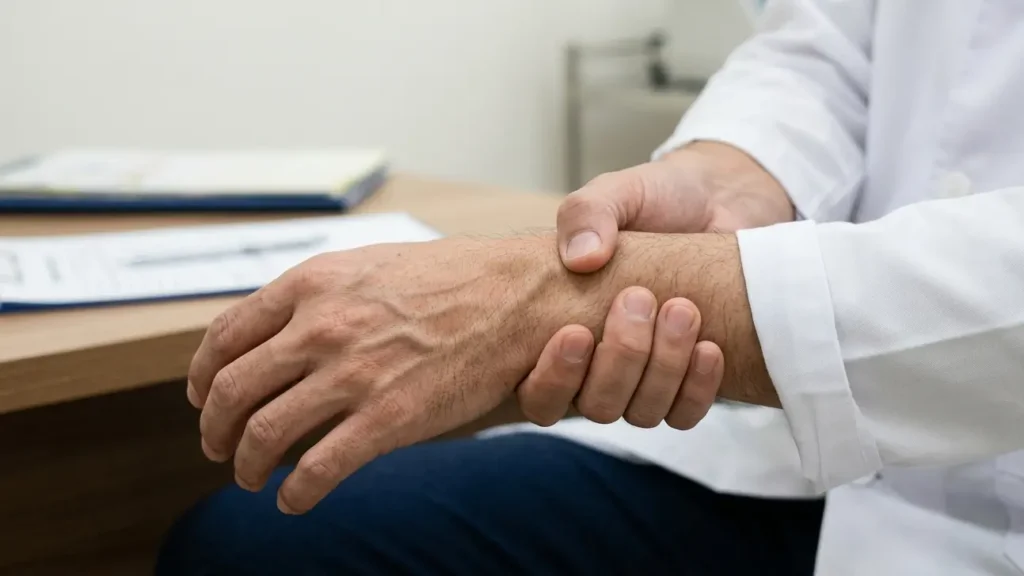
If you’ve been experiencing persistent pain on the “pinky side” of your wrist, you might be dealing with a TFCC tear. This small but vital structure is often called the “meniscus of the wrist,” and when it’s damaged, it can make even simple tasks like turning a doorknob or carrying groceries incredibly painful. In a bustling city like Dubai, where many of us lead active lifestyles from hitting the gym in Jumeirah to weekend tennis matches, wrist injuries can significantly disrupt our daily flow. Understanding the nuances of a TFCC tear is the first step toward getting back to the life you love. In this comprehensive guide, we will explore everything from symptoms to the latest treatment options, and why seeking expert care from a specialist like Dr. Mohamed Ali is essential for your recovery. What is a TFCC Tear? The Triangular Fibrocartilage Complex (TFCC) is a specialized structure made of ligaments and cartilage that sits between the end of your ulna (the forearm bone on the pinky side) and the small bones of your wrist. It acts as a primary stabilizer and shock absorber. A TFCC ligament tear occurs when these tissues are ripped or stretched beyond their limit. This can happen in two ways: Traumatic Tears (Type 1): Often caused by a sudden force, such as falling on an outstretched hand (FOOSH) or a high-torque twisting motion. Degenerative Tears (Type 2): These occur over time due to wear and tear. They are common in older adults or those with “ulnar positive variance” where the ulna is slightly longer than the radius, putting more pressure on the TFCC. Common Symptoms: How Do You Know You Have One? Identifying tfcc tear symptoms early can prevent long-term complications. The hallmark sign is pain located on the ulnar (outer) side of the wrist. Other symptoms include: Clicking or Popping: A distinct “snap” when you rotate your forearm or move your wrist side-to-side. Weakness: A noticeable drop in grip strength. Fovea Sign: Tenderness when pressing on the “soft spot” between the ulnar styloid and the tendons of the wrist. Instability: A feeling that your wrist is “giving way” during activity. If you are experiencing these, you may need a TFCC tear test performed by a professional. Specialists often use the “Ulnar Fovea Sign” or the “TFCC Stress Test” to confirm the diagnosis clinically. Read more about: Top hand specialist in Dubai for hand surgeries & treatments How is a TFCC Tear Diagnosed? To determine the extent of the damage, doctors rely on advanced imaging and clinical evaluation. TFCC Tear Radiology and Imaging X-rays: While a tear won’t show up on a standard X-ray, TFCC tear radiology is used to check for fractures or ulnar variance (bone length discrepancies). TFCC Tear MRI: This is the gold standard. A high-resolution TFCC tear MRI allows the surgeon to see the soft tissues in detail. Sometimes, a contrast dye is injected (MR Arthrogram) to highlight even the smallest perforations. TFCC Tear Ultrasound: In some cases, a TFCC tear ultrasound can provide a dynamic view of the ligaments as the wrist moves, helping to identify instability in real-time. For medical professionals or those looking for deep technical details, resources like TFCC tear Orthobullets provide extensive classification systems (Palmer Classification) used to grade the severity of the injury. TFCC Treatment Options The good news is that TFCC treatment does not always mean surgery. The approach depends on the type and severity of the tear. Non-Surgical Management Most minor or degenerative tears start with conservative care: Immobilization: Using a specialized TFCC tear wrist brace or splint for 4–6 weeks to allow the tissue to rest. Activity Modification: Avoiding heavy lifting and twisting motions. Steroid Injections: To reduce inflammation and provide temporary pain relief. Physical Therapy: Specific TFCC tear exercises focus on strengthening the muscles around the wrist to compensate for the lost stability. TFCC Tear Surgery If conservative methods fail after several months, TFCC tear surgery may be necessary. Modern techniques are typically minimally invasive: Wrist Arthroscopy: Using tiny cameras and tools, the surgeon can “clean up” (debride) ragged edges or suture the tear back together. Ulnar Shortening: If your injury is due to a long ulna bone, the surgeon may slightly shorten the bone to relieve pressure on the TFCC. Read more about: Wrist Surgery: Types, Procedures, and Recovery Guide. Recovery and Healing: What to Expect A common question is: How long does a TFCC wrist take to heal? Non-surgical: Expect 6 to 12 weeks of recovery. Post-surgery: The TFCC tear recovery time usually involves 6 weeks of immobilization followed by 6 to 12 weeks of dedicated physical therapy. Most patients return to full activity within 3 to 4 months. Can a TFCC tear get worse? Yes, can a tfcc tear get worse is a serious concern. If left untreated, a chronic tear can lead to: Chronic wrist instability. Ulnocarpal Impaction Syndrome. Early-onset osteoarthritis in the wrist joint. Read also about: Swelling After Wrist Surgery: What’s Normal & When to Worry Why Choose Dr. Mohamed Ali for Your Recovery? When it comes to complex wrist anatomy, experience matters. Dr. Mohamed Ali is recognized as a leader in orthopedic care in the UAE, specializing in hand and wrist pathologies. On the Dr. Mohamed Ali website, patients can find a wealth of resources dedicated to understanding their specific conditions. Choosing his clinic means: Expert Diagnosis: Utilizing the latest MRI and ultrasound technology. Personalized Care: Whether you need a custom TFCC tear wrist brace or advanced arthroscopic surgery, the treatment is tailored to your lifestyle. Elite Rehabilitation: Access to top-tier physical therapists to ensure your TFCC tear recovery time is as short as possible. Enough delaying, enough enduring the pain!Schedule a consultation with Dr. Mohamed Ali now and start your personalized treatment journey FAQs about TFCC tear Will a TFCC tear heal on its own? Minor tears, especially those in the “well-vascularized” outer rim, have a high chance of healing with rest and bracing. However, central tears often have poor blood
Ganglion Wrist Surgery: Permanent Removal & Recovery.
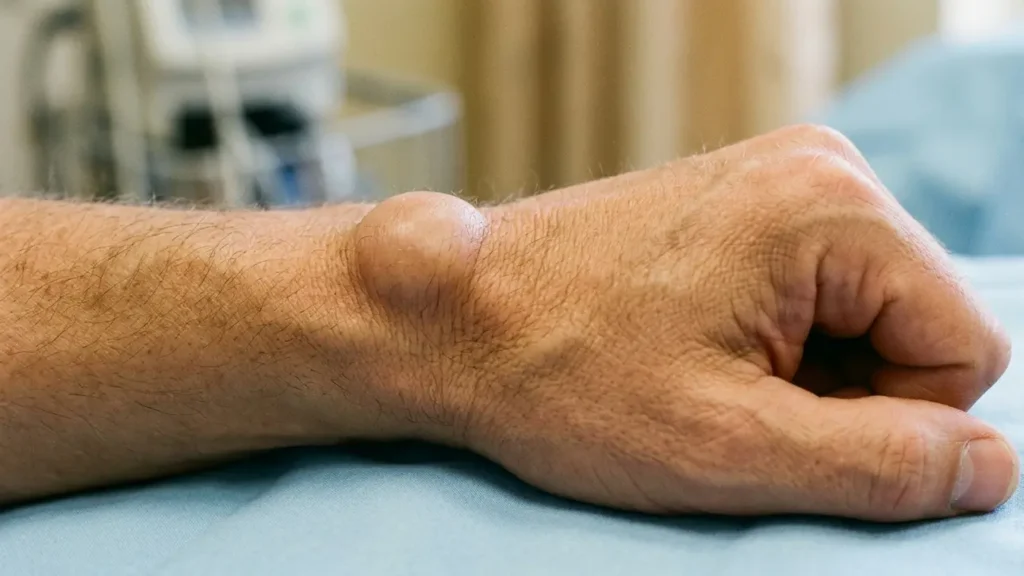
Finding a mysterious lump on your wrist can be a source of immediate concern. Whether it appeared overnight or grew gradually over several months, a ganglion cyst can interfere with your daily life, making simple tasks like typing, lifting, or even shaking hands a painful ordeal. If you are searching for ganglion wrist surgery in Dubai, you aren’t just looking for a procedure; you are looking for a return to your active lifestyle. Fortunately, modern orthopedic advancements mean that removing these cysts is safer and more effective than ever. In this comprehensive guide, we will explore everything from the initial diagnosis to recovery, helping you understand why seeking expert care from a specialized hand surgeon in Dubai like Dr. Mohamed Ali is the best path to permanent relief. What is a Ganglion Cyst? A ganglion cyst is a non-cancerous, fluid-filled sac that typically develops along the tendons or joints of your wrists or hands. Imagine a small water balloon on a stalk; it rises out of the joint tissues, such as ligaments, tendon sheaths, and joint linings. Inside the cyst is a thick, sticky, clear, and jelly-like synovial fluid, the same fluid that lubricates your joints. While they are not malignant (cancerous), they can be incredibly uncomfortable if they press on a nearby nerve. Key Characteristics: Location: Most commonly found on the back of the wrist (dorsal ganglion). Size: They can range from the size of a pea to an inch in diameter. Consistency: They can feel firm or spongy depending on the pressure of the fluid inside. How Common Are Ganglia? Ganglion cysts are among the most common benign soft-tissue masses found in the hand and wrist. Statistics suggest they account for nearly 60% to 70% of all soft-tissue swellings in the hand. While they can affect anyone, they are most frequently seen in active individuals who put repetitive strain on their wrist joints. What Triggers Ganglion Cysts? While the exact cause of a ganglion cyst remains a subject of medical discussion, most experts believe they are caused by a “one-way valve” mechanism. Common Triggers Include: Joint or Tendon Irritation: Micro-trauma to the joint capsule or tendon sheath can cause fluid to leak out and form a sac. Repetitive Strain: Activities that involve frequent wrist movement (common in athletes or office workers in Dubai) can aggravate the area. Injury: A specific past injury or “hidden” trauma to the wrist often precedes the appearance of a lump. Degenerative Changes: In older adults, osteoarthritis in the finger joints can trigger the formation of “mucous cysts,” a type of ganglion. Read also about swelling after wrist surgery and what’s normal & when to worry. Who Gets Ganglion Cysts? While anyone can develop a ganglion, certain demographics are at higher risk: Gender: They are three times more common in women than in men. Age: They most frequently occur in people between the ages of 20 and 40. Athletes: Gymnasts, weightlifters, and tennis players are prone to them due to the high stress placed on the wrist. Chronic Conditions: People with wear-and-tear arthritis in the finger joints (Bouchard’s nodes) are more likely to develop these cysts near the fingertips. How Do I Get Rid of My Ganglion Cyst? (Treatment Options) The first thing to know is that many ganglion cysts disappear on their own without any treatment. However, if the cyst is painful, limits your range of motion, or is aesthetically displeasing, several options exist: ObservationIf the cyst doesn’t hurt, Dr. Mohamed Ali may recommend simply watching it to see if it changes. ImmobilizationActivity often makes a ganglion grow larger. A wrist brace or splint may be used to limit movement, allowing the cyst to shrink. Ganglion Cyst AspirationThis is often the first line of active treatment. It involves ganglion cyst removal by needle. The area is numbed, and the fluid is drained. While this is a quick, non-surgical “ganglion cyst removal,” the recurrence rate is higher (about 50%) because the “root” or stalk of the cyst is not removed. Ganglion Wrist Surgery (Excision)If non-surgical methods fail, ganglion wrist surgery is the gold standard. This involves an outpatient procedure where the surgeon removes the cyst as well as the stalk that attaches it to the joint or tendon sheath. Read also about the top hand specialist in Dubai for hand surgeries & treatments. When Does a Ganglion Cyst Need Surgery? Surgery is usually recommended when: Non-surgical treatments like ganglion cyst aspiration have failed, and the cyst has returned. The cyst is causing significant pain or numbness (nerve compression). The lump interferes with your ability to perform your job or sports. The ganglion cyst surgery cost is outweighed by the need for a permanent solution and improved quality of life. What is the Recovery Time for Wrist Ganglion Surgery? Understanding the ganglion cyst surgery recovery time wrist is crucial for planning your life in a busy city like Dubai. Immediate Post-Op: You will go home the same day with a bandage or a splint. Days 1-3: You may experience some swelling after wrist surgery. Keeping your hand elevated above your heart is essential. Weeks 1-2: Stitches are typically removed. Most patients can return to light office work. Weeks 4-6: Most patients regain full wrist function. Ganglion cyst surgery recovery time for heavy lifting or high-impact sports may take up to 6-8 weeks. What to Avoid After Ganglion Cyst Surgery? To ensure a smooth recovery and minimize the appearance of a wrist surgery scar, avoid the following: Submerging the wound: Do not soak your hand in water (pools, baths) until the stitches are removed. Heavy Lifting: Avoid carrying heavy bags or performing gym exercises that strain the wrist for at least 4 weeks. Neglecting Physical Therapy: Skipping your prescribed exercises can lead to stiffness. Smoking: Nicotine constricts blood vessels and can significantly delay the healing of the surgical site. Read also about Dr. Mohamed Ali, the best hand surgeon in Dubai. How to Strengthen the Wrist After Ganglion Cyst Surgery? Once Dr. Mohamed Ali clears you for activity, strengthening
Swelling After Wrist Surgery: What’s Normal & When to Worry
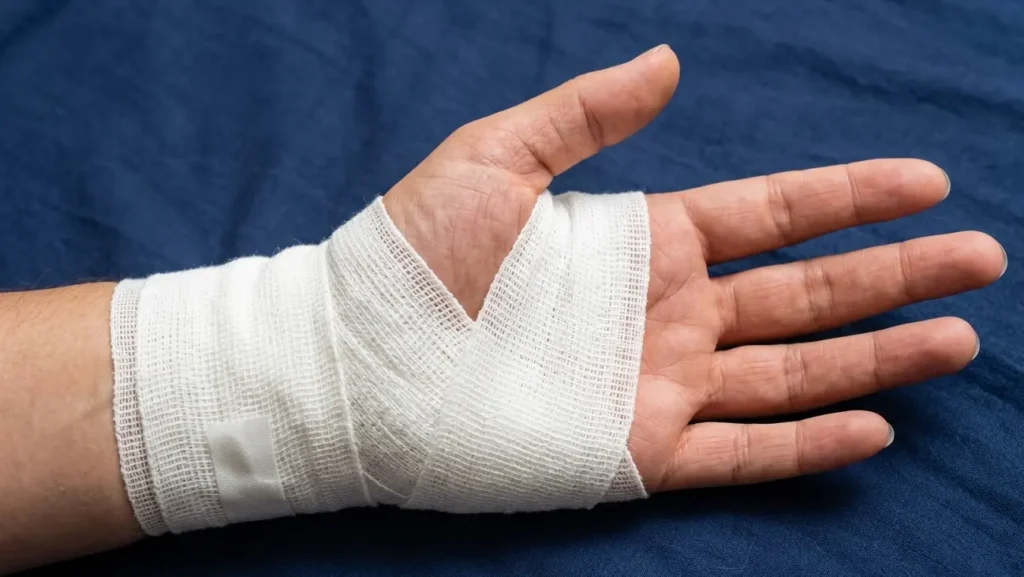
Undergoing orthopedic surgery is a significant step toward reclaiming your mobility and quality of life. Whether you have addressed a fracture, carpal tunnel syndrome, or a tendon repair, the recovery phase is just as critical as the procedure itself. One of the most common concerns patients face during this time is swelling after wrist surgery. While post-operative edema is a natural part of the healing process, managing it correctly is essential to prevent stiffness and ensure a functional outcome. In this comprehensive guide, we will explore why swelling occurs, how long it lasts, and the professional strategies used by leading specialists to accelerate your recovery. What is Post-Operative Swelling? In the medical world, swelling is referred to as edema. It is the body’s natural response to the “trauma” of surgery. When an incision is made and tissues are manipulated, your immune system sends a surge of fluids, white blood cells, and nutrients to the site to begin the repair process. This fluid accumulation serves as a protective cushion for the injured area, but if left unmanaged, it can increase pressure on nerves and restrict the movement of your fingers and wrist. Understanding that this is a biological necessity rather than a sign that something is “wrong” can help ease the anxiety many patients feel in the first few days. Common Hand Surgeries The hand and wrist are marvels of biological engineering, consisting of a complex network of small bones, ligaments, and tendons. Surgery in this region is often required for: Carpal Tunnel Release: To relieve pressure on the median nerve. Trigger Finger Release: To restore smooth movement to a “locking” finger. Distal Radius Fracture Fixation: Using plates and screws to reset a broken wrist. Ganglion Cyst Removal: Clearing out fluid-filled lumps that cause pain. Tendon Repairs: Restoring function after a traumatic laceration or rupture. Regardless of the specific procedure, the delicate nature of hand anatomy means that even a minor intervention can result in noticeable hand swelling after wrist surgery. Read also about wrist surgery and its types, procedures, and recovery guide. Why Are My Fingers Swollen After Wrist Surgery? It is often surprising to patients when they have surgery on their wrist, yet their fingers become stiff and look like “sausages.” This happens because of gravity and the interconnected nature of the hand’s circulatory system. Fluid follows the path of least resistance. If your hand is hanging down by your side, inflammatory fluid pools in the lowest points, the fingertips. Additionally, the tight compartments of the hand mean that swelling in the wrist can compress the veins and lymphatic vessels that normally drain fluid from the fingers. This is why learning how to reduce finger swelling after wrist surgery is a top priority for hand therapists. How Long Does Swelling Last After Hand Surgery? One of the most frequent questions asked in clinical consultations is: Swelling after wrist surgery, how long will it stay? The timeline for recovery is generally broken down into three phases: The Acute Phase (Days 1–5): This is when swelling is at its peak. It is common to see bruising and feel a tight sensation. The Sub-Acute Phase (Weeks 1–6): Swelling gradually subsides but may fluctuate. You might find your hand still swollen 3 weeks after surgery if you have been too active or haven’t kept it elevated. The Chronic Phase (Months 3–6): Subtle, deep-tissue swelling can persist for several months, especially after complex reconstructions. Read also about the top hand specialist in Dubai for hand surgeries & treatments. How to Reduce Swelling After Hand Surgery Effective edema management requires a proactive approach. Here are the gold-standard methods recommended by experts: Elevation is Non-NegotiableTo combat gravity, you must keep your hand “above the heart.” This means propping your arm up on pillows while sleeping and avoiding letting your arm hang at your side while walking. A common mistake is resting the hand on a table; for true elevation, the hand should be higher than the elbow, and the elbow higher than the heart. Active Movement (The Muscle Pump)Unless your surgeon has explicitly told you to remain immobilized, gently wiggling your fingers is vital. This activates the “muscle pump,” which manually pushes fluid back toward the heart. Cold TherapyApplying an ice pack for 15–20 minutes every few hours (with a cloth barrier to protect the skin) can constrict blood vessels and reduce the volume of fluid rushing to the area. CompressionDepending on your specific case, a hand surgeon in Dubai might recommend a compression glove or a light elastic bandage. This provides external pressure to prevent fluid from settling in the tissues. When Should I Worry About Swelling After Surgery? While some discomfort is expected, certain symptoms require immediate medical attention. Watch for these “Red Flags”: A Burning Sensation after Hand Surgery: While some tingling is normal, intense, persistent burning can indicate nerve compression or Complex Regional Pain Syndrome (CRPS). Excessive Warmth and Redness: This may suggest a post-operative infection. Shortness of Breath: Though rare, any surgery carries a risk of blood clots. Sudden Increase in Pain: If pain is no longer controlled by prescribed medication. What Should I Expect During My Hand Surgery Recovery Period? Recovery is a marathon, not a sprint. In the first few weeks, you will likely visit a hand therapist who will help you manage your wrist surgery scar. Scar tissue can become thick and sensitive, but specialized massage techniques can keep the skin supple and prevent the scar from “sticking” to the underlying tendons. You may also experience referred issues; for instance, it is not uncommon to seek advice on how to reduce swelling in hand after surgery, as the entire limb acts as a single functional unit. What Should I Wear After Hand Surgery? Practicality is key during the first 14 days. We recommend: Loose-fitting Clothing: Wide-sleeved shirts or button-downs that can easily fit over a bulky dressing or cast. Slip-on Shoes: Tying laces with one hand is a challenge you’ll want to avoid. Front-closure Bras: For women, reaching
Wrist Surgery: Types, Procedures, and Recovery Guide.
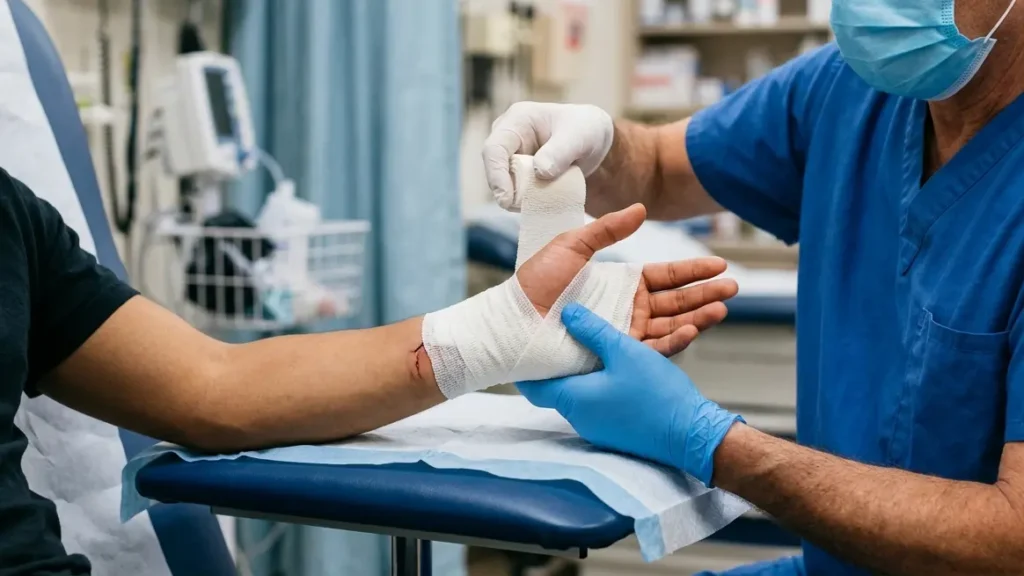
The human wrist is a marvel of biological engineering, composed of eight small bones, numerous ligaments, and tendons that allow for intricate movements and significant strength. However, when chronic pain or injury strikes, even the simplest tasks, like typing, driving, or gripping a coffee mug, become monumental challenges. If you are struggling with persistent discomfort or conditions like trigger finger, seeking professional intervention is the first step toward recovery. In this guide, we explore everything you need to know about wrist surgery, from the different types and recovery expectations to finding the best hand surgeon in Dubai. What is Wrist Surgery? Wrist surgery is a specialized orthopedic procedure designed to repair damaged structures, alleviate chronic pain, or restore function to the hand and wrist joint. Because the wrist is so complex, surgery often requires a high degree of precision, typically performed by an orthopedic surgeon (sports or hand specialist) who understands the delicate balance of nerves and tendons. Whether the goal is to stabilize a fracture using a wrist surgery plate or to release a trapped nerve, these procedures are tailored to the specific pathology of the patient. In a bustling hub like Dubai, where many lead active or high-pressure professional lives, surgical solutions are often the most effective way to ensure a rapid return to daily productivity. What are Common Wrist Surgeries? There is no “one-size-fits-all” approach to the wrist. Depending on your diagnosis, the wrist surgery name and technique will vary. Here are the most frequent procedures performed today: Carpal Tunnel ReleasePerhaps the most well-known wrist surgery types, this procedure involves cutting the transverse carpal ligament to reduce pressure on the median nerve. This is life-changing for those suffering from numbness and weakness. Wrist Fracture Repair (ORIF)For severe breaks, a wrist surgery with plate and screws is often necessary. Open Reduction Internal Fixation (ORIF) ensures the bones are held in the correct position to heal properly, preventing long-term deformity or loss of grip strength. Wrist Fusion or ArthroplastyWrist surgery for arthritis often involves fusing specific bones together to eliminate painful friction or replacing the joint entirely. This significantly reduces pain for patients with degenerative bone conditions. Tendon and Ligament RepairConditions like “De Quervain’s Tenosynovitis” or “Trigger Finger” may require surgical release if conservative treatments fail. In Dubai, many professionals seek a hand surgeon (Dubai) specifically for these precision-based “release” surgeries. Read also about the top hand specialist in Dubai for hand surgeries & treatments. Wrist Conditions That Need Surgery While many issues can be managed with physical therapy or injections, certain “red flag” symptoms indicate that it is time to consult a wrist pain doctor. You may need surgery if you experience: Chronic Arthritis: When non-surgical options no longer provide relief from bone-on-bone friction. Severe Fractures: Where the bone has shifted significantly and requires a wrist surgery plate for stabilization. Trigger Finger & Mallet Finger: When the finger catches or becomes stuck in a bent position, affecting manual dexterity. Ganglion Cysts: If a cyst is pressing on a nerve or causing structural pain. Sports Injuries: Common among Dubai’s athletes, where ligament tears (like the TFCC) require arthroscopic repair. Read also about mallet finger vs trigger finger and the most important differences. How Long is Wrist Surgery? One of the most common questions patients ask is about the duration of the procedure. Generally, wrist surgery is performed as an outpatient procedure, meaning you can return home the same day. Simple releases (Carpal Tunnel/Trigger Finger): Usually take 15 to 30 minutes. Complex reconstructions (Plates/Screws): Can take anywhere from 1 to 3 hours depending on the severity of the trauma. Your surgeon will use either local anesthesia with sedation or general anesthesia, ensuring a painless experience during the operation itself. Don’t let chronic wrist pain hold you back!Book your consultation with Dr. Mohamed Ali today for precision wrist arthroscopy relief and a faster return to your daily life. What Happens After Wrist Surgery? The immediate post-operative phase is crucial for long-term success. Once the anesthesia wears off, you will likely have a bulky dressing or a splint to protect the surgical site. Immediate Care: You will be monitored in a recovery room before being discharged. It is essential to have someone drive you home. Managing the Wrist Surgery Scar: Your surgeon will provide specific instructions on wound care. Modern techniques used by top surgeons in Dubai aim to minimize the wrist surgery scar, often placing incisions along natural skin creases. Pain Management: While wrist surgery recovery involves some discomfort, this is managed through prescribed medication and elevation of the limb. Discover orthopedic treatments of Dr. Mohamed Ali, the best hand surgeon in Dubai How Long Does it Take for a Wrist to Heal? The wrist surgery recovery time varies significantly based on the procedure: Soft Tissue Repair: You may return to light activities within 2–4 weeks. Bone Surgery (Plate and Screws): Initial bone healing takes about 6–8 weeks, but full strength may not return for 6 months to a year. Physical Therapy: This is a non-negotiable part of wrist surgery recovery. A dedicated therapist will help you regain range of motion and prevent stiffness. For patients in Dubai looking to get back to the gym or the office, following the rehabilitation protocol is the fastest way to ensure the surgery is “worth it.” What are the Warning Signs After Wrist Surgery? While complications are rare when working with a skilled hand surgeon, you should be aware of warning signs that require immediate medical attention: Excessive Swelling: Beyond what was discussed with your doctor. Discoloration: If your fingers turn blue, purple, or feel unusually cold. Persistent Numbness: New numbness that wasn’t there before the surgery. Signs of Infection: Fever, chills, or pus/redness at the incision site. If you are experiencing any of these symptoms, don’t wait. Contact us now and don’t wait until your condition worsens. Expert Orthopedic Care in Dubai Choosing the right specialist is the most important decision in your healing journey. Dr. Mohamed Ali is widely recognized as a leading
Top hand specialist in Dubai for hand surgeries & treatments
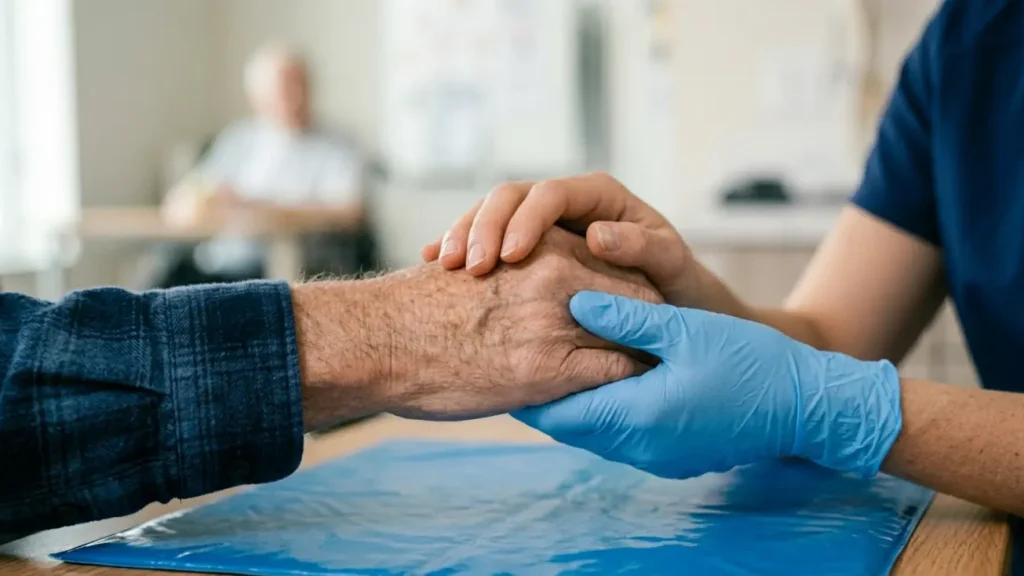
Our hands are among the most intricate and essential tools we possess. From the delicate precision required to type a message to the strength needed to carry groceries, we rely on the 27 bones, numerous joints, and complex network of tendons and nerves in each hand every single minute. When pain or injury strikes, finding a qualified hand specialist in Dubai becomes a priority to restore function and quality of life. Hand surgery is a specialized field that bridges the gap between orthopedics and plastic surgery. Because the hand is composed of such small, densely packed structures, a hand doctor in Dubai must possess extreme precision and a deep understanding of microsurgery. Surgical intervention is often reserved for cases where conservative treatments, such as physical therapy, splinting, or injections, have failed to provide relief or where structural damage requires immediate repair. What is Hand Surgery? Hand surgery encompasses a wide range of procedures designed to restore the function and appearance of the hand, wrist, and forearm. A hand surgeon is trained to treat everything from skin grafts and nerve repairs to complex bone reconstructions. In many cases, the goal of a hand operation is twofold: to eliminate chronic pain and to regain the range of motion necessary for daily activities. Modern techniques, including minimally invasive arthroscopy, allow a hand surgeon specialist to perform repairs through tiny incisions, leading to faster recovery times and less scarring. What are the Most Common Hand Surgeries? If you are seeking a hand surgeon Dubai residents trust, you are likely dealing with one of several common conditions. While many issues are managed non-surgically, the following procedures are frequently performed in specialized orthopedic clinics: Carpal Tunnel Release: This involves cutting the ligament that is pressing on the median nerve to relieve numbness and pain. Trigger Finger Release: A procedure to widen the tendon sheath so the finger can move smoothly without catching or locking. Tendon Repair: Essential after a laceration or rupture to restore the ability to bend or straighten the fingers. Nerve Repair: Microscopic surgery to reconnect damaged nerves, which is vital for restoring sensation and movement. Joint Replacement (Arthroplasty): Often performed for severe thumb or finger arthritis to replace worn-out joints with artificial implants. Fracture Fixation: Using wires, screws, or plates to stabilize broken bones in the hand or wrist. Explore more about surgeries and treatment offered and clients reviews about it through Dr Mohamed Ali website. What Symptoms Suggest You May Need Hand Surgery? Not every hand ache requires a surgical doctor. However, certain “red flag” symptoms indicate that you should consult a bone doctor Dubai experts recommend for a surgical evaluation: Persistent Numbness or Tingling: If you wake up with “pins and needles” that don’t go away, it may indicate nerve compression. Loss of Grip Strength: Difficulty opening jars or dropping objects frequently can signal underlying muscle or nerve issues. Visible Deformity: Fingers that stay bent (Dupuytren’s contracture) or joints that appear misaligned. Chronic Swelling and Pain: Pain that persists for weeks despite rest and anti-inflammatory medication. Inability to Move a Finger: This often indicates a ruptured tendon or a displaced fracture. Related Diagnosed Conditions Treated Through Hand Surgery A hand specialist in Dubai treats a variety of clinical diagnoses. Understanding these conditions helps in preparing for a consultation: Dupuytren’s Contracture: A condition where the tissue under the skin of the palm thickens and shortens, pulling the fingers toward the palm. Rheumatoid Arthritis: An autoimmune disease that can cause severe joint destruction and deformity in the hands. De Quervain’s Tenosynovitis: Painful inflammation of the tendons on the thumb side of the wrist. Ganglion Cysts: Noncancerous lumps that most commonly develop along the tendons or joints of your wrists or hands. Congenital Abnormalities: Issues present from birth, such as webbed fingers (syndactyly) or extra digits. How Long Does Recovery Take After Hand or Wrist Surgery? Recovery is a journey that varies significantly based on the type of hand operation performed. Minor Procedures: For something like a simple trigger finger release, you may regain basic function within 1–2 weeks. Complex Reconstructions: Nerve repairs or joint replacements may require 3 to 6 months for full recovery. Initial Healing: Stitches are typically removed after 10 to 14 days. During this time, keeping the hand elevated is crucial to reduce swelling. Your best orthopedic surgeon in Dubai will provide a personalized timeline, but generally, patience is required as the delicate tissues of the hand heal slower than larger muscle groups. Read also about trigger finger treatment: non-surgical & surgical options. Will I Need Therapy After the Procedure? Almost certainly. Post-operative hand therapy is just as important as the surgery itself. Specialized hand therapists work closely with your hand doctor in Dubai to: Prevent scar tissue from “gluing” tendons together. Increase range of motion through guided exercises. Design custom splints to protect the surgical site while it heals. Provide desensitization techniques for repaired nerves. Without dedicated therapy, even a perfectly performed surgery may result in stiffness. Factors that Determine the Best Hand Specialist in Dubai Choosing a surgeon is a significant decision. When searching for the best hand surgeon in Dubai, consider these criteria: Board Certification & Fellowship Training: Ensure the doctor has completed a specific fellowship in hand and upper extremity surgery. Surgical Volume: Ask how many times they have performed your specific procedure. High volume usually equates to better outcomes. Hospital Affiliation: The quality of the facility, such as leading clinics in Dubai, ensures access to the latest imaging and surgical technology. Patient Reviews: Look for testimonials regarding the doctor’s bedside manner and the success of the recovery process. Who is the Best Hand Specialist in Dubai? While Dubai is home to many talented medical professionals, patients often look for a surgeon who combines international expertise with a deep understanding of the local healthcare landscape. A best orthopedic surgeon in Dubai is one who prioritizes conservative care first but possesses the mastery of microsurgery when intervention is required. What Makes Dr. Mohamed Ali the Best