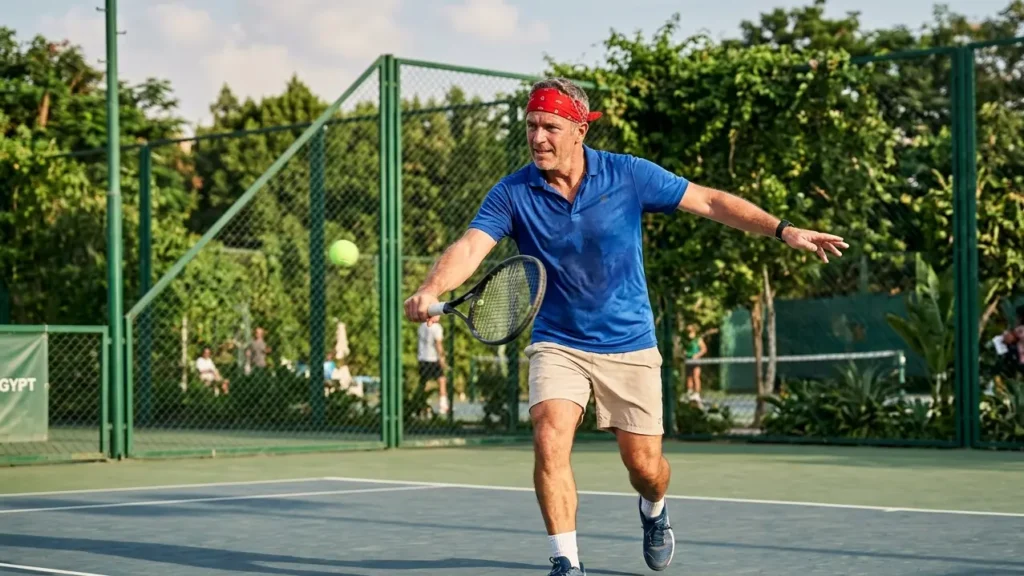
If you’re searching for how to heal tennis elbow fast while living in Dubai or elsewhere in the UAE, you’re not alone. Tennis elbow, medically known as lateral epicondylitis, affects people from athletes to office workers, construction professionals to homemakers — anyone who repeatedly uses the elbow and forearm can develop it. While the name might suggest it’s only for tennis players, this condition is far more common across many daily activities and occupations.
This comprehensive article will walk you through everything you need to know about tennis elbow — from symptoms and diagnosis to the fastest, evidence-based ways to recover with minimal interruption to your life. Along the way, we’ll explore expert-backed strategies, including sports medicine insights, best practices for tennis elbow pain relief, and effective tennis elbow exercises to support your recovery.
We’ll also highlight how working with a trusted sports medicine doctor and targeted care can help you bounce back stronger.
What Is Tennis Elbow?
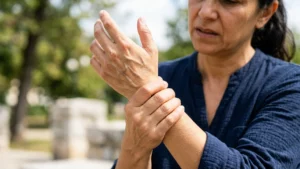
Tennis elbow, or lateral epicondylitis, is a condition characterized by pain on the outside of the elbow due to overuse or repetitive strain on the tendons that attach forearm muscles to the elbow bone. This leads to microtears and degeneration of the tendon tissue, which causes pain, weakness, and reduced function.
Although the name implies a link to tennis, the condition can stem from everyday activities that involve gripping, lifting, or repetitive arm motion.
What’s the Difference Between Tennis Elbow and Golfer’s Elbow?
While both conditions involve tendon strain and pain around the elbow, they occur in different locations:
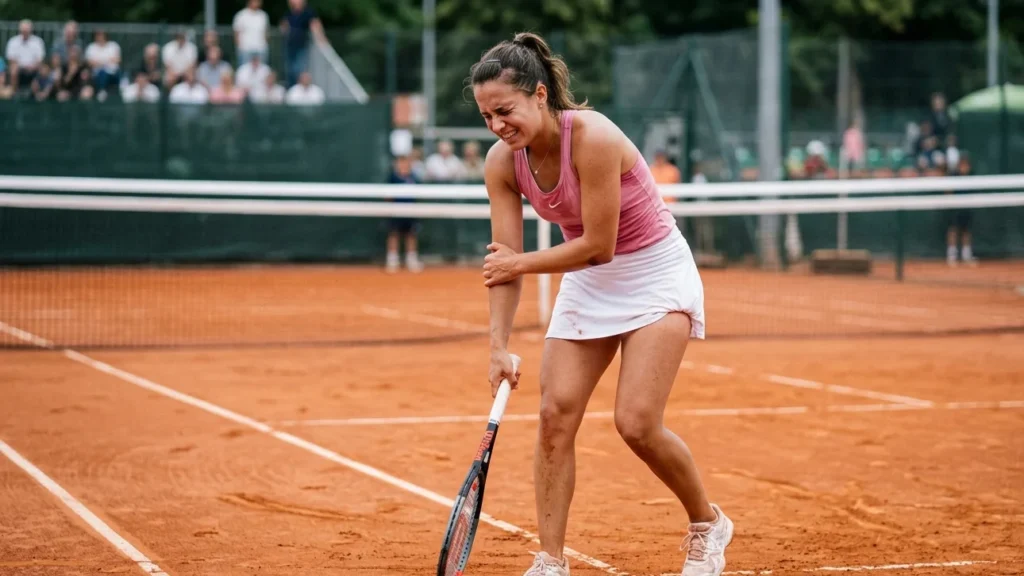
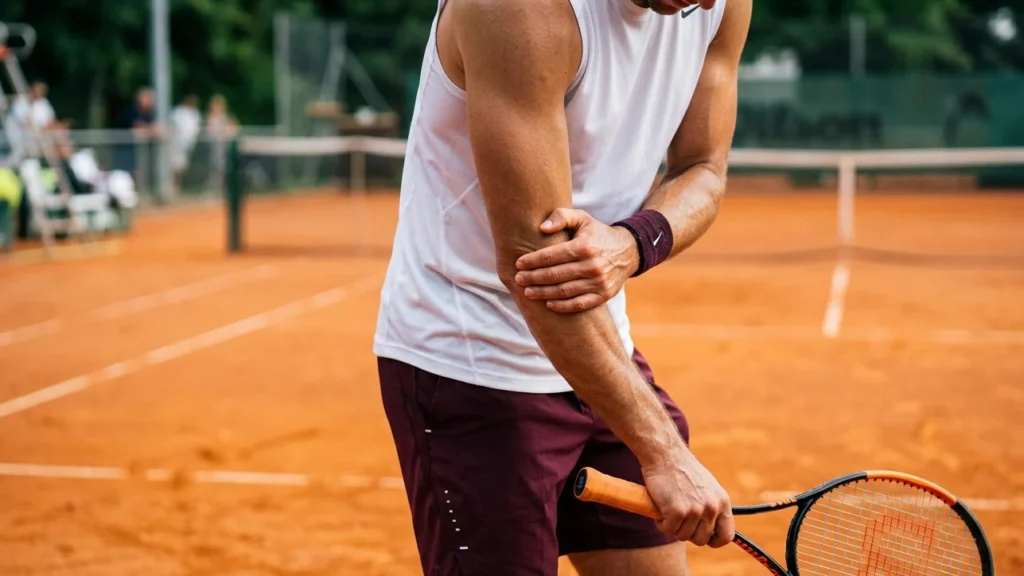
- Tennis elbow: Pain on the outer (lateral) side of the elbow.
- Golfer’s elbow: Pain on the inner (medial) side of the elbow.
The activities that trigger them also differ slightly, but both involve repetitive use.
Does Tennis Elbow Affect One or Both Arms?
Most commonly, tennis elbow occurs in the dominant arm — the side you use most for activities involving the wrist and forearm. However, it’s possible to develop symptoms in both arms, especially with symmetrical repetitive use or systemic strain.
How Do You Know If You Have Tennis Elbow?
You might be experiencing tennis elbow if your pain:
- Is located on the outside of the elbow
- Worsens when gripping or lifting objects
- Spreads down the forearm or wrist
- Is accompanied by weakness in your grip strength
- Begins gradually without a specific injury
These features are hallmark signs of tennis elbow and help differentiate it from other elbow problems
What Can I Expect If I Have Tennis Elbow?
Tennis elbow generally takes time to heal and involves a recovery process that prioritizes rest, reduced strain, and structured rehabilitation. Some people recover in a few weeks, while others may take several months depending on the severity, daily activity levels, and treatment approach.
But with the right treatment strategy, many patients can significantly reduce symptoms and regain full function.
Symptoms of Tennis Elbow
Common symptoms include:
- Pain on the outside of the elbow
- Tenderness at the lateral epicondyle
- Weak grip strength
- Pain worsened by wrist extension or lifting
- Sensitivity when shaking hands or holding objects
Early recognition of symptoms is key to starting the right treatment path without delay.
How Doctors Diagnose This Condition
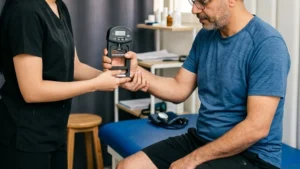
A doctor — often a sports medicine or orthopedic specialist — will typically diagnose tennis elbow through:
- Medical history & physical exam: Assessing movement, pain patterns, and strength
- Palpation and functional tests: To pinpoint the pain source
- Imaging tests (optional): X-rays, ultrasound, or MRI to rule out other causes if needed
Clinical diagnosis is usually sufficient, and further imaging is only needed if the case is complex or not responding to treatment.

What Are Tennis Elbow Treatments?
Effective treatment often follows a stepwise approach:
Conservative (Non-Surgical) Options
- Activity modification to reduce repetitive strain
- Rest and avoidance of aggravating tasks
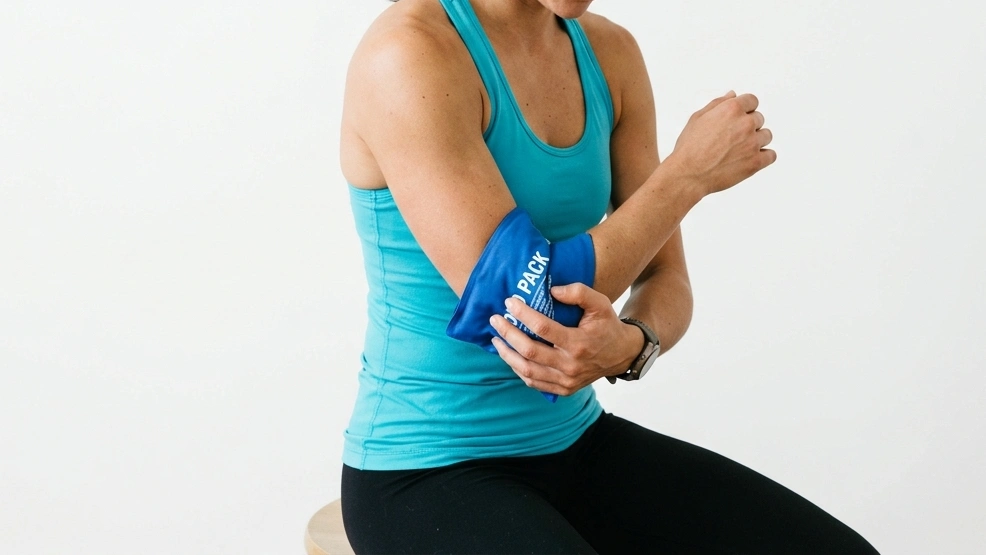
- Ice applied to reduce swelling
- Nonsteroidal anti-inflammatory medicines as advised
- Physical therapy with strengthening and stretching exercises
- Tennis elbow brace to offload tendons
- Eccentric strengthening exercises to build tendon capacity
Advanced Therapies
For persistent cases:
- Platelet-rich plasma or shockwave therapy
- Corticosteroid injections (limited use)
- Dry needling or tenotomy
- Surgery when other options fail after 6–12 months
Is Sports Medicine Helpful in Pain Relief?
Absolutely. A sports medicine doctor brings targeted expertise in diagnosing and treating tendon injuries like tennis elbow.
Benefits of sports medicine involvement include:
- Personalized evaluation of movement and biomechanics
- Tailored physical therapy guidance
- Optimized pain management
- Strategies for tennis elbow recovery time that are evidence-based
Working with a specialist can accelerate healing and reduce the risk of chronic symptoms.
Lifestyle and Natural Remedies for Tennis Elbow
Alongside medical care, lifestyle adjustments can support faster healing:
- Reduce repetitive strain and rest the elbow
- Apply cold packs 3–4 times daily initially
- Use a counterforce tennis elbow brace during activities
- Integrate gentle stretching and mobility work
- Ergonomic adjustments to workstations and hobbies
These simple steps help reduce ongoing irritation and support long-term tendon health.
How to Cure Tennis Elbow Permanently
While no quick fix exists, many people achieve lasting relief by combining:
- Gradual tendon-loading exercises
- Strengthening of wrist and forearm muscles
- Technique modification (e.g., sports or work ergonomics)
- Regular physical therapy guidance
- Avoiding repetitive aggravating tasks
Consistency is crucial — tendon healing is gradual but can be long-lasting with the right intervention.
How to heal tennis elbow fast?
To accelerate recovery:
- Start Early with Physical Therapy
A structured program emphasizing tennis elbow physical therapy enhances tendon strength, flexibility, and neuromuscular control. - Use Progressive Strengthening
Gentle wrist curls, eccentric exercises, and forearm stretching increase load tolerance — vital for healing. - Use Supportive Bracing
A proper Tennis elbow brace redistributes stress from the injured tendon during activity. - Modify Activities
Reduce repetitive motions, adjust ergonomics, and take scheduled breaks. - Optimize Nutrition and Recovery
Adequate sleep, hydration, and anti-inflammatory foods support healing.
These evidence-backed techniques can significantly improve outcomes when consistently applied.
What Are the Common Mistakes That Slow Down Healing?
- Ignoring early symptoms
- Relying solely on rest without strengthening
- Returning to full activity too quickly
- Overusing anti-inflammatory medications without therapy
- Skipping professional guidance
- Avoid these pitfalls to prevent chronic pain and delays in healing.
How Long Tennis Elbow Lasts
Most people start noticing improvement within a few weeks of proper care, but complete recovery can take several months. Some cases may take up to a year if the injury was severe or left untreated. Progress is gradual — patience and a systematic plan are key.
Complications of This Condition
If untreated or aggravated:
- Chronic pain
- Weakened grip strength
- Difficulty with daily activities
- Tendon rupture (rare)
- Surgery may be required in persistent cases
Early, appropriate treatment dramatically reduces these risks.
Tips for Preventing Tennis Elbow
- Warm up before sports or repetitive tasks
- Strengthen forearm muscles regularly
- Use proper equipment and technique
- Take regular breaks during repetitive activity
- Improve ergonomics at work and at play
Prevention is about reducing undue tendinous strain before it starts.
When Should I See My Healthcare Provider?
Seek help if:
- Pain persists despite rest and care
- Symptoms interfere with daily life
- You notice weakness or instability
- Pain gets worse over time
- You want personalized care to heal tennis elbow fast
A specialist can help tailor the quickest, safest path to recovery.
Visit the patient connection hub to learn more about your condition and connect with Dr Mohamed Ali.
If you’ve been struggling with persistent tennis elbow pain and want expert care tailored to your needs in Dubai, consider booking a consultation with Dr. Mohamed Ali at dr mohamed ali’s website. Their sports medicine and orthopedic expertise can help you recover faster and return to the activities you love.
FAQs about how to heal tennis elbow fast
What is the quickest way to get rid of tennis elbows?
Combining rest, targeted tennis elbow exercises, modified activity, and guided physical therapy is the fastest way to reduce symptoms and promote healing.
How long does it take to heal tennis elbow pain?
Recovery varies by severity, but most people improve over weeks to a few months with proper care.
What is the single best exercise for tennis elbow?
Eccentric wrist exercises that strengthen the extensor muscles are widely recommended for tendon healing and long-term resilience.
Does rest help tennis elbow heal faster?
Yes — but rest alone isn’t enough. It’s most effective when paired with progressive rehabilitation to rebuild tendon strength.
Final words about how to heal tennis elbow fast
Understanding how to heal tennis elbow fast means approaching the condition with a balanced plan: reducing strain, strengthening the affected tendons, modifying activity, and consulting specialists when needed. While patience is vital, the right combination of rest, therapy, and prevention strategies can help you recover quickly and avoid future flare-ups. With expert guidance and consistent care, relief is entirely possible — and the path to recovery starts today.