
Finger Pain Causes: Comprehensive Guide to Symptoms & Treatment in Dubai
Finger Pain Causes: A Comprehensive Guide to Hand Health Authored by Dr. Mohammad Ali, a Fellowship-Trained Hand, Wrist and Upper Limb Surgeon,...
 Written by
Dr Mohammad Ali
Written by
Dr Mohammad Ali
Finger Pain Causes: A Comprehensive Guide to Hand Health
Authored by Dr. Mohammad Ali, a Fellowship-Trained Hand, Wrist and Upper Limb Surgeon, this guide offers trusted insights into the complex world of hand and finger health. With extensive experience serving patients across Dubai and the UAE,
Dr. Mohammad Ali provides expert understanding of various conditions affecting the upper limb.
Understanding finger pain causes is crucial for effective relief and treatment. Fingers are integral to daily life, and discomfort can significantly impact functionality. This comprehensive guide explores common and less frequent reasons behind finger pain, helping you identify symptoms and decide when to seek professional medical attention in Dubai. This detailed overview aims to clarify the complexities of hand discomfort.
Understanding Finger Pain: A Comprehensive Overview
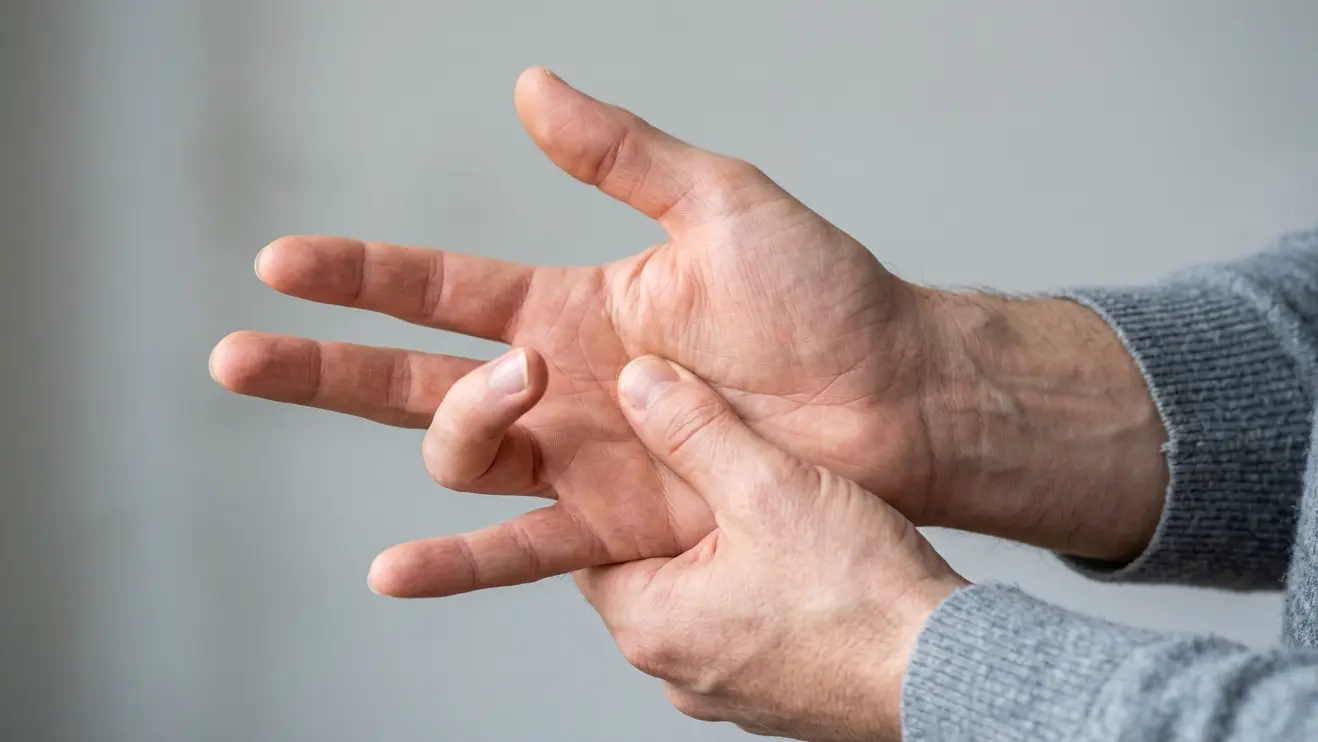
Finger pain is a broad term encompassing discomfort anywhere from the fingertip to the base of the hand. It can manifest as a dull ache, sharp throbbing, stiffness, or burning sensation.
The intricate anatomy of the finger, comprising bones, joints, ligaments, tendons, nerves, and blood vessels, means that pain can originate from numerous structures.
What is finger pain and why does it occur?
Finger pain occurs when these structures are damaged, inflamed, or compressed. Understanding the specific nature and location of your pain is the first step towards identifying its cause.
Factors like age, activity level, medical history, and occupation can all influence the likelihood of developing certain finger pain causes. Identifying these patterns helps pinpoint the underlying issue.
Common Causes of Finger Pain: Injuries and Trauma
Injuries are among the most frequent reasons for finger discomfort, often resulting from accidents, sports, or falls. These can range from minor sprains to severe fractures or tendon damage.
Finger Sprains and Fractures
A finger sprain occurs when the ligaments supporting a finger joint are stretched or torn. Fractures, on the other hand, involve a break in one of the finger bones (phalanges).
Symptoms typically include:
- Immediate pain and tenderness
- Swelling and bruising
- Limited range of motion
- Deformity (in severe fractures)
Accurate diagnosis often requires an X-ray to differentiate between a sprain and a fracture, guiding appropriate treatment. [1]
Tendon Injuries: Mallet Finger and Trigger Finger
Tendons connect muscles to bones, allowing finger movement. Injuries like mallet finger happen when the extensor tendon at the fingertip is damaged, often from a direct impact, causing the tip to droop.
Trigger finger, or stenosing tenosynovitis, occurs when the tendon sheath becomes inflamed and thickens, preventing the tendon from gliding smoothly. This can lead to a catching or locking sensation when bending or straightening the finger. Effective Trigger Finger Treatment is available for this condition.
Cuts and Puncture Wounds
Even minor cuts or puncture wounds can cause significant finger pain, especially if they affect nerves or tendons, or become infected. Deep wounds require immediate medical evaluation to assess damage and prevent complications.
Inflammatory Conditions: Arthritis and Autoimmune Diseases Affecting Fingers
Chronic inflammatory conditions are significant contributors to finger pain, often leading to progressive joint damage and functional impairment. Arthritis is a leading culprit.
Osteoarthritis of the Finger Joints
Osteoarthritis (OA) is a degenerative joint disease where the cartilage cushioning the ends of bones wears down over time. In the fingers, it commonly affects the joints closest to the fingernail (DIP joints), the middle joints (PIP joints), and the base of the thumb (CMC joint).
Symptoms of finger OA often include:
- Pain that worsens with activity
- Stiffness, especially in the morning
- Swelling and tenderness
- Bony enlargements (Heberden’s and Bouchard’s nodes)
This condition is highly prevalent and can significantly impact dexterity and grip strength.
Rheumatoid Arthritis in the Hand
Rheumatoid arthritis (RA) is an autoimmune disease where the body’s immune system mistakenly attacks the lining of the joints, leading to inflammation, pain, and eventual joint destruction. It often affects multiple joints symmetrically, including those in the fingers and wrists.
RA symptoms can include:
- Warm, swollen, and tender joints
- Morning stiffness lasting for hours
- Fatigue and general malaise
- Joint deformities over time
Psoriatic Arthritis: Beyond the Skin
Psoriatic arthritis (PsA) is a type of inflammatory arthritis that affects some people with psoriasis. It can cause finger pain, swelling, and stiffness, often leading to “sausage fingers” (dactylitis), where an entire finger swells.
PsA can also affect the nails and entheses (where tendons or ligaments attach to bone), presenting a unique set of challenges for diagnosis and treatment.
Gout: Sudden and Severe Joint Pain
Gout is a form of inflammatory arthritis caused by a buildup of uric acid crystals in the joints. While most commonly affecting the big toe, it can also cause sudden, severe pain, swelling, redness, and tenderness in finger joints.
Gout attacks can be excruciating and typically come on rapidly, often at night. [1]
Nerve-Related Finger Pain: Carpal Tunnel Syndrome and Other Compressions
Nerve compression syndromes are common reasons for finger discomfort, often accompanied by numbness, tingling, and weakness. These conditions occur when a nerve is squeezed or irritated.
What does numbness in fingers causes indicate?
Numbness in the fingers, especially when accompanied by pain, often points to nerve compression. Carpal Tunnel Syndrome is the most well-known culprit, affecting the median nerve.
This condition causes pain, numbness, and tingling in the thumb, index, middle, and half of the ring finger, often worsening at night or with repetitive hand movements. Effective wrist pain treatment can often alleviate carpal tunnel symptoms.
Ulnar Nerve Entrapment
Less commonly, the ulnar nerve can be compressed, leading to pain, numbness, and tingling in the little finger and the other half of the ring finger. This often occurs at the elbow (cubital tunnel syndrome) but can also happen at the wrist (Guyon’s canal syndrome).
Overuse and Repetitive Strain Injuries (RSI) of the Fingers
Modern lifestyles and occupations often involve repetitive hand movements, making overuse and repetitive strain injuries (RSIs) significant factors in finger pain. These conditions develop gradually, often worsening over time.
Tendinitis and Tenosynovitis
Tendinitis is the inflammation of a tendon, while tenosynovitis refers to inflammation of the tendon sheath. Both can cause pain, tenderness, and swelling, particularly with movement. Common examples include De Quervain’s tenosynovitis, affecting the thumb side of the wrist, which can radiate into the thumb and fingers.
What causes sudden finger joint pain from overuse?
Sudden finger joint pain from overuse often stems from acute inflammation of tendons or joint capsules due to unaccustomed or excessive activity. This can occur after intense typing, gaming, or manual tasks without proper breaks or conditioning. While it feels sudden, the underlying irritation may have been building for some time.
Preventing Repetitive Strain Injuries: Ergonomics for Hand Health
Preventing RSIs requires a proactive approach, especially for those in occupations involving extensive computer use or manual labor. Ergonomic adjustments play a crucial role.
Consider these tips:
- Ensure your keyboard and mouse are positioned to keep wrists straight.
- Use ergonomic tools and accessories that fit your hand comfortably.
- Take frequent short breaks to stretch your fingers, hands, and wrists.
- Maintain good posture to reduce strain throughout your upper body.
Learning how to prevent trigger finger and other overuse injuries is key to long-term hand health.
Other Medical Conditions Causing Finger Pain (e.g., Infections, Cysts, Circulatory Issues, Diabetes)
Beyond injuries and common inflammatory conditions, several other medical issues can contribute to finger pain causes.
Infections (Paronychia, Felon)
Bacterial or fungal infections around the fingernail (paronychia) or deep within the fingertip pulp (felon) can cause intense throbbing pain, redness, swelling, and pus formation. These require prompt medical attention to prevent severe complications.
Ganglion Cysts: Lumps that Cause Pain
Ganglion cysts are non-cancerous lumps that often develop near joints or tendons. While usually harmless, they can cause pain if they press on a nerve or interfere with joint movement. They may fluctuate in size and sometimes resolve on their own. [1]
Raynaud’s Phenomenon: Circulatory Issues
Raynaud’s phenomenon causes small blood vessels in the fingers (and sometimes toes) to constrict in response to cold temperatures or stress. This leads to color changes (white, then blue, then red), numbness, tingling, and pain as blood flow returns.
Diabetes and Hand Pain: What’s the connection?
Diabetes can lead to various hand and finger problems, including carpal tunnel syndrome, trigger finger, and Dupuytren’s contracture. High blood sugar levels can damage nerves (diabetic neuropathy) and affect connective tissues, contributing to finger pain and stiffness.
Identifying Your Finger Pain: Symptoms and When to Seek Medical Attention
Recognizing the specific characteristics of your finger pain is essential for guiding self-care or seeking appropriate medical advice. Pay attention to location, intensity, and accompanying symptoms.
What does finger arthritis feel like?
Finger arthritis typically presents as a deep, aching pain, especially after periods of inactivity or in the morning. Stiffness is common, and joints may feel warm or look swollen. Over time, bony bumps might develop, and movement can become restricted. The pain often worsens with use.
When should I worry about finger pain?
You should worry about finger pain and seek professional medical attention if you experience any of the following:
- Severe, sudden pain, especially after an injury.
- Significant swelling, redness, or warmth around a joint.
- Visible deformity or an inability to move a finger.
- Numbness, tingling, or weakness that persists or worsens.
- Pain accompanied by fever or signs of infection (pus, spreading redness).
- Pain that does not improve with self-care after a few days.
Understanding Different Pain Types
Differentiating between various pain types can offer clues:
- Sharp, shooting pain: Often nerve-related.
- Dull, aching pain: Common with arthritis or overuse.
- Throbbing pain: May indicate inflammation or infection.
- Stiffness: Typical of arthritis, worse in the morning.
Self-Care Strategies and Home Remedies for Finger Pain Relief
For many mild instances of finger pain, initial self-care can provide significant relief. These strategies focus on reducing inflammation and supporting healing.
RICE Method and Pain Management
The RICE method is a cornerstone for acute injuries:
- Rest: Avoid activities that aggravate the pain.
- Ice: Apply cold packs for 15-20 minutes several times a day to reduce swelling.
- Compression: Use a gentle bandage to support the finger and minimize swelling.
- Elevation: Keep your hand raised above your heart to reduce fluid accumulation.
Over-the-counter pain relievers like ibuprofen or naproxen can also help manage pain and inflammation.
Gentle Stretches for Sore Fingers Treatment
Once acute pain subsides, gentle exercises can improve flexibility and strength. These are crucial for sore fingers treatment:
- Finger Bends: Gently bend each finger into a fist, then straighten. Repeat 10 times.
- Thumb Bends: Touch your thumb to the base of each finger, then across your palm.
- Finger Spreads: Spread your fingers wide, then bring them together.
Perform these slowly and without forcing any movement that causes increased pain. Consistency is key for long-term finger joint pain relief.
Over-the-Counter Solutions for Finger Joint Pain Relief
Beyond oral medications, topical pain relief creams containing ingredients like menthol, capsaicin, or NSAIDs can be applied directly to the affected finger joints for localized relief. Splints or braces can also provide support and rest for injured or inflamed fingers.
Preventing Finger Pain: Ergonomics and Lifestyle Adjustments
Prevention is always better than cure, especially concerning the underlying reasons for finger pain linked to repetitive movements and daily habits.
Ergonomic Setups for Work and Home
Reviewing and adjusting your workspace and daily routines can significantly reduce strain on your hands and fingers. This includes using ergonomic keyboards, mice, and tools that fit comfortably.
Maintaining proper posture, ensuring your chair is at the correct height, and keeping your wrists in a neutral position are all vital. Regularly assessing your environment helps prevent the onset of overuse injuries.
Hand-Strengthening Exercises
Strengthening the muscles in your hands and forearms can provide better support for your finger joints and tendons. Simple exercises using a stress ball or resistance putty can be beneficial.
Consult with a therapist or specialist for guidance on appropriate exercises, especially if you have a pre-existing condition, to ensure safe and effective strengthening. This can be a key component in preventing chronic finger pain.
Recent Advancements in Diagnosing and Treating Finger Pain
Updated Diagnostic Approaches
Beyond traditional X-rays, advanced imaging techniques like high-resolution ultrasound and MRI are increasingly used to visualize soft tissue structures, such as tendons and nerves, with greater detail. This allows for earlier and more accurate diagnosis of conditions like tendinitis or early-stage arthritis, which might not be visible on standard X-rays.
Electromyography (EMG) and nerve conduction studies (NCS) remain crucial for precisely pinpointing nerve compression sites and severity, especially for conditions causing numbness in fingers causes.
Evolving Treatment Protocols
Current treatment protocols prioritize conservative management where possible, including:
- Targeted Injections: Corticosteroid injections, often guided by ultrasound, offer precise relief for localized inflammation in conditions like trigger finger or carpal tunnel syndrome.
- Biologic Therapies: For inflammatory conditions like rheumatoid or psoriatic arthritis, newer biologic and targeted synthetic disease-modifying antirheumatic drugs (DMARDs) offer more effective disease control and joint preservation than ever before.
- Minimally Invasive Surgery: When surgery is necessary, techniques such as endoscopic carpal tunnel release or percutaneous trigger finger release are less invasive, resulting in smaller incisions, quicker recovery, and less post-operative pain.
When to Consult a Hand Specialist for Finger Pain (Dr. Mohammad Ali’s Expertise)
While self-care can address minor issues, certain finger pain causes warrant the expertise of a specialized physician. Dr. Mohammad Ali, a Fellowship-Trained Hand, Wrist and Upper Limb Surgeon, offers comprehensive care for patients in Dubai and the UAE.
Dr. Ali’s specialized training means he possesses an in-depth understanding of the intricate anatomy of the hand and upper limb. He can accurately diagnose complex conditions and recommend the most effective treatment plans, whether conservative management or advanced surgical intervention.
Why see a hand doctor for finger pain?
A hand specialist, like Dr. Mohammad Ali, provides focused expertise that a general practitioner may not offer. They are skilled in performing detailed physical examinations, interpreting specialized imaging, and offering a range of treatments tailored to your specific condition.
If your finger pain is unclear, persistent, or severely impacts your daily life, consulting a hand specialist ensures you receive an accurate diagnosis and optimal care. You can learn more about Meet Dr. Mohammad Ali and his specialized practice.
Frequently Asked Questions About Finger Pain Causes
What causes sudden finger joint pain?
Sudden finger joint pain can be caused by acute injuries like sprains or fractures, inflammatory conditions such as gout, or overuse leading to acute tendinitis. It can also be a symptom of an infection or, less commonly, an acute flare-up of chronic arthritis.
What does finger arthritis feel like?
Finger arthritis often feels like a deep, persistent ache, accompanied by stiffness, especially in the morning or after rest. Joints may appear swollen, feel warm to the touch, and develop bony enlargements. Pain typically worsens with activity and improves with rest.
Can stress cause finger pain?
While stress doesn’t directly cause structural finger damage, it can exacerbate existing pain conditions, increase muscle tension, and lower your pain threshold. Chronic stress can also contribute to inflammatory responses in the body, potentially worsening conditions like arthritis or repetitive strain injuries.
When should I worry about finger pain?
You should worry about finger pain if it is severe, accompanied by significant swelling, deformity, numbness, or tingling, or if it doesn’t improve with rest and basic self-care. Any signs of infection like redness, warmth, or pus also warrant immediate medical attention.
What are the remedies for finger pain at home?
Home remedies for finger pain include using the RICE method (Rest, Ice, Compression, Elevation), taking over-the-counter pain relievers, and performing gentle stretches to maintain flexibility. Applying topical pain relief creams and ensuring ergonomic setups for daily tasks can also provide relief.
Resources and Further Reading
Conclusion
Understanding the diverse finger pain causes, from acute injuries to chronic inflammatory conditions, is the first step towards finding lasting relief. By recognizing symptoms, implementing effective self-care, and knowing when to seek expert medical help, you can protect your hand health and maintain your quality of life.
Ready to Take the Next Step?
If you’re experiencing persistent or severe finger pain in Dubai or the UAE, don’t let it limit your daily activities. Dr. Mohammad Ali, a leading Hand, Wrist and Upper Limb Surgeon, is here to provide an accurate diagnosis and personalized treatment plan. Contact Dubai Hand today to schedule a consultation and regain comfort and function in your hands.