What Is a Malunited or Non-Union Wrist Fracture?
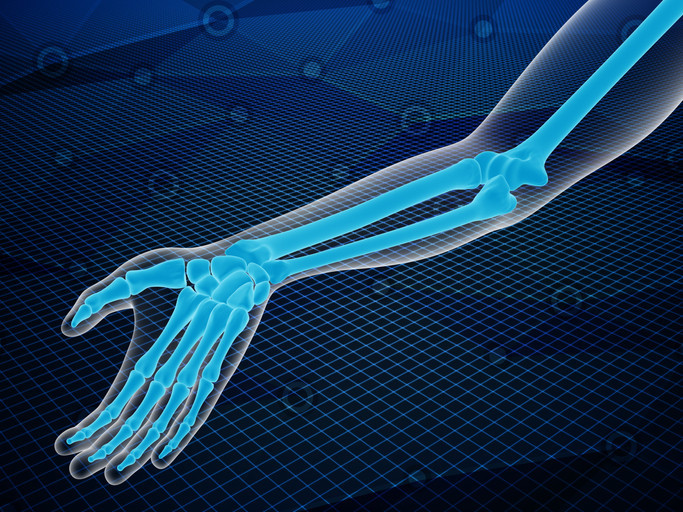
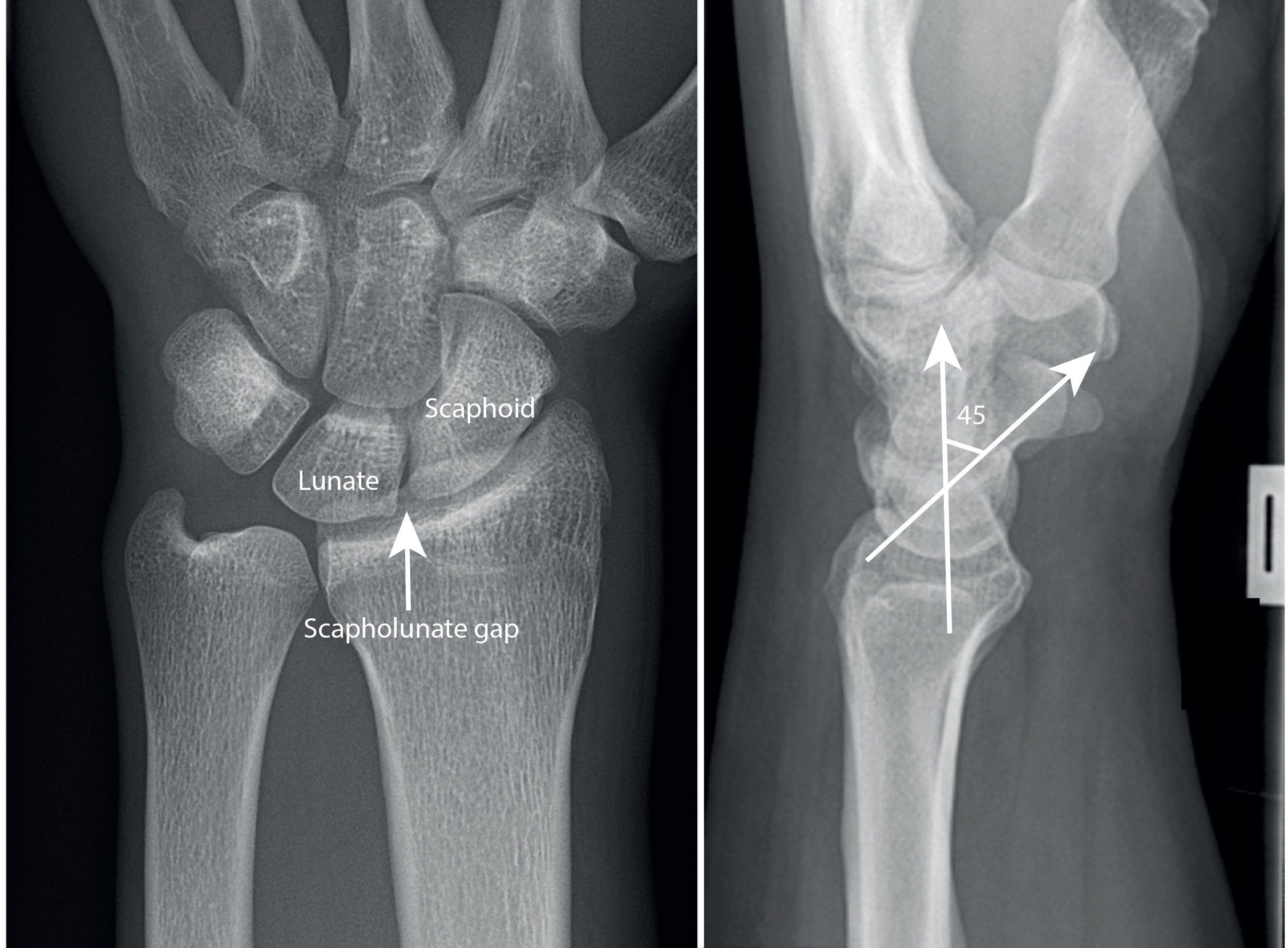
A malunion occurs when a wrist fracture heals in an abnormal position. A non-union occurs when the fracture fails to heal. Both conditions can affect wrist movement, strength, alignment, and long-term wrist function.
The wrist may look healed on the outside, but the bone alignment or biological healing may still be compromised.
Accurate diagnosis helps distinguish between a healed deformity and a fracture that has not united.
Treatment planning depends on pain, deformity, wrist mechanics, bone quality, and functional limitation.
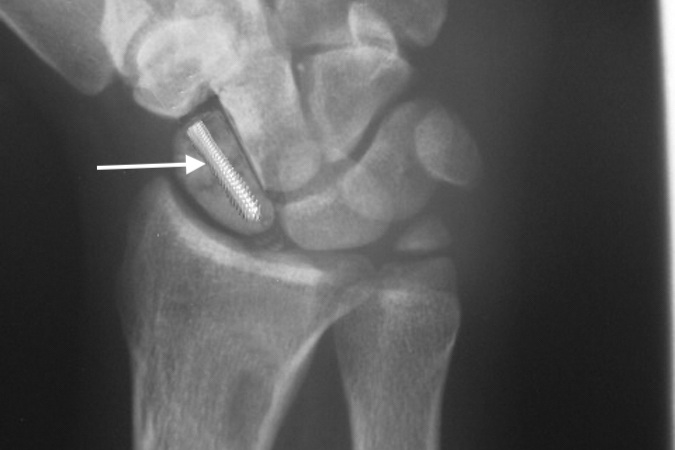
Alignment vs Healing
Malunion is mainly a position problem. Non-union is mainly a healing failure. Both require careful imaging and examination.


Fracture Healed Incorrectly
The bone has united but with deformity such as shortening, angulation or rotation.
- Persistent wrist pain
- Reduced grip strength
- Limited forearm rotation
- Possible DRUJ instability
Fracture Did Not Heal
The fracture ends remain separated because biological healing or mechanical stability was insufficient.
- Pain after 4–6 months
- Movement at fracture site
- Failure to return to activity
- Possible need for bone graft
Why Wrist Fractures Fail To Heal Correctly
Several factors can lead to malunion or non-union. Correct identification of the cause is essential before reconstruction surgery, because each case requires a different surgical and biological strategy.
Successful reconstruction begins by understanding why healing failed.
Inadequate Initial Fixation
Poor reduction or insufficient fixation can leave the wrist healed in an incorrect position.

Loss Of Reduction
A fracture may lose alignment during healing, especially with unstable fractures.

Poor Bone Healing Factors
Smoking, diabetes, vitamin D deficiency and poor bone quality increase non-union risk.
Infection
Infected fractures require infection control before definitive reconstruction.
Systemic Conditions
Medical factors affecting bone metabolism may delay healing and influence the reconstruction plan.
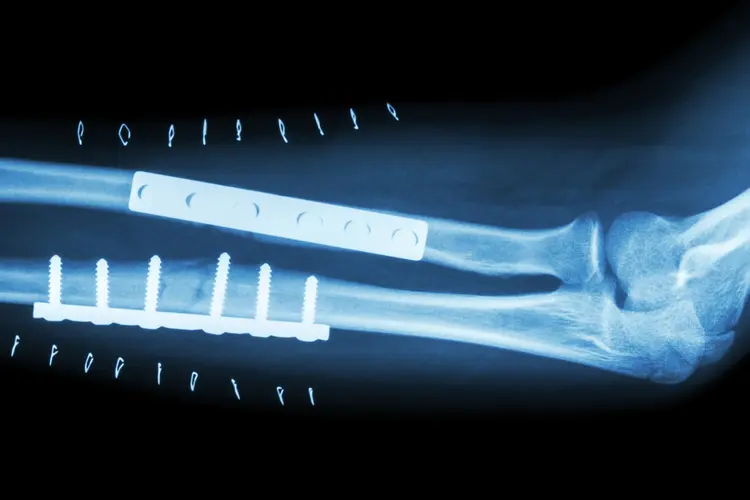
Malunion and Non-Union Treatment Options in Dubai
Treatment depends on deformity severity, bone quality, healing biology, pain level, and the patient’s functional requirements.
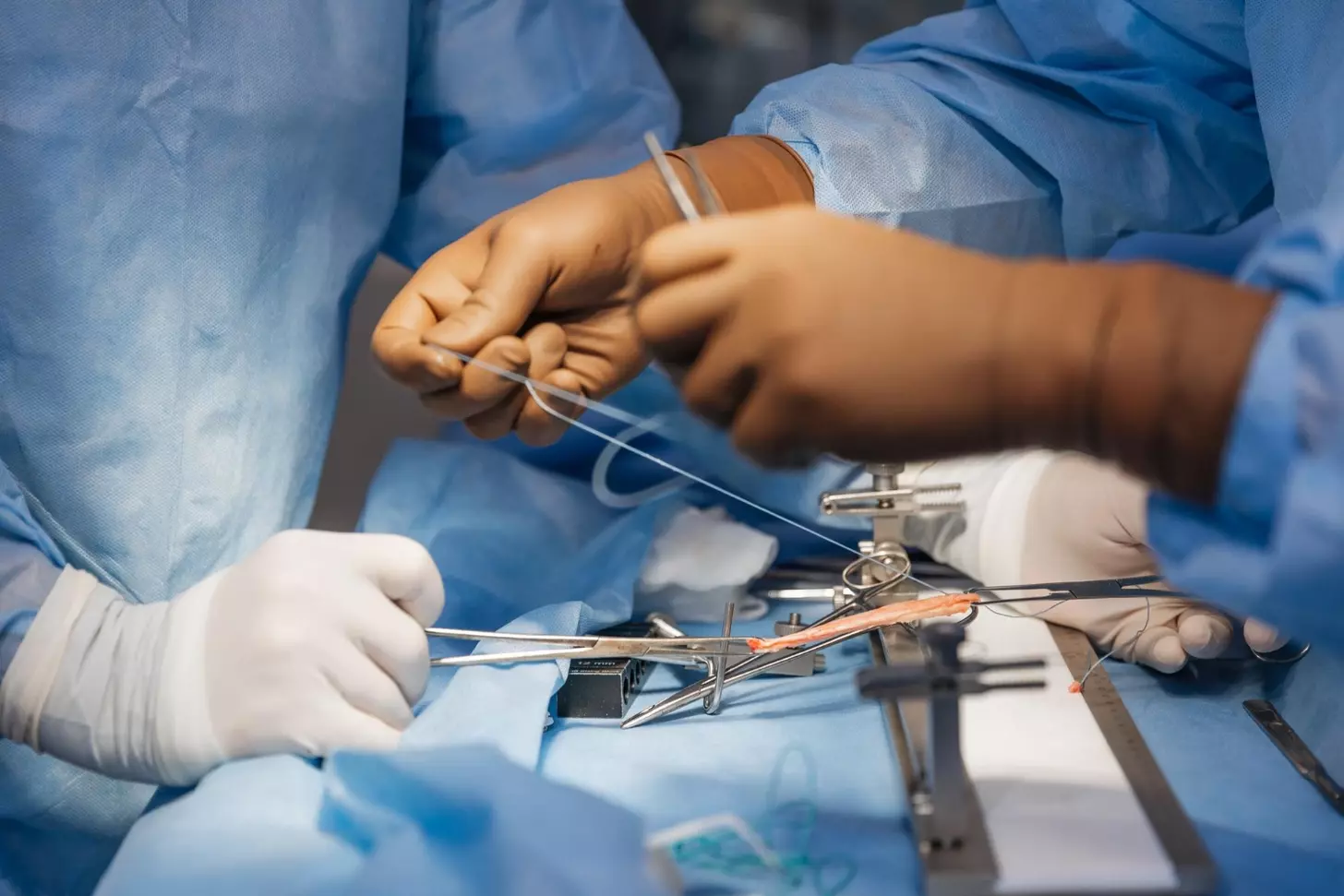
Conservative Care
Physiotherapy, activity modification and optimization of healing factors may be considered for selected cases.
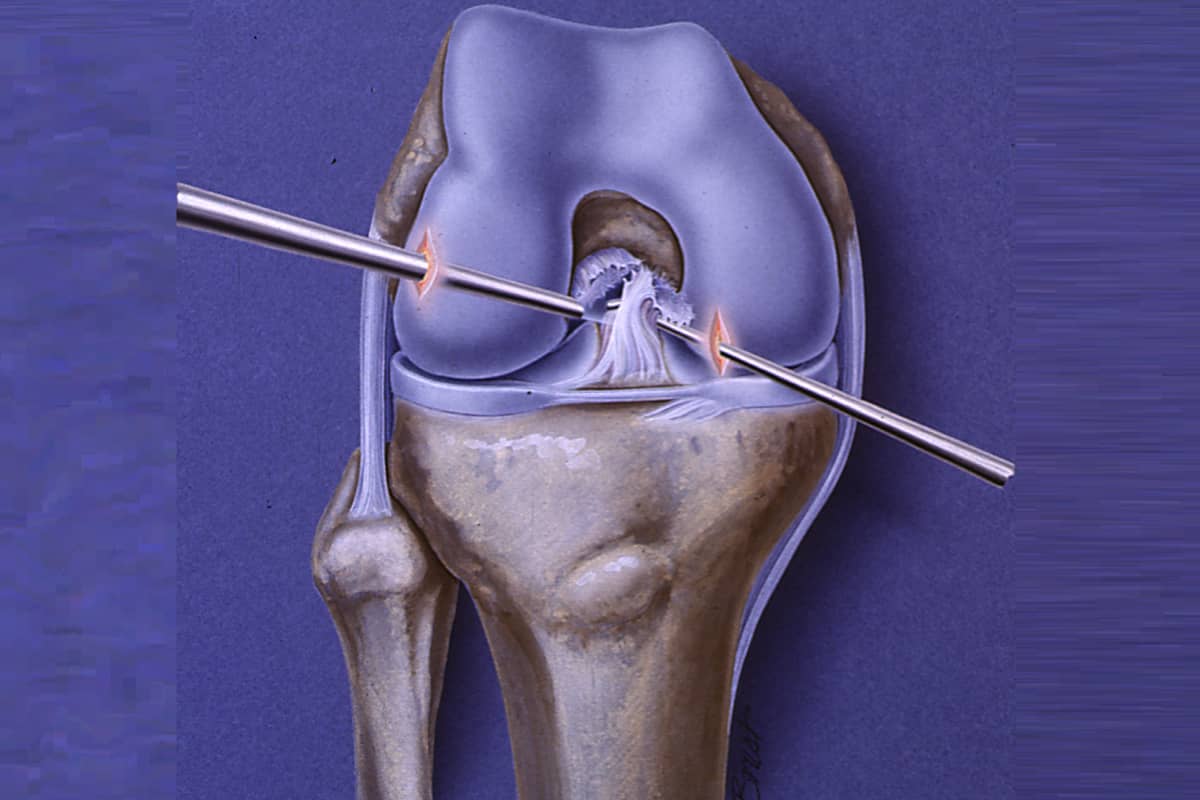
Corrective Osteotomy
The deformed bone is corrected using CT-guided planning and stable plate fixation.
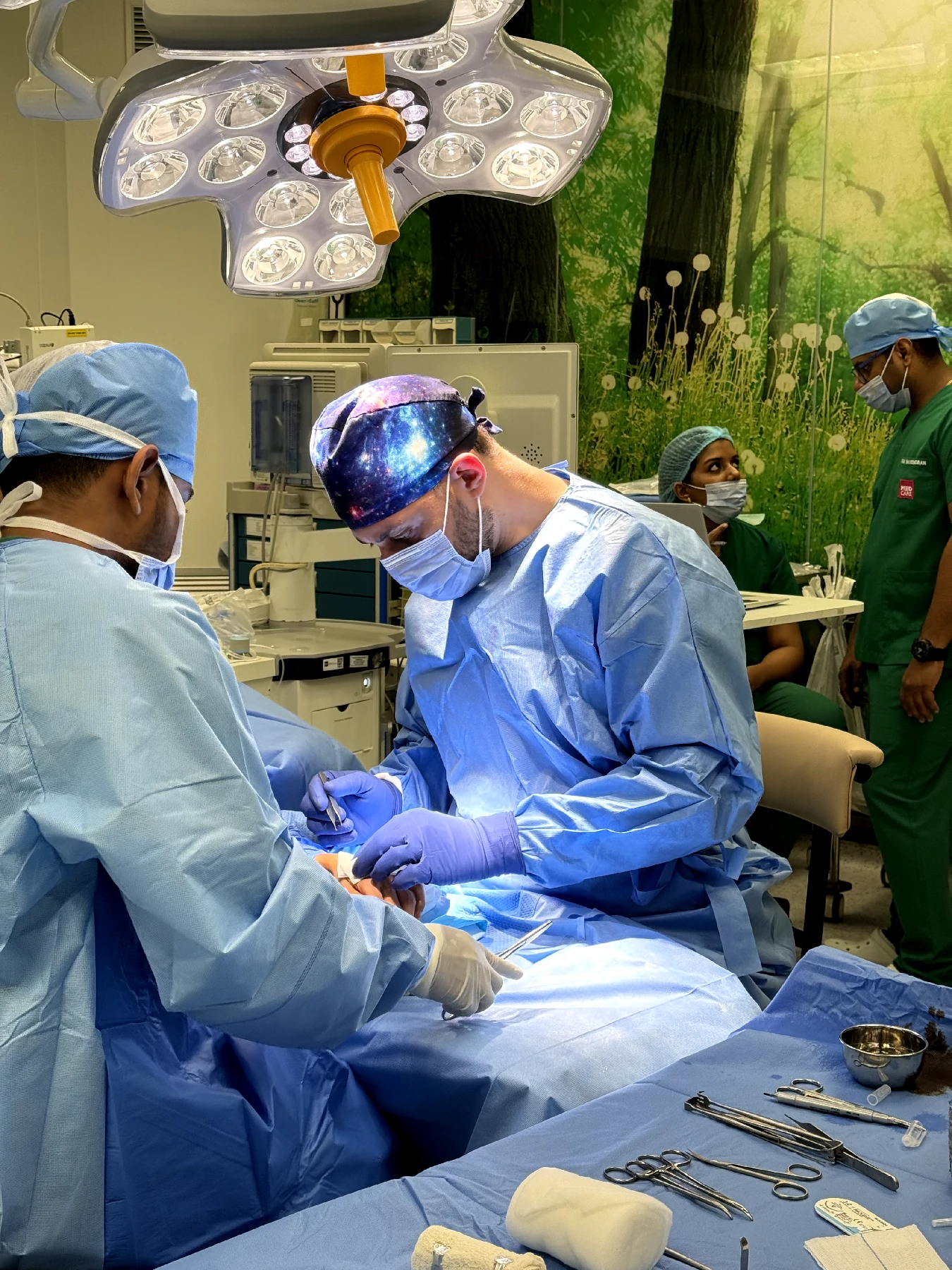
Bone Grafting
Non-union sites are prepared and supported with graft material to stimulate biological healing.

Internal Fixation
Plates and screws provide stability until complete bone union occurs.
Surgical Options for Wrist Fracture Malunion and Non-Union in Dubai
The surgical approach is highly individualized. Dr. Mohamed Ali plans each procedure using CT-based measurements and three-dimensional planning to ensure the correction is precise.
Opening Wedge Corrective Osteotomy
The malunited bone is cut along the original fracture plane, and the correction is made by opening the osteotomy gap to restore radial length, inclination, and tilt.

Closing Wedge Corrective Osteotomy
A wedge of bone is removed from the malunited segment to correct the deformity. No bone graft is required.
Bone Grafting for Atrophic Non-Union
The non-union site is excised back to viable bone, the gap is filled with autograft or allograft, and rigid internal fixation provides mechanical stability.
DRUJ Correction at the Time of Osteotomy
When distal radius malunion has produced secondary DRUJ instability, the corrective osteotomy restores radial length and usually resolves DRUJ instability.
Preparing for Malunited or Non-Union Wrist Fracture Surgery in Dubai
Preoperative Consultation
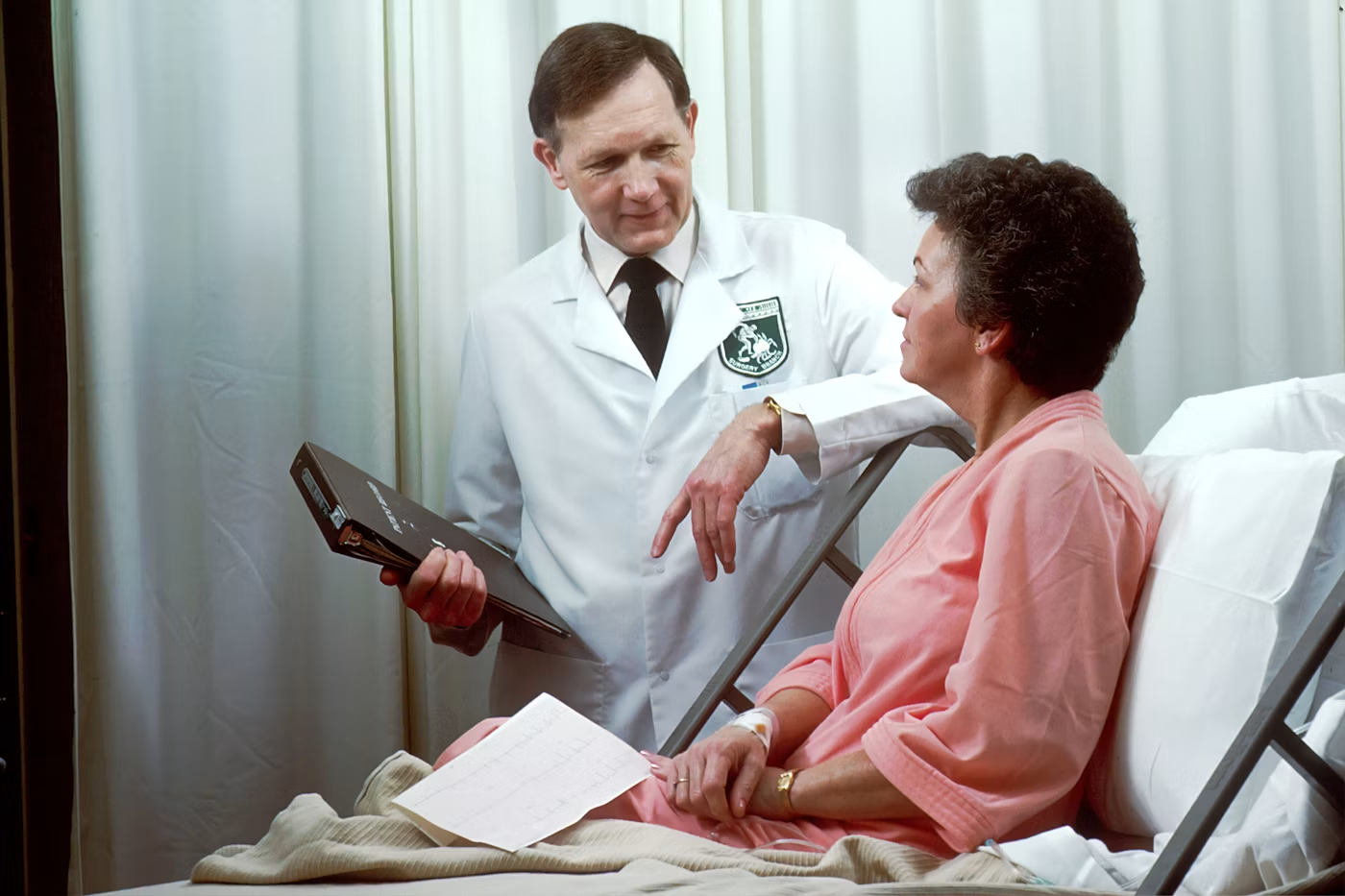
Dr. Ali reviews CT-based planning, confirms the osteotomy approach, and explains the procedure, fixation, grafting, and rehabilitation.

Preoperative Consultation
Dr. Ali reviews CT-based planning, confirms the osteotomy approach, and explains the procedure, fixation, grafting, and rehabilitation. Consent is obtained.
CT-Based Surgical Planning
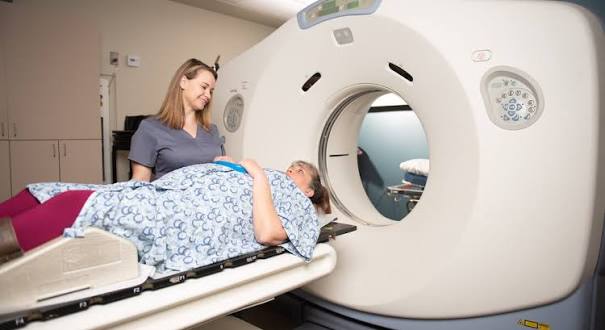
Three-dimensional CT reconstruction of both wrists measures the exact correction required and plans the osteotomy cuts before surgery.
Metabolic Optimization
Blood tests confirm bone health markers including vitamin D, calcium, and parathyroid hormone. Correctable deficiencies are treated before surgery. Smoking cessation is strongly advised.
Medical Clearance
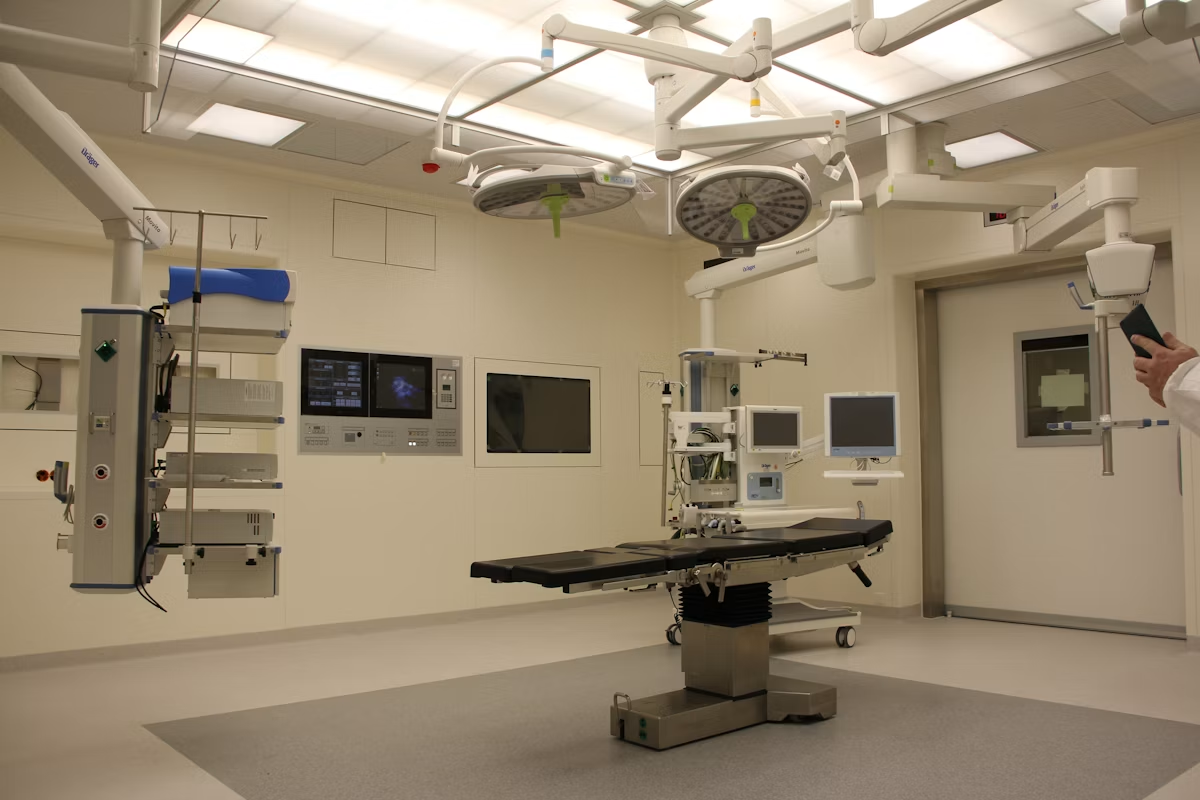
Pre-operative assessment confirms fitness for general or regional anesthesia at the DHA-licensed facility in Dubai. Specialist reviews are arranged where indicated.
Medications
Blood-thinning medications and NSAIDs are stopped 5 to 7 days before surgery. Bisphosphonates and systemic corticosteroids are reviewed in collaboration with the prescribing physician.
Practical Arrangements
Bone healing takes 3 to 4 months to confirm on CT. Plan for reduced hand function during this period. Arrange time off manual work or driving if the dominant wrist is involved.
A Controlled Reconstruction Process
Explore the main stages of the procedure. Each step is carefully planned and executed to improve alignment and promote healing.
Anesthesia & Preparation
Preparation of the patient and surgical field before reconstruction starts.
Surgical Approach
Controlled access to the wrist to expose the corrective area safely.
Osteotomy or Site Preparation
The correction zone is prepared for reconstruction and biological healing.
Alignment Restoration
Radial length, tilt, and balance are restored as precisely as possible.
Bone Grafting & Fixation
Mechanical stability and biological support are combined for union.
Closure & Protection
The procedure is finalized and the wrist is protected for early healing.
Recovery After Malunited or Non-Union Wrist Fracture Surgery in Dubai
Recovery from corrective osteotomy or non-union grafting in Dubai is longer than most wrist soft tissue procedures because the bone must heal before loading.
Phase 1 (0 to 6 weeks)
Below-elbow splint immobilisation. Finger range of motion exercises from day 1. Wound review at 2 weeks. X-ray at 6 weeks to assess early healing. No wrist loading.
Phase 2 (6 to 12 weeks)
Splint removed if X-ray shows early bridging calluses. Progressive wrist range of motion exercises supervised by a hand physiotherapist. No load-bearing through the wrist until CT confirms union.
Phase 3 (3 to 4 months)
A CT scan confirms bone healing. Once CT confirms solid union, progressive grip strengthening and load-bearing begin. Most patients achieve functional wrist use by 4 months.
Phase 4 (6 to 12 months)
Return to full sports, manual labor, and unrestricted activities. Hardware removal may be considered at 12 to 18 months if symptomatic. Final clinical and radiological review confirms complete recovery.
Patient Outcomes: Malunited Wrist Fracture Surgery in Dubai


Patient Testimonials
Risks and Outcomes of Malunited Wrist Fracture Surgery in Dubai
Corrective osteotomy and non-union surgery are complex reconstructive procedures. The goal is not only to improve alignment, but also to create the mechanical and biological conditions needed for reliable healing.
Measured, Planned, and Monitored
Dr. Mohamed Ali discusses the surgical risks clearly before treatment and confirms healing progress through follow-up imaging and clinical review.
Non-Union of the Osteotomy
A corrective osteotomy site can fail to heal, especially with poor bone quality or smoking history. Planning, fixation, and metabolic optimization reduce this risk.
Hardware Failure
Plates and screws can fail if the wrist is loaded too early. Loading restrictions are maintained until healing is confirmed.
Graft Resorption or Failure
Bone graft must integrate before the fracture heals. Thorough preparation of the non-union site helps improve graft success.
Infection and Wound Problems
Plate and bone graft surgery carries infection risk. Sterile operative conditions and careful follow-up help minimize complications.
Why Choose Dr. Mohamed Ali for Malunited Wrist Fracture Surgery in Dubai
Malunion and non-union surgeries are among the most technically demanding reconstructive procedures in orthopedic practice. They require advanced planning, precise correction, and a staged understanding of bone healing.
Fellowship-Trained Wrist Reconstruction Specialist
Dr. Ali's fellowship training included complex wrist reconstruction, corrective osteotomy, revision fixation, and non-union management. These procedures require expertise beyond routine fracture fixation.
CT-Based Surgical Planning
Three-dimensional CT reconstruction is used to plan the correction before surgery and reduce the risk of under-correction or repeat deformity.
DHA Licensed Surgical Environment
Procedures are performed in DHA-regulated facilities with access to imaging, sterile operative standards, and structured follow-up.
Staged Approach When Needed
Cases with infection, failed fixation, bone loss, or biological healing problems may require staged treatment before definitive reconstruction.
Rehabilitation-Guided Recovery
Recovery is advanced according to clinical progress and imaging confirmation, helping protect fixation while bone healing develops.