
Nerve Transfer
Surgeryin Dubai
A new pathway for movement, when recovery through the original nerve is not possible.
Specialist evaluation of complex peripheral nerve injuries, brachial plexus conditions and persistent weakness following injury or previous nerve repair. Treatment is tailored to the affected nerve, available donor branches and recovery potential.
Different route.
Same essential goal.
What is nerve transfer surgery?
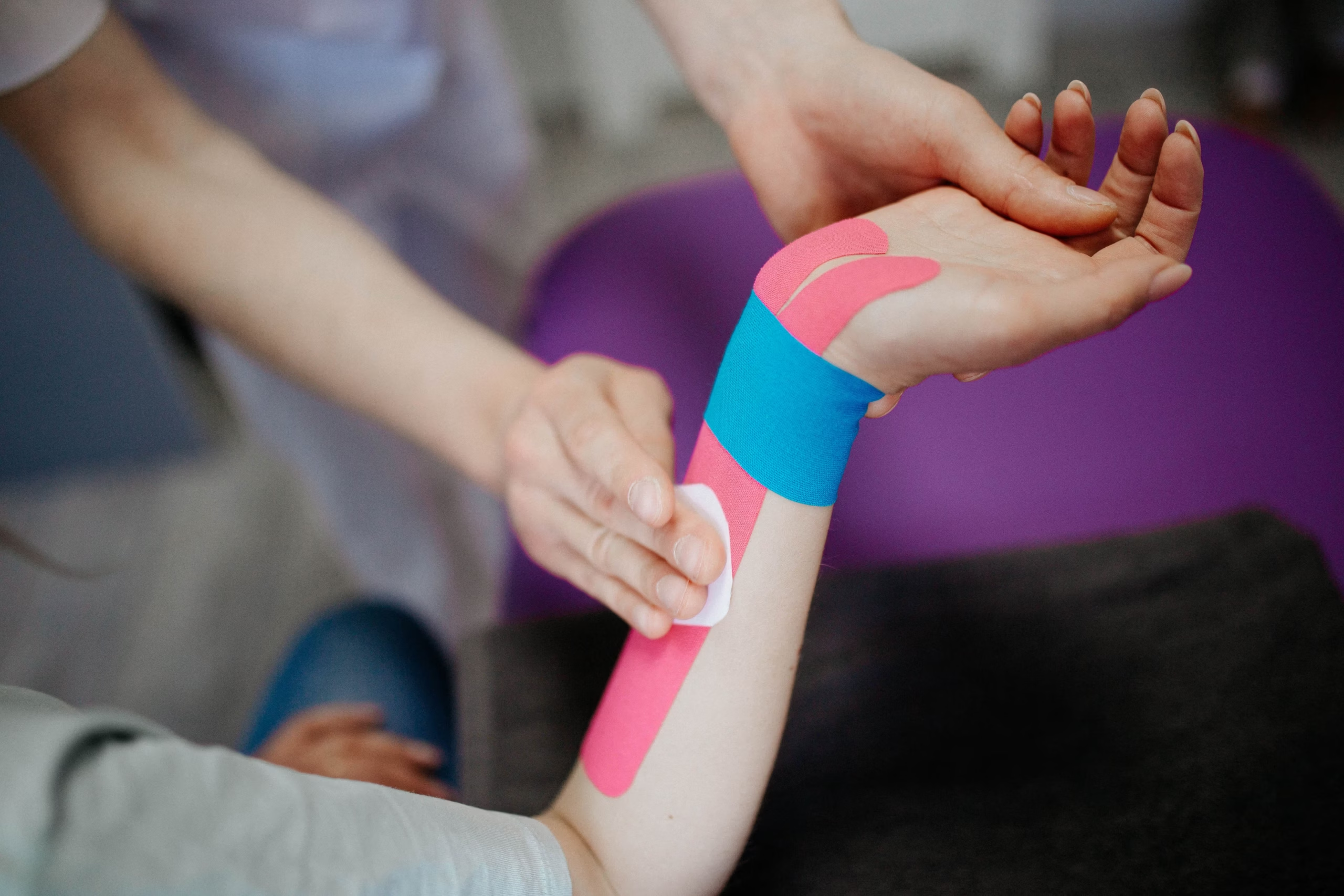
Nerve transfer surgery redirects a selected branch or fascicle of a working donor nerve to the distal portion of a nerve supplying a weakened muscle or an area with sensory loss.
Because the new connection is generally made closer to the target, regenerating fibres may travel a shorter distance than they would after repair at a distant original injury site. Success depends on donor function, target viability, timing and rehabilitation.
A selected branch still carries useful signals.
The donor connects to a chosen recipient branch.
Rehabilitation helps the brain learn the new pathway.
Five situations.
Individual solutions.
The right option depends on the exact nerve injury and the movement or sensation that needs to be restored. Not every patient is a candidate for nerve transfer.
Brachial plexus injuries
In some severe root or plexus injuries, an accessible proximal nerve stump may not be available for standard repair. Selected transfers can redirect other functional nerves to priority targets.
High-level nerve injuries
When damage is far from the muscle, a shorter route to the target may be considered if the donor and recipient nerves are suitable.
EXPLORE THE POSSIBILITY ↗Limited time for reinnervation
If recovery is not progressing, specialist assessment can clarify whether target muscles remain capable of benefiting from transfer.
EXPLORE THE POSSIBILITY ↗Incomplete recovery after repair
Persistent deficits after an earlier nerve procedure may call for reassessment, repeat testing and an alternative reconstructive plan.
EXPLORE THE POSSIBILITY ↗
Complex loss of movement
Selected patients may need a combination of nerve transfer, tendon transfer and staged rehabilitation to address their most important functional goals.
Recovery is biological.
Timing is part of the plan.
After loss of nerve supply, muscle condition can change over time. A delayed diagnosis may narrow the reconstructive choices, but timing alone does not determine whether a transfer is appropriate.
Muscle viability
Long-standing loss of nerve input can affect the potential for functional reinnervation.
Function and independence
Weakness of elbow, shoulder, wrist or intrinsic hand muscles can disrupt daily activities.
Pain and adaptation
Complex nerve injuries can also involve neuropathic pain and psychological impact, requiring coordinated care.
Reconstruction, shaped
around the target.
Explore five recognised approaches used in different injury patterns. The examples below describe principles, not a recommendation for a specific patient.
 01 / ELBOW FUNCTION
Oberlin transfer
Restoring elbow flexionA selected ulnar-nerve fascicle may be connected to a branch supplying the biceps in appropriate brachial plexus injuries.
 02 / ELBOW FUNCTION
Double fascicular transfer
Biceps and brachialis targetsFascicles from selected donor nerves can be used to reinnervate more than one elbow flexor branch.
 03 / HAND FUNCTION
AIN to ulnar motor branch
Intrinsic hand functionA branch from the anterior interosseous nerve may be redirected toward the deep motor branch of the ulnar nerve in selected high ulnar nerve injuries.
 04 / WRIST FUNCTION
Radial nerve transfers
Wrist and finger extensionSelected nerve branches may be used to reinnervate extensor targets in some non-recovering palsies.
 05 / SHOULDER FUNCTION
Accessory / intercostal transfers
Complex brachial plexus reconstructionIn extensive injuries, other available donor nerves may be evaluated for reconstruction of priority movements.
Repair. Graft. Transfer.
Three reconstructive strategies have different starting points. Examination and targeted tests determine which approach may fit the injury.
Join the same nerve
Direct repair reconnects the original nerve ends when a tension-free connection is possible.
ORIGINAL PATHWAYBridge an interruption
Grafting uses a nerve segment to bridge a defect between accessible ends of the original nerve.
BRIDGED PATHWAYCreate a new route
Nerve transfer redirects a selected working donor branch to a recipient closer to the target.
NEW PATHWAYThese illustrations are conceptual, not anatomical diagrams or a clinical decision tool.
The investigation
comes before the incision.
Clinical examination is combined with appropriate investigations to assess donor nerve function, recipient targets and signs of recovery.
Motor and sensory examination
Maps the extent of weakness, the muscles involved and preserved function.
EMG and nerve conduction
May help identify denervation, ongoing regeneration and suitable donor function.
Imaging where indicated
MRI or targeted ultrasound can clarify anatomy and the level of injury.
Goal-based surgical planning
Prioritises realistic movements, donor protection and a rehabilitation plan.
Carefully planned.
Clearly explained.
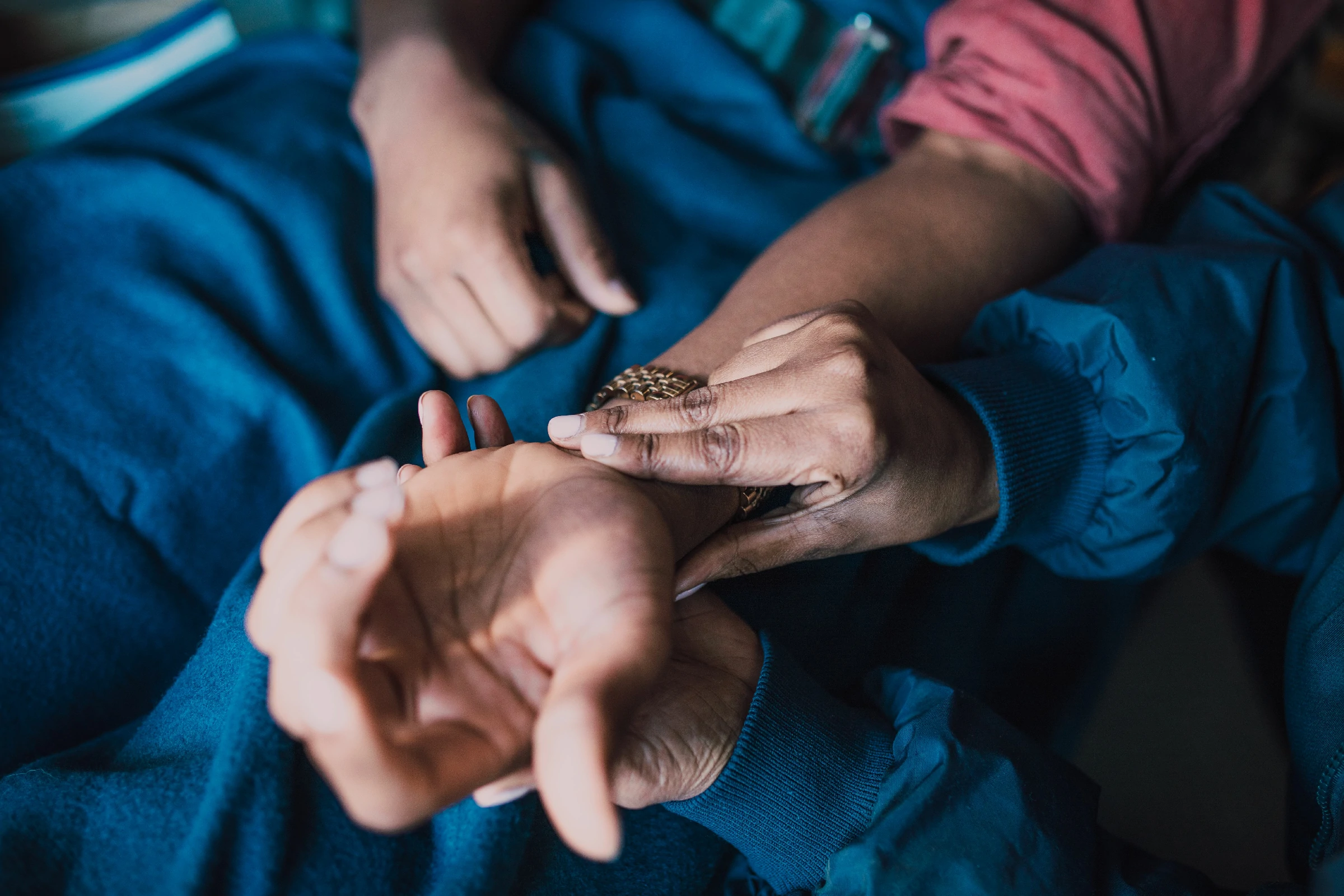
A good reconstruction plan includes the operation itself, the possible donor trade-offs, wound protection and motor re-education.
Review existing reports
Bring prior operative notes, injury records, scans and any EMG or nerve conduction results.
Check donor strength
The team examines function that must be protected and considers possible donor branches.
Agree realistic goals
Discuss which movements are most important for work, self-care and daily activities.
Anaesthesia and health review
Your surgical team reviews general fitness, allergies and any investigations needed.
Medication discussion
Discuss all medicines, especially anticoagulants. Do not stop prescribed treatment independently.
Prepare rehabilitation support
Plan transport, time away from work, splinting and the specialist therapy pathway.
Six steps. One purposeful connection.
The operative sequence varies with the donor, target and associated injuries. This is a general outline.
Anaesthesia and positioning
The team selects an appropriate anaesthetic and positions the arm for safe access.
Identify the donor
The functioning nerve or fascicle is exposed; stimulation may help confirm its function.
Prepare the recipient
The recipient branch and the target anatomy are assessed under magnification.
Microsurgical connection
The selected donor and recipient are aligned and joined without undue tension.
Close and protect
The wound is closed and the limb supported in the position advised by the surgeon.
Begin the recovery plan
Follow-up and specialist rehabilitation guide wound healing and motor retraining.
Relearning movement
takes time and guidance.
Following nerve transfer, the brain may need to learn how a donor nerve’s original activation produces a different movement. Timelines below are examples, not a fixed treatment protocol.
Protect & heal
Wound care and immobilisation follow the specific coaptation and procedure. Movement restrictions are personalised.
Build new patterns
When cleared, therapist-led motor re-education focuses on the donor activation pattern and controlled use.
Look for early change
Clinical review may identify emerging activation as regenerating fibres approach a target. Response varies widely.
Develop useful strength
Rehabilitation progressively focuses on coordination, endurance and tasks that matter in daily life.
Splinting, exercise, EMG biofeedback when appropriate, and clinical assessments should be set by the treating team.
Realistic goals.
Honest expectations.
Outcomes depend on injury severity, donor quality, target muscle viability, timing, surgical technique and rehabilitation. No transfer can guarantee restored power or sensation.
Incomplete muscle recovery
Strength may not return fully despite successful nerve connection.
Donor-site changes
Taking a donor branch can produce an expected functional trade-off that should be discussed in detail.
Motor learning challenges
The new activation pattern may take time and specialist therapy to use effectively.
General surgical risks
Scarring, wound problems, stiffness and infection are possible with any operation.
The same procedure
can mean different goals.
The following are illustrative care scenarios, not patient testimonials or claims of individual outcomes.
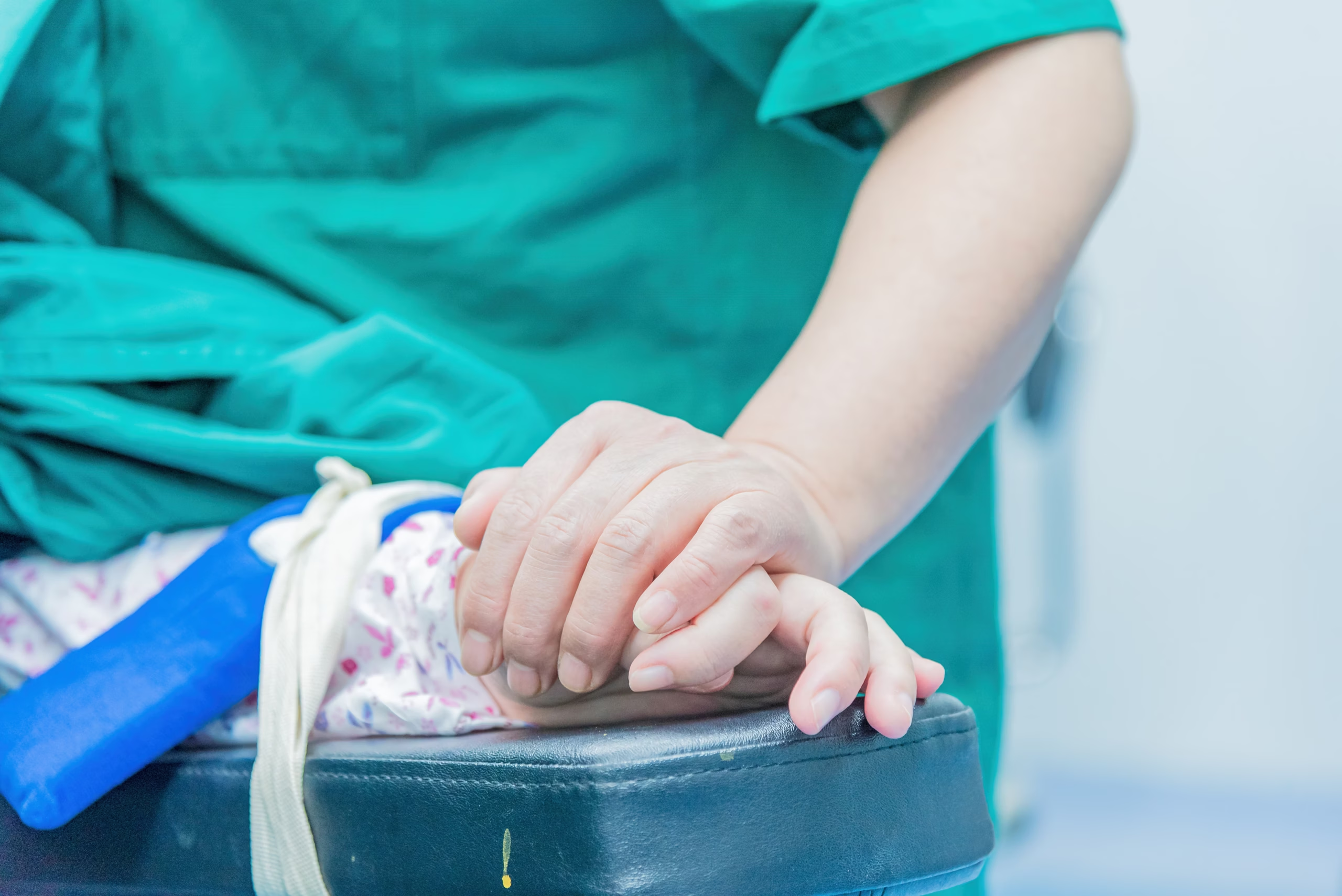
Elbow function after a plexus injury
The evaluation may focus on whether a functioning donor branch and suitable elbow flexor target are available.
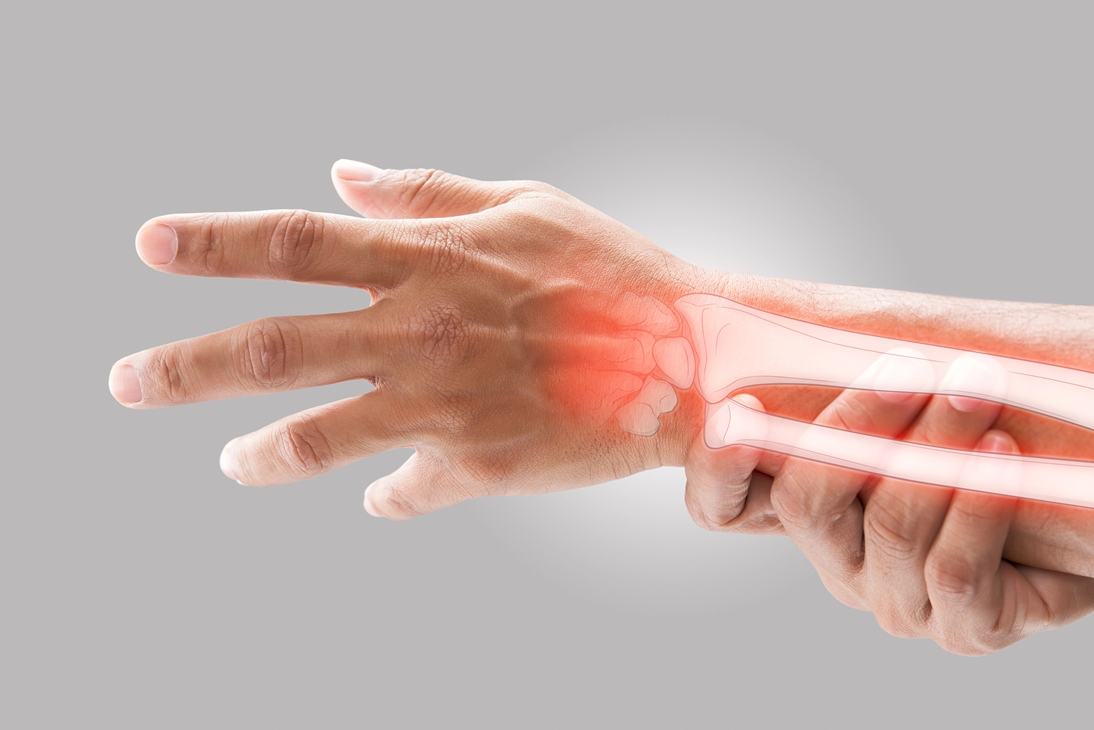
Persistent intrinsic-hand weakness
Assessment may look at the ulnar motor pathway, available donor function and practical hand goals.
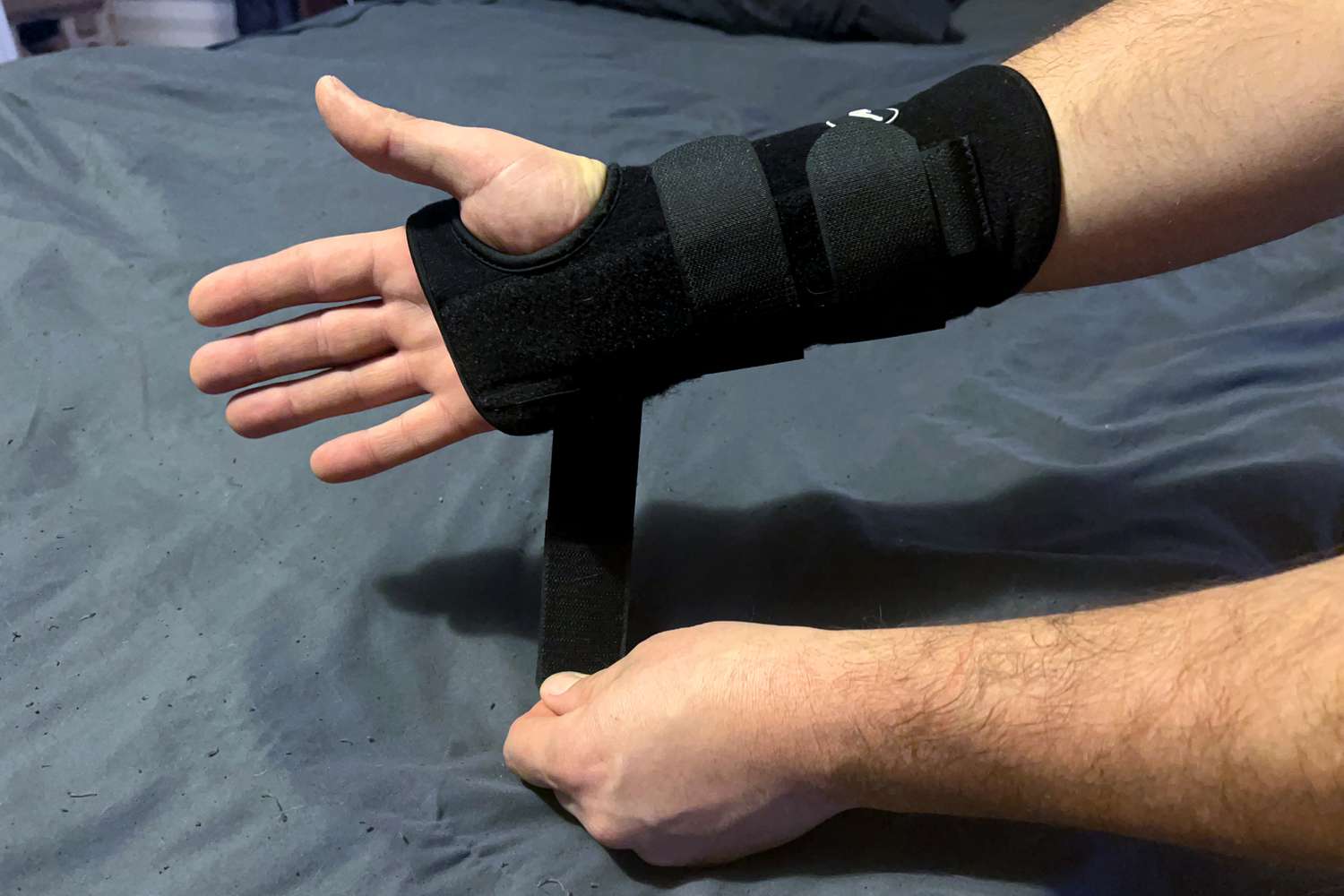
Loss of wrist or finger extension
The plan may compare nerve reconstruction, tendon transfer and the timing of functional recovery.
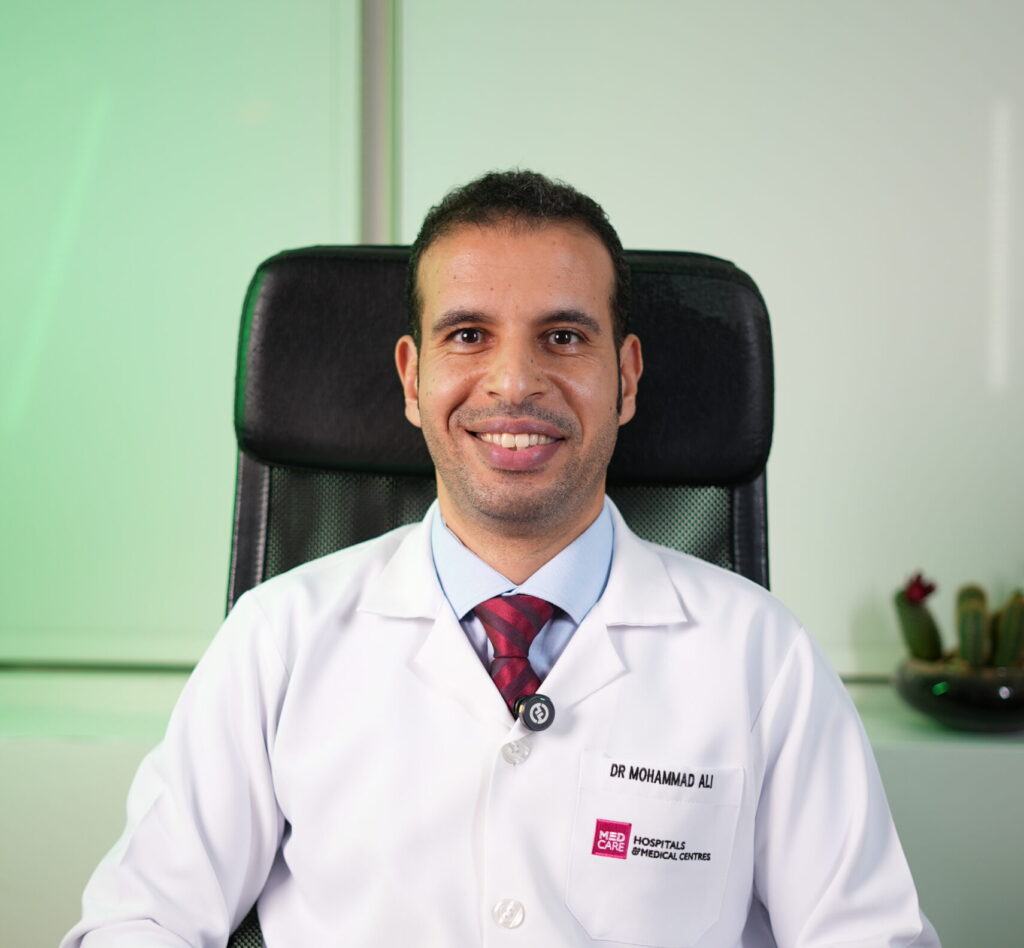
Specialist thinking
at every decision.
Nerve transfer planning involves selecting a donor, understanding the recipient target, protecting existing function and creating a realistic rehabilitation plan.
Complex upper limb care,
closer to home.
Specialist consultations are available in Dubai for patients from Dubai, Abu Dhabi, Sharjah and across the UAE. A referral is not required to request an appointment.
Questions,
answered clearly.
Understand the basics before your consultation. An individual assessment is required to evaluate treatment options.
What is nerve transfer surgery?+
How is nerve transfer different from nerve repair?+
Can a nerve transfer restore movement after paralysis?+
When should I seek assessment?+
How long does recovery take?+
Do I need a referral to book in Dubai?+
A clearer path
starts with assessment.
Discuss your injury, the function you hope to regain and whether nerve transfer or another reconstructive strategy might be appropriate.