
Discover the 7 Proven Sports Injury Therapy Tips in Dubai
Living an active life in Dubai is exciting. From padel, football, tennis, running, cycling, CrossFit, swimming, and gym training to weekend desert...
 Written by
seo-user
Written by
seo-user
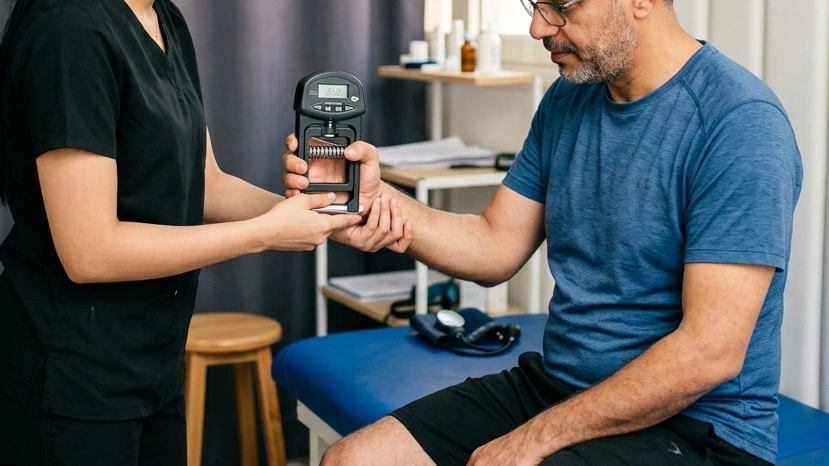
Living an active life in Dubai is exciting. From padel, football, tennis, running, cycling, CrossFit, swimming, and gym training to weekend desert activities, movement is part of the city’s lifestyle. But when pain, swelling, instability, or a sudden injury interrupts your routine, you need more than rest and guesswork. You need a clear plan, an accurate diagnosis, and a safe route back to the activities you enjoy. That is where sports injury therapy becomes essential.
Sports injury therapy is not only for professional athletes. It is for anyone whose muscles, joints, bones, tendons, or ligaments have been affected by sport, exercise, training overload, or physical activity. Whether you are preparing for a race, returning after an ACL injury, recovering from shoulder pain, or dealing with a recurring ankle sprain, the right care can help you heal properly rather than simply “push through” symptoms.
This guide explains what sports injuries are, when to seek medical help, how diagnosis works, and how a structured treatment and rehabilitation plan can help you return to sport with confidence. Early sports injury therapy also gives you a safer way to protect your progress before a minor injury becomes a long-term limitation. If you are searching online for “sports injury doctor dubai,” Dr Mohamed Ali offers orthopedic-focused care for active people who want practical answers, safer recovery, and long-term injury prevention.
What Are Sports Injuries?
Sports injuries are injuries that happen during sport, exercise, training, or physical activity. They may involve muscles, tendons, ligaments, bones, cartilage, joints, nerves, or other soft tissues. Some injuries are acute, meaning they occur suddenly after a twist, fall, collision, awkward landing, or heavy lift. Others develop gradually because of repetitive overload, poor technique, muscle imbalance, limited mobility, or inadequate recovery. Medical references describe sports injuries as muscle, bone, and soft-tissue injuries that may occur suddenly or develop over time.
A sprained ankle after football is an acute injury. Achilles tendinitis from repeated running load is usually an overuse injury. Shoulder impingement from repetitive overhead activity may build slowly until everyday movements become painful. Both types deserve attention because untreated injuries can affect movement patterns, cause compensation, and increase the chance of future problems.
The purpose of sports injury therapy is to identify what is damaged, understand why it happened, control pain, restore movement, rebuild strength, and prepare the body for the real demands of sport.
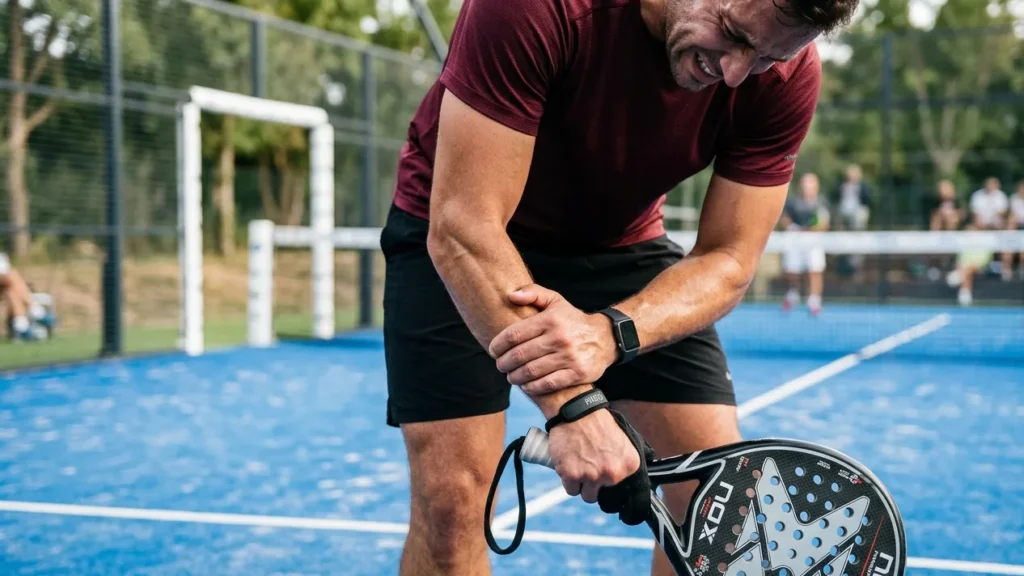
What Are the 7 Common Types of Sports Injuries?
Most sports injuries fall into several common categories. The exact injury pattern depends on your sport, training history, biomechanics, and previous injuries.
- Sprains:
A sprain happens when a ligament is stretched or torn. Ankles, knees, and wrists are common sites. A mild sprain may improve quickly, while a severe ligament injury can cause instability and may need bracing, imaging, or surgical assessment. - Strains:
A strain affects a muscle or tendon. Hamstring, calf, groin, shoulder, and lower back strains are common in sports that involve sprinting, sudden direction changes, lifting, or explosive movement. - Fractures and stress fractures:
A fracture is a break in the bone. Stress fractures are small cracks caused by repeated overload, often in runners or athletes who increase training volume too quickly. - Tendon injuries:
Tendinitis and tendinopathy affect tendons such as the Achilles tendon, patellar tendon, rotator cuff, or elbow tendons. These often develop from repetitive loading without enough recovery. - Knee ligament and cartilage injuries:
ACL, MCL, meniscus, and cartilage injuries are common in football, basketball, tennis, skiing, combat sports, and activities involving pivoting, landing, or sudden stops. - Dislocations and instability injuries:
A dislocation occurs when a bone moves out of its normal joint position. Shoulder dislocations are common in contact sports and falls, and they need proper medical evaluation. - Contusions and impact injuries:
Bruising, muscle contusions, and direct impact injuries can look simple at first but may affect movement, strength, and training tolerance. Head injuries and suspected concussions should always be taken seriously.
Sprains, strains, fractures, dislocations, tendon injuries, and contusions are widely recognized as common sports-related injuries. These categories are a starting point. A personalized sports injury therapy plan looks beyond the label and asks: what tissue is injured, what stage of healing is it in, and what does your body need next?
Which Body Parts Get Injured the Most in Sports?
Sports place repeated stress on moving joints and the tissues that support them. The most commonly affected areas include:
- Ankles and feet: sprains, fractures, Achilles tendinopathy, plantar fascia pain, and stress injuries.
- Knees: ACL injuries, meniscus tears, runner’s knee, jumper’s knee, kneecap tracking problems, and cartilage pain.
- Shoulders: rotator cuff injuries, impingement, instability, dislocations, and labral injuries.
- Elbows and wrists: tennis elbow, golfer’s elbow, ligament sprains, and impact injuries.
- Hips and groin: muscle strains, hip impingement symptoms, adductor injuries, and overuse pain.
- Back and neck: muscle strains, disc-related symptoms, posture-related overload, and contact-related pain.
- Head: concussions and facial injuries in contact or collision sports.
In Dubai, we also see patterns linked to lifestyle and environment: hard-court sports, rapid changes in training intensity, dehydration, heat exposure, long work hours followed by intense evening exercise, and weekend-only high-load activity. Sports injury therapy helps connect these details to your recovery plan.

What Causes Sports Injuries?
Sports injuries usually happen because the demand placed on the body exceeds what the tissue can safely tolerate at that moment. Common causes include:
- Sudden falls, twists, tackles, collisions, or awkward landings.
- Training too hard, too often, or too soon after time off.
- Poor warm-up, limited mobility, or inadequate conditioning.
- Weakness, imbalance, or poor control around key joints.
- Incorrect technique in running, lifting, jumping, or changing direction.
- Worn-out footwear or unsuitable equipment.
- Playing through pain instead of modifying activity.
- Previous injuries that were never fully rehabilitated.
- Fatigue, dehydration, poor sleep, or insufficient recovery.
Medical sources commonly identify accidents, poor training practices, improper gear, lack of conditioning, overtraining, inadequate warm-up, and direct impact as frequent causes or risk factors for sports injuries. One of the most important goals of sports injury therapy is to find the root cause. Pain relief matters, but long-term success depends on understanding why the injury happened and how to reduce the chance of it happening again.
How Do I Know If I Should Seek Medical Care for a Sports Injury?
Some minor aches settle with rest and sensible load reduction. However, you should seek medical care if symptoms are severe, persistent, or affecting normal movement. See an orthopedic specialist if you notice:
- Severe pain, swelling, bruising, or rapid loss of function.
- Inability to bear weight or use the injured body part.
- A joint that feels unstable, locked, stuck, or gives way.
- Visible deformity or a bone/joint that looks out of place.
- Numbness, tingling, weakness, or symptoms spreading down the limb.
- Pain that does not improve after a few days of appropriate care.
- Recurrent pain that returns every time you train.
- Head injury symptoms such as dizziness, confusion, headache, nausea, or balance problems.
A simple rule!
if you are changing how you walk, run, lift, swing, or train because of pain, get it assessed. Early sports injury therapy can prevent a small problem from becoming a long-term limitation. Severe pain, swelling, inability to use the injured part, deformity, or symptoms that do not improve are all reasons to seek medical care.
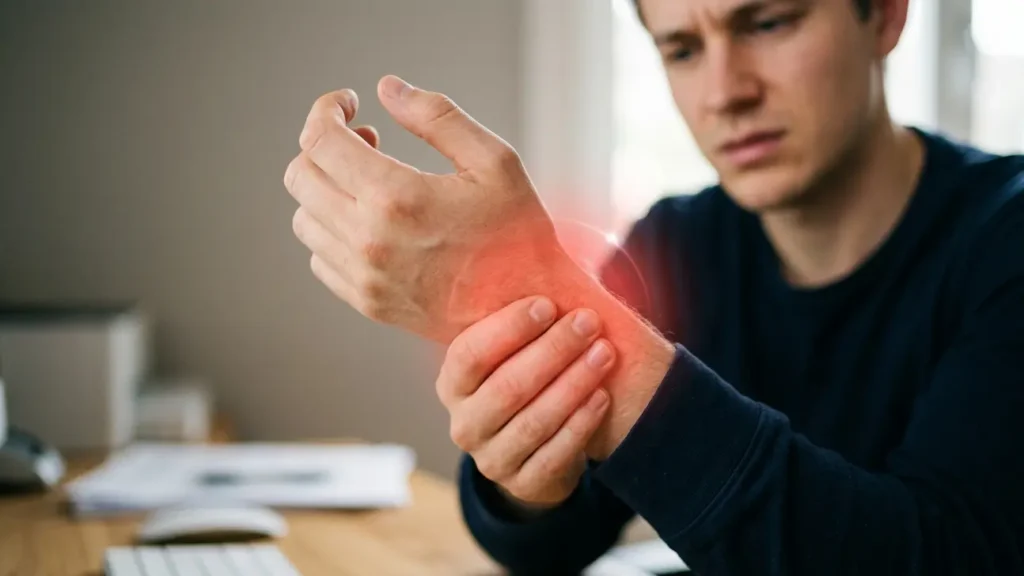
What Questions Should I Ask My Healthcare Provider About My Sports Injury?
A good consultation should leave you with clarity, not confusion. Consider asking:
- What structure is injured, and how confident are we in the diagnosis?
- Do I need an X-ray, MRI, ultrasound, or other imaging?
- What should I avoid right now, and what can I safely continue?
- How long should I rest before starting movement again?
- What are the signs that my injury is improving or worsening?
- Do I need a brace, taping, medication, injection, or surgery?
- What does my injury rehabilitation plan include?
- When can I return to running, gym training, football, padel, tennis, or my specific sport?
- What objective tests will show I am ready to return?
- How can I reduce my risk of re-injury?
These questions help you take an active role in sports injury therapy and make better decisions at every stage.
How Are Sports Injuries Diagnosed?
Accurate diagnosis starts with listening. Your doctor will ask how the injury happened, what you felt at the time, what movements hurt, what makes symptoms better or worse, and whether you have had similar problems before. The physical exam may include checking swelling, tenderness, joint range of motion, strength, stability, flexibility, nerve function, walking pattern, and sport-specific movements.
Imaging may be recommended when needed. X-rays can help identify fractures or alignment issues. MRI can assess soft tissues such as ligaments, tendons, cartilage, discs, and muscles. Ultrasound may be useful for certain tendon, muscle, and soft-tissue problems. In some cases, diagnosis also includes functional testing to understand balance, landing mechanics, running gait, strength symmetry, and readiness to return to play.
Sports injury diagnosis commonly includes a history of how the injury happened, physical examination, and imaging such as X-ray or MRI when clinically needed. The best sports injury therapy begins with a diagnosis that matches both the scan and the person. Treating the image alone is not enough; treatment should reflect your pain, goals, sport, workload, and recovery capacity.

What Is Sports Injury Therapy?
Sports injury therapy is a structured, medically guided approach to treating sports-related injuries and helping patients return safely to activity. It combines orthopedic diagnosis, pain management, rehabilitation, strength rebuilding, mobility work, movement correction, and return-to-sport planning.
A Sports injury therapy clinic should not only ask, “Where does it hurt?” It should also ask, “What do you need to get back to?” A padel player with shoulder pain, a runner with shin pain, a footballer with ACL injury, and a gym-goer with lower back pain all need different plans.
Sports injury therapy may include:
- Medical evaluation and diagnosis.
- Activity modification and load management.
- Pain and swelling control.
- Guided mobility and strengthening exercises.
- Balance, coordination, and neuromuscular training.
- Manual therapy when appropriate.
- Bracing, taping, or supports when needed.
- Injection therapy in selected cases.
- Surgical referral or orthopedic surgery when required.
- Progressive return-to-sport testing and prevention planning.
What Are the Benefits of Sports Injury Therapy?
The benefits go beyond pain relief. A well-designed plan can help you:
- Recover with a clear step-by-step roadmap.
- Reduce pain, swelling, stiffness, and fear of movement.
- Restore joint mobility and muscle flexibility.
- Rebuild strength, endurance, balance, and control.
- Correct movement patterns that contributed to the injury.
- Improve confidence before returning to sport.
- Reduce the risk of repeated injury.
- Avoid unnecessary rest, over-treatment, or premature return.
- Support performance by improving mechanics and conditioning.
For active people in Dubai, sports injury therapy can be the difference between repeatedly stopping and starting training and finally returning with a body that is better prepared for your sport. This is why sports injury therapy should be personalized, progressive, and based on both diagnosis and performance goals.

How Do You Treat a Sports Injury?
Treatment depends on the injury type, severity, stage of healing, symptoms, sport, and patient goals. In the first phase, the priority is often protecting the injured tissue, reducing pain and swelling, and avoiding movements that make the injury worse. This may involve relative rest, ice, compression, elevation, bracing, medication, or temporary changes to training.
Once symptoms settle, the focus shifts to restoring mobility, rebuilding strength, improving control, and gradually reloading the injured structure. The final phase prepares you for real sport demands: sprinting, cutting, jumping, landing, lifting, throwing, kicking, or returning to match intensity.
Not every injury needs surgery. Many sports injuries improve with conservative care, including rehabilitation and activity modification. However, some injuries, such as displaced fractures, severe ligament tears, recurrent dislocations, or certain cartilage injuries, may require orthopedic procedures. Sports injury therapy helps determine the most appropriate path instead of applying the same treatment to every patient.
Multi-Treatment Approach for Sports Injuries
A premium approach to sports injury therapy is rarely one-dimensional. The strongest plans combine the right treatments at the right time.
- Orthopedic Assessment and Medical Decision-Making
Before exercises begin, you need to know what is safe. Orthopedic assessment helps identify red flags, determine whether imaging is needed, and decide whether conservative care or surgical treatment is more appropriate. - Pain and Inflammation Control
Pain control may include temporary activity modification, ice or heat at the correct stage, anti-inflammatory medication when appropriate, bracing, taping, or other medical options. The goal is not to mask pain so you can keep overloading the injury. The goal is to create a safe window for healing and movement. - Exercise-Based Rehabilitation
Exercise is the backbone of sports injury therapy. It may start with gentle range-of-motion exercises, then progress to strengthening, balance, endurance, plyometrics, agility, and sport-specific drills. The plan should progress only when your body meets clear milestones. - Manual Therapy and Mobility Work
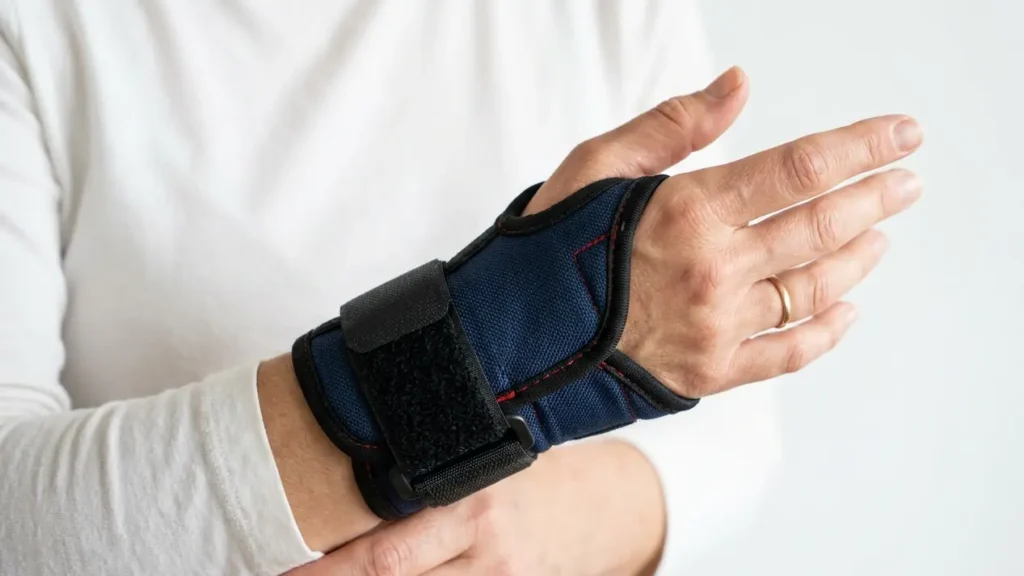
Manual therapy can help with joint stiffness, soft-tissue restriction, and movement comfort. It works best when combined with active rehabilitation rather than used as a stand-alone solution. - Bracing, Taping, and Support
Some injuries benefit from short-term support. Braces and taping can protect healing tissues, improve confidence, and reduce excessive movement while strength and control are being rebuilt. - Injection Therapy and Regenerative Options
In selected cases, injections may be considered for pain, inflammation, or tissue-related problems. These should be recommended only after a careful diagnosis and discussion of benefits, risks, alternatives, and expected outcomes. - Surgery When Needed
When structural damage cannot be managed safely with conservative care, surgery may be considered. Post-surgical sports injury therapy is essential because the operation repairs the tissue, but rehabilitation restores movement, strength, control, and readiness.
How Long Does Sports Injury Therapy Take?
There is no single timeline because every injury is different. A mild muscle strain or ankle sprain may improve over a few weeks. A tendon problem may need several months of progressive loading. ACL reconstruction, meniscus repair, shoulder stabilization, or major fracture recovery can require a longer rehabilitation process with carefully measured milestones.
Recovery time depends on:
- The injured tissue and severity of damage.
- Whether surgery was needed.
- Your age, fitness level, health, sleep, and nutrition.
- How quickly you received the correct diagnosis.
- Your consistency with rehabilitation exercises.
- Whether you return gradually or rush back too soon.
- The demands of your sport or activity.
The safest approach is milestone-based, not calendar-based. Sports injury therapy should answer: Can you move well? Are you strong enough? Can you tolerate sport-specific loads? Are both sides balanced? Can you perform under fatigue? Are you mentally confident?
Sports Injury Rehab
Sports injury rehab is the bridge between injury and performance. It is where healing tissue becomes useful again. The aim is not simply to make pain disappear; it is to restore the physical qualities your sport demands.
A common question is sports rehabilitation vs physiotherapy. Physiotherapy often focuses on restoring movement, reducing pain, and improving function. Sports rehabilitation is more performance-specific. It usually progresses from clinical recovery to strength, power, agility, conditioning, and return-to-sport testing. In practice, they often overlap, and many patients benefit from both.
Stages of Rehabilitation in Sport
Understanding the stages of rehabilitation in sport helps you know what to expect.
- Stage 1: Protection and symptom control
The aim is to protect the injured tissue, reduce pain and swelling, maintain safe movement, and prevent unnecessary loss of fitness. - Stage 2: Mobility and early strength
You begin restoring range of motion, gentle strength, balance, and normal daily movement. The goal is controlled loading without flare-ups. - Stage 3: Strength, control, and functional rebuilding
This stage focuses on progressive resistance training, stability, endurance, coordination, and correcting movement patterns. Exercises become more challenging and closer to sport demands. - Stage 4: Return to sport and performance prevention
You progress to running, jumping, landing, cutting, throwing, lifting, or sport-specific drills. The final decision should be based on testing, confidence, and the ability to perform safely under realistic conditions.
Good sports injury therapy respects every stage. Skipping steps may feel faster at first, but it often delays true recovery.
Preventing Re-Injury and Enhancing Performance
Re-injury prevention starts before pain fully disappears. Many athletes return too early because they can walk normally or perform light training. But sport is more demanding than daily life. Your body must handle speed, fatigue, reaction, impact, and unpredictable movement.
A prevention-focused plan may include:
- Strength testing and side-to-side comparison.
- Balance and proprioception training.
- Landing, cutting, and deceleration drills.
- Running gait or lifting technique review.
- Mobility work for stiff joints and tight tissues.
- Workload planning for training volume and intensity.
- Warm-up routines tailored to your sport.
- Recovery habits, hydration, nutrition, and sleep guidance.
- Clear rules for when to progress, hold, or reduce training.
This is where sports injury therapy becomes performance care. It helps you return not just pain-free, but better prepared, stronger, and more aware of your body.
Common Sports Injuries We Treat
Dr Mohamed Ali provides orthopedic care for a wide range of sports and exercise-related injuries, including:
- ACL, MCL, and other knee ligament injuries.
- Meniscus tears and cartilage problems.
- Runner’s knee and jumper’s knee.
- Shoulder impingement, rotator cuff injuries, and instability.
- Tennis elbow and golfer’s elbow.
- Ankle sprains and recurrent ankle instability.
- Achilles tendinopathy and tendon injuries.
- Muscle tears, hamstring strains, calf strains, and groin strains.
- Stress fractures and overuse bone pain.
- Hip, back, and neck pain related to sport or training.
- Post-operative injury rehabilitation after orthopedic procedures.
If you have been resting for weeks but pain keeps returning, or if you are unsure whether your injury is minor or serious, sports injury therapy can give you a diagnosis, a plan, and a safer way forward.
Book Your Sports Injury Consultation with Dr Mohamed Ali
You do not have to wait until pain becomes severe or your training completely stops. The earlier you understand the injury, the easier it is to protect your progress. For athletes, active adults, gym-goers, runners, and weekend players in Dubai, Dr Mohamed Ali offers orthopedic assessment and personalized care designed around your sport, lifestyle, and goals.
To take the next step, book a consultation through the dr mohamed ali’ website and get a clear plan for diagnosis, treatment, rehabilitation, and return to activity.
FAQs About Sports Injury Therapy
Why Is Sports Injury Therapy Important?
Sports injury therapy is important because it treats more than pain. It identifies the injured structure, controls symptoms, restores movement, rebuilds strength, and reduces the chance of re-injury. Without a proper plan, many people return too soon, compensate with other body parts, or develop chronic pain.
How Does Rehabilitation Help Athletes Recover?
Rehabilitation helps athletes recover by progressively preparing the injured area for real sport demands. It improves mobility, strength, balance, coordination, endurance, and confidence. It also helps your doctor or therapist decide when it is safe to increase training intensity.
What Are the 4 Stages of Rehab for Sports Injuries?
The four broad stages are: protection and symptom control, mobility and early strength, functional strengthening and movement control, and return-to-sport performance. Each stage should be progressed based on pain, movement quality, strength, and sport-specific readiness.
What Is the Best Treatment for Sports Injuries?
The best treatment depends on the injury. Some injuries respond to rest, bracing, rehabilitation, and gradual loading. Others need imaging, injections, or surgery. The most reliable approach is an accurate diagnosis followed by a personalized sports injury therapy plan.
When Should I See an Orthopedic Doctor Instead of Waiting?
See an orthopedic doctor if you have severe pain, swelling, instability, inability to bear weight, visible deformity, locking, numbness, repeated injuries, or pain that keeps returning when you train. Early evaluation can prevent delays and help you avoid the wrong exercises.
Conclusion
Sports injuries can be frustrating, especially when they interfere with training, work, family life, or the sports you love. But the right plan can turn an injury into an opportunity to understand your body better, correct weak links, and return with more confidence.
Sports injury therapy gives you that plan. With the right sports injury therapy, recovery becomes more structured, safer, and more focused on long-term performance rather than temporary relief. It combines diagnosis, treatment, rehabilitation, prevention, and performance-focused guidance so you are not left guessing what to do next. If you are in Dubai and want orthopedic care that is practical, personalized, and focused on long-term results, Dr Mohamed Ali can help you move from pain and uncertainty toward safe recovery and a stronger return to activity.