Whether you’ve sustained this injury on the slopes abroad or during a high-intensity sports match right here in the UAE, finding the right skier’s thumb treatment is essential for restoring your hand’s stability and strength. This guide explores everything from initial diagnosis to advanced surgical options available for patients seeking a hand surgery in Dubai.
What is a Skier's Thumb?
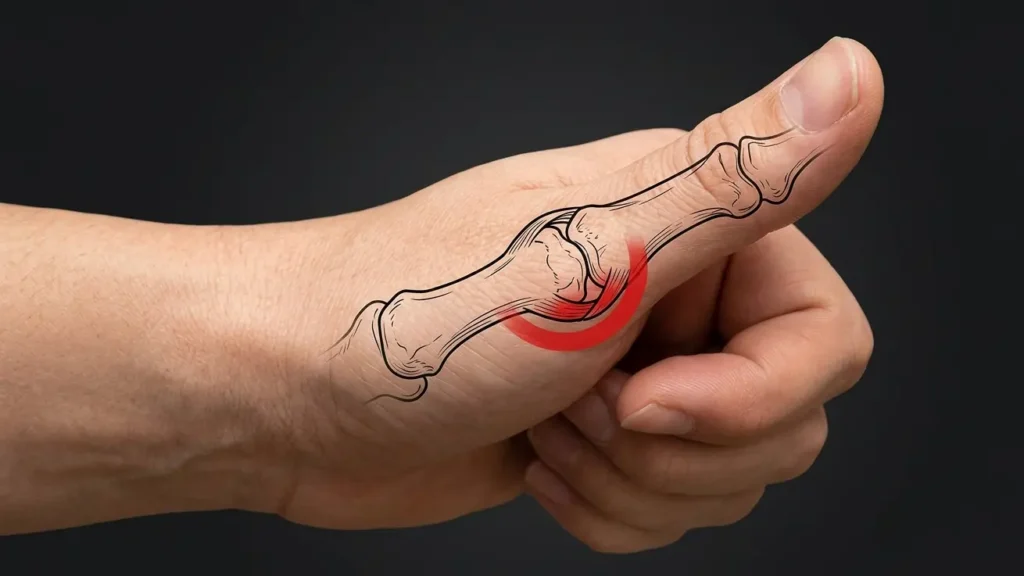
Skier’s thumb is an injury to the Ulnar Collateral Ligament (UCL) located at the base of the thumb on the side near the index finger. This ligament acts as a stabilizer, allowing the thumb to act as a firm post for pinching and gripping. When this ligament is stretched or torn, the thumb becomes unstable, making simple tasks like turning a key or buttoning a shirt nearly impossible.
While often associated with sports, the condition is technically a form of chronic or acute instability. Historically, a similar condition was called “Gamekeeper’s Thumb,” referring to a chronic stretching of the ligament over time. Today, however, most cases seen in clinics are acute injuries resulting from sudden trauma.
Skier’s Thumb Causes: How Does It Happen?
The primary cause of this injury is hyperabduction, a fancy way of saying the thumb is violently pulled away from the palm.
- Sports Injuries: As the name suggests, it often happens to skiers who fall while holding a ski pole, forcing the thumb back.
- Ball Sports: In Dubai’s active community, we frequently see this in padel, basketball, or football players where a ball strikes the tip of the thumb.
- Falls: Simply tripping and landing on an outstretched hand with the thumb spread wide can cause the UCL to rupture.
- Skier’s Thumb Avulsion Fracture: In severe cases, the force is so strong that the ligament doesn’t just tear; it actually pulls a small piece of bone away from the base of the thumb. This is known as an avulsion fracture and requires specialized orthopedic attention.
Read also about mallet finger vs trigger finger and the most important differences.
First Aid After a Thumb Injury
If you suspect you have a ligament tear, the first 48 hours are critical. Immediate “RICE” therapy can prevent further damage before you see a specialist for skier’s thumb treatment in Dubai.
- Rest: Stop any activity that involves gripping or pinching.
- Ice: Apply ice packs for 15 minutes every few hours to reduce swelling.
- Compression: Use a light bandage to support the joint, but ensure it isn’t so tight that it cuts off circulation.
- Elevation: Keep your hand elevated above the level of your heart.
- Splinting: If possible, use a makeshift splint to keep the thumb still until you reach a clinic.
Recognizing Skier’s Thumb Symptoms
How do you distinguish a simple sprain from a serious UCL tear? Look for these specific Skier’s thumb symptoms:
- Pain at the Base: Intense pain at the “web space” between the thumb and index finger.
- Swelling and Bruising: Significant discoloration and inflammation around the knuckle at the base of the thumb.
- Weakness: An inability to pinch your thumb and index finger together (e.g., trying to pick up a coin).
- Instability: A feeling that the thumb is “loose” or “floppy” when you try to move it.
- Lump Formation: In some cases, a small palpable bump may be felt, which could indicate a “Stener Lesion”, where the torn ligament is trapped under a nearby tendon, preventing it from healing on its own.
Read more about the top hand specialist in Dubai for hand surgeries & treatments.
The Path to Skier’s Thumb Diagnosis
A professional skier’s thumb diagnosis begins with a physical examination. A hand surgeon will perform a “stress test” on the ligament, gently moving the thumb outward to check for laxity or a lack of a firm “end-point.”
To confirm the severity, the following imaging may be required:
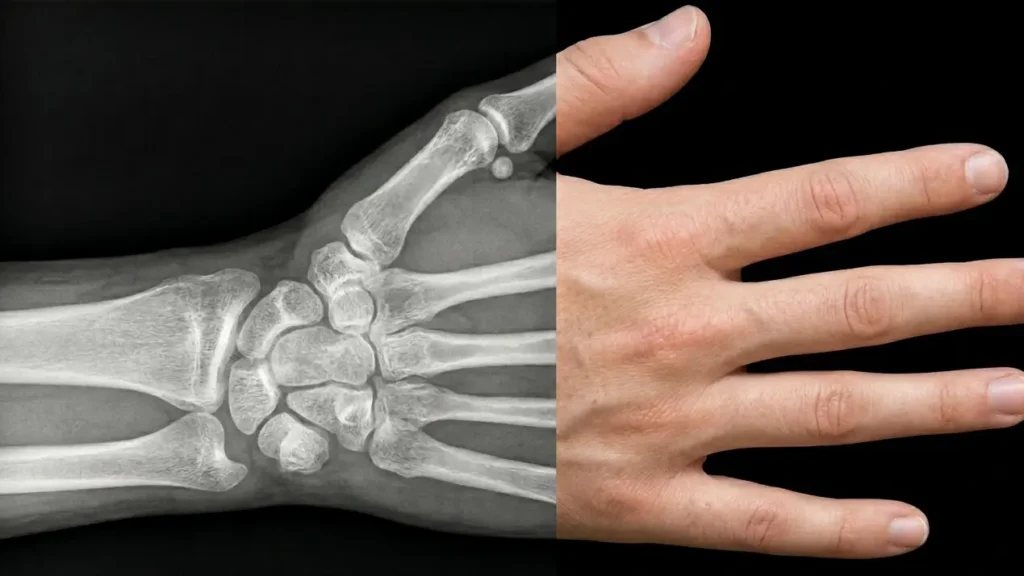
- X-rays: Essential to rule out a skier’s thumb avulsion fracture.
- Ultrasound or MRI: These are used to visualize the soft tissue. For professionals like Dr. Mohamed Ali, an MRI is often the gold standard to determine if the tear is partial or complete, which dictates the treatment protocol.
Skier’s Thumb Treatment: Non-Surgical vs. Surgical
The skier’s thumb treatment protocol depends entirely on the grade of the tear.
Conservative Treatment (Partial Tears)
If the ligament is only partially torn and the joint remains stable, non-surgical methods are highly effective:
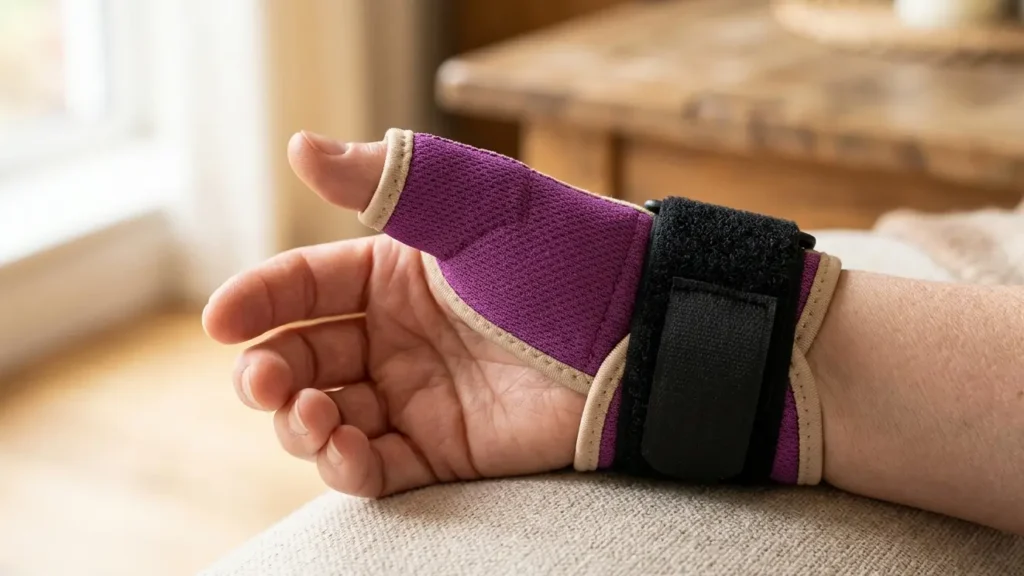
- Immobilization: You will likely wear a thumb spica cast or a custom-molded brace for skier’s thumb for 4 to 6 weeks. This keeps the ligament ends in contact so they can knit back together.
- Activity Modification: Avoiding any “grasping” motions is vital during this phase.
When Surgery is Required (Complete Tears)
If the ligament is completely ruptured or a Stener Lesion is present, surgery is the only way to restore function. Skier’s thumb surgery in Dubai typically involves:
- Ligament Repair: Reattaching the ligament to the bone using tiny “suture anchors.”
- Bone Fixation: If a fracture is present, the surgeon will secure the bone fragment back into place.
The goal of surgery is to prevent chronic instability and long-term arthritis. If you are looking for the best hand surgeon in Dubai, it is crucial to find someone who specializes in these delicate microsurgical techniques.
Read more about Dr. Mohamed Ali, the best hand surgeon in Dubai.
Skier’s Thumb Recovery Time and Physical Therapy
The skiers thumb recovery time varies. For non-surgical cases, you might return to full activity in 8–12 weeks. For surgical cases, the timeline may extend to 3–4 months.
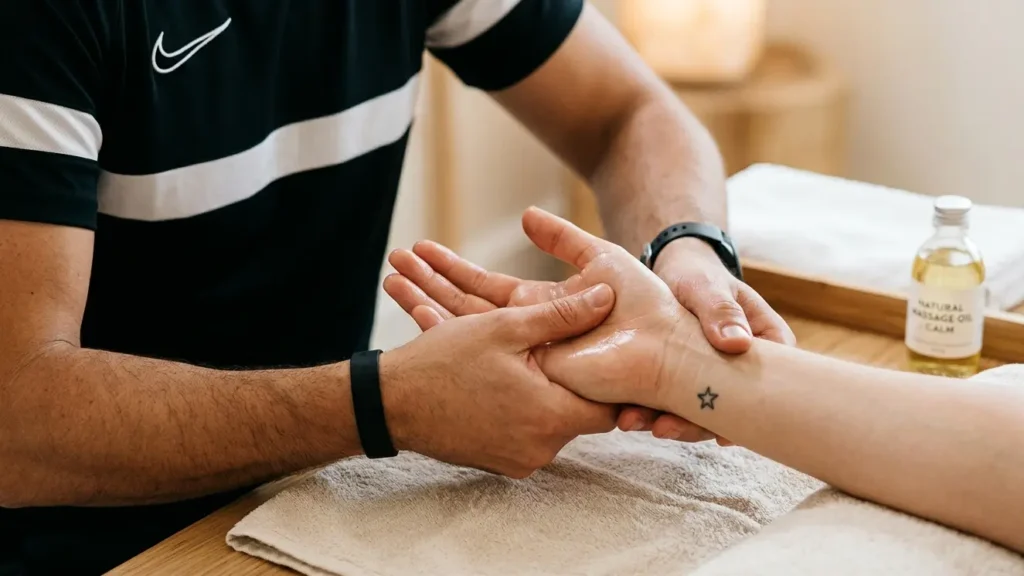
Skier’s thumb physical therapy is the bridge between healing and returning to sports. A therapist will guide you through specific skier’s thumb exercises designed to:
- Restore range of motion.
- Strengthen the “pinch” grip.
- Desensitize the scar tissue.
Note!
Never start exercises until your doctor confirms the ligament has reached sufficient tensile strength.
Complications of an Untreated Skier’s Thumb
What happens if a skier’s thumb goes untreated? Ignoring the pain can lead to:
- Chronic Instability: Your thumb will always feel “weak,” making it difficult to perform manual tasks.
- Early-Onset Osteoarthritis: Because the joint is no longer aligned correctly, the cartilage wears down faster.
- Deformity: The thumb may eventually take on a curved or weakened appearance that is much harder to fix years later.
Prevention: Protecting Your Hands
While accidents happen, you can reduce your risk:
- Discard Ski Pole Straps: When skiing, avoid using the loops on your poles; this allows you to drop the pole easily during a fall.
- Use Proper Equipment: In sports like padel or MMA, ensure your grip technique and protective gear are optimized.
- Strengthening: Keeping the intrinsic muscles of the hand strong can provide better dynamic stability to the joints.
Choosing the Best Hand Surgeon in Dubai
When dealing with a complex joint like the thumb, you shouldn’t settle for general care. You need a specialist who understands the nuances of hand anatomy. Dr. Mohamed Ali is widely recognized as a leading expert in hand and upper limb surgery, offering advanced solutions for everything from trigger finger to complex ligament reconstructions.
With a focus on patient-centered care and the latest surgical technology, Dr. Mohamed Ali ensures that patients in Dubai receive a customized recovery plan that gets them back to their professional and active lives as quickly as possible.
Don’t let a thumb injury hold you back from the activities you love. If you are experiencing pain, swelling, or weakness in your thumb, seek expert advice immediately. Contact Dr. Mohamed Ali today to schedule a consultation and discover the most advanced options for skier’s thumb treatment in Dubai.
FAQs about skier's thumb treatment
How to tell if you have skier's thumb?
If you have significant pain and swelling at the base of your thumb following a fall, and you find it difficult to pinch your thumb against your fingers, you likely have a UCL injury. A physical “stress test” by an orthopedic surgeon is the most reliable way to tell.
Does Skier's thumb ever heal?
Yes, with proper treatment. Partial tears usually heal with immobilization in a splint. However, complete tears often require surgery because the ligament ends can be too far apart to heal naturally.
What does skier's thumb look like?
Visually, the area at the base of the thumb (the web space) will look bruised and swollen. In some cases, the thumb may sit at an awkward angle, leaning away from the rest of the hand.
What kind of doctor treats skier's thumb?
You should see an orthopedic surgeon, specifically one who specializes in hand surgery in Dubai. They have the specific training required to handle the delicate nerves and ligaments of the hand.
What is the best brace for skier's thumb?
A “Thumb Spica” splint is generally considered the best. It immobilizes the MCP joint (the base knuckle) while allowing your other fingers to move freely.
Final thoughts on skier's thumb treatment
A thumb injury is more than just a nuisance; it’s a threat to your manual dexterity and long-term joint health. From understanding skier’s thumb symptoms to navigating the complexities of a skier’s thumb avulsion fracture, being proactive is key. By seeking early intervention and choosing a specialist like Dr. Mohamed Ali, you ensure that your “pinch power” is restored and your risk of future arthritis is minimized. Whether through specialized skier’s thumb exercises or precision surgery, a full recovery is within reach.