If you have ever woken up to find your finger stuck in a bent position or noticed a firm, painless lump in your palm, you need to know the differences between these two conditions (Dupuytren’s contracture vs trigger finger) to determine which one you are suffering from.
For many residents in Dubai, the fast-paced lifestyle and professional demands mean that hand mobility is non-negotiable. Whether you are typing in a corporate office in DIFC or engaging in active sports, hand pain and stiffness can significantly impact your quality of life. While both conditions can cause your fingers to curl toward your palm, they are fundamentally different in their causes, symptoms, and treatments.
Understanding the nuances of these conditions is the first step toward recovery. In this guide, we will explore the differences, the potential connections between the two, and the advanced treatment options available through the expertise of Dr. Mohamed Ali.
What are Dupuytren’s Contracture and Trigger Finger?
To distinguish between the two, we must first look at the anatomy involved.
Trigger Finger (Stenosing Tenosynovitis)
This is essentially an inflammation problem. Each of your fingers has tendons that slide through a protective tunnel called a sheath. When the tendon or the opening of the sheath becomes inflamed or thickened, the tendon can no longer glide smoothly. It “catches” or “snaps,” much like a trigger being pulled and released.
Dupuytren’s Contracture
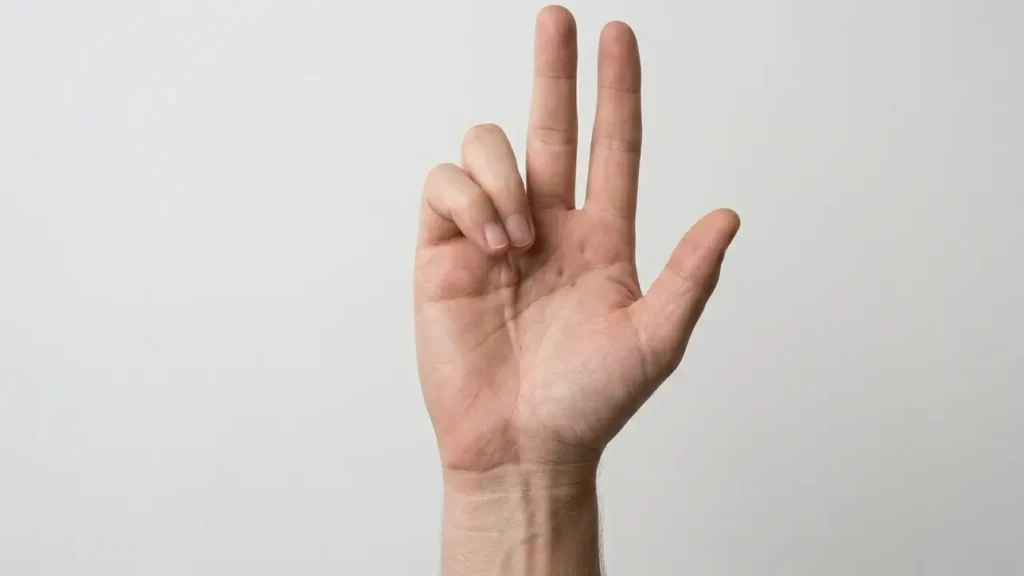
Unlike trigger finger, Dupuytren’s is not an inflammatory condition of the tendon. Instead, it affects the palmar fascia—the layer of tissue just beneath the skin of your palm. In patients with Dupuytren’s, this tissue begins to thicken and eventually forms tough “cords.” Over time, these cords pull the fingers (usually the ring and pinky) into a permanently bent position.
Key Differences Between Trigger Finger vs Dupuytren’s Contracture
While they may look similar at a glance, the mechanical failure in the hand is different for each.
- The Mechanism:
Trigger finger is a “gliding” issue where the tendon gets stuck. Dupuytren’s is a “tethering” issue where the skin and underlying tissue physically pull the finger down. - The Sensation:
Trigger finger is often associated with a painful “pop” or “click” when moving the finger. Dupuytren’s is typically painless in its later stages, though the initial nodules in the palm may be tender. - The Fingers Affected:
Trigger finger most commonly affects the thumb, middle, or ring finger. Dupuytren’s most frequently targets the ring and little fingers. - Reversibility:
You can often manually straighten a “triggered” finger (though it may be painful). In advanced Dupuytren’s, the finger is physically locked and cannot be straightened even with external force.
Read also about trigger finger treatment and the non-surgical & surgical options.
How Do I Tell Dupuytren's Contracture vs Trigger Finger?
If you are trying to identify which condition you have, perform these simple observations:
- The Tabletop Test: Place your hand flat on a table. If you can flatten your palm and fingers completely, you likely do not have Dupuytren’s contracture. If your fingers remain arched and you cannot flatten them, this is a classic sign of Dupuytren’s.
- The “Snap” Factor: When you try to extend your finger, does it suddenly “jump” or “click” into place? That is the hallmark of trigger finger.
- The Feel of the Palm: Feel the base of your finger. A small, tender bump that moves when you move your finger is usually a trigger finger nodule. A firm, stationary cord that feels like a thick string under the skin is indicative of Dupuytren’s.
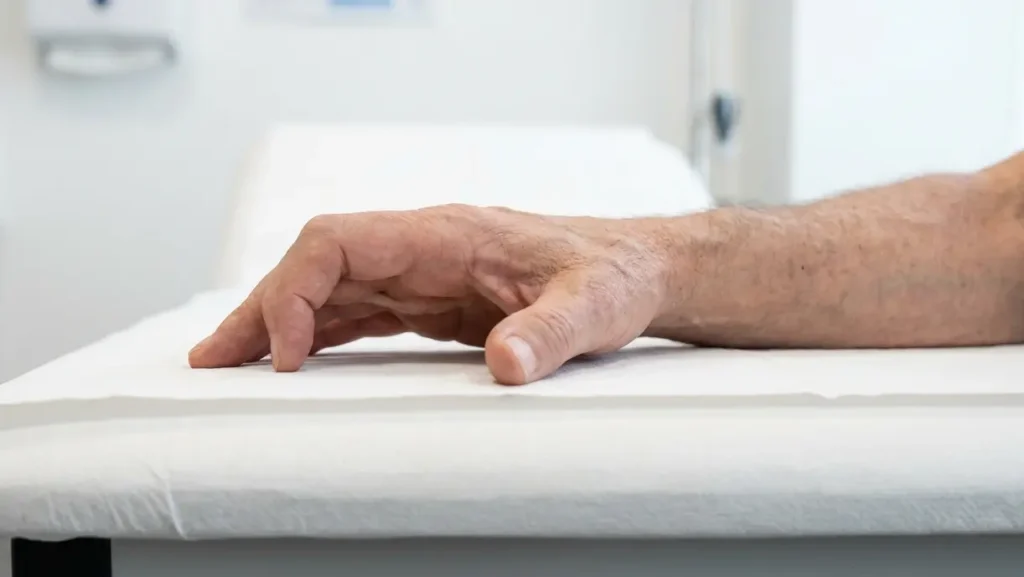
The Connection Between Dupuytren's Contracture and Trigger Finger
Interestingly, these two conditions are not mutually exclusive. Medical research, including studies from the NIH, suggests a biological overlap.
Dupuytren Contracture After Trigger Finger Surgery
Some patients in Dubai have reported developing symptoms of Dupuytren contracture after trigger finger surgery. While the surgery for trigger finger is highly successful, the localized trauma or the body’s natural healing response can sometimes trigger the thickening of the palmar fascia in individuals who are genetically predisposed to Dupuytren’s.
Furthermore, statistics show that individuals with Dupuytren’s have a higher-than-average likelihood of developing trigger finger. Both conditions involve the palm’s connective tissues, and systemic factors like diabetes can contribute to both simultaneously.
Dupuytren’s Contracture vs Trigger Finger: Causes and Risk Factors
Why do these conditions develop? The reasons vary significantly between the two.
Causes of Trigger Finger
- Repetitive Motion: Frequent gripping or forceful use of the fingers.
- Health Conditions: Diabetes and rheumatoid arthritis are major contributors.
- Gender: It is more common in women than men.
Causes of Dupuytren’s Contracture
- Genetics: Often referred to as the “Viking Disease,” it has a strong hereditary link, particularly in those of Northern European descent.
- Age and Gender: Most common in men over the age of 50.
- Lifestyle Factors: Smoking and high alcohol consumption have been linked to an increased risk of progression.
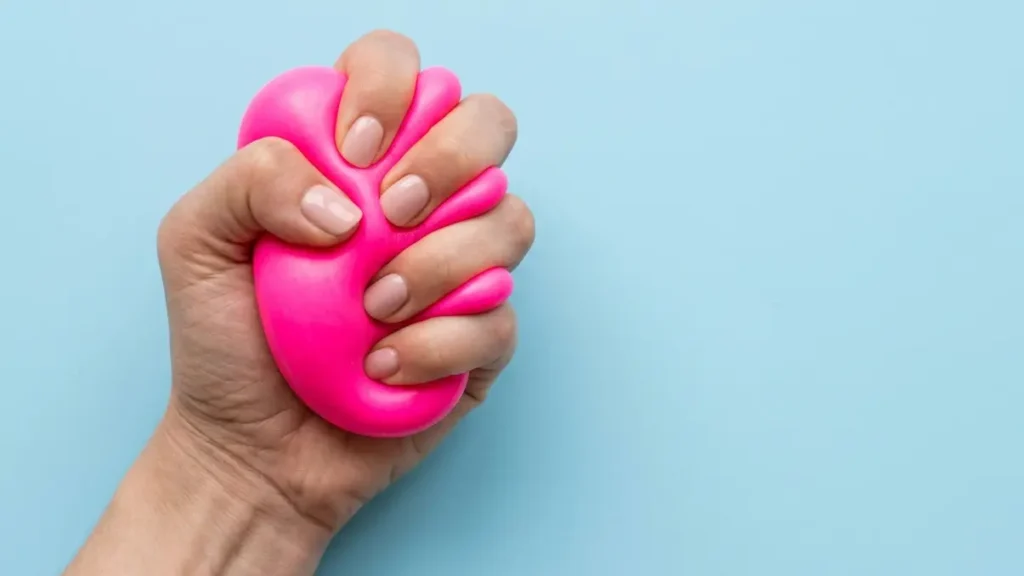
Symptoms to Watch For
Recognizing the symptoms early allows for less invasive treatments.
Trigger Finger Symptoms:
- Lingering soreness at the base of the finger.
- A painful clicking or snapping sensation during movement.
- Stiffness, especially in the morning.
- The finger locking in a bent position, then suddenly popping straight.
Dupuytren’s Symptoms:
- One or more small, hard lumps (nodules) in the palm.
- The skin on the palm appearing puckered or dimpled.
- The formation of a thick cord extending from the palm to the finger.
- Gradual inability to fully extend the fingers, impacting tasks like shaking hands or putting on gloves.
Diagnosing Your Condition
In Dubai, a clinical diagnosis is the gold standard. Dr. Mohamed Ali utilizes a combination of physical examinations and patient history to determine the exact nature of the hand problem.
Generally, imaging like X-rays or MRIs is not required for these conditions. A specialist can diagnose both through a “touch and move” assessment—feeling for nodules, checking the range of motion, and observing the characteristic “triggering” or “tethering” of the digits.
Read also about the top hand specialist in Dubai for hand surgeries & treatments.
Dupuytren’s Contracture vs Trigger Finger Treatment
Treatment pathways range from simple home care to advanced plastic surgery techniques.
Trigger Finger Treatment Options
- Trigger Finger Splint: Wearing a splint at night keeps the finger in an extended position, allowing the tendon sheath to rest and inflammation to subside.
- Trigger Finger Exercises: Gentle stretching and “tendon gliding” exercises can help maintain mobility.
- Corticosteroid Injections: Often the first line of medical defense, these injections reduce swelling around the tendon.
- Trigger Finger Surgery: If conservative methods fail, a minor procedure called “trigger finger release” is performed. The surgeon makes a small incision to open the tight sheath, allowing the tendon to slide freely again.
Dupuytren’s Contracture Treatment Options
- Needle Aponeurotomy: A minimally invasive technique where a needle is used to break the tension of the cords in the palm.
- Enzyme Injections: Specialized enzymes are injected to dissolve the thickened tissue, followed by a manipulation session to “snap” the cord.
- Fasciectomy: This is a more definitive surgical approach where the diseased tissue is removed. This requires a high level of precision, often falling under the expertise of a hand and plastic surgery specialist.
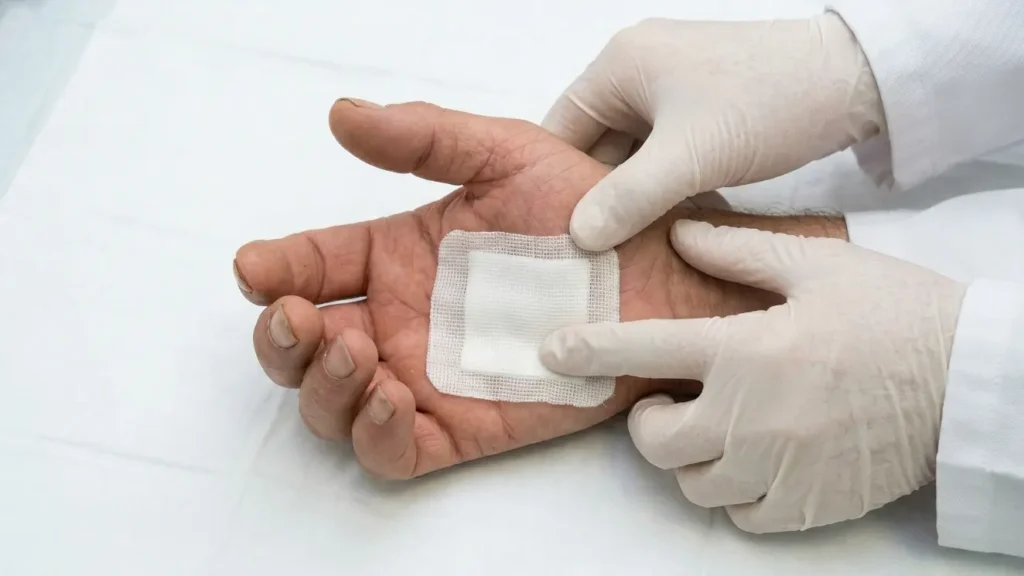
When Should You See a Doctor?
You should seek a professional consultation if:
- Your finger is permanently locked in a bent position.
- The pain in your palm interferes with your daily work or sleep.
- You notice a rapidly growing lump in your hand.
- Home remedies like rest and over-the-counter anti-inflammatories provide no relief.
In Dubai, early intervention is key to avoiding permanent joint stiffness.
Why Choose Dr. Mohamed Ali for Your Hand Surgery?
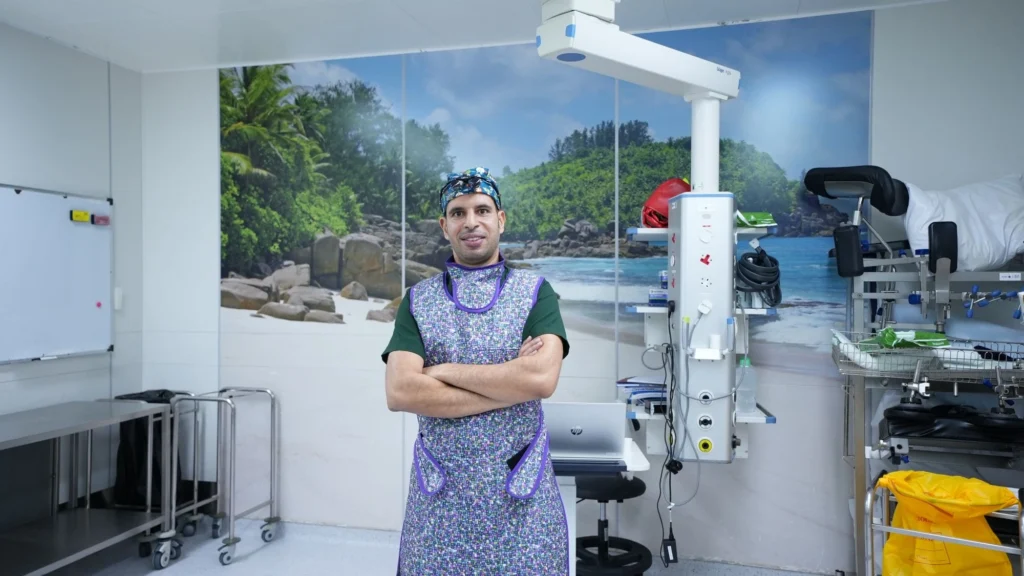
When dealing with the intricate structures of the hand, the choice of surgeon is your most important decision. Dr. Mohamed Ali is a renowned expert in orthopedic hand surgery, offering a blend of technical precision and empathetic care.
Advantages of booking with Dr. Mohamed Ali:
- Specialized Expertise: Deep experience in both microsurgery for trigger finger and complex tissue reconstruction for Dupuytren’s.
- Minimally Invasive Focus: Prioritizing techniques that offer faster recovery times and minimal scarring.
- Tailored Recovery Plans: Each patient receives a customized post-operative rehabilitation program, including specialized exercises and splinting.
- Dubai-Based Excellence: Convenient access to world-class orthopedic facilities right here in the city.
Don’t let hand pain limit your potential!
Whether you require a simple injection or advanced trigger finger surgery, Dr. Mohamed Ali provides the solution you need to regain full function of your hands. Contact Dr. Mohamed Ali Today to Schedule Your Consultation.
FAQs about dupuytren's contracture vs trigger finger
What's the difference between trigger finger and Dupuytren's?
Trigger finger is a mechanical issue where a tendon gets stuck in its sheath due to inflammation, causing a “snapping” motion. Dupuytren’s is a condition where the tissue under the skin thickens into cords, physically pulling the finger downward.
Can trigger finger turn into Dupuytren's contracture?
No, one does not biologically “turn into” the other. However, they can coexist, and the trauma of surgery for one condition can sometimes trigger the onset of the other in predisposed individuals.
What can be confused with Dupuytren's contracture?
Besides trigger finger, Dupuytren’s is sometimes confused with ganglion cysts, palmar calluses, or ulnar nerve palsy (which also causes a “claw hand” appearance).
Can a trigger finger go away on its own?
While mild cases may improve with rest and trigger finger exercises, moderate to severe cases usually require medical intervention, such as splinting, injections, or surgery.
Can you get it in both hands at once?
Yes, both trigger finger and Dupuytren’s contracture are frequently “bilateral,” meaning they can affect both the left and right hands simultaneously or sequentially.
Final thoughts on dupuytren's contracture vs trigger finger
Distinguishing between dupuytren’s contracture vs trigger finger is essential for receiving the correct treatment. While trigger finger often responds well to non-surgical methods like splints or injections, Dupuytren’s may require more specialized tissue management.
If you are experiencing stiffness, locking, or unusual lumps in your palm, expert help is available. Dr. Mohamed Ali specializes in restoring hand health, ensuring that patients in Dubai can return to their daily activities without pain or restriction. By combining advanced surgical techniques with a patient-centered approach, Dr. Mohamed Ali stands as the premier choice for hand and orthopedic care.
References
- American Academy of Orthopaedic Surgeons (AAOS): OrthoInfo – Trigger Finger
- National Institutes of Health (NIH): Dupuytren’s Disease Research and Clinical Data