Finding a mysterious lump on your wrist can be a source of immediate concern. Whether it appeared overnight or grew gradually over several months, a ganglion cyst can interfere with your daily life, making simple tasks like typing, lifting, or even shaking hands a painful ordeal.
If you are searching for ganglion wrist surgery in Dubai, you aren’t just looking for a procedure; you are looking for a return to your active lifestyle. Fortunately, modern orthopedic advancements mean that removing these cysts is safer and more effective than ever. In this comprehensive guide, we will explore everything from the initial diagnosis to recovery, helping you understand why seeking expert care from a specialized hand surgeon in Dubai like Dr. Mohamed Ali is the best path to permanent relief.
What is a Ganglion Cyst?
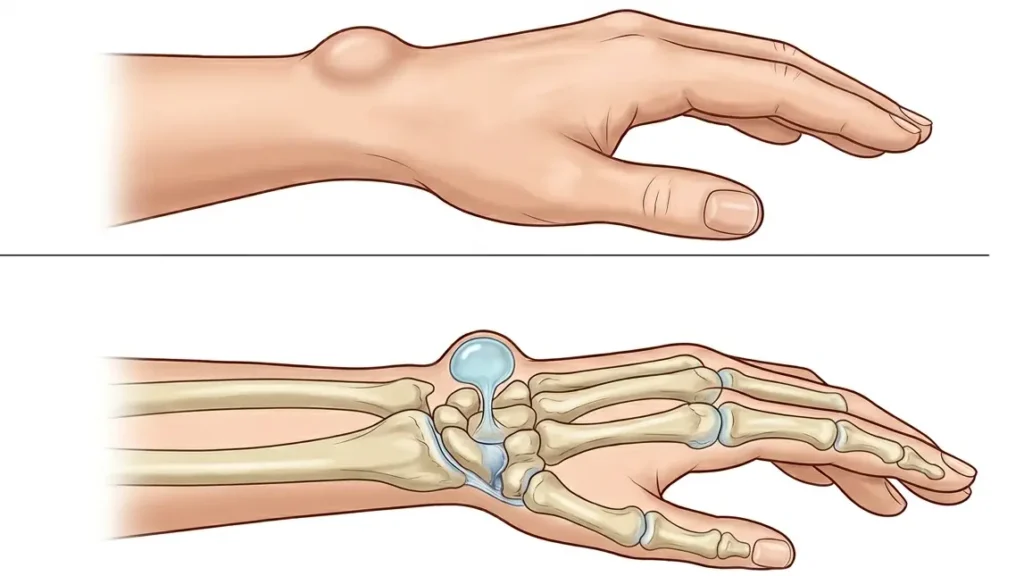
A ganglion cyst is a non-cancerous, fluid-filled sac that typically develops along the tendons or joints of your wrists or hands. Imagine a small water balloon on a stalk; it rises out of the joint tissues, such as ligaments, tendon sheaths, and joint linings.
Inside the cyst is a thick, sticky, clear, and jelly-like synovial fluid, the same fluid that lubricates your joints. While they are not malignant (cancerous), they can be incredibly uncomfortable if they press on a nearby nerve.
Key Characteristics:
- Location: Most commonly found on the back of the wrist (dorsal ganglion).
- Size: They can range from the size of a pea to an inch in diameter.
- Consistency: They can feel firm or spongy depending on the pressure of the fluid inside.
How Common Are Ganglia?
Ganglion cysts are among the most common benign soft-tissue masses found in the hand and wrist. Statistics suggest they account for nearly 60% to 70% of all soft-tissue swellings in the hand. While they can affect anyone, they are most frequently seen in active individuals who put repetitive strain on their wrist joints.
What Triggers Ganglion Cysts?
While the exact cause of a ganglion cyst remains a subject of medical discussion, most experts believe they are caused by a “one-way valve” mechanism. Common Triggers Include:
- Joint or Tendon Irritation: Micro-trauma to the joint capsule or tendon sheath can cause fluid to leak out and form a sac.
- Repetitive Strain: Activities that involve frequent wrist movement (common in athletes or office workers in Dubai) can aggravate the area.
- Injury: A specific past injury or “hidden” trauma to the wrist often precedes the appearance of a lump.
- Degenerative Changes: In older adults, osteoarthritis in the finger joints can trigger the formation of “mucous cysts,” a type of ganglion.
Read also about swelling after wrist surgery and what’s normal & when to worry.
Who Gets Ganglion Cysts?
While anyone can develop a ganglion, certain demographics are at higher risk:
- Gender: They are three times more common in women than in men.
- Age: They most frequently occur in people between the ages of 20 and 40.
- Athletes: Gymnasts, weightlifters, and tennis players are prone to them due to the high stress placed on the wrist.
- Chronic Conditions: People with wear-and-tear arthritis in the finger joints (Bouchard’s nodes) are more likely to develop these cysts near the fingertips.

How Do I Get Rid of My Ganglion Cyst? (Treatment Options)
The first thing to know is that many ganglion cysts disappear on their own without any treatment. However, if the cyst is painful, limits your range of motion, or is aesthetically displeasing, several options exist:
- Observation
If the cyst doesn’t hurt, Dr. Mohamed Ali may recommend simply watching it to see if it changes. - Immobilization
Activity often makes a ganglion grow larger. A wrist brace or splint may be used to limit movement, allowing the cyst to shrink. - Ganglion Cyst Aspiration
This is often the first line of active treatment. It involves ganglion cyst removal by needle. The area is numbed, and the fluid is drained. While this is a quick, non-surgical “ganglion cyst removal,” the recurrence rate is higher (about 50%) because the “root” or stalk of the cyst is not removed. - Ganglion Wrist Surgery (Excision)
If non-surgical methods fail, ganglion wrist surgery is the gold standard. This involves an outpatient procedure where the surgeon removes the cyst as well as the stalk that attaches it to the joint or tendon sheath.
Read also about the top hand specialist in Dubai for hand surgeries & treatments.
When Does a Ganglion Cyst Need Surgery?
Surgery is usually recommended when:
- Non-surgical treatments like ganglion cyst aspiration have failed, and the cyst has returned.
- The cyst is causing significant pain or numbness (nerve compression).
- The lump interferes with your ability to perform your job or sports.
- The ganglion cyst surgery cost is outweighed by the need for a permanent solution and improved quality of life.
What is the Recovery Time for Wrist Ganglion Surgery?
Understanding the ganglion cyst surgery recovery time wrist is crucial for planning your life in a busy city like Dubai.
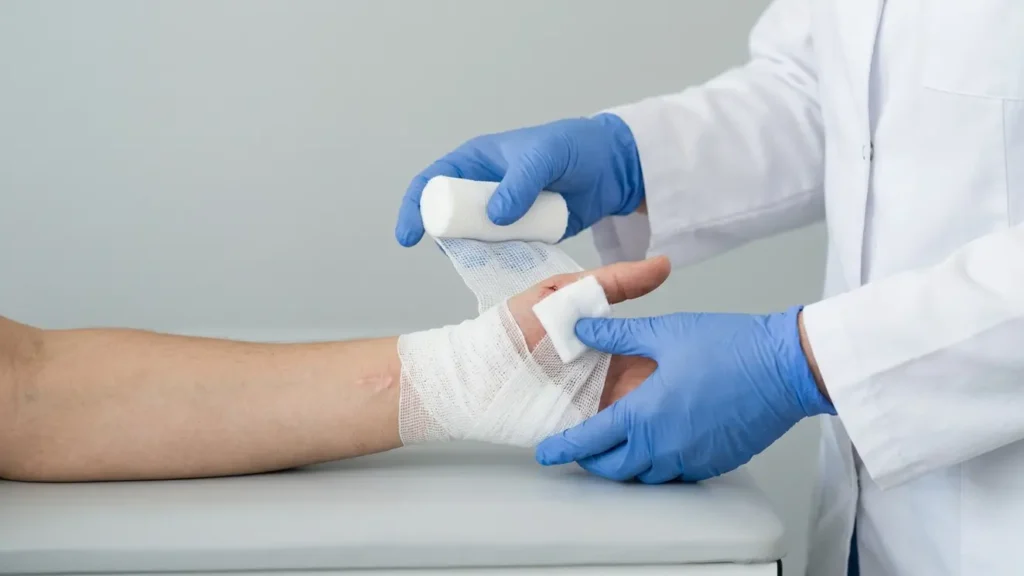
- Immediate Post-Op: You will go home the same day with a bandage or a splint.
- Days 1-3: You may experience some swelling after wrist surgery. Keeping your hand elevated above your heart is essential.
- Weeks 1-2: Stitches are typically removed. Most patients can return to light office work.
- Weeks 4-6: Most patients regain full wrist function. Ganglion cyst surgery recovery time for heavy lifting or high-impact sports may take up to 6-8 weeks.
What to Avoid After Ganglion Cyst Surgery?
To ensure a smooth recovery and minimize the appearance of a wrist surgery scar, avoid the following:
- Submerging the wound: Do not soak your hand in water (pools, baths) until the stitches are removed.
- Heavy Lifting: Avoid carrying heavy bags or performing gym exercises that strain the wrist for at least 4 weeks.
- Neglecting Physical Therapy: Skipping your prescribed exercises can lead to stiffness.
- Smoking: Nicotine constricts blood vessels and can significantly delay the healing of the surgical site.
Read also about Dr. Mohamed Ali, the best hand surgeon in Dubai.
How to Strengthen the Wrist After Ganglion Cyst Surgery?
Once Dr. Mohamed Ali clears you for activity, strengthening is key to preventing recurrence:
- Range of Motion Exercises: Gentle wrist flexions and extensions.
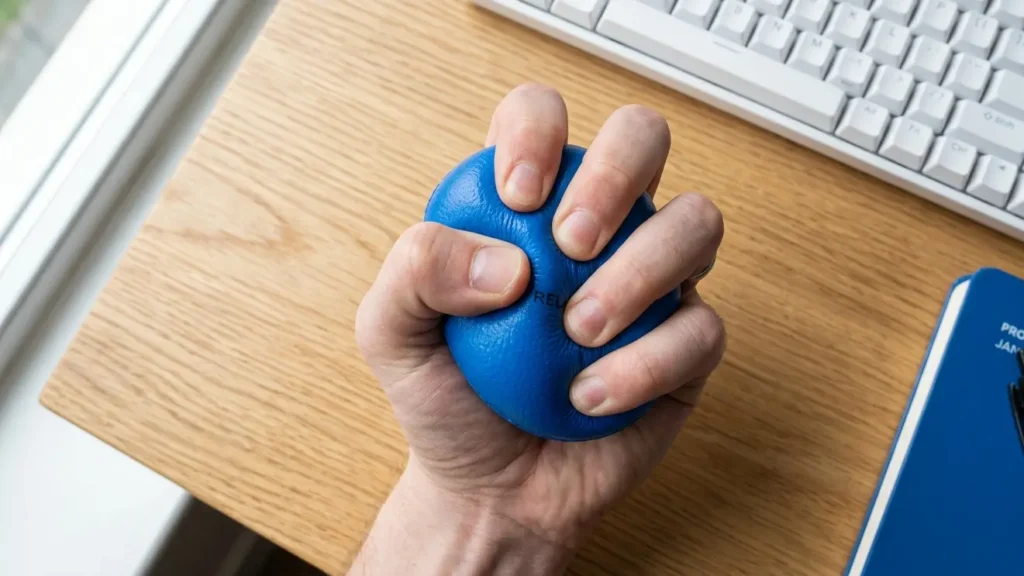
- Grip Strengthening: Using a soft stress ball to regain muscle tone in the hand.
- Tendon Glides: Specific finger movements that ensure the tendons move smoothly through the wrist.
- Proprioception: Balancing exercises for the hand to regain coordination.
What Happens if a Ganglion Cyst is Left Untreated? (Complications)
While not life-threatening, ignoring a symptomatic cyst can lead to:
- Chronic Pain: Constant pressure on nerves can lead to permanent discomfort.
- Loss of Grip Strength: The pain may prevent you from holding objects securely.
- Reduced Range of Motion: Over time, the joint can become stiff.
- Nail Deformities: If the cyst is near the fingernail, it can cause permanent grooves or ridges in the nail.
Expert Care with Dr. Mohamed Ali
When dealing with delicate structures like the nerves and tendons of the hand, expertise matters. Dr. Mohamed Ali is recognized as a leading hand surgeon in Dubai, offering specialized care for conditions ranging from ganglion wrist surgery to trigger finger and carpal tunnel syndrome.
By combining advanced surgical techniques with a patient-centered approach, Dr. Mohamed Ali ensures that your journey from diagnosis to recovery is seamless, helping you return to the activities you love without the burden of pain.
Book Your Consultation Today
Don’t let wrist pain hold you back. If you are concerned about a lump or are considering ganglion cyst removal, contact Dr. Mohamed Ali today to discuss your treatment options and get an accurate estimate of the ganglion cyst surgery cost.
FAQs about ganglion wrist surgery
How do you tell if a lump is a ganglion cyst?
A doctor often uses a “transillumination” test, where a light is held against the lump. Because ganglion cysts are filled with clear fluid, light will pass through them. Additionally, their location near joints and their tendency to change size with activity are strong indicators.
Is ganglion removal painful?
The procedure itself is performed under local or general anesthesia, so you won’t feel pain. Post-surgery, there is mild discomfort and swelling after wrist surgery, which is easily managed with prescribed pain relief and elevation.
What happens if I don't remove a ganglion cyst?
In many cases, nothing. Some disappear on their own. However, if it’s pressing on a nerve, it can cause persistent pain, tingling, or muscle weakness. It won’t turn into cancer, but it can limit your hand’s functionality.
Should I wear a wrist brace for a ganglion cyst?
Yes, a brace can help by limiting the movement that causes the cyst to increase in size. This is often the first step in non-surgical treatment recommended by a hand surgeon in Dubai.
Can ganglion cysts be prevented?
There is no guaranteed way to prevent them, as the exact cause isn’t always clear. However, using ergonomic equipment at work and avoiding repetitive high-strain wrist movements can reduce the likelihood of triggers.
Final thoughts on ganglion wrist surgery
A ganglion cyst might seem like a minor annoyance, but for many in Dubai’s fast-paced environment, it can become a significant barrier to productivity and health. Whether you opt for ganglion cyst aspiration or require definitive ganglion wrist surgery, the goal is the same: a pain-free, fully functional hand.
By trusting your care to Dr. Mohamed Ali, you are choosing a path of precision and empathy. From minimizing your wrist surgery scar to ensuring the fastest ganglion cyst surgery recovery time, expert intervention makes all the difference. Take the first step toward healing today and reclaim the strength in your hands.