

The ability to use our hands without pain is something many of us take for granted, until a finger suddenly catches, clicks, or gets stuck in a bent position. In a bustling city like Dubai, where professional demands and active lifestyles are the norms, hand health is paramount. If you are experiencing stiffness or a “locking” sensation in your digits, you may be dealing with stenosing tenosynovitis. Understanding how to prevent trigger finger is the first step toward avoiding long-term complications and regaining your quality of life.
Understanding the Anatomy of the Finger
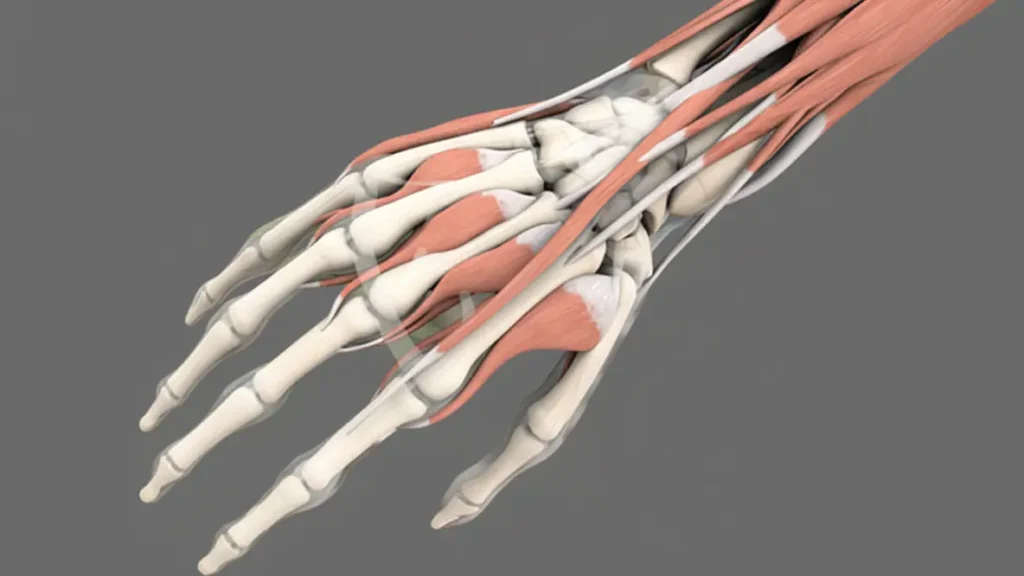
To understand how to prevent trigger finger from happening, we must first look at the intricate mechanics of the human hand. Your fingers move through a system of muscles, tendons, and ligaments.
- Tendons: These are tough cords of tissue that connect muscles to bone. When you contract your forearm muscles, the tendons pull on the finger bones, causing them to bend.
- The Sheath: To keep tendons in place and allow them to glide smoothly, they pass through a protective tunnel called the tendon sheath.
- Pulleys: Within the sheath are small bands of ligament called pulleys. The A1 pulley, located at the base of the finger near the palm, is the most common site for trigger finger issues.
When the tendon becomes inflamed or develops a small nodule, it can no longer glide freely through the pulley. This creates the characteristic “snap” or “triggering” effect.
What is Trigger Finger?
Trigger finger is a condition where one of your fingers or your thumb gets stuck in a bent position. It may snap straight with a sharp pop, much like a trigger being pulled and released. In severe cases, the finger may remain locked in a bent position, requiring the other hand to manually straighten it. While it can affect any digit, it most commonly impacts the thumb (trigger thumb) or the ring finger.
Common Symptoms to Watch For
The symptoms of trigger finger often start mildly and progress over time. You might notice:
- Clicking Fingers: A popping or snapping sensation when moving the finger.
- Morning Stiffness: Difficulty straightening the finger specifically how to prevent trigger finger in the morning often starts with addressing this early-day rigidity.
- Tenderness or a Bump: A small, painful nodule at the base of the finger in the palm.
- Bent Pinky Fingers: While less common than the thumb or ring finger, a bent pinky finger can occur if the condition is left untreated.
- Locking: The finger suddenly locking in a bent position, which then snaps straight.
What is the Main Cause of Trigger Finger?
While the exact cause isn’t always clear, the condition is primarily rooted in repetitive strain or forceful use of the fingers and thumb. When the tendon is repeatedly stressed, the protective sheath becomes irritated and thickened. This narrowing of the “tunnel” makes it difficult for the tendon to pass through, leading to inflammation and the eventual “triggering” mechanism.
Identifying Risk Factors
Certain individuals are more prone to developing this condition:
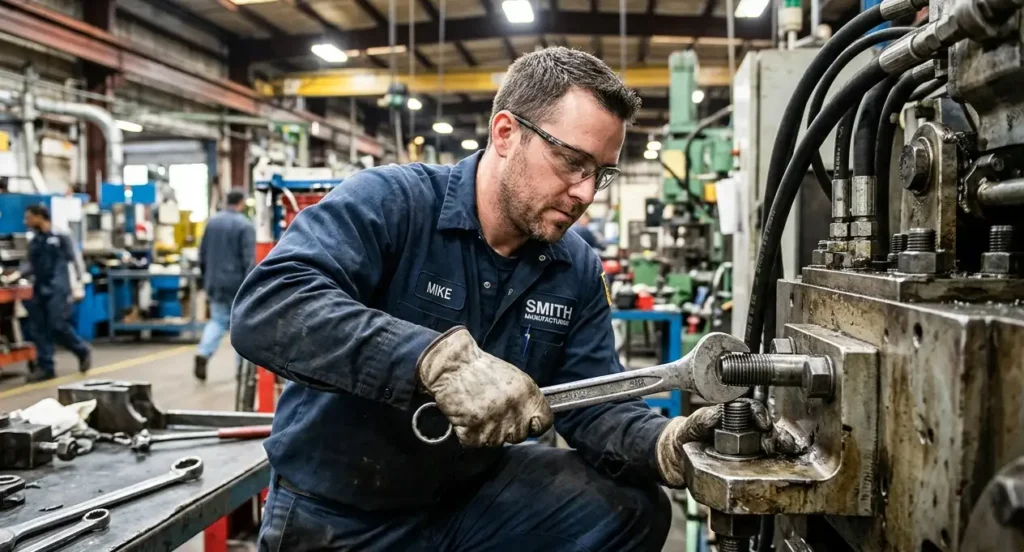
- Repetitive Gripping: Occupations or hobbies that require repeated gripping (like power tool use or gardening).
- Health Conditions: People with diabetes or rheumatoid arthritis have a higher risk.
- Gender: It is more common in women than men.
- Age: It most frequently occurs in individuals between the ages of 40 and 60.
How to Prevent Trigger Finger from Happening
Prevention is always more effective than a cure. To keep your hands healthy, consider the following strategies:
- Ergonomic Adjustments: Use tools with cushioned grips or larger handles to reduce the force required to hold them.
- Take Breaks: If your work involves repetitive hand motions, take five-minute breaks every hour to stretch your fingers.
- Vary Your Tasks: Avoid performing the same gripping motion for hours at a time. Rotate between different types of activities to give specific muscle groups a rest.
How to Prevent Trigger Finger from Getting Worse
If you already feel a “click” or slight pain, immediate action can prevent the need for surgery.
- Rest: Avoid activities that require repetitive gripping or the use of vibrating machinery.
- Finger Support: Using a finger support or a finger splint can keep the affected joint in a neutral position, allowing the inflammation to subside.
- Small Finger Splint / Pinky Finger Splint: If the issue is in your smaller digits, a specialized little finger splint can provide targeted stabilization.
How to Prevent Trigger Finger When Lifting Weights
Gym enthusiasts in Dubai often face this issue due to heavy lifting. To protect your hands:
- Use Lifting Straps: These reduce the direct gripping pressure required by your fingers.
- Adjust Your Grip: Avoid “death-gripping” the bar. Focus on a secure but relaxed hold.
- Finger Splinting Post-Workout: If you feel soreness, wearing a hand splint or trigger thumb splint overnight can help recovery.
How to Prevent Trigger Finger Golf
Golfing requires a firm grip that can lead to “Golfer’s Finger.”
- Check Your Grip Size: Ensure your clubs have the correct grip thickness for your hand size.
- Warm-Up: Perform trigger finger stretches before hitting the first tee.
- Professional Coaching: Sometimes, a slight adjustment in how you hold the club can alleviate pressure on the A1 pulley.

Management and Treatment Options
When prevention isn’t enough, several clinical options are available.
Non-Surgical Treatments
- Splinting: A trigger finger splint or thumb support worn at night for up to six weeks helps keep the tendon in a straight position.
- Trigger Thumb Physiotherapy: Specialized hand therapy can involve trigger thumb exercises to improve gliding.
- NSAIDs: Anti-inflammatory medications can reduce swelling around the tendon sheath.
- Steroid Injections: A corticosteroid injection near or into the tendon sheath can significantly reduce inflammation and is often the first line of treatment.
Surgical Solutions
For persistent cases, Dr. Mohamed Ali specializes in minimally invasive trigger finger release. This procedure involves numbing the palm and making a small incision to release the tight portion of the tendon sheath, allowing the tendon to glide freely again.
Discover the treatments I offer, the cases I’ve treated, and what my clients say about me through my official website: dubaihand.com
Essential Trigger Finger Exercises and Stretches
Consistent movement is key to how to prevent trigger finger exercises are designed to improve tendon gliding:
- Fist to Fan: Make a gentle fist, then slowly open your hand as wide as possible, stretching the fingers apart.
- Finger Lifts: Place your hand flat on a table and lift each finger individually.
- Tendon Glides: Move your fingers into various positions (hook fist, full fist, flat fist) to ensure the tendon moves through its full range.
- Trigger Thumb Stretches: Gently pull the thumb back toward the wrist to stretch the base.
When to See a Doctor
If your finger joint is hot and inflamed, which can indicate an infection, or if you have a dislocated finger, seek immediate care. For trigger finger specifically, consult a specialist if:
- The finger is locked in a bent position.
- Pain interferes with your daily activities or sleep.
- Home remedies like splinting and rest do not show improvement within two weeks.
Restore Your Hand Health with Dr. Mohamed Ali
Living in Dubai means staying active and professional. You shouldn’t let hand pain slow you down. Dr. Mohamed Ali provides expert orthopedic care, focusing on both conservative management and advanced surgical techniques.
Why Choose Dr. Mohamed Ali?
- Specialized Expertise: Extensive experience in hand and plastic surgery.
- Patient-Centered Care: Tailored treatment plans ranging from custom hand splints to advanced surgical release.
- Advanced Facilities: Utilizing the latest technology for faster recovery and minimal scarring.
Don’t let a “clicking finger” turn into a permanent disability. If you are struggling with hand pain or stiffness, take the first step toward recovery today.
FAQs about how to prevent trigger finger
How to stop getting trigger finger?
The best way to stop it is by avoiding repetitive gripping and using ergonomic tools. Regular trigger finger stretches and wearing a finger splint at the first sign of stiffness can also prevent progression.
Is trigger finger caused by vitamin deficiency?
There is no direct clinical evidence that a vitamin deficiency causes trigger finger. However, overall nerve and tissue health is supported by Vitamin B6 and B12. It is more commonly linked to conditions like diabetes.
Does squeezing a ball help trigger fingers?
Generally, no. Squeezing a ball involves repetitive gripping, which may actually aggravate the inflamed tendon. Instead, focus on “extensor” exercises (opening the hand) and gentle trigger finger exercises.
Is trigger finger permanent?
Is trigger finger permanent? Not necessarily. If caught early, it can be treated with rest and splinting. However, if left untreated for years, the finger can become permanently stiff or stuck, requiring surgical intervention to restore movement.
Summary & Final Thoughts on how to prevent trigger finger
Learning how to prevent trigger finger is essential for anyone involved in repetitive manual tasks, whether in the office, the gym, or on the golf course. By utilizing tools like a trigger thumb splint, practicing regular trigger finger exercises, and knowing when to rest, you can maintain the functional health of your hands. If symptoms persist or your finger becomes locked, professional intervention is necessary. Dr. Mohamed Ali is dedicated to providing the highest level of orthopedic care in Dubai, ensuring that your hands remain as active and capable as you are.