

The hand is one of the most intricate and vital structures in the human body. Composed of a delicate balance of bones, tendons, ligaments, nerves, and blood vessels, it allows us to interact with the world, perform complex tasks, and express ourselves. When an injury or condition affects this masterpiece of anatomy. it can significantly impact your daily life and productivity.
If you are currently facing hand or finger issues, you may be considering finger plastic surgery. In a city like Dubai, where cutting-edge medical technology meets world-class expertise, finding the right care is essential. This guide aims to demystify finger and hand procedures, help you understand what to look for in a specialist, and explain why a expert like Dr. Mohamed Ali may be the solution you need to regain your hand’s full potential.
What is Finger Plastic Surgery?
“Finger plastic surgery” is a term often used broadly to encompass both reconstructive and aesthetic procedures on the hand and digits. Because the hand is so complex, “plastic surgery” in this context is frequently a form of reconstructive surgery. a specialized field dedicated to restoring both the form (appearance) and the function of the hand after trauma, congenital conditions, or disease.
Whether you are dealing with the aftermath of a cut, a chronic condition, or a structural deformity, the goal of a hand surgeon is to improve strength, mobility, and flexibility.
When is Hand Surgery Indicated?
Many people ask, “What constitutes a need for surgery?” Hand conditions can range from traumatic injuries to degenerative diseases. Some common issues that may require the intervention of a specialist include:
- Traumatic Injuries: Lacerations, tendon injuries, nerve damage, or finger amputations resulting from accidents.
- Tendon Conditions: Such as “Trigger Finger,” where a finger locks in a bent position, or De Quervain’s Tenosynovitis (thumb pain).
- Degenerative Diseases: Osteoarthritis or Rheumatoid Arthritis causing stiffness, pain, and deformity.
- Compression Disorders: Conditions like Carpal Tunnel Syndrome that cause numbness and weakness.
- Congenital Anomalies: Deformities present at birth, such as syndactyly (fused fingers) or polydactyly (extra digits).
- Dupuytren’s Contracture: A condition causing abnormal tissue thickening that pulls fingers toward the palm.
Understanding the Procedure: What to Expect
If surgery is recommended, it is natural to be curious about the process. While every case is unique, the general flow of a professional hand procedure involves:
- Anesthesia: Depending on the complexity, this may be local, intravenous sedation, or general anesthesia to ensure your comfort.
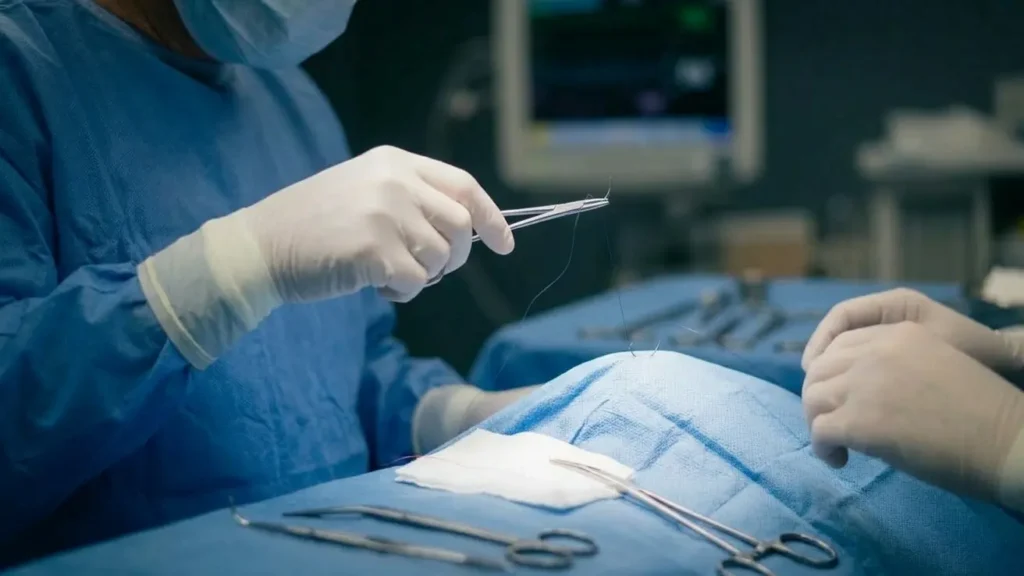
- The Surgical Approach: Your surgeon will make precise incisions to access the affected tendons, nerves, or bones. They may utilize techniques like microsurgery, skin grafting, or tissue flaps to repair damage or correct deformities.
- Closure: Incisions are meticulously closed to minimize scarring.
- Recovery and Rehabilitation: This is arguably the most important phase. You will likely be placed in a splint or cast, followed by a structured physiotherapy program to restore mobility and strength.
Choosing the Best Hand Surgeon in Dubai
Your hand’s functionality is directly tied to the skill of the surgeon performing the procedure. Because the anatomy is so precise, you should not trust your care to just anyone.
When searching for the best hand surgeon in Dubai or a hand surgeon specialist, consider these factors:
- Specialization: Ensure they are a board-certified plastic or orthopedic surgeon with specific, verified training in hand surgery.
- Experience with Microsurgery: Nerve and blood vessel repair in the fingers requires microscopic precision.
- Comprehensive Care: The best outcomes come from a multidisciplinary approach. Look for a clinic that offers in-house physiotherapy and hand rehabilitation. Surgery is only the first step; post-operative rehab is critical to your recovery.
- Patient-Centered Philosophy: A good surgeon will spend time diagnosing the root cause, discussing all non-surgical options first, and explaining the potential risks and outcomes clearly.
Are you ready to discuss your specific concerns?
Book a consultation with Dr. Mohamed Ali to receive a personalized assessment and treatment plan tailored to your needs.
FAQs about Finger Plastic Surgery
Can you get plastic surgery on your fingers?
Yes. Finger plastic surgery is a recognized field that treats conditions affecting the fingers’ function and appearance. It is commonly performed to repair injuries, treat congenital deformities, or manage chronic diseases.
What are the different types of finger surgery?
There are many, including tendon repair (for cuts or Trigger Finger), nerve repair, fracture fixation (realigning broken bones), syndactyly release (separating fused fingers), and arthritis-related joint reconstruction.
How risky is finger surgery?
As with any surgical procedure, there are inherent risks, such as infection, scarring, or temporary stiffness. However, when performed by a skilled hand surgeon specialist, these risks are managed through meticulous technique and comprehensive post-operative care.
How is plastic surgery on fingers performed?
It depends on the condition. It may involve anything from small, minimally invasive incisions to complex microsurgery. The goal is always to restore function, minimize tissue damage, and optimize healing.
Summary & Final Thoughts on Finger Plastic Surgery
Don’t let a hand or finger issue hold you back from your daily activities. Whether you are dealing with a recent injury or a long-standing condition, professional intervention can make a world of difference.
If you are searching for a hand surgeon in Dubai who combines aesthetic precision with functional restoration, Dr. Mohamed Ali is dedicated to providing patient-centered, expert care. From the initial consultation to the final stage of rehabilitation, our priority is your recovery and your hands’ long-term health.
Take the first step toward recovery today. Contact Dr. Mohamed Ali’s clinic for a comprehensive evaluation and to learn more about your treatment options.